Scientists in Edinburgh have developed a way to turn used plastic bottles into a drug used to treat Parkinson’s disease by using bacteria.
Researchers say it is the first time a natural biological process has been used to transform plastic waste into a drug for a neurological condition.
The breakthrough was made by a team at the University of Edinburgh, who used engineered E.coli bacteria to convert molecules from plastic into L-DOPA – the most commonly prescribed medication for Parkinson’s.
Around 166,000 people in the UK live with the condition, which affects movement and can cause symptoms including tremors.
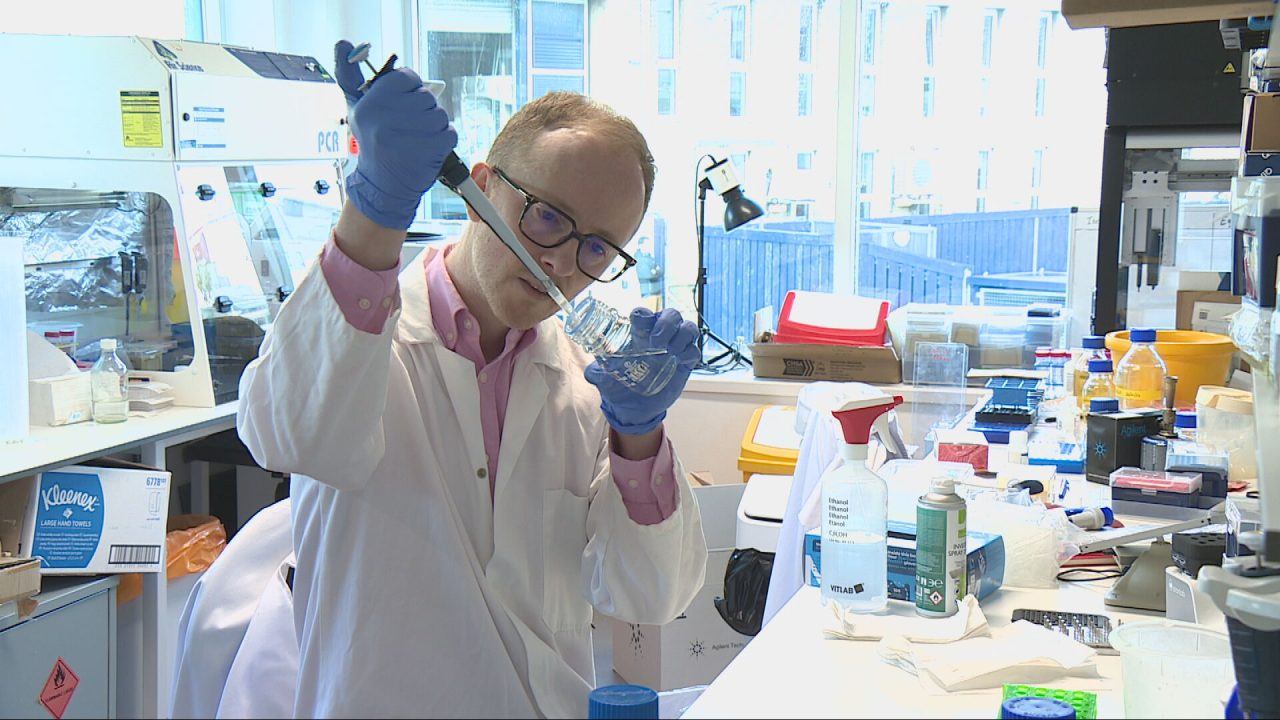
In a laboratory in the Scottish capital, scientists have been able to take molecules from broken down plastic bottles and convert them into the drug through a series of biological reactions.
Professor Stephen Wallace from the University of Edinburgh said: “The technology that has been developed here is called engineering biology. It has been pioneered by researchers in the UK and the University of Edinburgh is a leader in that field.
“It redesigns biology to do things that it’s never really had to do before. Normally, we think of using microbes to make things like beer and cheese and we can reprogramme these microbes to do things they’ve never done before.
“In this instance, we can teach them to use plastic waste and to turn them into something a bit more important, like the medication.”
Most patients with Parkinson’s are prescribed L-DOPA, which is currently produced using fossil fuels.
The team’s new method uses engineered E.coli bacteria to transform molecules from broken-down plastic into the drug through a sequence of biological reactions.
The research has been made possible by the Edinburgh Genome Foundry and its highly automated robots, affectionately named by the team as Agatha, Bertha and Charlie.
Dr Elliott Chapman from the Edinburgh Genome Foundry said: “This sort of engineering biology approach that Stephen relies on, if you have a PhD student or a postdoctorate in the lab manually doing those things, you’re looking at six to seven months of actual manual work.
“When you bring it into a facility like this, we can accomplish that in four to six weeks. You’re really accelerating the process and putting the relevant material into researchers’ hands, so they can go out and test and make those discoveries.”
Around 50 million tonnes of plastic waste is produced every year.
Researchers say the discovery could help reduce the amount of plastic sent to landfill or released into the environment.
But scientists involved in the project say the research is about more than creative recycling.
They hope it shows how working with nature and engineered biology could deliver real-world benefits – and believe it could open the door to further breakthroughs in the future.
Follow STV News on WhatsApp
Scan the QR code on your mobile device for all the latest news from around the country