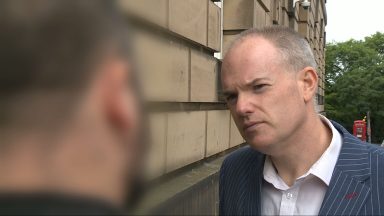
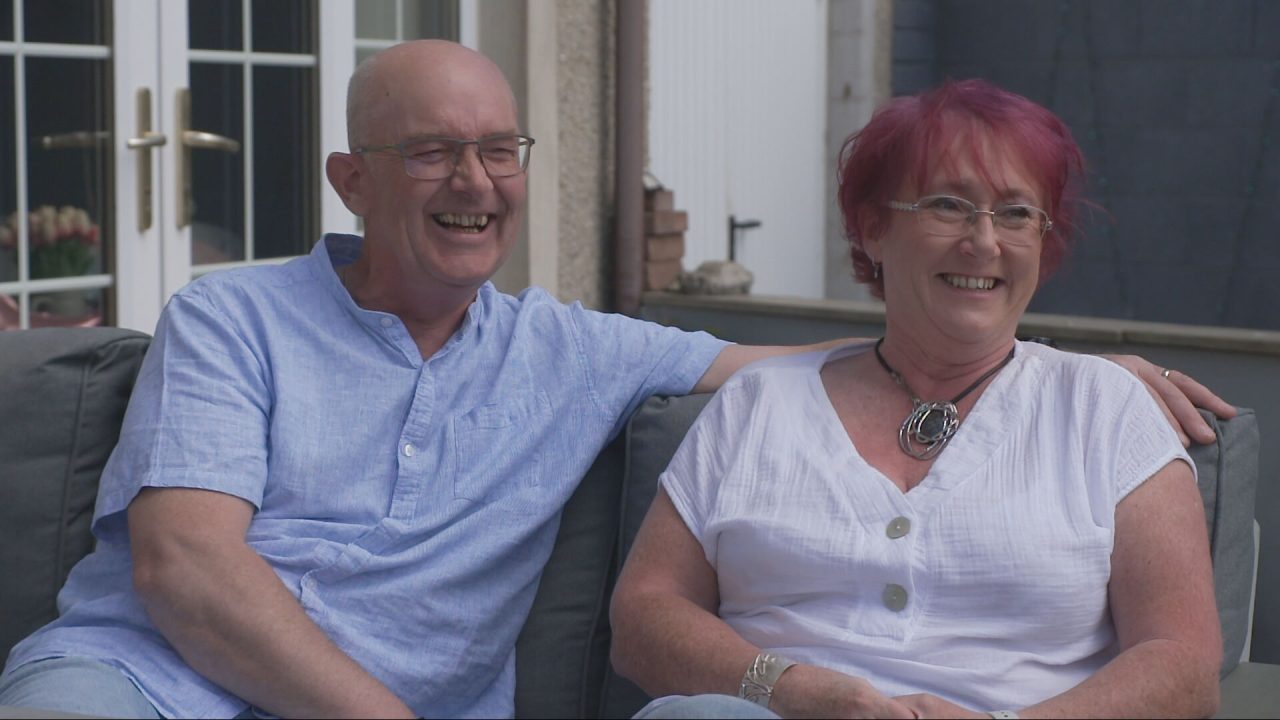
Paul Scott is only alive today because his wife, son and neighbour acted immediately when he collapsed at home.
The trio performed CPR on Paul after he suffered a cardiac arrest and used a defibrillator before paramedics arrived.
Their actions, alongside the work of emergency services, became what’s known as the “chain of survival”, and it’s a chain that could save far more lives if more people felt confident when faced with a time-sensitive medical emergency.
Every year in Scotland, thousands of people suffer an out-of-hospital cardiac arrest, but only around one in ten survive.
Paul’s story
Paul, a fish merchant from Anstruther in the east neuk of Fife, collapsed suddenly at home six years ago after complaining he “didn’t feel quite right”.
Within moments, his wife Kelly realised something was seriously wrong.
“He rolled over onto his stomach and made this horrible noise and went rigid,” she told Scotland Tonight.
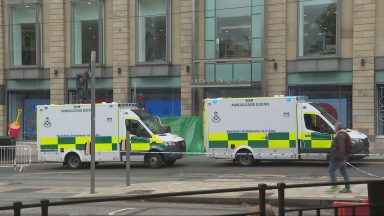
Kelly immediately called 999 and began CPR while their son Derry ran to find a defibrillator. Neighbour Colin Muirhead, who was celebrating his birthday, also came over to help.
Together, the three performed CPR and repeatedly used a defibrillator while waiting for an ambulance to arrive.
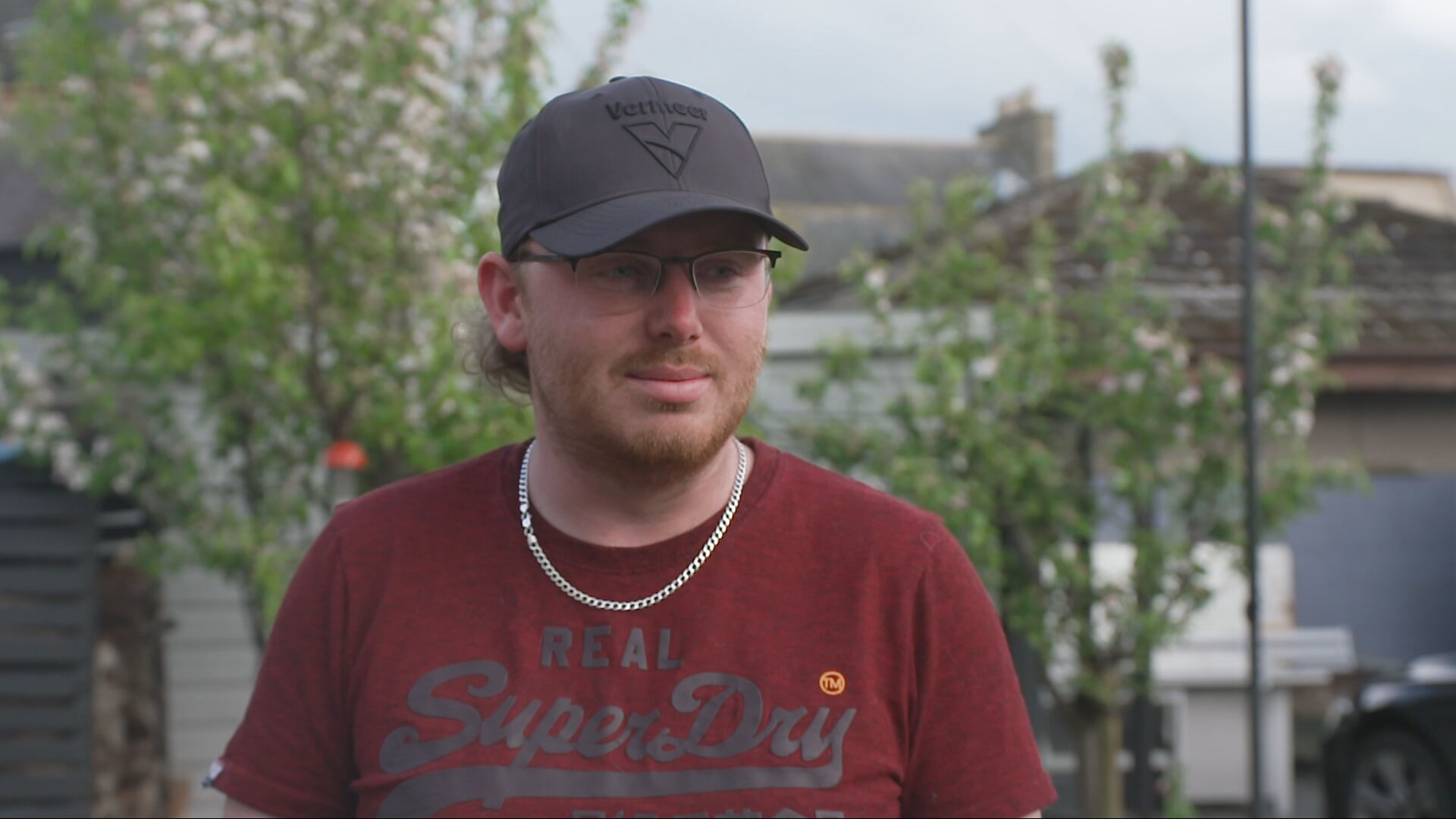 STV News
They worked on Paul for 18-and-a-half minutes before paramedics arrived. During that time, he was shocked six times with the defibrillator.
Kelly, who had first aid training through fostering, said instinct took over.
“Nothing went through my head, it was just autopilot,” she said. “As soon as I realised he wasn’t breathing, I knew I had to start CPR straight away.”
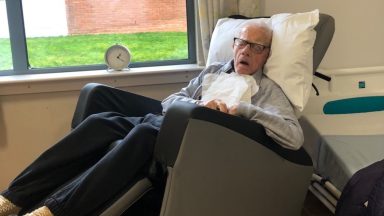
Paul was taken to hospital where he spent three days in an induced coma and underwent emergency treatment, including the insertion of three stents.
Doctors warned the family his chances of survival were slim and that, if he did survive, he could have suffered brain damage due to a lack of oxygen. Instead, he made a remarkable recovery.
“I owe my life to my wife, my son, Colin my neighbour and the NHS,” Paul said.
What is the difference between a heart attack and cardiac arrest?
A heart attack is a circulation problem in which the flow of blood to the heart is blocked. In contrast, a cardiac arrest is an electrical problem that causes the heart to suddenly stop pumping.
When cardiac arrest occurs, the person collapses and becomes unresponsive. Without the heart pumping, the brain and other vital organs are quickly deprived of oxygen and blood.
If CPR is not started immediately, this lack of oxygen can lead to irreversible damage within minutes.
Vital to recognise cardiac arrest quickly
Emergency medicine consultant Dr Gareth Clegg said stories like Paul’s highlight the importance of the “chain of survival” – recognising cardiac arrest quickly, starting CPR immediately, using a defibrillator and getting emergency medical care.
Dr Clegg helped found Save a Life for Scotland, a national initiative bringing together charities, emergency services and NHS partners to improve survival rates from out-of-hospital cardiac arrest.
The Save A Life For Scotland partnership is coordinated by Edinburgh University’s Resuscitation Research Group, which provides academic and clinical leadership.
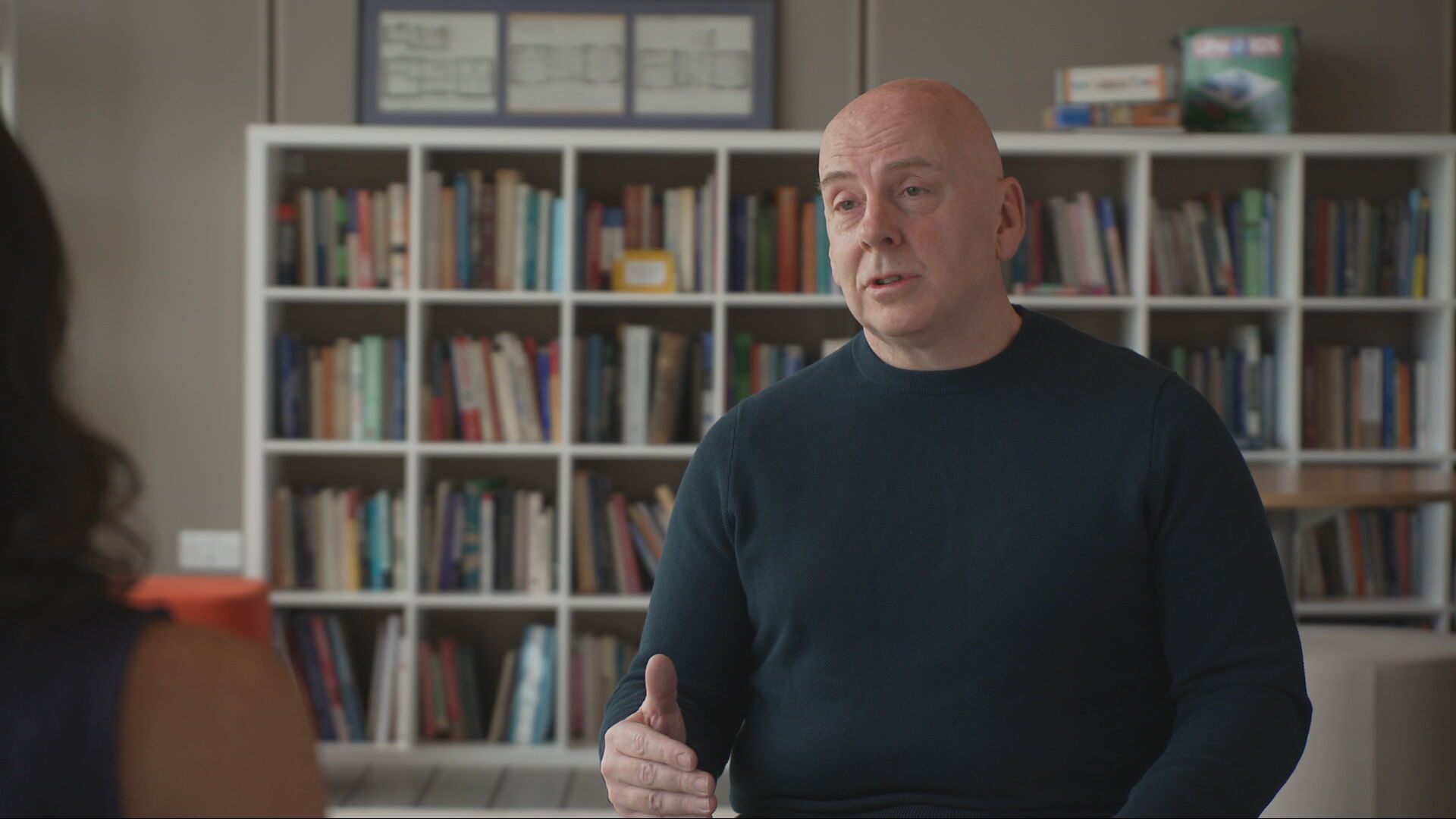 STV News
Since 2015, the initiative has trained more than a million people across Scotland in CPR and defibrillator awareness, encouraging members of the public to step in during emergencies.
“Any CPR is better than no CPR,” he said.
“Really, everything that happens before you arrive in the emergency department determines what’s going to happen in the longer term.”
According to the Scottish Government, survival rates from out-of-hospital cardiac arrest in Scotland have doubled over the past decade – from around one in 20 people to one in ten.
But Dr Clegg said survival still often depends on whether somebody nearby knows what to do.
“When we have a survivor, we look back and say, weren’t they lucky?” he said. “Part of the mission of Save a Life for Scotland is really to eliminate that luck.”
Kelly believes immediate CPR made all the difference.
“Because we started CPR in the first three minutes, that’s why he’s had such a good outcome,” she said.
Now, the family hope their experience will encourage others not to be afraid of stepping in during an emergency.
“You’ve got to give it a try,” Paul said.
Follow STV News on WhatsApp
Scan the QR code on your mobile device for all the latest news from around the country