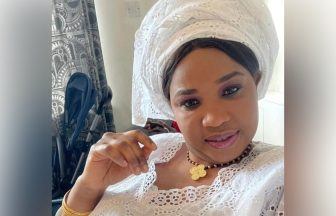
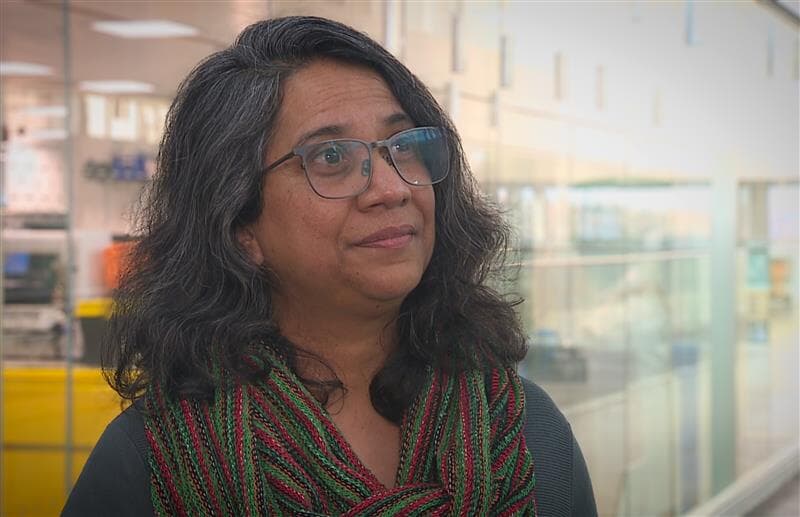
Dr Radha Sundaram watched the world fade before her eyes for months.
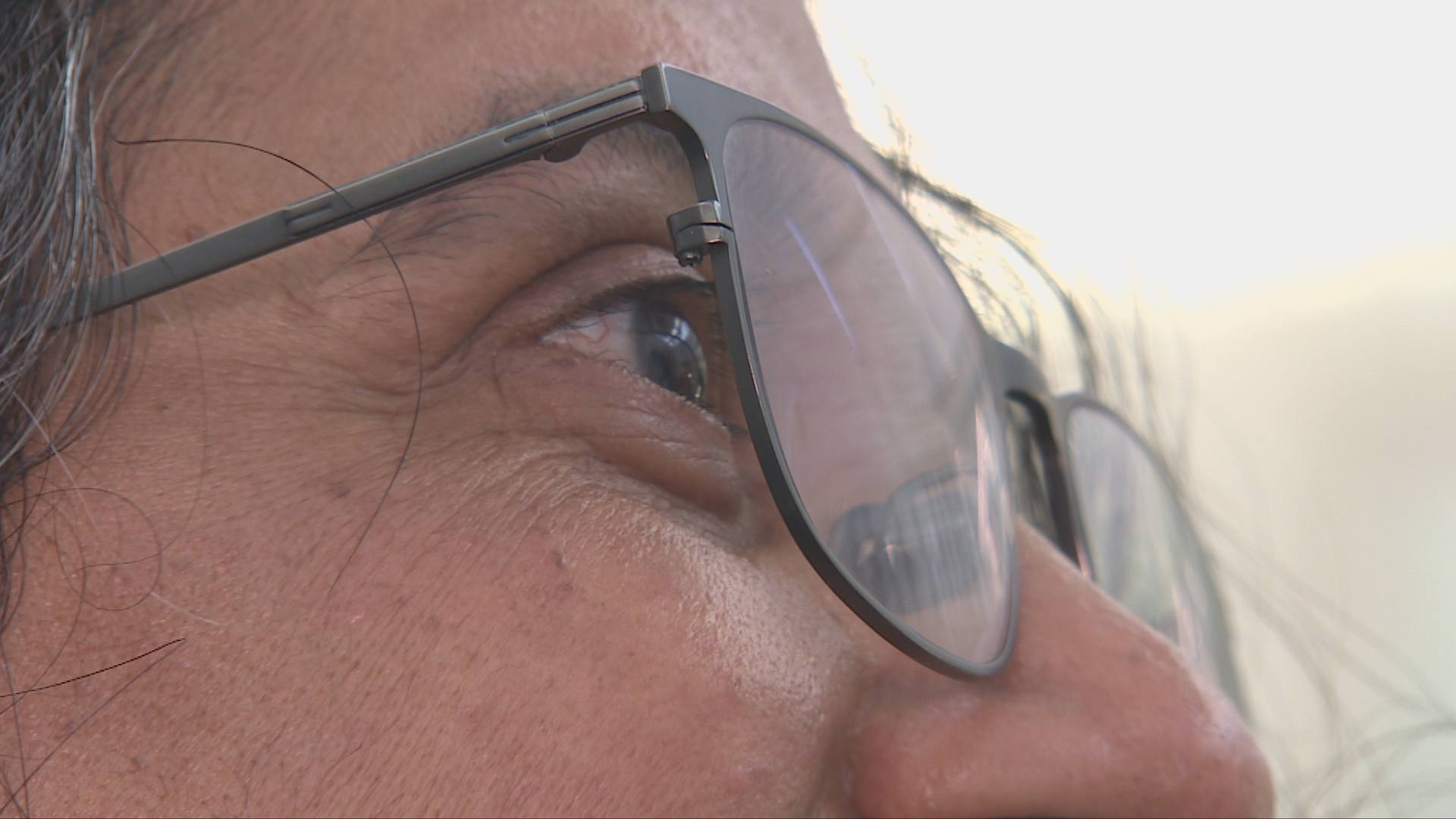
The Glasgow intensive care consultant was “slowly going blind,” her vision clouded by Fuchs’ dystrophy – a progressive condition that causes fluid to build up in the cornea, leading to swelling and blurred sight.
But now she has told STV News about the moment she first saw the vivid colours of autumn following a life-changing corneal transplant.
Dr Sundaram shared her story as part of a campaign encouraging people to talk openly about corneal donation and to make their wishes known to loved ones.
It comes as the Scottish Government announces £260,000 in funding for extra specialist staff to help increase donation and retrieval rates for “the gift of restored eyesight”.
‘I saw the world through a foggy screen – now I can see the colour’
 STV News
Dr Sundaram first noticed issues with her sight in late 2013. She said her condition left her waking each morning to what felt like “a blurred windscreen”, which took increasingly longer to clear.
Her failing vision was beginning to have a knock-on impact on her professional and personal life.
“I was terrified of being called in overnight and not being able to see, so I’d keep myself awake,” she recalled. “I was worried I wouldn’t be able to do things I wanted to do: be a doctor and a mum, my children around.”
The mum-of-two was diagnosed with Fuchs dystrophy in 2014, a hereditary condition that causes the cells responsible for keeping the cornea clear to deteriorate over time, leading to blurred vision, glare and eventual sight loss.
When doctors listed her for a corneal transplant, Dr Sundaram admitted the concept was “daunting”.
“I found it quite a difficult concept to get my head around,” she said. “It seemed like a very drastic thing for blurred vision.”
Despite her initial apprehension, Dr Sundaram underwent the first transplant in June 2015, with the second transplant taking place in October.
She was able to drive just six weeks later and able to experience the world in full clarity for the first time in two years.
“I remember noticing the colours of the leaves in Pollok Park in Glasgow, where I live,” she told STV News. “I realised I had been looking at the world through a foggy windscreen for so long and it happened by stealth. I hadn’t realised it could be so clear.”
The transplant allowed her to continue her career, including working in ICU during the coronavirus pandemic.
“The families being brave and generous enough to say yes to corneal donation at the time of their greatest grief has made such a difference to my life,” she said.
“Some people have told me they’ve went back and ticked the cornea box on the donor register after hearing my story.
“Knowing more about it makes people feel more comfortable about what happens; some of their relatives’ eyes living in someone like me is a thing of great comfort to them.
“I think it’s important for all of us to speak about how life-changing this is.”
Since March 2021, Scotland has operated an opt-out system for organ and tissue donation.
This means most adults are considered potential donors unless they choose to record otherwise. But medics still rely on families to confirm their relative’s wishes, meaning conversations with family are essential.
‘The transformation can be night-and-day’
 STV News
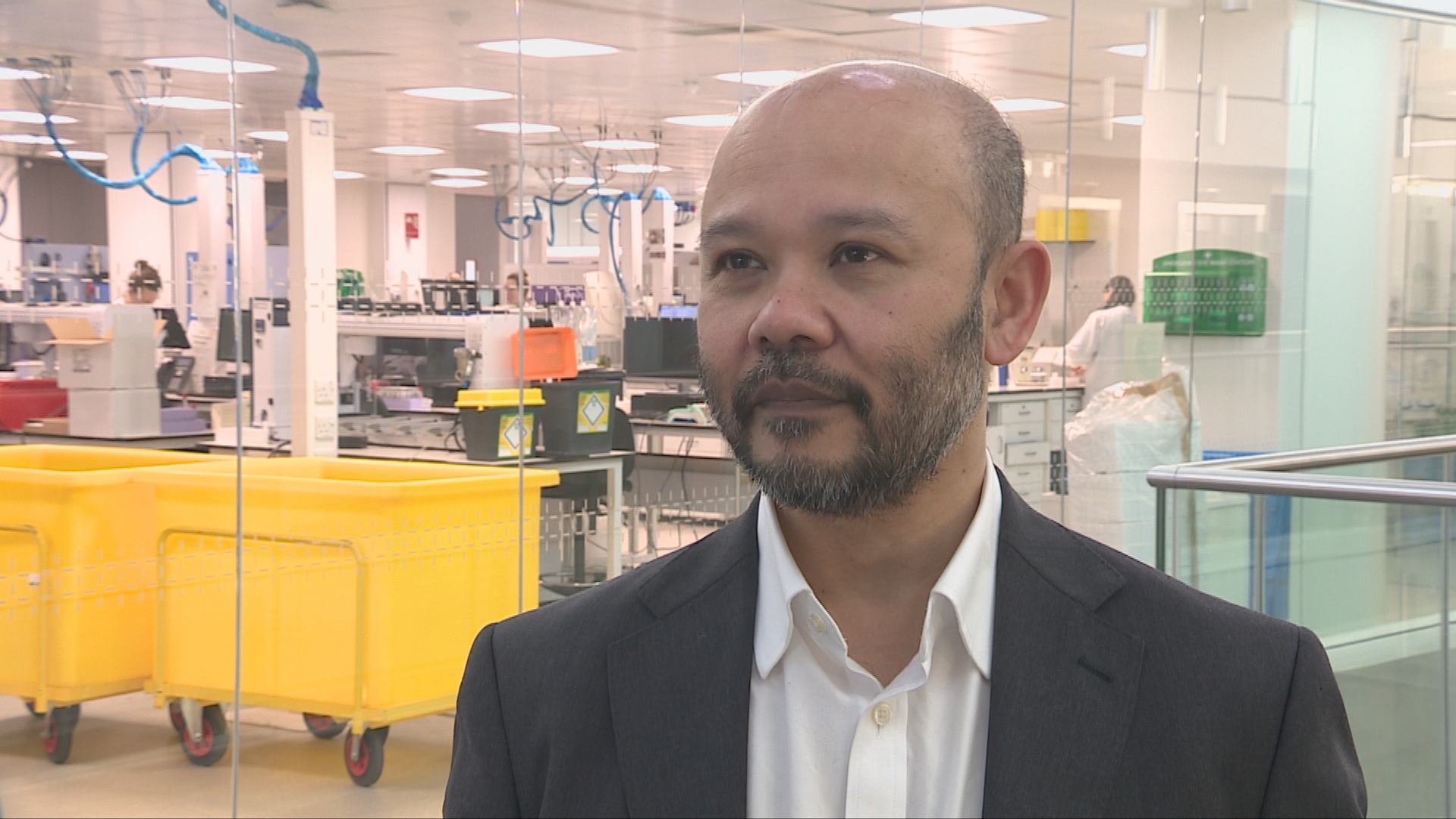
Consultant ophthalmic surgeon Dr Naing Latt Tint, based at the Princess Alexandra Eye Pavilion in Edinburgh, said 200–300 corneal transplants are performed each year. Yet shortages of donor tissue and limited surgical capacity can result in lengthy waits.
“At the moment, my waiting list in Edinburgh is two years to get a corneal transplant. There are 80 people waiting,” he said.
Dr Tint described the impact of surgery as “phenomenal”.
“It makes a huge difference in people’s lives,” he said. “When patients come back after certain types of transplant, even within one to two weeks, they’ll say ‘it’s a completely different world: ‘I can see everything.’
“Within a month, for partial thickness transplants, they can get amazing visual recovery – up to 20/20 or even better, without glasses. The transformation is night and day.”
He acknowledged the emotional difficulty for families asked to consent to donation.
“It’s very difficult, emotions can be high,” he added. “What people do need to understand is the eyes are taken in a very sympathetic and respectful way.”
He also stressed that age is often not a barrier to donation, though the retrieval must happen soon after death.
“Often, age doesn’t really matter. Your loved one could be in their 80s, but their corneas can be very healthy and suitable for transplantation into 30 or 40-year-olds – never forget that.”
‘You realise how precious eyesight is’
 STV News
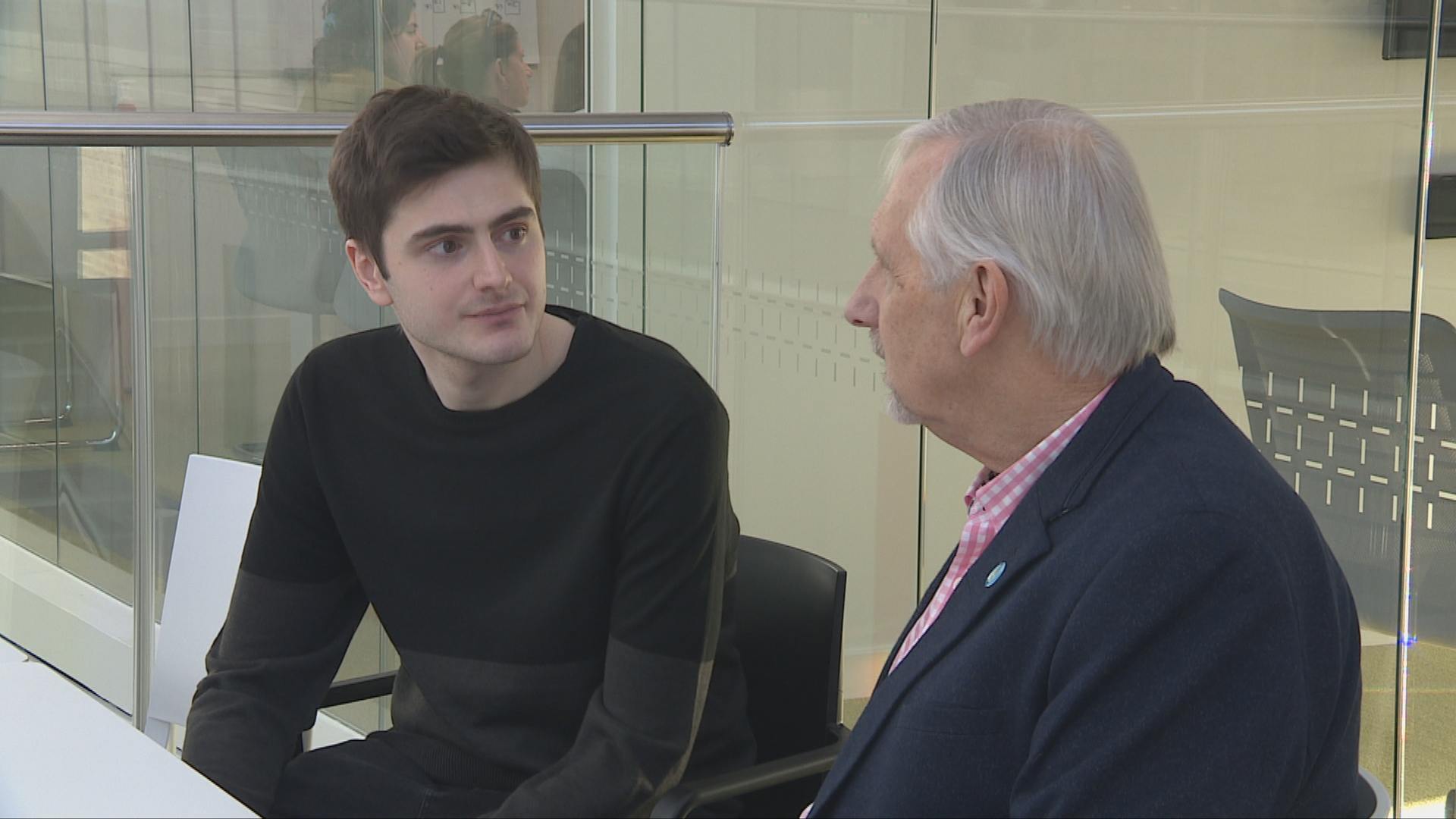
Thomas MacSporran, 26, from Edinburgh, received his second corneal transplant last year after developing a condition causing distorted sight.
He said: “Despite everything, it’s been life-changing to begin to get my vision back. It’s something most people take for granted, but when you lose it, you realise just how precious it is.
“There’s currently a shortage of donor corneas, and the waiting lists are long. That’s one of the reasons I wanted to share my story.
” If even one person chooses to become a donor after hearing about my journey, that’s potentially someone else who gets a second chance like I did.
“It’s easy to forget how much sight impacts every part of life, until it’s taken away. I’m still on the road to recovery, but every improvement feels like a step forward.”
Neil Healy, lead nurse for tissues and cells at the Scottish National Blood Transfusion Service, said: “Anyone involved in the transplant process knows that it takes a dedicated team – doctors, nurses, allied health staff, coordinators, and families – working together to make each operation happen.
“But above all, it’s the selflessness of donors that makes it all possible. Their remarkable gift, supported by families honouring their loved ones’ wishes, gives others a second chance.”

The Scottish Government is providing annual funding of just over £260,000 for six additional Scottish National Blood Transfusion Service (SNBTS) staff to work with patients and their families in the Central Belt before and after death to ensure permission is in place and the procedure happens in time.
Public health minister Jenni Minto has met with cornea recipients at SNBTS offices in Edinburgh and has appealed for people to consider donation.
“I was inspired to hear people’s stories – I am glad they are recovering well. This incredible act of altruism can help those affected by failing eyesight continue to live independent and fulfilling lives,” she told STV News.
“Sight is something so many of us take for granted. Seeing the leaves turning, the blue sky, it’s such an important part of our lives.
“We always need more donors, so I urge everyone to consider cornea donation – the gift of restored sight – to give another person a chance of a better life.”
To find out more and register your decision visit the NHS Organ Donor Register at www.organdonation.scot.
Follow STV News on WhatsApp
Scan the QR code on your mobile device for all the latest news from around the country