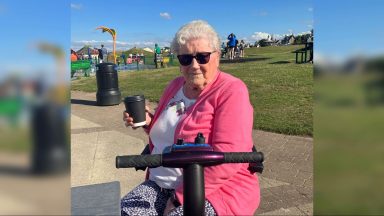
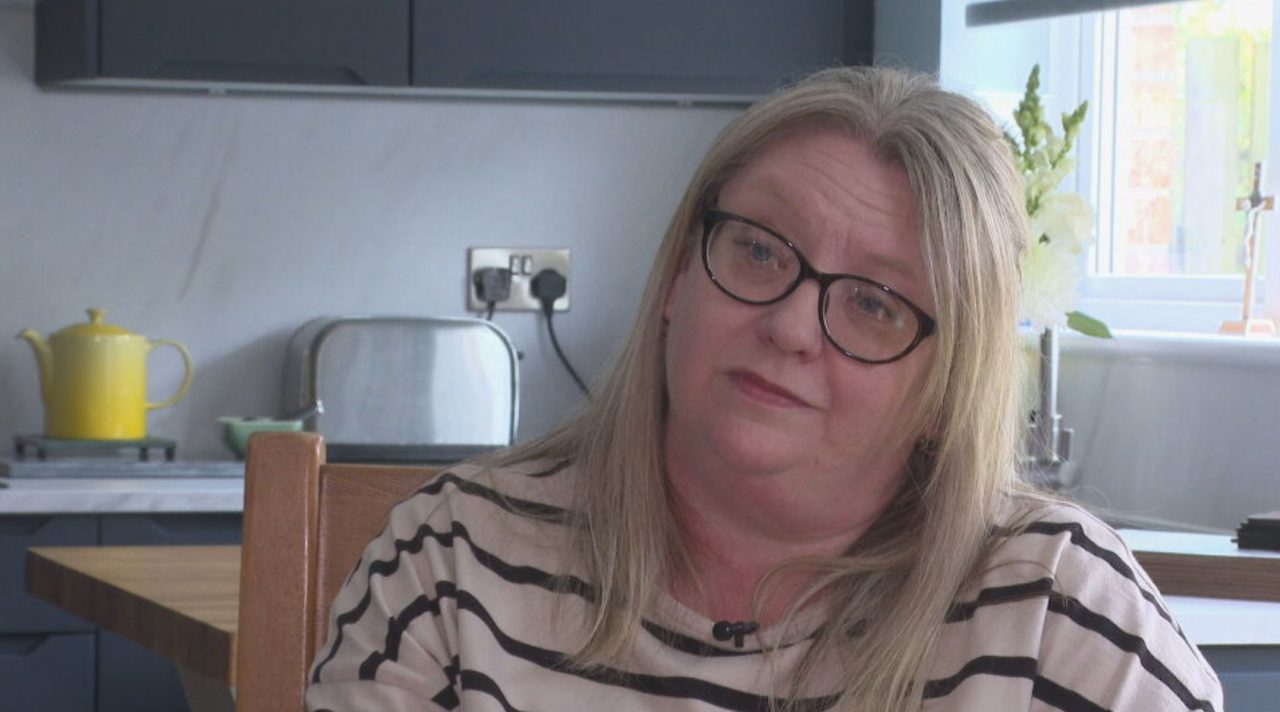
A Dunfermline mum says she is learning to live with a rare and incurable form of cancer after years of abdominal pain and fatigue led to a diagnosis.
Veronica Madden, who is living with stage four neuroendocrine cancer, says the approval of a new treatment for patients in Scotland brings her “calm and comfort” about the future.
The former art teacher feared her “life was over” when doctors discovered in 2022 that the cancer had spread to her liver, making it stage four.
But she says learning more about the condition, and meeting people who have lived with it for decades, has helped her come to terms with the diagnosis.
“I gradually began to understand you can live with it,” Veronica, 51, told STV News. “There are people living 20-plus years with something similar to what I have. Everybody’s journey will be different.”
Cabozantinib has now been approved for use in Scotland for some patients with neuroendocrine cancer.
 STV News
Neuroendocrine cancers develop in cells of the neuroendocrine system and can occur in different parts of the body, including the bowel, pancreas, stomach and lungs. The disease can cause symptoms such as diarrhoea, flushing and severe forms of heart disease which can lead to heart failure.
NETs develop slowly and can be confused with other conditions, so are often not discovered until at an advanced stage
Around seven per 100,000 people in Scotland are diagnosed every year.
For years, Veronica suffered from fatigue and abdominal symptoms, which she believed were linked to her longstanding IBS or a hysterectomy she underwent in 2012 due to fibroids.
After being admitted to hospital in 2016, she was diagnosed with a small bowel neuroendocrine tumour when a CT scan revealed a 2.4cm growth that had spread through the bowel wall.
She underwent a right hemicolectomy, during which part of her small and large bowel was removed and rejoined.
Following surgery, six-monthly scans showed no evidence of disease and Veronica believed she may have been cured. However, in 2022 doctors discovered spots on her liver and confirmed the cancer had spread, making it stage four.
“I had just accepted that perhaps I was dying,” she recalled. “I thought my life was over.”
Support from Maggie’s Centre in Edinburgh helped her and her husband process the diagnosis and find ways to talk about it with their child.
She also speaks with professionals and others in the community about NET cancer.
“My family are there for me, but you need help from people who are not emotionally involved,” she said. “You can speak about how you’re feeling without hurting the person closest to you.
“It took a long time before it’s not the first thing and last thing you think about every day.”
Veronica admitted that giving up the job she loved was a tough decision, having worked at Queen Anne High School since 2003.
“I’ve had a hard time adjusting to not working. We’re wrapped up in what we think is our purpose or our worth. No matter what you do, you don’t always have to be producing something.
“I felt like I was letting down pupils and colleagues, but I was really struggling. Just the stress of having to get there made me tired.”
She added: “I get to do more art than I did when I was working, so there are positives.”
Veronica’s cancer is currently stable, and she has an injection every four weeks, which helps slow tumour growth.
There are also other treatment options to explore if her condition worsens.
“I’m so grateful there are so many trials around the world. We’re well serviced in Scotland with the Beatson and the Western. It’s comforting to know there’s another drug out there I can have further down the line.”
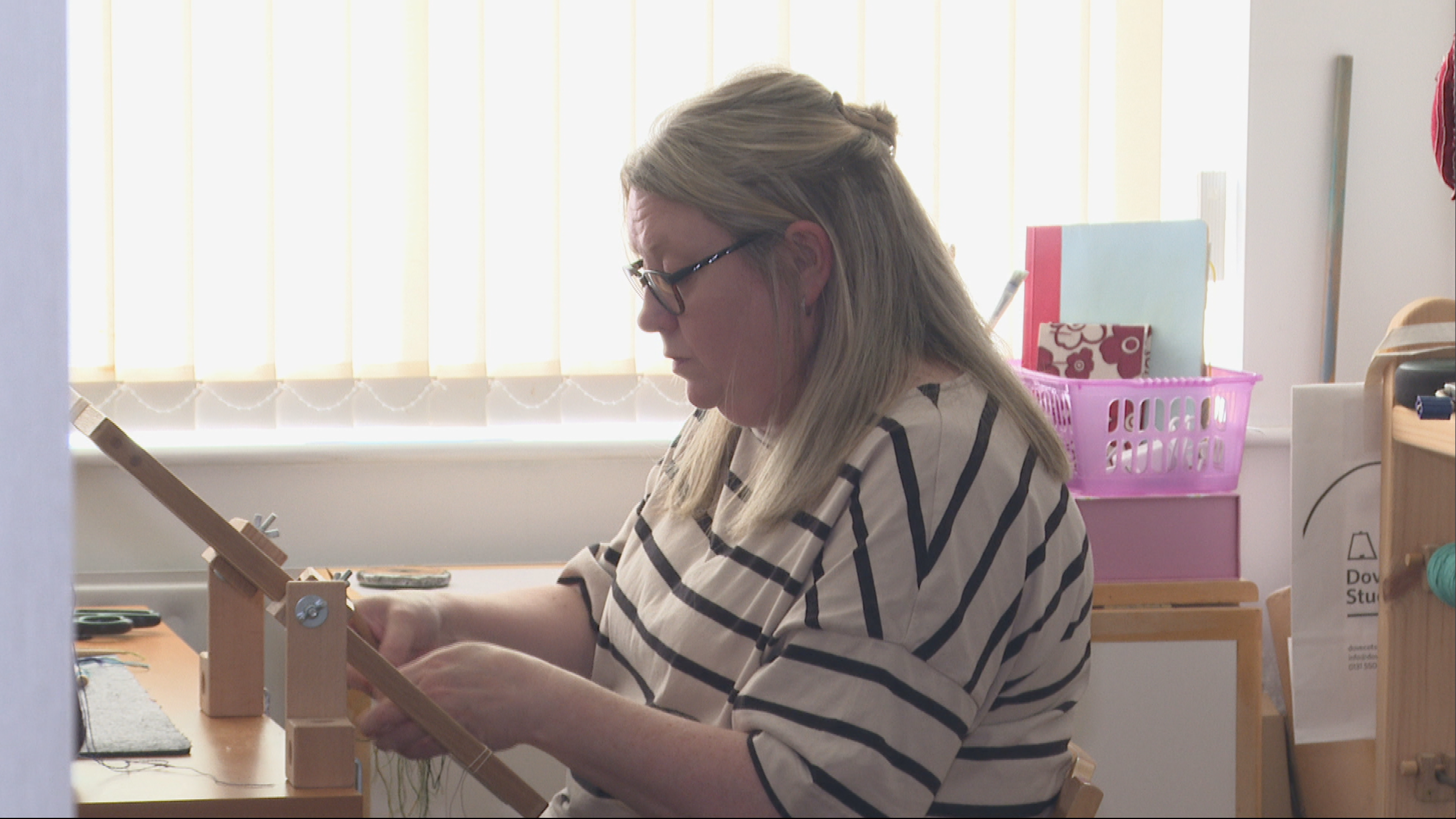
For now, Veronica is enjoying spending time with family, weaving tapestries and crocheting in front of the TV.
She also uses social media to raise awareness around neuroendocrine cancer.
“People are generally very good, but don’t always understand what it is,” she said. “There’s a stereotypical idea of what it would look like.
“I might be looking well, but I might not be feeling so good.”
 STV News
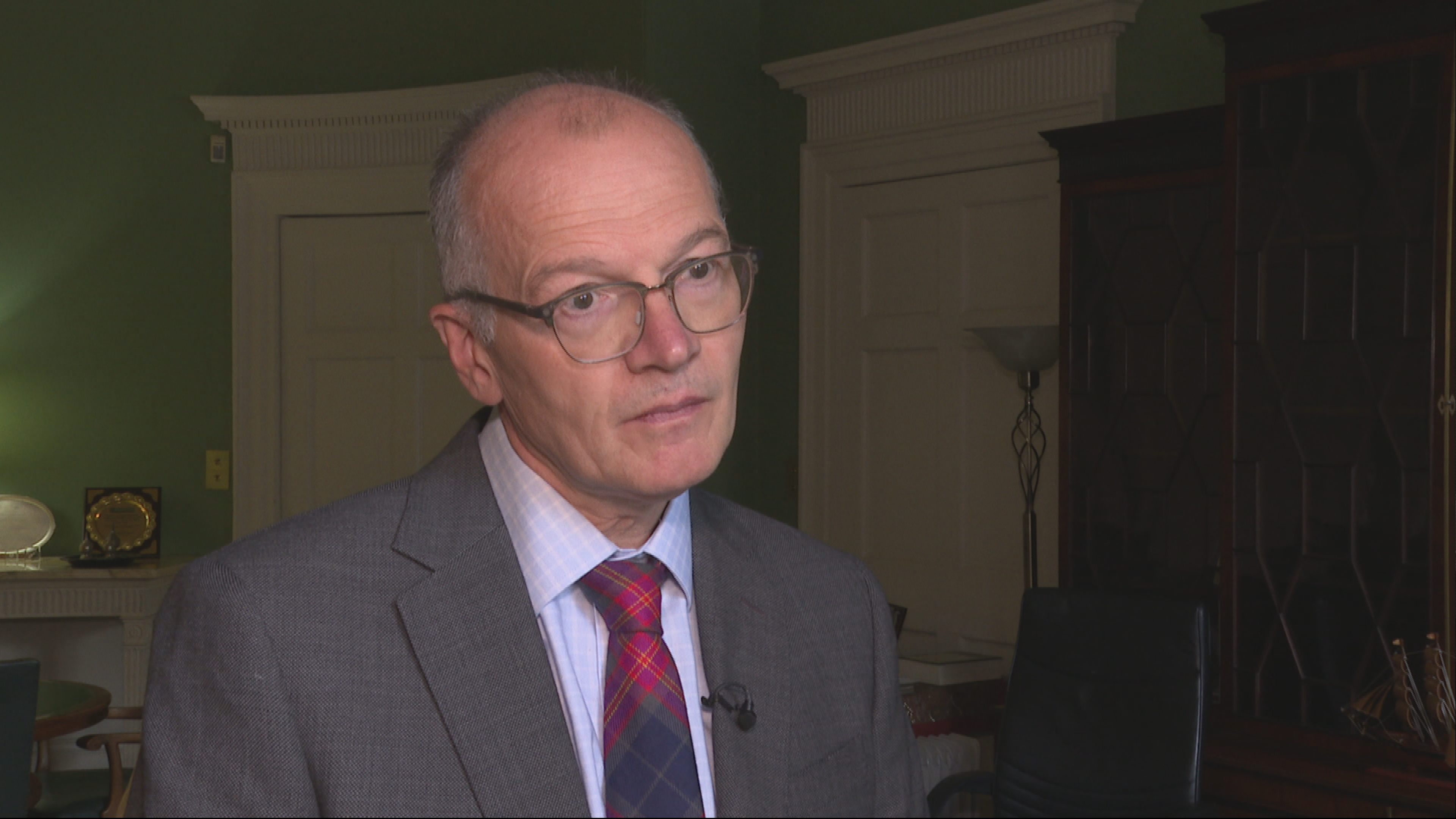
Mark Strachan, president of the Royal College of Physicians of Edinburgh, said people with neuroendocrine cancer often face a sense of isolation because of the lack of public awareness around the disease.
“It’s a very lonely cancer to have. If somebody is diagnosed with prostate or breast cancer, people, families and friends have some understanding of what that means for the individual. But for patients with NET cancer, it’s different.
“Most won’t understand the hormone effects and how debilitating they can be.”
But he says the new drugs are promising news for patients.
“We are seeing incredible breakthroughs in cancer treatments generally, so our great hope is that there will always be new innovations coming along to improve the quality of life and survival in people with NET cancer.
“The improvements in the last decade, in my long life in medicine, are frankly astonishing – from what we would call traditional chemotherapy to these targeted treatments.
“It’s a triumph of modern medical science that we’re seeing these medicines becoming available.”
Follow STV News on WhatsApp
Scan the QR code on your mobile device for all the latest news from around the country