Key Points
-
 Kristie Haldane says repeated miscarriages and poor care have changed her life
 - She and her partner say families receive too little support after pregnancy loss
- Elizabeth Crammond has suffered three miscarriages and is planning to petition the Scottish Parliament
- Scotland has introduced a new miscarriage care pathway and patient charter
- The charity Sands says every pregnancy loss deserves compassionate care and specialist support
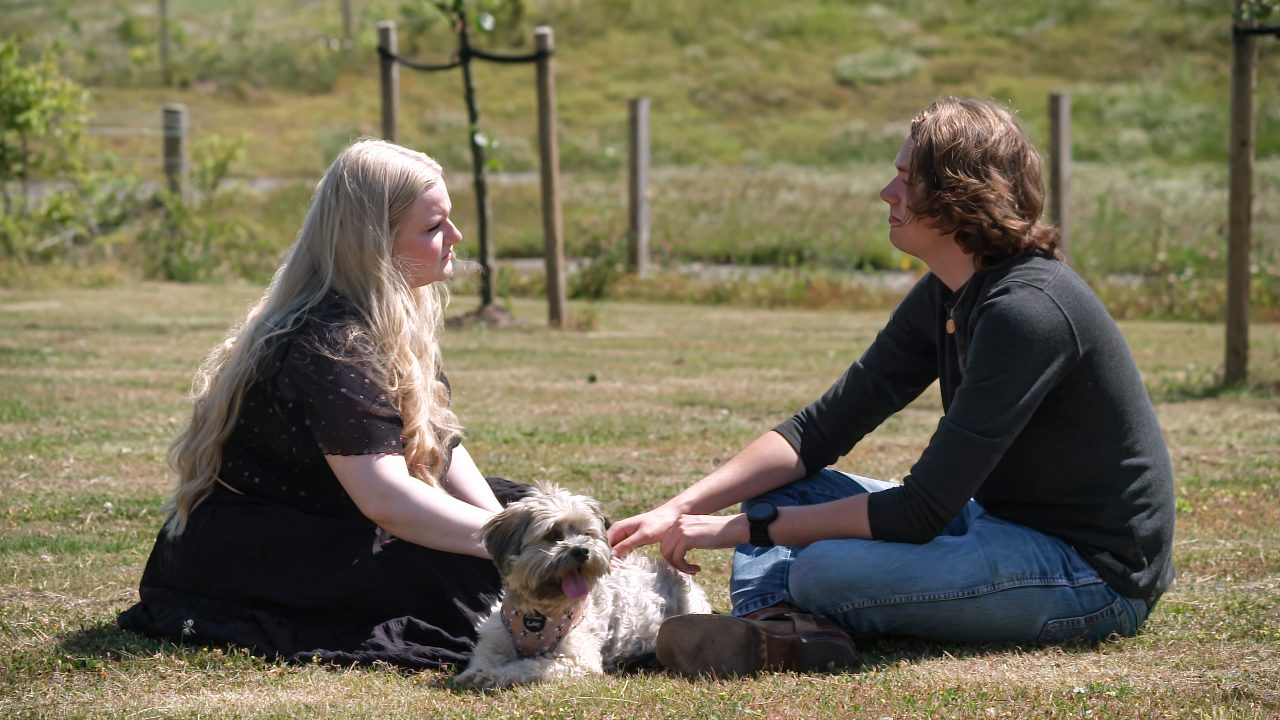
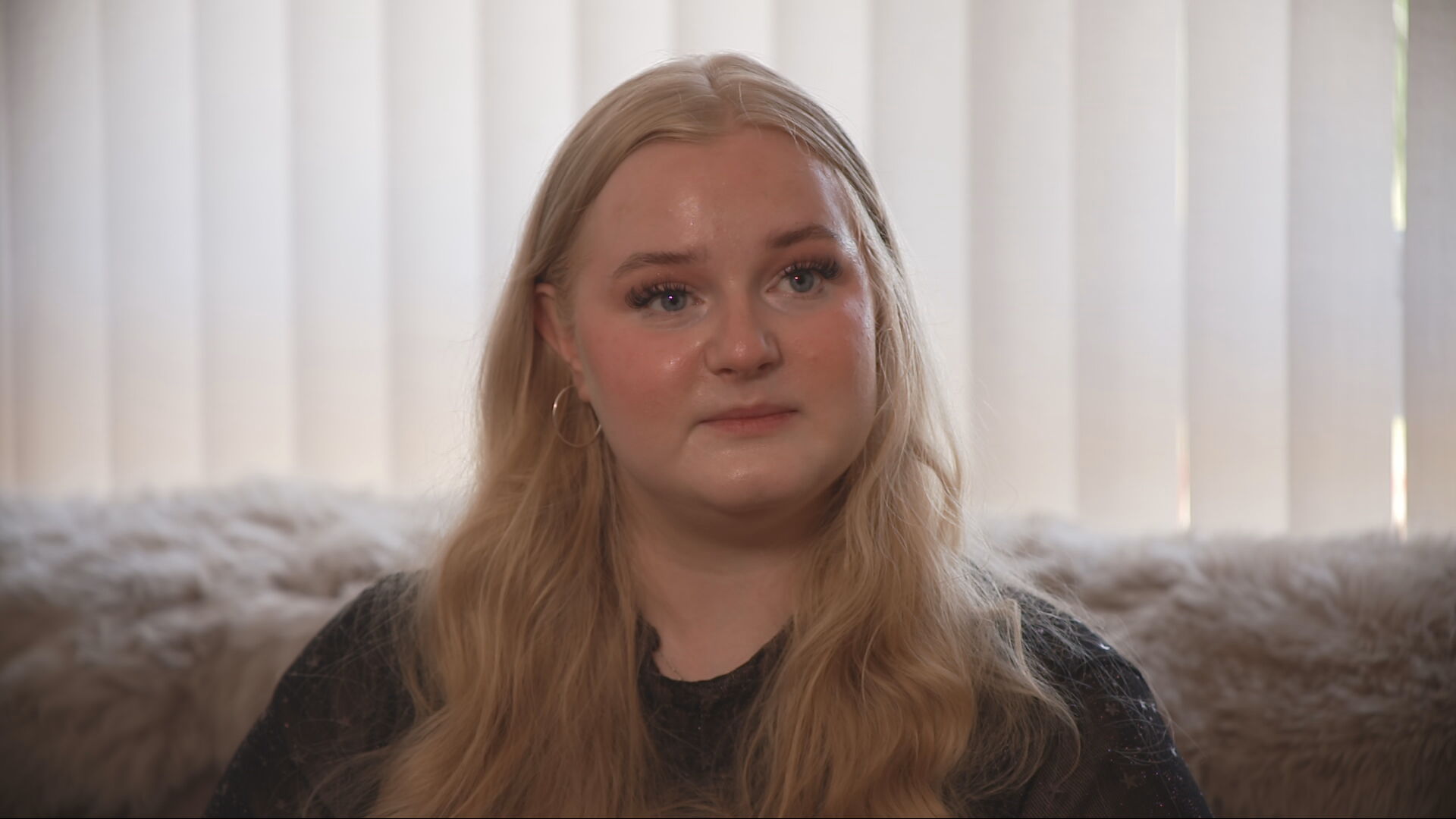
It is only now that Kristie Haldane feels able to speak publicly about her experiences of early pregnancy loss.
The 24-year-old from Fife says repeated miscarriages, combined with what she describes as difficult experiences while receiving care at Victoria Hospital in Kirkcaldy, have changed the course of her life.
She told STV News the physical and emotional impact has left her without confidence in becoming pregnant again.
“It’s been tough. It’s an experience I wouldn’t wish on anyone. I’m a completely different person.
“I ended up homeless, and I lost my job because of what happened in 2022, my first loss. I couldn’t sustain my job. I was so unwell. I was mentally really struggling, and there wasn’t really any understanding from workplaces about how you feel.”
 STV News
Kristie, who has underlying health conditions, says she has encountered problems on more than one occasion while seeking treatment and that trying to get answers has taken a significant toll on both her physical and mental health.
Her most recent miscarriage was in December 2024. After waiting six hours in A&E because of limited bed capacity, she was admitted to a paediatric ward.
Unaware she was pregnant, Kristie says she became increasingly distressed by heavy bleeding, having previously suffered a haemorrhage following an earlier miscarriage.
She said: “It was devastating to lose part of yourself, but also to be told to deal with it quietly. They don’t offer support afterwards. For myself, for my partner, for my family, there was ‘you’re okay to go home now’. And I didn’t feel okay.”
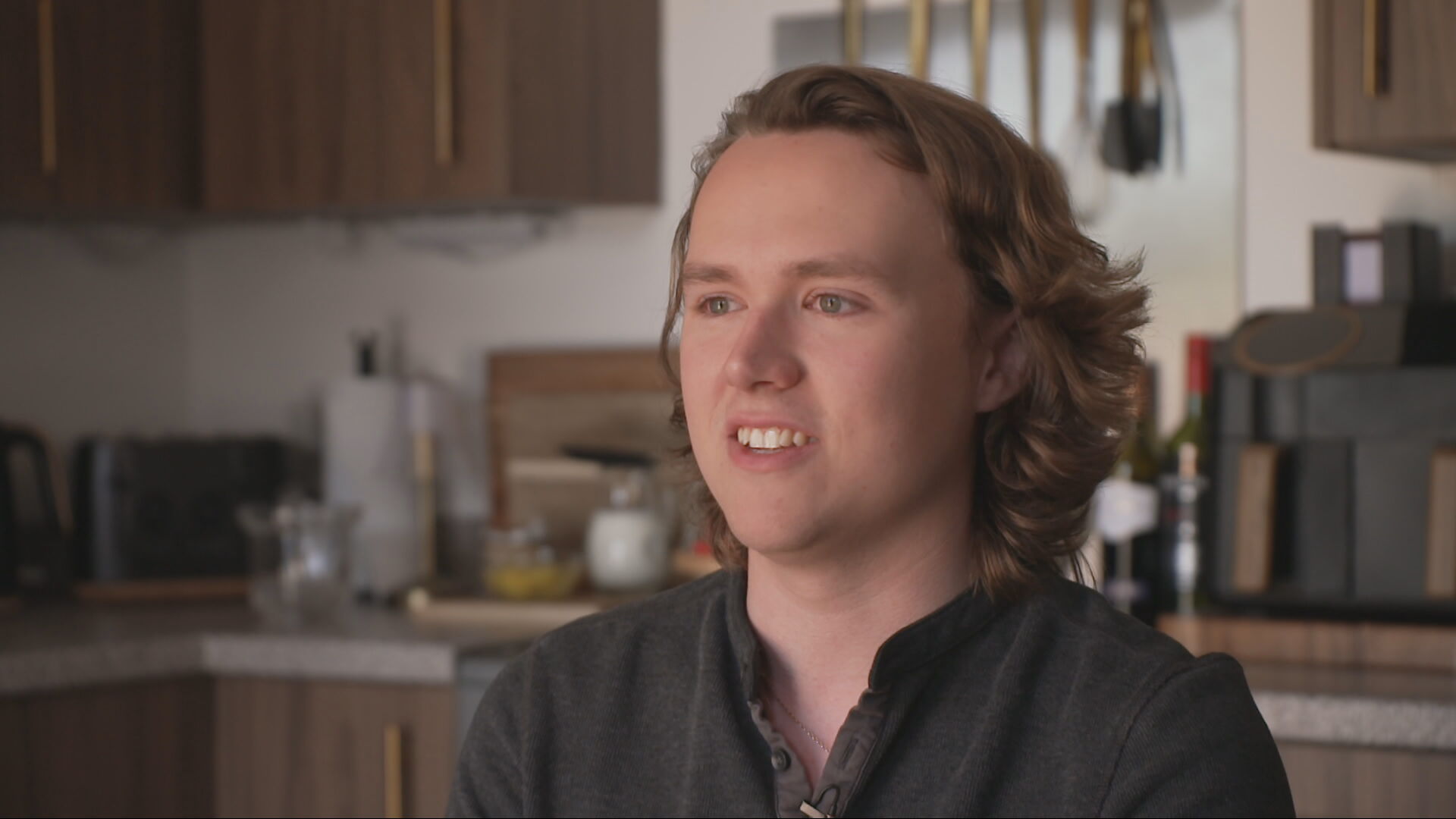
Her partner, Robbie, says the emotional impact extended beyond Kristie, with little support available for partners experiencing pregnancy loss.
 STV News
“I think it’s been tougher than I expected,” he said. “I see the amount of effort my partner had to put in just to get her own support. There’s not really any space for me to stand there, and I think I might need a hand as well.
“It’s difficult dealing with the memories of it. As much as your partner’s going through it, you have to stand there and watch all of it happening, and it’s a very powerless feeling. There’s nothing you can do, there’s no way to fix it.”
Kristie says the experiences have fundamentally changed how she views her future.
“My life of wanting to get married and have children is completely different now. I don’t see that route for me. I don’t see myself giving birth anymore.
“I have decided to be sterilised at 24, which is not your expected answer. I don’t have the confidence anymore to do it again. And I don’t think, medically speaking, with my conditions and how my past is presented, it would work.”
Her story comes as the Scottish Government rolls out a new miscarriage care pathway and patient charter, announced in March, which aims to ensure women receive consistent information, support and care regardless of where they live.
The reforms also pledge enhanced support from a woman’s first miscarriage rather than after three consecutive losses.
A spokesperson for NHS Fife said: “We extend our sympathy to anyone who has experienced pregnancy loss. We recognise the significant impact miscarriage can have and are committed to providing compassionate, high-quality care and support.
“We are implementing a range of enhancements to our gynaecology services as a result of Scottish Government funding to implement the miscarriage framework, which will increase patient choice and progress plans for a seven-day Early Pregnancy Assessment Service.
“These developments reflect our commitment to improving miscarriage care in line with national policy and best practice.”
‘It’s happened three times, I’m traumatised’
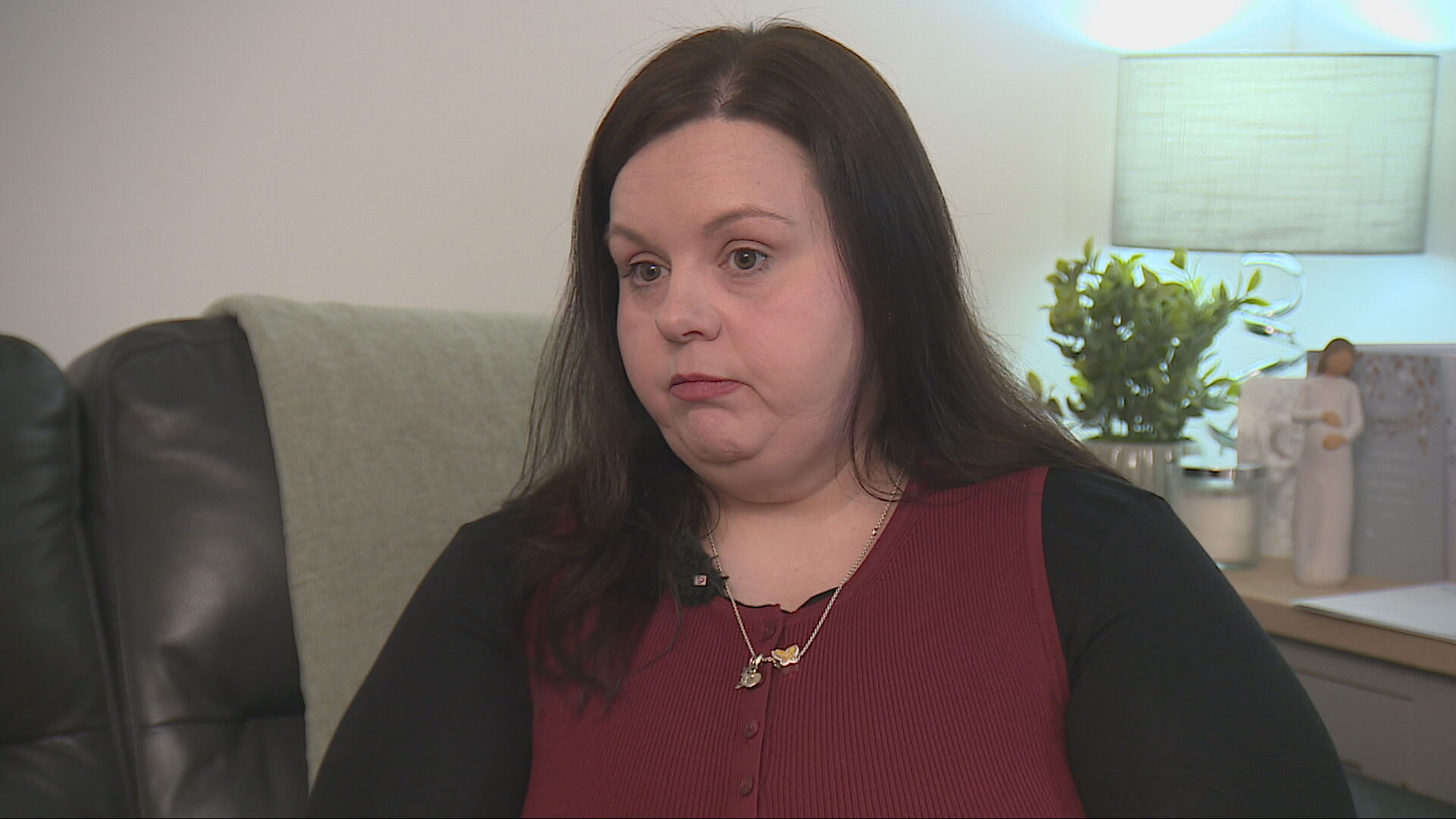
Elizabeth Crammond, 43, says she was left “traumatised” after suffering her third pregnancy loss earlier this year.
She said: “I’m traumatised, I’m hurt, not just for myself but my family and my daughter. It’s happened three times, and I feel I have to say something because the more I keep quiet about it, the more things will not change within the system.”
 STV News
Classed as having a high-risk pregnancy, Elizabeth asked for her care to be transferred from NHS Tayside to NHS Fife, where she had previously given birth to her daughter.
Within days, she experienced pain and bleeding, and says she repeatedly contacted the Early Pregnancy Unit in Kirkcaldy for help.
“I was triaged over the phone, and I had to go privately for two scans showing strong heartbeats. When I went in on the ninth day, I was told, ‘your baby’s dead, there’s not much we can do. If I were ever to have a future pregnancy, I would be terrified.”
In a letter, NHS Tayside apologised to Elizabeth, saying there appeared to have been a miscommunication from NHS Fife regarding her request to transfer care.
She was also told that, following a previous miscarriage, her pregnancy record had been closed, information which would have triggered additional monitoring and treatment.
“Now, from this moment in time to the future, my life will always be what if because there should be another child there. It’s almost like a postcode lottery to get heard, get seen, probably have investigations and that needs to change.”
Elizabeth is planning a petition to the Scottish Parliament to try to improve monitoring, care and support for high-risk early pregnancy and those who have experienced early miscarriage.
A spokesperson for NHS Tayside said: “Due to patient confidentiality, we are unable to comment on matters relating to individual cases. We have apologised to Ms Crammond directly and extended our deepest condolences to her.
“NHS Tayside is progressing the full implementation of the Scottish Government’s Miscarriage Framework, alongside the Scottish National Bereavement Care Pathways. As part of this work, we recently opened the Meadow Suite, a dedicated space for women and families experiencing early pregnancy loss.
“We remain committed to listening to the experiences of women and families and are continually developing our services to ensure those experiencing pregnancy loss receive timely, compassionate and person-centred care.”
Specialist support is vital following pregnancy loss
The charity Sands says experiences like Kristie’s and Elizabeth’s underline the importance of ensuring families are told where they can access specialist support following pregnancy loss.
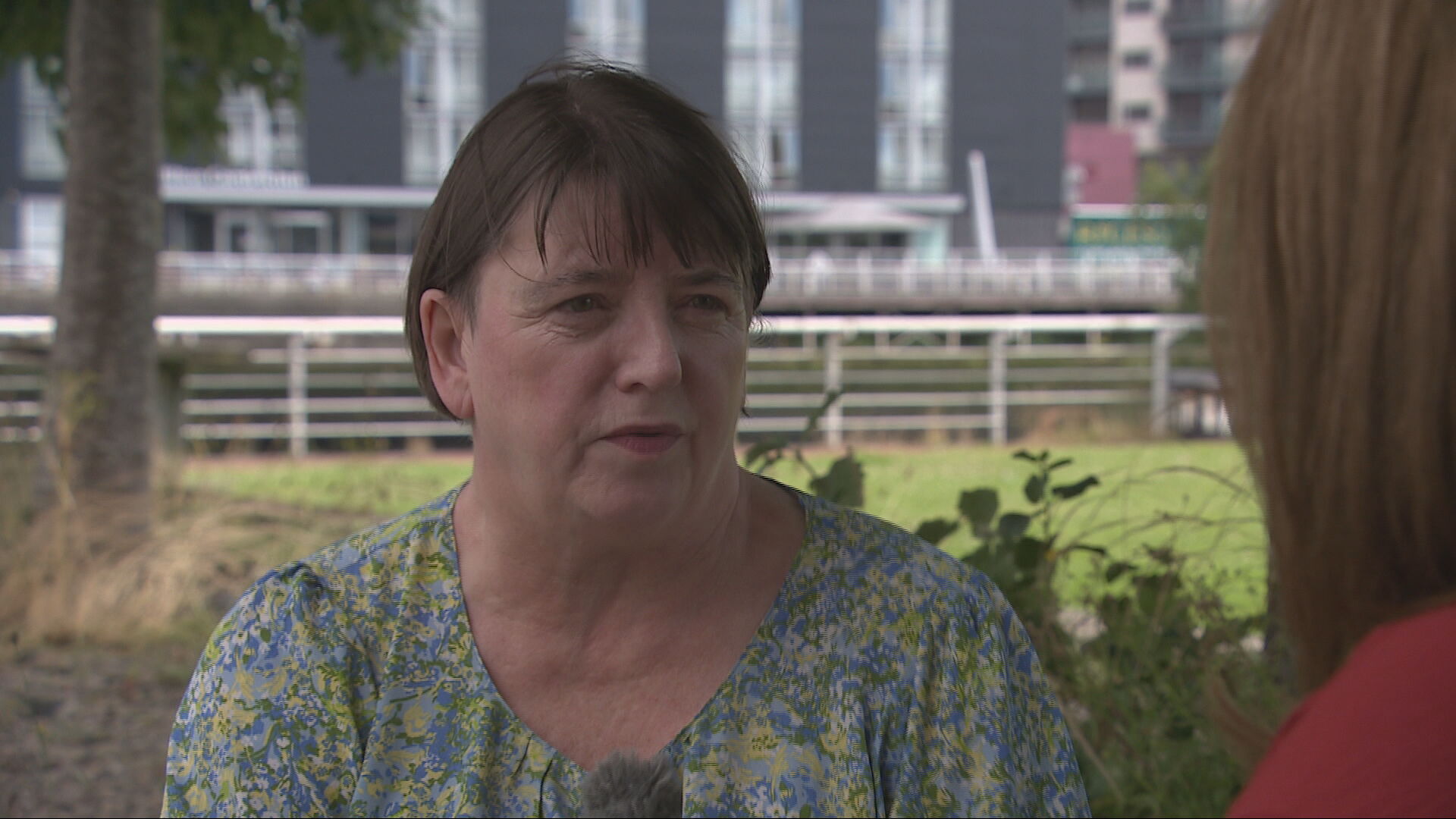
Joanne Robison, bereavement support services co-ordinator at Sands, said: “It’s really sad when we hear people who have not been told of the support we can offer.
“We acknowledge completely that no matter when the loss occurred, it is still valid, it still has to be dealt with, and it still has to be supported.
 STV News
“When someone first sees the lines in a pregnancy test, they immediately start imagining the life they’re going to have with that child. And it doesn’t matter when the loss occurred, that’s still a grief you have to deal with, and the support we can offer is in many different ways, so they can find what best works for them.
“But if they’re not told about the organisations that are out there, they’re just left to deal with it on their own.”
She added: “I do feel a little bit upset when people say you weren’t that far on, you know, you didn’t have a baby at 30 plus weeks. It doesn’t matter, you still have the expectation that you were going to extend your family, you still heard the heartbeat, you still felt something in your heart, so it meant something.”
Public health minister Maree Todd expressed her sympathies to Kristie and Elizabeth.
She said: “It is vital that women and their families receive the compassionate care they need. That’s why we published the Delivery Framework for Miscarriage Care, and NHS health boards are making good progress with its implementation.
“We have also published a miscarriage patient charter this year. This was a landmark moment – the charter tells women and their families clearly what they can expect from their NHS following their loss, and holds services to account for delivering it.”
Help and support are available now if you need it.
The Samaritans can be contacted any time, from any phone, free on 116 123, email at jo@samaritans.org, or visit samaritans.org to find your nearest branch. Details of other services and more information can be found on the NHS website here.
Sands is a national charity. Call their helpline on 0808 164 3332 or e-mail helpline@sands.org.uk.
Follow STV News on WhatsApp
Scan the QR code on your mobile device for all the latest news from around the country