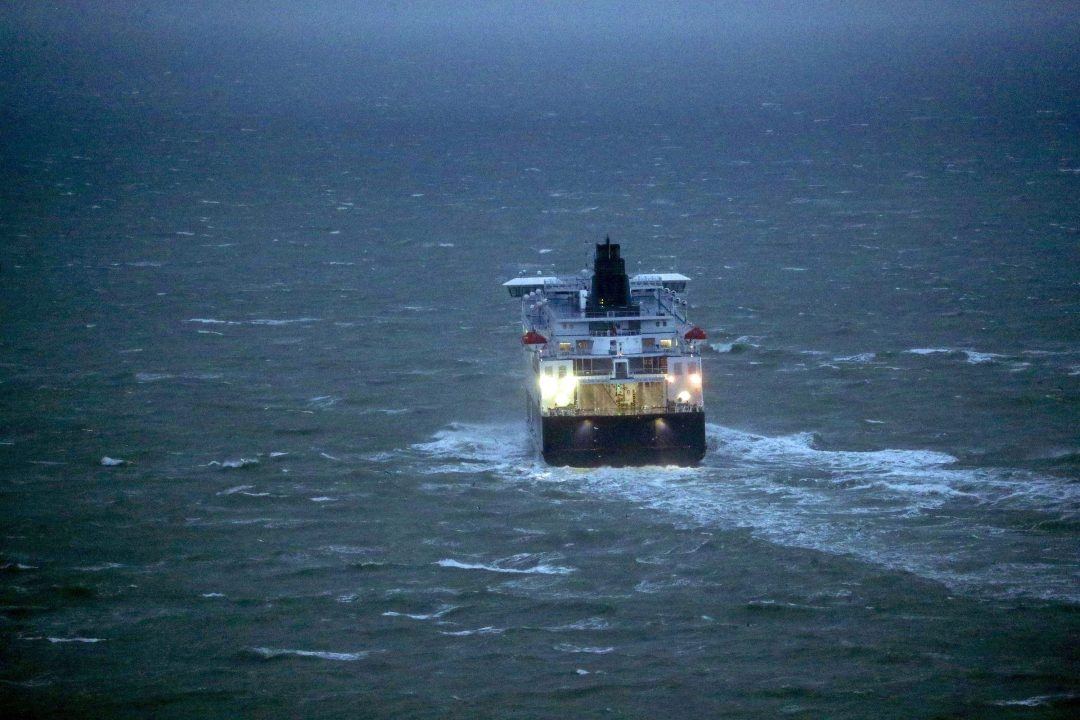
A direct ferry service between Scotland and Europe has moved a step closer after the UK Government committed £3m in funding.
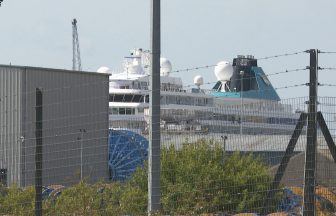
The investment will support the upgrade of Border Force and Customs infrastructure at Rosyth ahead of a proposed new route between the Fife town and Dunkirk in northern France.
Following the withdrawal of the freight-only Rosyth to Zeebrugge service in April 2018, there have been no direct roll-on/roll-off ferry services from Scotland to the continent.
Chancellor Rachel Reeves said: “My plan to build a stronger and more secure economy is the right one – cutting the cost of living, cutting the national debt and creating the conditions for growth.
“Backing Rosyth with this £3m investment would be a major boost to Scotland’s infrastructure and tourism, and would make the area a more attractive place to live, work and start a business in the years to come.”
Scottish secretary Douglas Alexander is scheduled to meet senior figures from Forth Ports, international ferry operator DFDS, and the operators of the Port of Dunkirk on Thursday morning.
The UK Government’s £3m funding is subject to the conclusion of a commercial agreement between Forth Ports and a ferry operator, as well as approval of their business case.
Alexander said: “With the UK Government delivering £3m in investment, this new direct ferry service would connect Scotland to Europe’s doorstep.
“The UK Government is backing Scottish businesses to grow, export and compete on the world stage. It would boost tourism, open up new markets for Scottish businesses, create jobs, take freight off our roads and grow Scotland’s economy.
“This is a big step forward and I hope we will soon see the first ferry set sail. This is a major vote of confidence in Scotland’s, and the UK’s, economic future.”
Last year, agriculture and connectivity minister Jim Fairlie instructed officials to draw up a consultation on legislation to enable the reintroduction of a ferry route between Rosyth and Dunkirk.
The Scottish Government said the change would increase access to the EU market for Scottish firms.
Food and agricultural products must undergo biosecurity checks at a Border Control Post (BCP) before entering Scotland from the European Union, and vice versa.
The existing port at Rosyth is not able to facilitate border checks but these are already in place just over 20 miles away at Grangemouth.
The proposed legislation would allow products arriving from the EU to be docked at Rosyth and then checked at the BCP in Grangemouth.
Mathieu Girardin, executive vice president and head of DFDS’s Ferry Division, said: “We are pleased to see the UK Government’s commitment to strengthening port infrastructure in Rosyth.
“This is an important step in bringing a new route between Scotland and mainland Europe closer to reality. While a few elements still need to be addressed, we see strong potential in the route and look forward to continuing our discussions with all partners involved to move the project forward.”
Stuart Wallace, chief executive officer of Forth Ports, added: “Forth Ports welcomes this step from the UK Government to support the growth of the maritime freight and passenger sector in Scotland.
“A ferry service from Rosyth to mainland Europe is a key part of the Forth Green Freeport and this funding helps create the market conditions needed to see the ferry take a step closer to reality.”
The EU is a key market for Scottish businesses, accounting for nearly half (45%) of exports. The UK Government says the new link would help drive economic growth in Scotland by strengthening logistical competitiveness, export capability and tourism opportunities.
Daniel Deschodt, executive vice president of the Port of Dunkirk, said: “The establishment of a direct maritime link between the ports of Rosyth and Dunkirk is a significant strategic asset.
“This new freight and passenger ferry service will enhance connectivity between the two countries, facilitating smoother trade flows and serving as a powerful catalyst for economic growth.
“It will stimulate port activity, boost local employment, and strengthen the logistics, competitiveness, and tourism of both regions within Europe.”
Follow STV News on WhatsApp
Scan the QR code on your mobile device for all the latest news from around the country