 PA Media
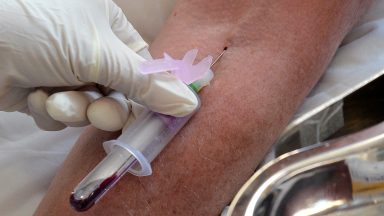
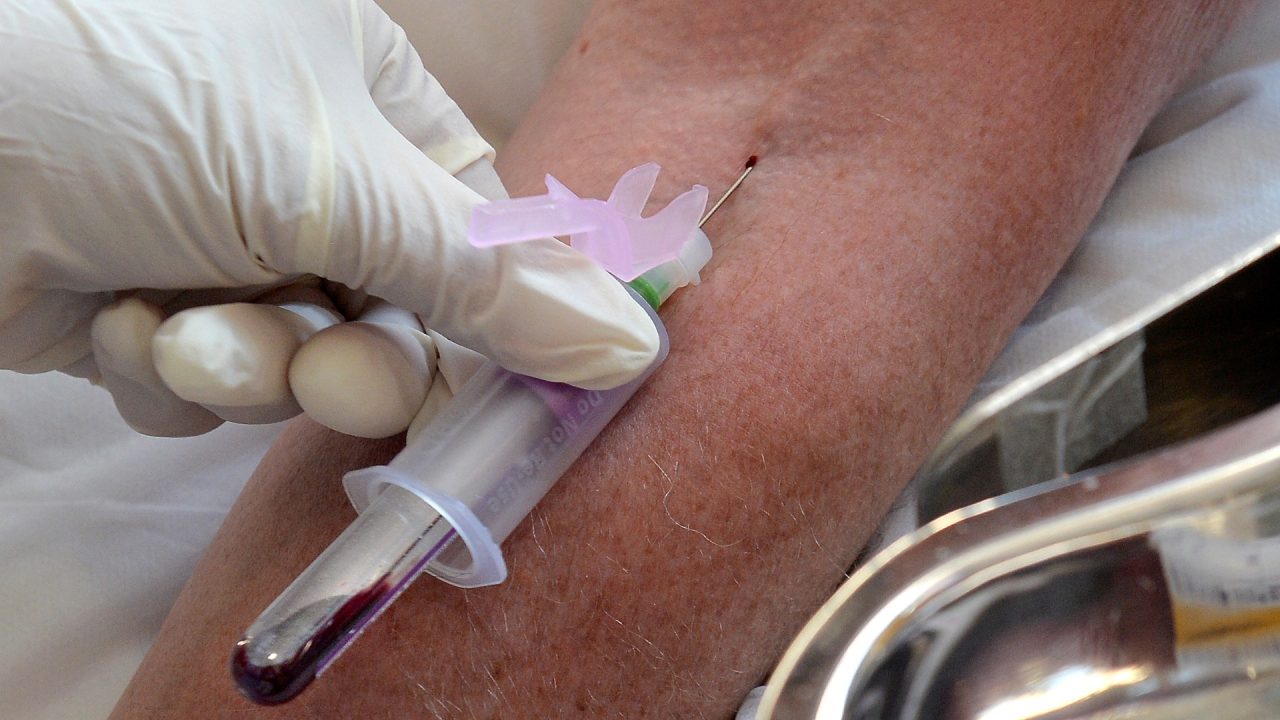
A new blood test has identified likely sepsis pathogens in a real-life patient days before conventional methods caught the infection.
Sepsis is a life-threatening response to infection that can lead to shock, multiple organ failure and death if it is not recognised early and managed promptly.
Researchers in Edinburgh and Germany are developing a new approach that could dramatically speed up the identification of the condition and give doctors more time to make treatment decisions.
The UK Sepsis Trust estimates that it affects around 245,000 people in the UK each year and contributes to approximately 48,000 deaths – equivalent to five deaths every hour.
One of the major challenges in treating sepsis is identifying the pathogen responsible for an infection quickly enough to support timely treatment.
Current diagnostic techniques can take between two and seven days to identify sepsis, and may fail to identify a pathogen at all in more than 60% of suspected cases.
However, the blood-based DNA sequencing test developed by Heriot-Watt University took approximately six hours and identified two likely infection-causing pathogens in a patient being treated for sepsis several days before they were confirmed using conventional diagnostic methods.
The new test works by detecting fragments of microbial DNA circulating in a patient’s blood, rather than waiting for bacteria or other organisms to grow in a laboratory culture.
Although the result did not guide treatment in this case, researchers have said the findings highlight the potential for this type of technology to support faster sepsis identification.
“The fast identification of pathogens remains one of the most complex challenges facing healthcare systems around the world,” Professor Maïwenn Kersaudy-Kerhoas, the co-academic lead of Heriot-Watt University’s Global Research Institute in Health and Care Technologies, said.
“Our iSEP-SEQ approach can accelerate the identification of any pathogen in circulation in the patient and has the potential to make a meaningful difference by enabling better patient management and correct therapeutics.”
The GeSIC research project has brought together Professor Kersaudy-Kerhoas’s team from Heriot-Watt University’s School of Engineering and Physical Sciences and a clinical team at the University Medical Centre Mainz, with the University of Mainz acting as the university partner.
Further development of the technology will be supported by a 300,000-euro funding award from the Ministry of Science and Health of Rhineland-Palatinate, Germany.
Professor Kersaudy-Kerhoas said the grant will give researchers the opportunity to take the project into the next stage, allowing the team to build on their foundation and accelerate clinical validation for patients.
“Scotland is recognised internationally for its success in combining public awareness with co-ordinated healthcare strategies to improve outcomes for patients with sepsis,” Clemens Hoch, the German minister for science, further education and health said.
“Early and accurate diagnosis is essential to ensuring timely, targeted treatment and improving survival.”
He continued: “By bringing together Scotland’s expertise in sepsis care and innovative genomic technologies developed through our research collaboration, we hope to generate robust evidence that can inform clinical practice, strengthen treatment guidelines and deliver lasting benefits for patients in Rheinland-Pfalz and Scotland.”
Follow STV News on WhatsApp
Scan the QR code on your mobile device for all the latest news from around the country