A breakthrough in cardiology in Fife could prove a game‑changer for people living with pacemakers.
Teams based at the Victoria Hospital in Kirkcaldy are now carrying out an advanced pacing technique which doctors say is helping hearts beat more naturally and delivering better long‑term outcomes for patients.
Pacemaker surgery has become far simpler in recent decades, with recovery times dramatically reduced.
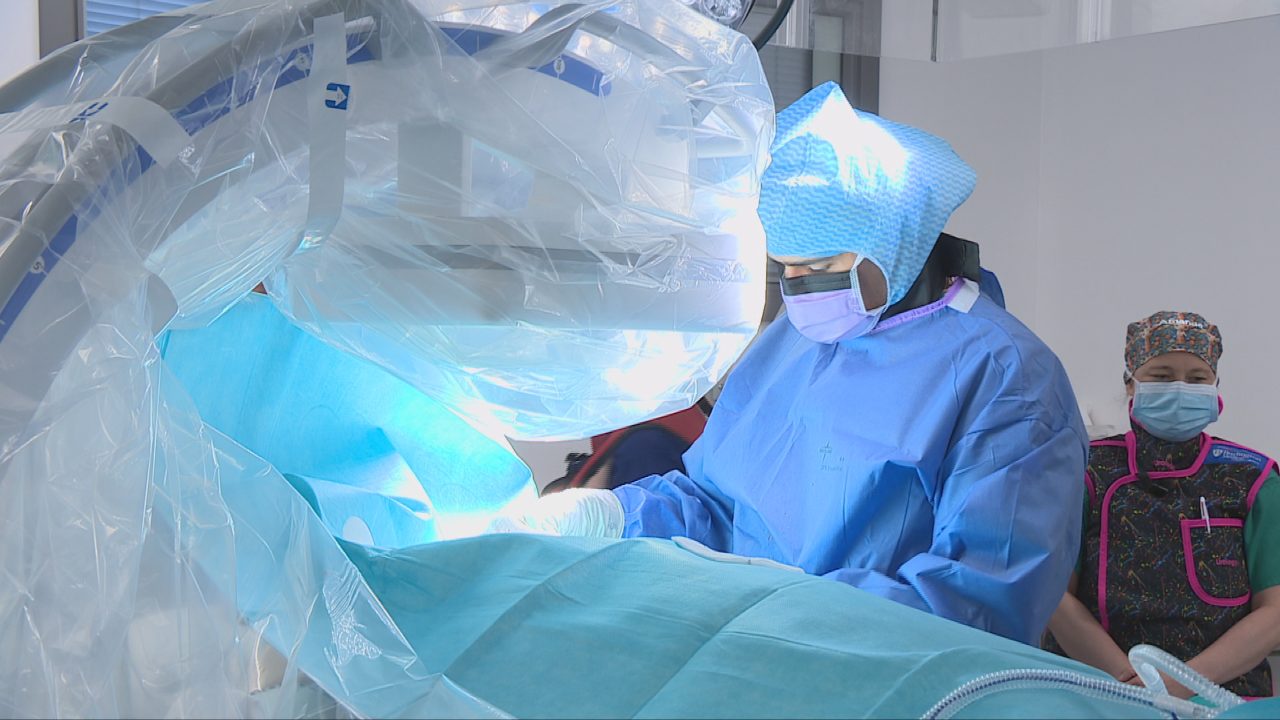
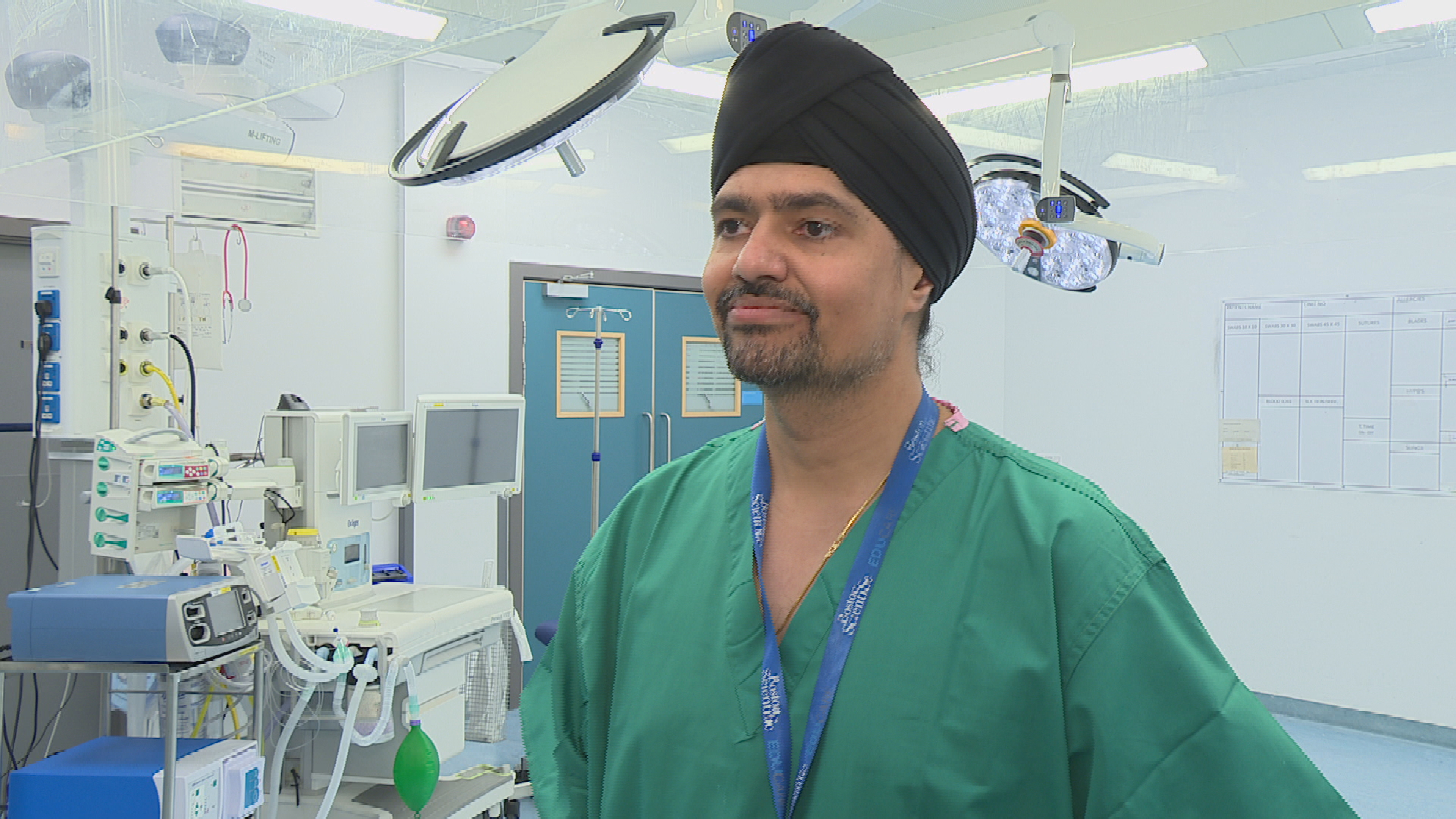
Consultant cardiologist Dr Jagdeep Singh carries out advanced pacemaker procedures at the hospital.
Years ago, this would have been a lengthy procedure, often followed by days or even weeks of recovery in hospital.
But as medicine and technology have evolved, the operation is now considered minor and is almost always carried out under local anaesthetic.
Approximately 50,000 people are fitted with a new pacemaker in the UK each year, with over half a million people currently living with one.
 STV News
Traditional pacemakers, including newer devices, are designed to stop the heart beating too slowly.
What has changed is where and how the heart is stimulated.
“Traditional pacemakers increase heart rate, but they do it in a way that isn’t entirely natural,” Dr Singh explained.
“Over time, around one in four or five people can develop weakening of the heart muscle because of the way older pacemakers stimulate the heart.”
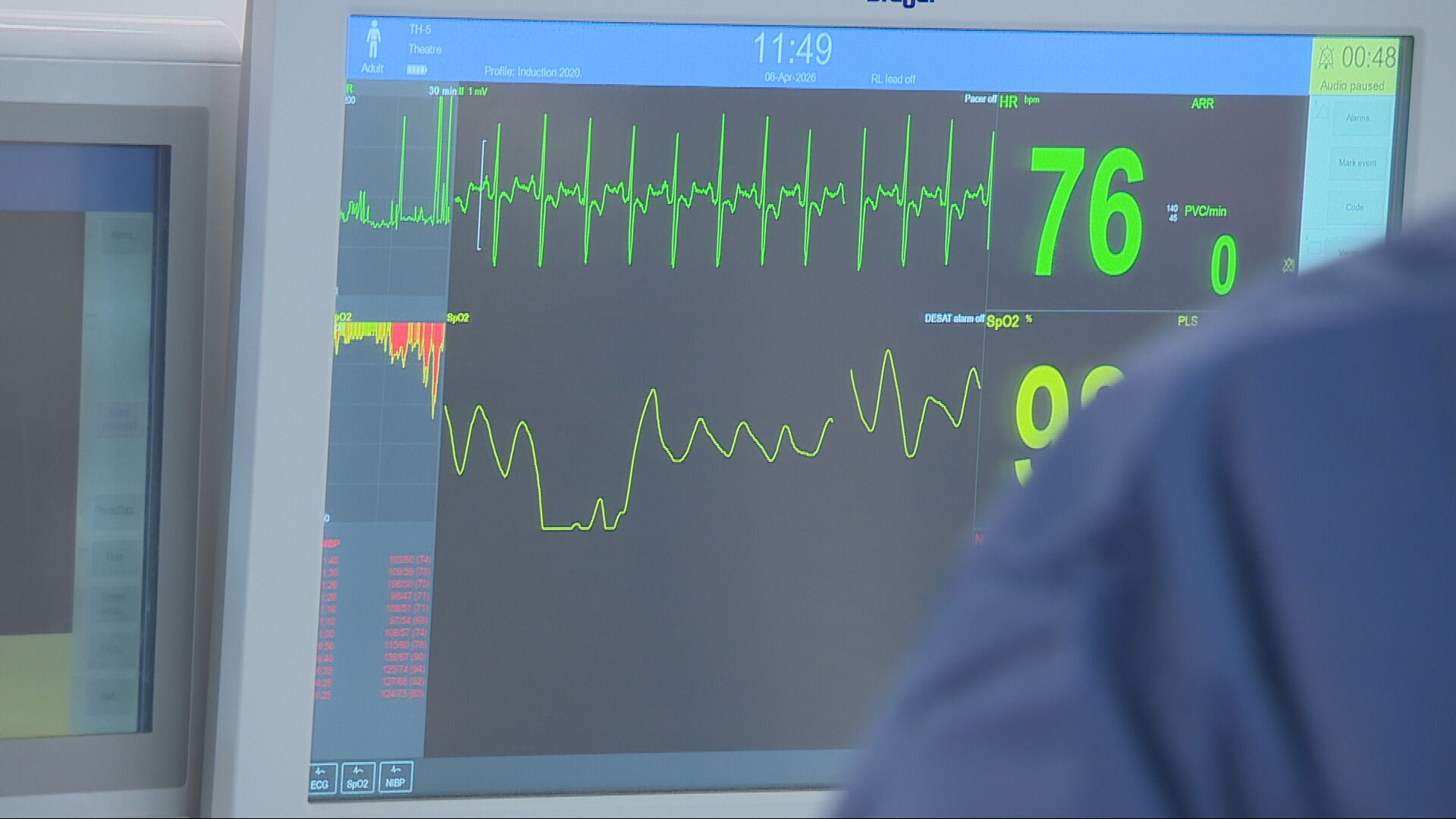
Instead of pacing the heart muscle directly, doctors now aim to stimulate the heart’s own electrical conduction system.
The pacemaker lead is placed deep into the centre of the heart, targeting an area called the left bundle branch, part of the heart’s natural wiring system that controls how electrical signals spread.
 STV News
When this area is stimulated, the heart contracts in a much more natural, coordinated way.
“By targeting the heart’s natural nerve network, we can make it beat in a much more physiological way,” Dr Singh said.
He described the technique as “transformational”.
“The innovation isn’t the technology itself – it’s the technique,” he said.
“It can be technically challenging to get there, but when you do, the benefits for patients are immediate.”
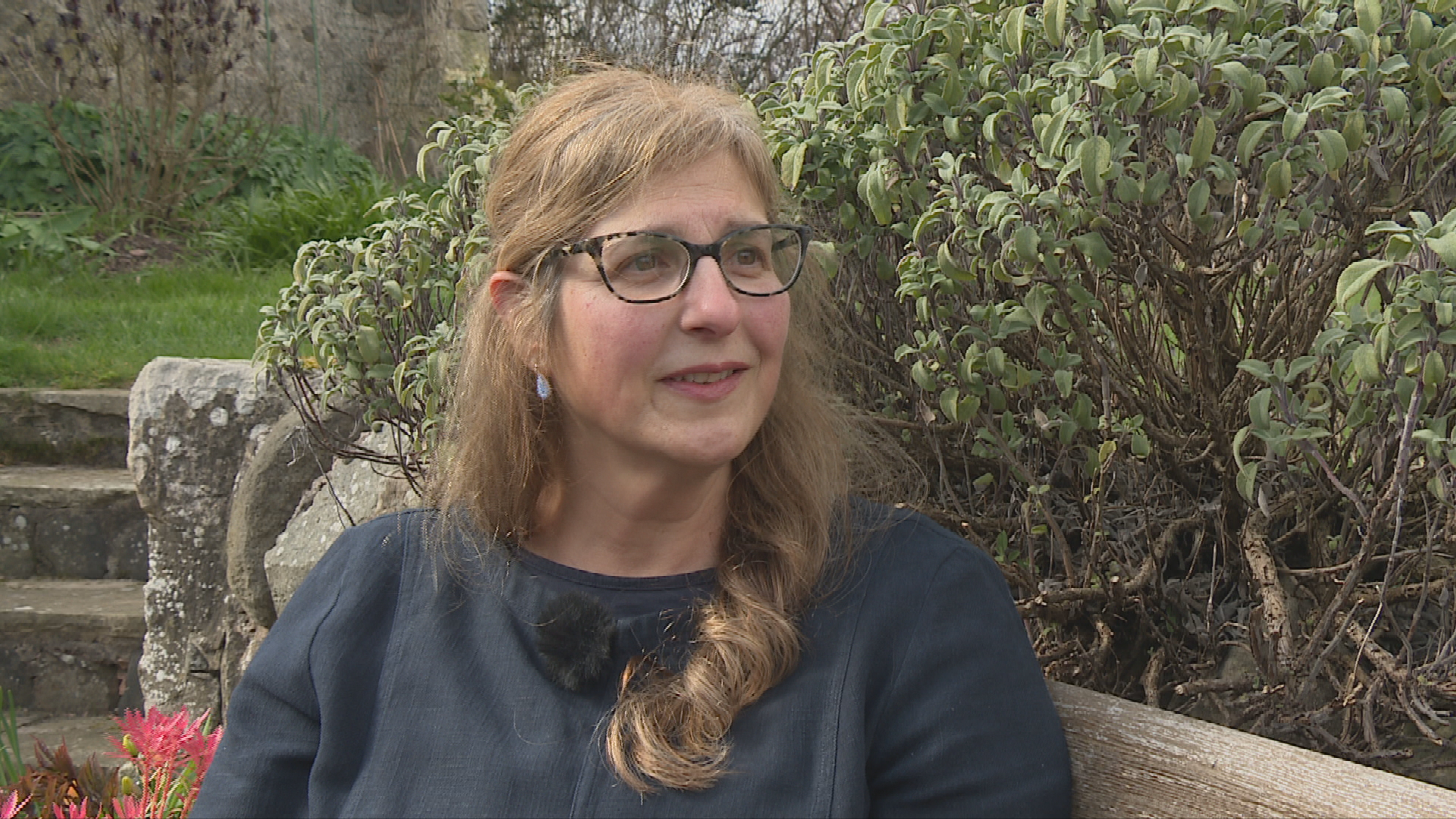
Natalie Young knows better than most how far pacemaker technology has come.
The 57‑year‑old headteacher from Fife was born in Bermuda with a congenital heart block, a condition where the heart beats too slowly to sustain life.
At just a month old, she was fitted with an external pacemaker, which her mother had to carry like a “portable radio”. An internal, adult‑sized device was implanted when she was just three months old.
 STV News
But over the following decades, Natalie endured repeated procedures.
“As far as I know, I was one of the first children to go through this entire process,” she said.
“I’d recover, go back to school, and do what other children did – then the next pacemaker would come.
When the battery reached the end of its life, you needed a replacement. That was just my life.”
The problem was that while each device kept her heart beating fast enough to survive, none allowed it to beat as it was designed to.
Eventually, the unnatural pacing began to take its toll and her heart started to fail.
By the time Natalie reached Dr Singh’s operating table in Fife, the veins on the left side of her chest were completely blocked, those on the right narrowed.
Dr Singh implanted a left bundle branch area pacemaker lead, positioning it just beneath the leadless pacemaker already keeping her alive.
Then, he switched off the old device and allowed the new one to take over.
He said: “For the first time in 57 years, her heart was beating normally again, just like it did in the first few days of her life.”
Natalie says she can already feel the difference.
“I’m still healing, but I know I’m feeling better,” she said. “It felt unbelievable. Such an advancement in technology – and now, again, I can feel the benefit.”
 STV News
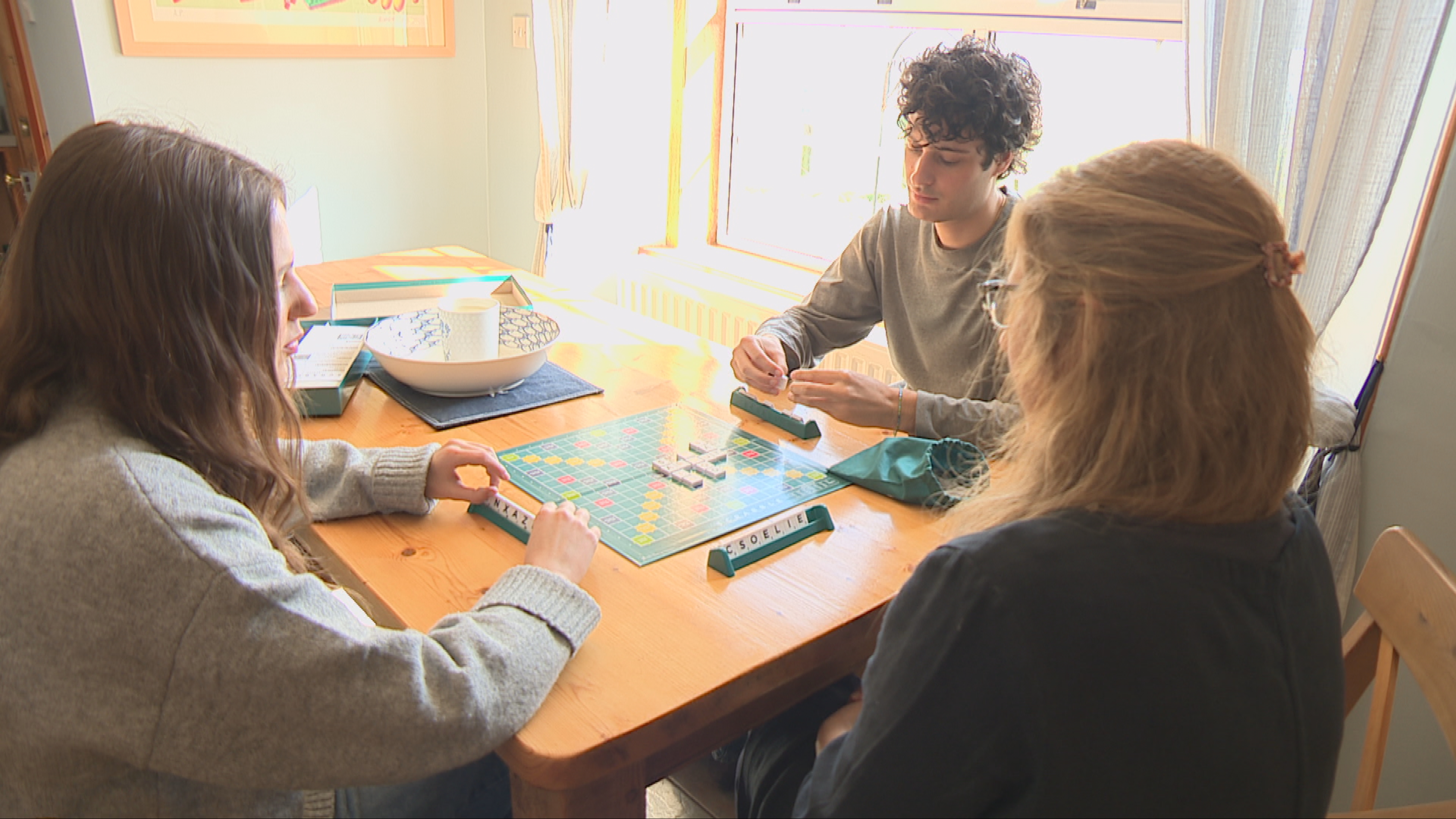
Recovering at home, she says having her children back from university over Easter has helped as has knowing this level of care is available close by.
“There are teams in Glasgow and Edinburgh – but there’s also this amazing team just along the road at the Victoria Hospital.
“People don’t always realise what they have. “We’re really lucky here. This level of care on our doorstep is marvellous.”
Dr Singh says moments like this are why he does the job.
“My patients tell me how much this has changed their lives,” he said. “This means local people can access a life‑changing procedure on their own doorstep.
“You don’t need to be in a big teaching hospital to innovate. Location doesn’t matter – people do.
“We’ve shown you can deliver a world‑class service right here in Fife.”
Follow STV News on WhatsApp
Scan the QR code on your mobile device for all the latest news from around the country