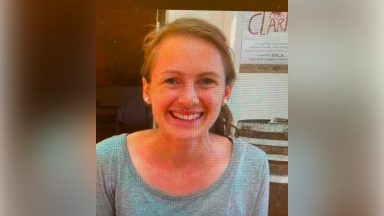
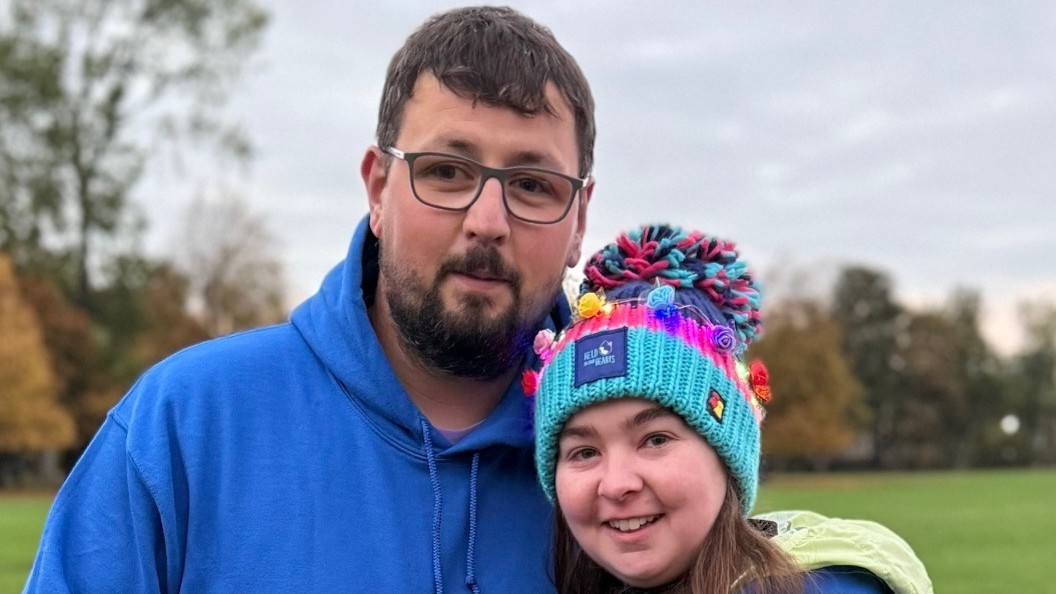
A couple from Fife who lost their donor‑egg‑conceived baby at birth are leading a new NHS campaign to encourage more people to become egg donors.
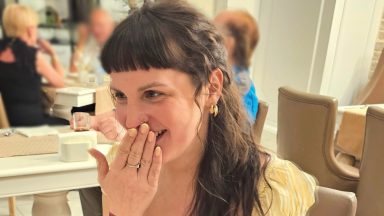
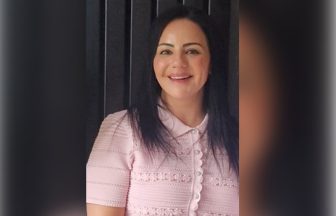
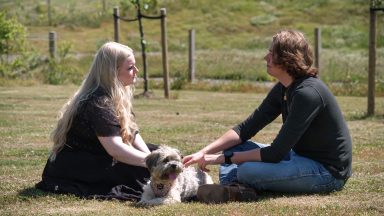
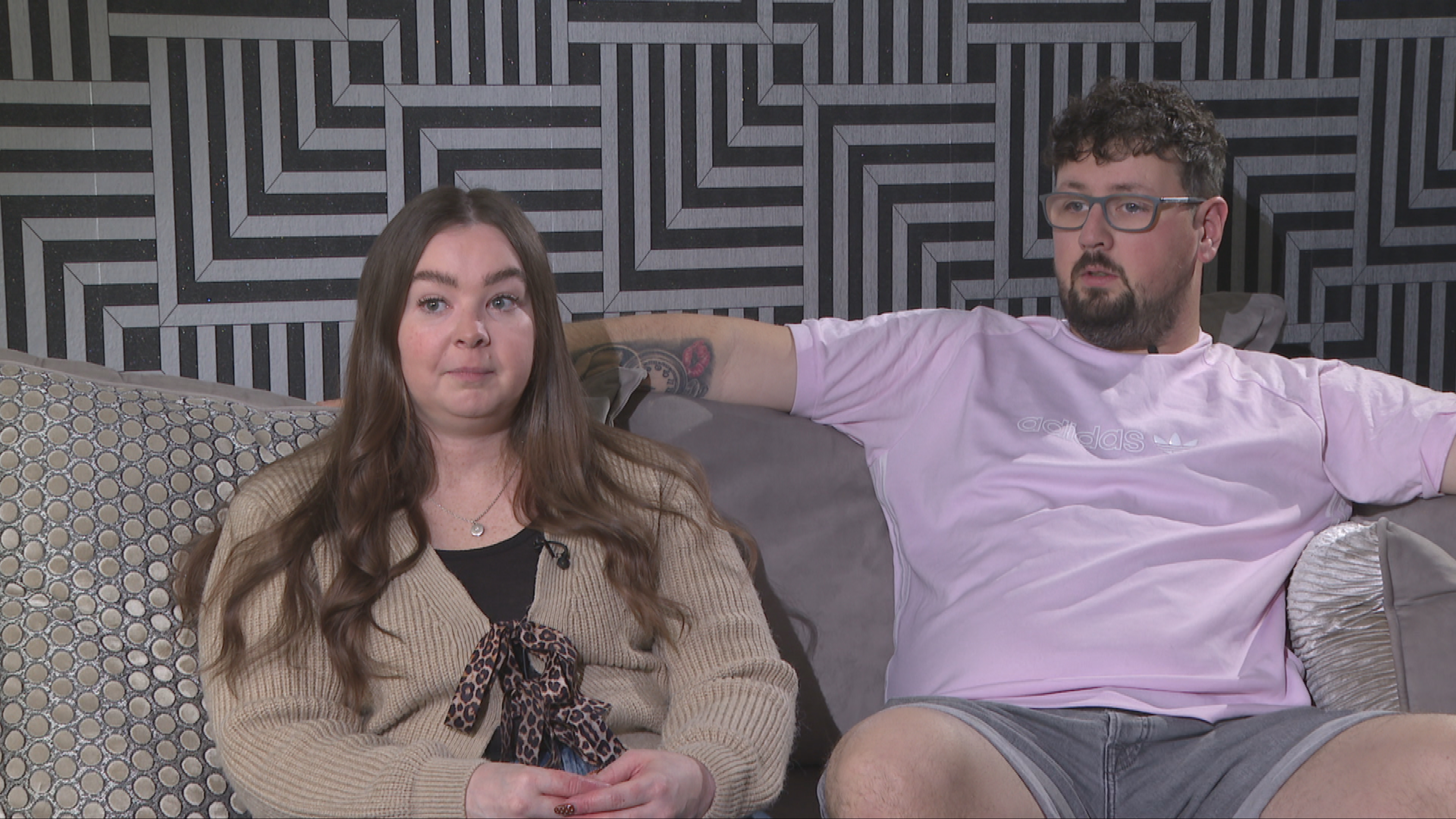
Natasha and Callum Ferguson, from Rosyth, said they waited ten years to find a donor after Natasha was diagnosed with primary ovarian insufficiency (POI) and subsequently referred to Ninewells Assisted Conception Unit in Dundee.
A decade ago – at the age of 23 – she was told she had “no eggs left”.
“I had been on medication for my skin and wasn’t allowed to try to conceive while on it. Once we were married, I came off the medication, and we started trying.
“But it was too late – I did not have any eggs left. I was diagnosed with POI and referred to Ninewells ACU.”
More than 200 people in Scotland currently need an egg or sperm donor. In Tayside alone, there are around 50 couples on the waiting list.
 STV News
The ACU at Ninewells Hospital opened in 1983 and was the first place in Scotland to offer IVF to couples struggling to conceive.
It was also the first unit in Scotland to offer NHS‑funded IVF treatment and treats people from Tayside, Fife, Forth Valley and the Western Isles.
Natasha, now 33, and husband Callum, 34, joined the donor‑egg waiting list, where progress was made steadily until eventually stalling in 2020 due to the pandemic.
“Covid really impacted us; we spent a year not moving from third on the list.”
The couple later received the news they had been hoping for and were informed that a donor had been found.
“We got an egg donor, did a pregnancy test, and it was positive. We then phoned the unit and were so excited.
“We got a six‑week scan, and everything was good. We were on holiday, so we got a private scan at 11 weeks.
“When we got back, we had a scan at 13 weeks on the NHS. There were concerns at that time that she was not emptying her bladder properly and that she might need an operation when she was born.”
 STV News
A further scan suggested the baby may not have developed kidneys. The couple said they discussed termination, but both decided to continue.
“At 16 weeks, we just knew things were totally different. Someone was being trained in scanning, and they were moved aside while staff checked again and decided it didn’t look as though she had developed kidneys.
“We were advised at that time to terminate the pregnancy. But we said, ‘The little one isn’t giving up, so neither are we.’
“We got weekly scans, and at 19 weeks, it was confirmed she definitely didn’t have any kidneys and wasn’t expelling fluid. They said there was nothing that could be done, and they planned for the delivery.”
After being induced, Natasha gave birth to their baby girl, Maeve, five days later, when her condition was confirmed. She passed away shortly after birth.
“I was induced, and Maeve was born alive five days later. We got a birth certificate and a death certificate, which helped us a lot – it felt like she was a real person.
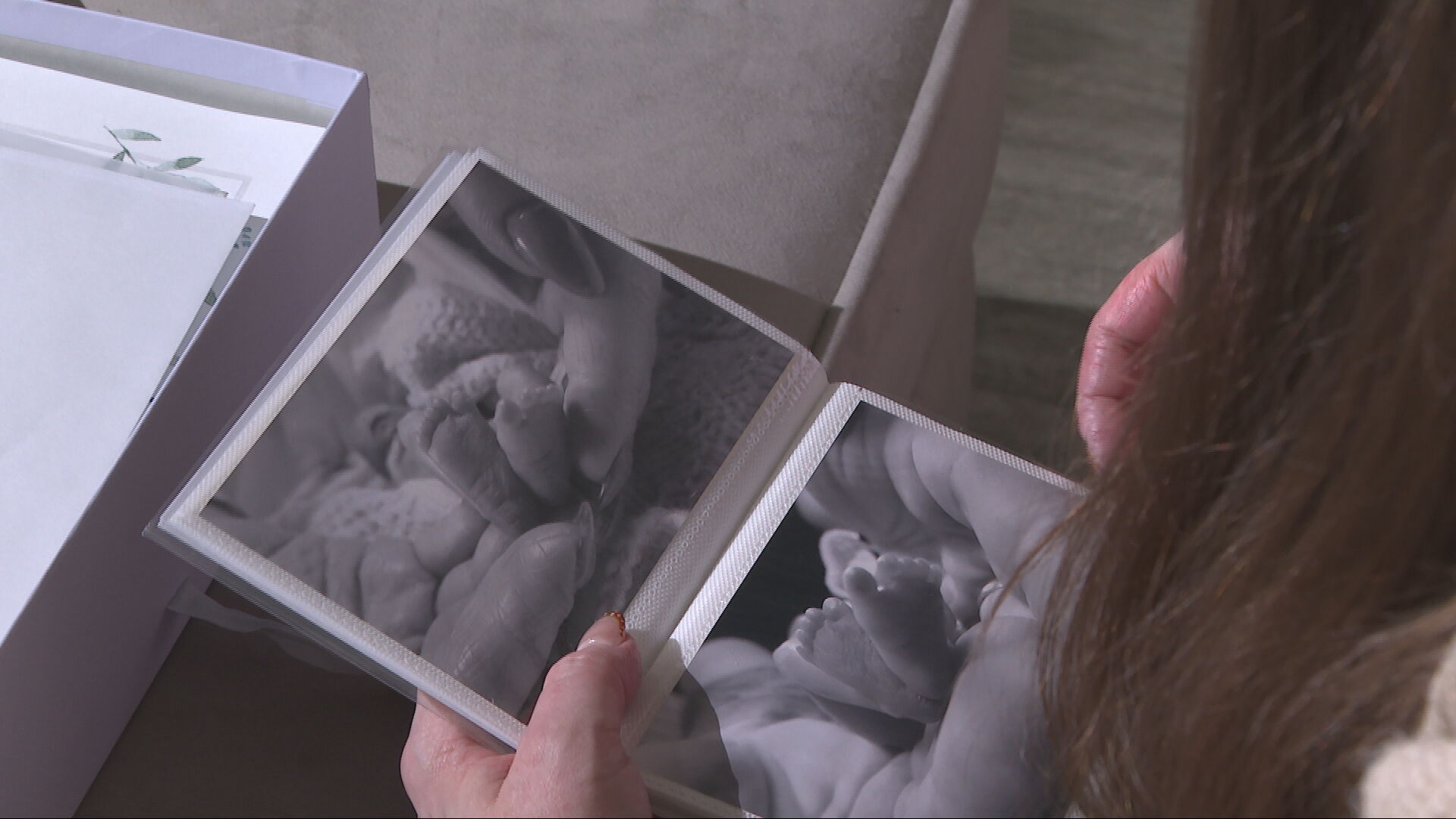
“We held a funeral and got two days to spend with her, when we received lovely mementoes like hand and footprints, digital photographs, printed photo albums and a baby box.
“The unit at Kirkcaldy was fantastic, and the bereavement nurse still checks in on us.”
 STV News
The couple had two remaining embryos from the treatment, which failed to take, and later returned to the waiting list, where they remain today.
Natasha said she and Callum are eager to tell their story to help boost donor numbers for the NHS Tayside campaign.
“We’ve spent the last five or six years on a waiting list. We’re desperate for the call. We just want a donor and will do anything to raise awareness. People always say they didn’t know there was a shortage or that they could be a donor.
“To any potential donors, thank you for even looking into it. It’s not easy, but it’s a hugely selfless act that can help a couple become a family.
“You’re not just giving a couple a child – you’re giving someone a grandchild, someone a cousin. There are so many people an amazing gift like this can impact.”
Watch
‘It’s a truly altruistic gift’: NHS Tayside calls for more sperm and egg donors
After Maeve’s birth, the couple found out that their egg donor was an NHS worker who had used donor conception herself and wanted to give back.
“We would love her to know that the donation was successful – it’s just that Maeve was really poorly.
“We still have Maeve’s pram on order; we just keep putting it back.
“We just want a little person to go into it now. We want a sibling for Maeve. We’re not ready to give up on finding an egg donor yet.”
For Natasha and Callum, the wait continues.
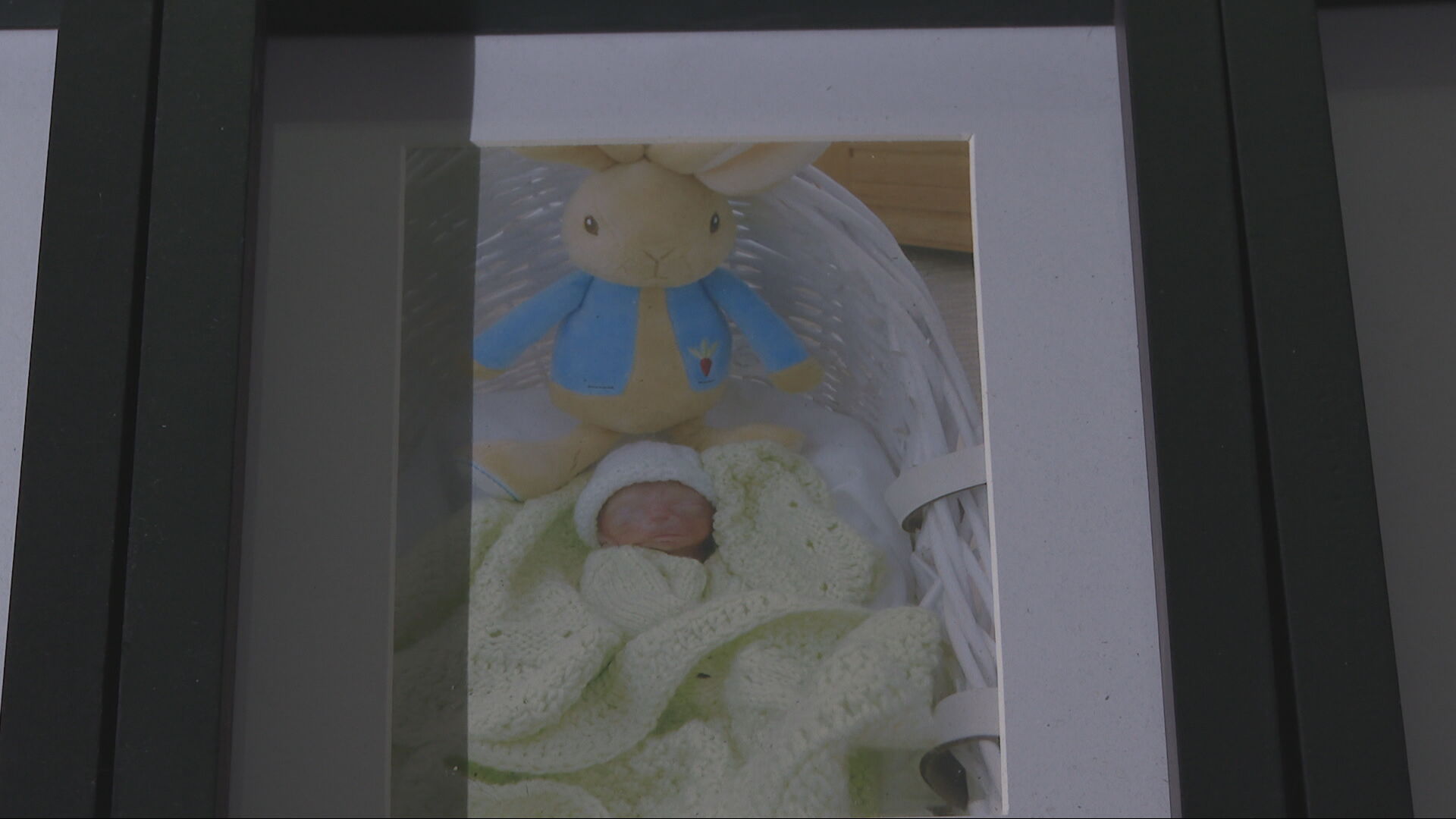 STV News
“Our life is still on hold. Even if we got a donor tomorrow, it would still be a long time before any transfer could happen. That makes it really hard.”
Natasha said the lack of control has been one of the most difficult aspects.
“When you’re on a waiting list, it’s like being stuck on a loading screen. Your whole life is paused. When we finally got news before, it felt like we were moving forward again – and now we’re back waiting.”
She believes many people don’t realise just how far the impact of donation reaches.
“It’s a big ask,” she said. “But you’re not just giving people like us the chance to be parents – you’re giving people the chance to be grandparents, aunties, uncles and cousins. It reaches so much further than just one family.”
Sara Beveridge, senior clinical nurse specialist for Fertility Preservation and Donor Co‑ordinator at Ninewells Assisted Reproduction Unit, said demand continues to outstrip supply.
“The reason we have waiting times for people having treatment using donors is because there just aren’t enough donors available.
“Of the people who contact us saying they’re interested, very few actually get back to us once they know what’s involved.
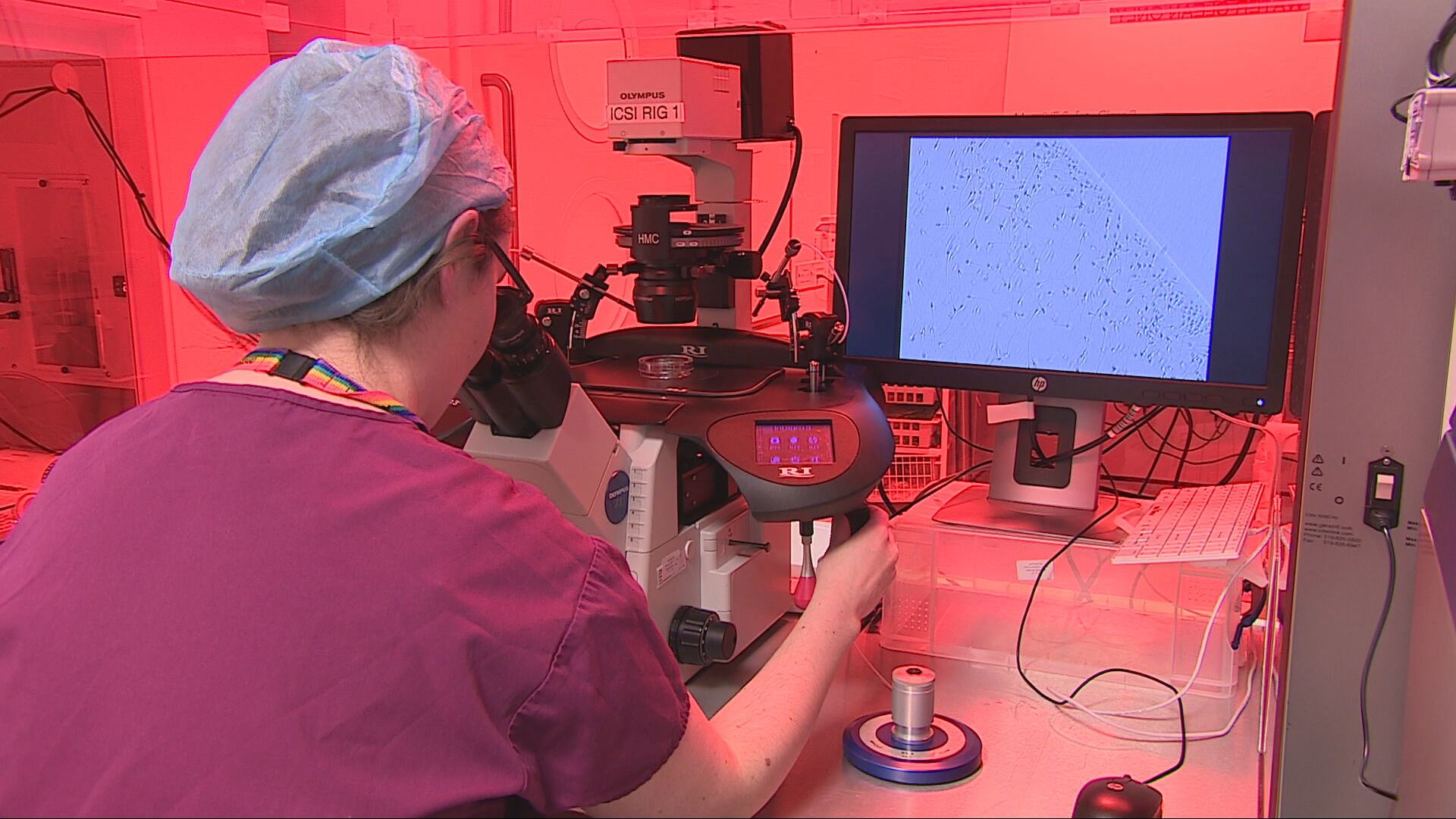
“To be an egg donor, you essentially have to go through a full cycle of IVF. It’s daily injections, multiple appointments and an egg collection under sedation – it’s a lot to put yourself through.
“Even sperm donors have to attend multiple appointments for screening blood tests.”
She said helping someone get the chance to have their own baby is about offering hope.
“It’s giving somebody the opportunity. Not everybody who has treatment with donated eggs or sperm will achieve a pregnancy, but the fact that there is an opportunity to try is such an incredible gift.”
Anyone interested in finding out more about becoming an egg or sperm donor can visit www.acudundee.org or email TAY.acudonor@nhs.scot.
Follow STV News on WhatsApp
Scan the QR code on your mobile device for all the latest news from around the country