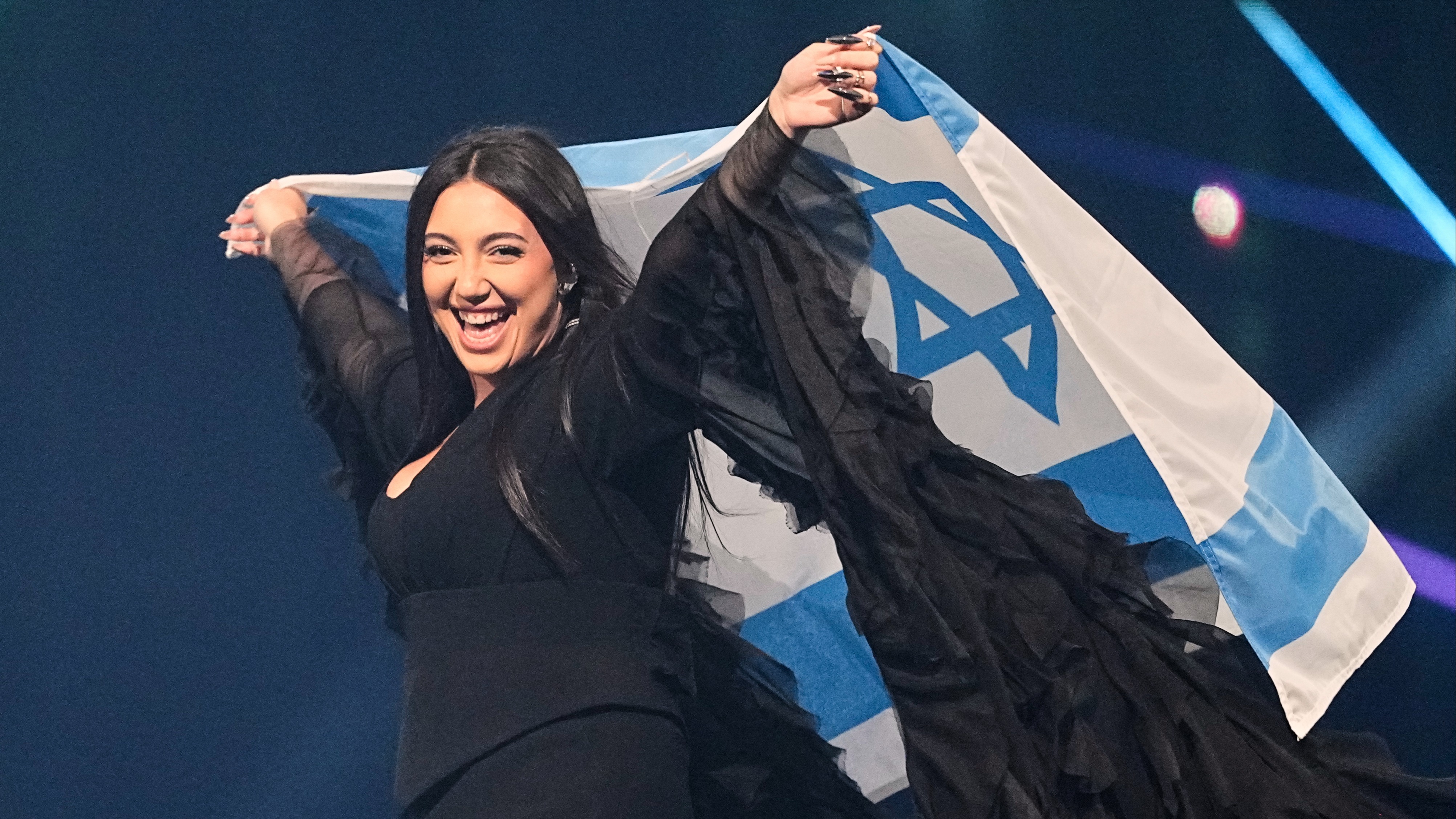
Several countries have pulled out of next year’s Eurovision Song Contest after Israel was given the go-ahead to compete.
Spain, the Netherlands, and Ireland’s national broadcasters have all confirmed they will not compete in 2026’s competition, with Dutch broadcaster AVROTROS saying Israel’s participation “is no longer compatible with the responsibility we bear as a public broadcaster.”
Organisers of the Eurovision Song Contest met at the Geneva headquarters of the European Broadcasting Union (EBU) on Thursday to discuss new rules, unveiled last month, to limit governments and third parties from disproportionately influencing voting after Israel finished in second place last year.
The EBU said that if members could not agree on the new safeguards put in place, a vote on Israel’s participation may be held. An absolute majority would be required for Israel to be excluded.
It is understood that a vote was not held, leaving Israel clear to compete in 2026’s contest.
Israel’s inclusion in the contest has caused controversy among some viewers and competing countries, who had called for its exclusion over the military offensive being conducted in Gaza.
Several countries had already stated their intention to withdraw from the contest should Israel be allowed to compete, with others threatening to withdraw if they weren’t allowed to compete instead.
In a statement confirming their withdrawal, Ireland’s national broadcaster RTE said Ireland’s participation would be “unconscionable given the appalling loss of lives in Gaza.”
It said: “RTE will not participate in the 2026 Eurovision Song Contest, nor will RTE broadcast the competition.
“RTE feels that Ireland’s participation remains unconscionable given the appalling loss of lives in Gaza and the humanitarian crisis there which continues to put the lives of so many civilians at risk.
“RTE remains deeply concerned by the targeted killing of journalists in Gaza during the conflict and the continued denial of access to international journalists to the territory.”

Spain’s national broadcaster RTVE confirmed its withdrawal, saying: “We would like to express our serious doubts about the participation of Israeli broadcaster KAN in Eurovision 2026.”
Confirming Israel’s participation in next year’s event, the EBU said: “A large majority of Members agreed that there was no need for a further vote on participation and that the Eurovision Song Contest 2026 should proceed as planned, with the additional safeguards in place.
“Ahead of the vote, there was a wide-ranging discussion where Members expressed a variety of views on participation in the Eurovision Song Contest.
“Many Members also took the opportunity to stress the importance of protecting the independence of public service media and the freedom of the press to report, not least in conflict zones such as Gaza.”
Speaking after the discussion, EBU President Delphine Ernotte Cunci said: “The result of this vote demonstrates our Members’ shared commitment to protecting transparency and trust in the Eurovision Song Contest, the world’s largest live music event.
“I would like to thank all Members for their thoughtful, respectful and constructive contributions during today’s session and throughout the extensive consultation process undertaken this year.
“These discussions have led to meaningful changes to the rules of the Eurovision Song Contest, ensuring it remains a place for unity and cultural exchange.”
Following the vote, broadcasters will now be asked to confirm their participation in the 2026 contest.
The full list of participants for the 70th-anniversary edition of the competition will be announced before Christmas.
Follow STV News on WhatsApp
Scan the QR code on your mobile device for all the latest news from around the country