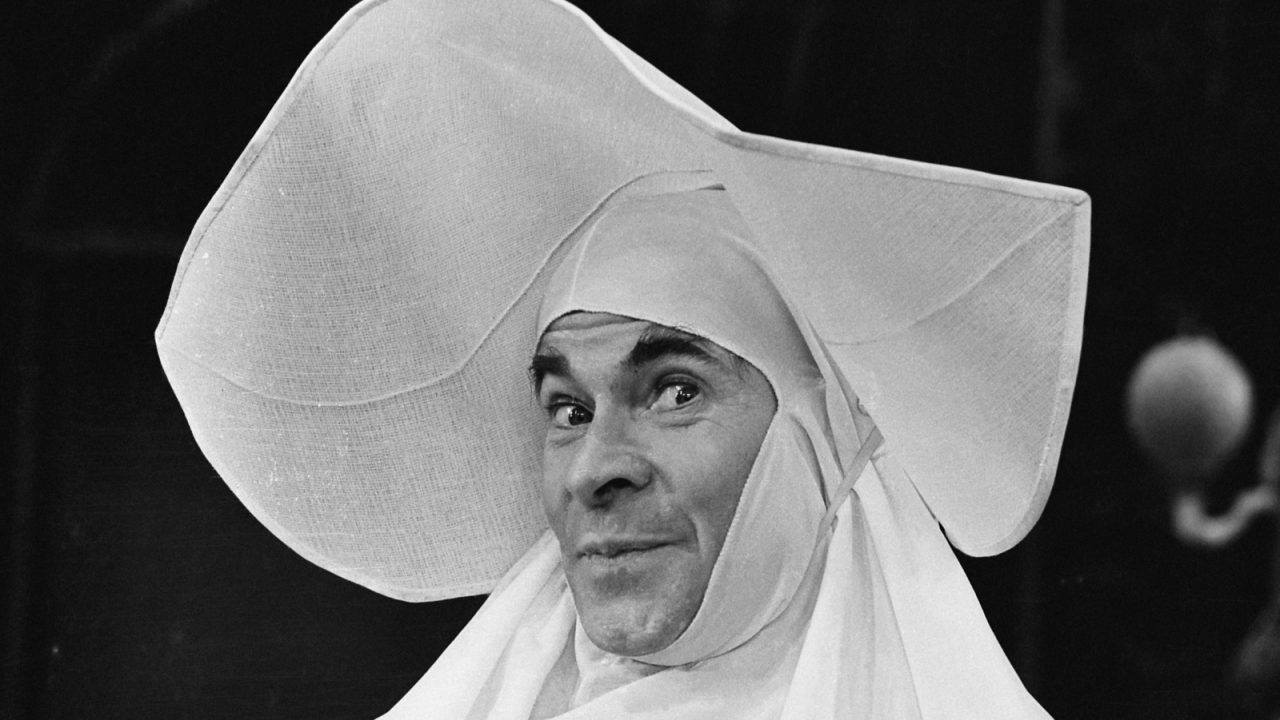
In the era of lavish entertainment productions on television, Stanley Baxter was the undoubted king.
The Glaswegian’s shows were not big in scale. They were off the scale. No expense was spared on programmes that were events in themselves and most certainly had to be filed under “must see”.
In the 1960s, 70s and 80s he was one of the biggest stars on British television. It was back in the day when the term “star” denoted a personality of real talent and near universal recognition.
It was far removed from the celebrity culture of today, when a walk-on part in the interminably tedious reality shows is enough to confer celebrity.
 Getty Images
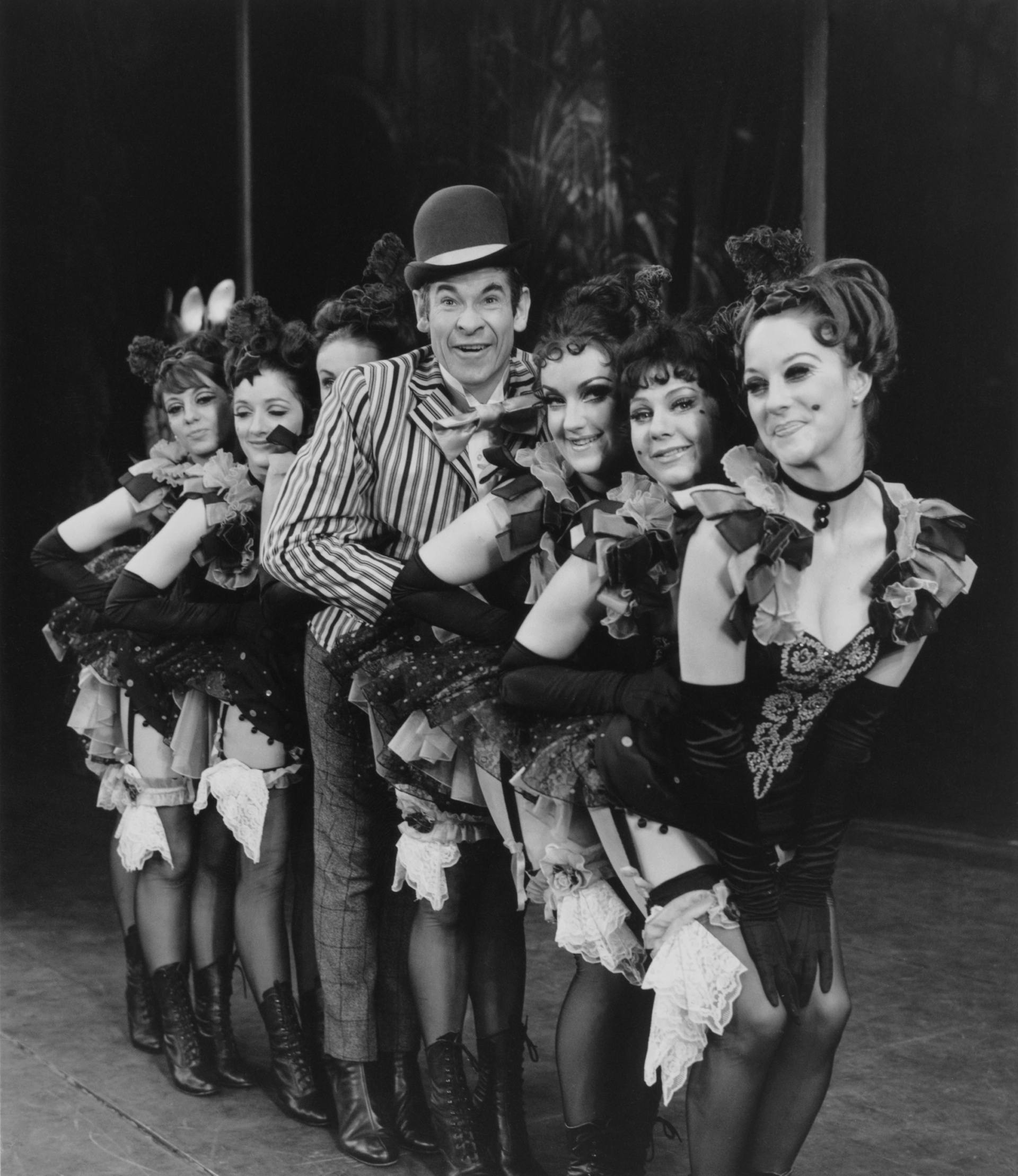
Stanley Baxter was born in 1926 and lived in the West End of Glasgow where he was educated at Hillhead High School. His mother was always keen that he follow an artistic career and she found encouragement in this ambition when the young Baxter starred in BBCs Children’s Hour.
During the war, Baxter was part of the now celebrated Combined Services Entertainment (CSE), whose job it was to bring a bit of light relief to homesick troops weary and scarred by war.
It was during the CSE period that he met and developed a lifelong friendship with that brilliantly camp and brutally tortured soul, the late Kenneth Williams.
Williams, latterly the staple of the TV chat show, told the story of Baxter trying to excuse himself from pallbearing duties at a funeral, telling the commanding officer ‘Sorry Sir, Church of Scotland’.
After the war he spent time at the Citizens Theatre and played a lead role in the first ever programme broadcast on STV. “This is Scotland” was fronted by the commanding presence of James Robertson Justice and Baxter played in a sketch alongside the impresario and latter colossus of Scottish variety, Jimmy Logan.
 Getty Images
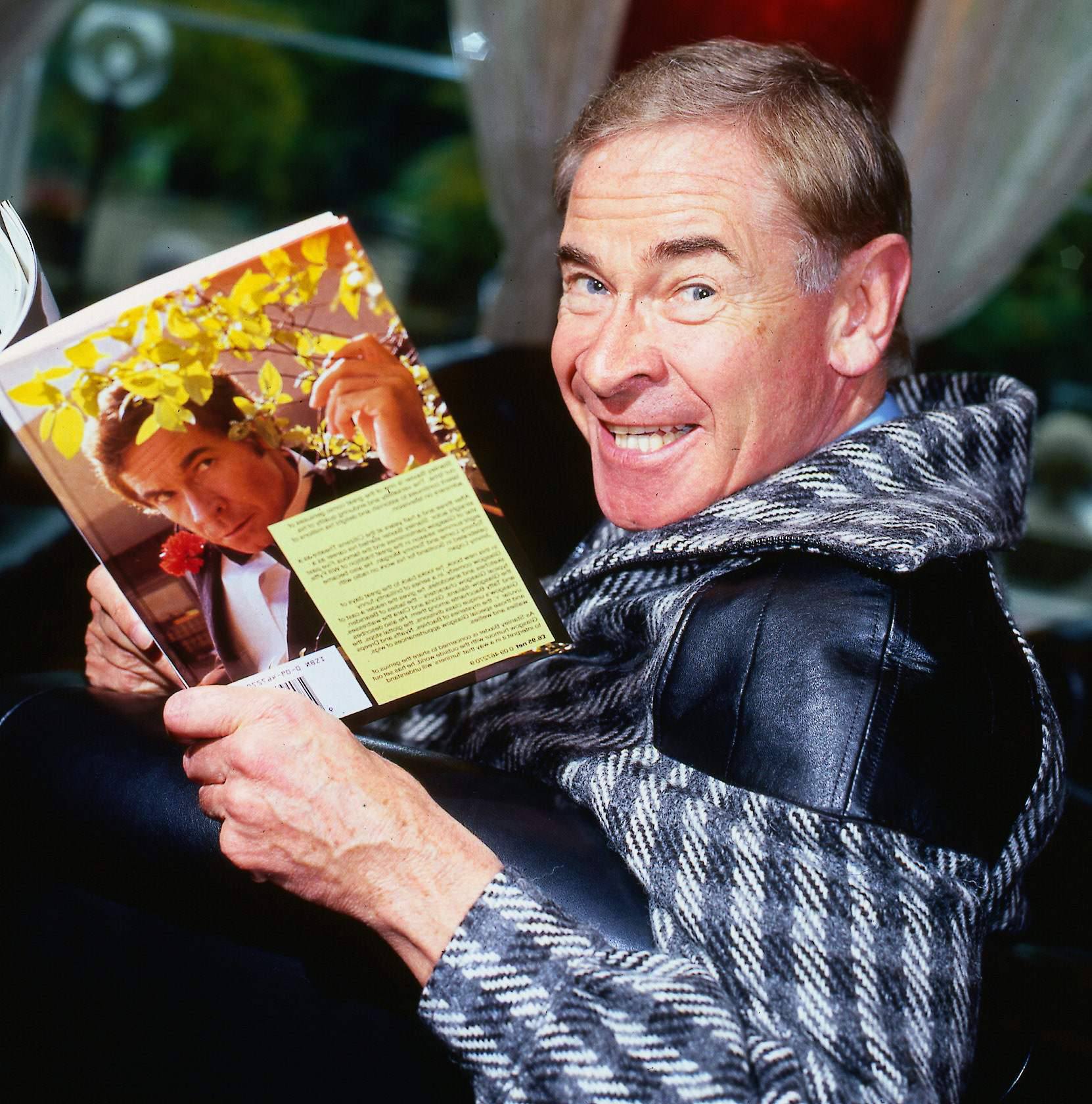
London came calling in the late 1950s. He starred in seven films – the first of which was Geordie made in 1955. He had his own radio show on the beeb, but the big break that propelled him to national fame was The Stanley Baxter Show, which ran on the BBC from 1963 to 1971.
He moved to ITV for The Stanley Baxter Picture Show (1972-75) and latterly The Stanley Baxter Series for London Weekend Television in 1981. Throughout the 70s and 80s he made what can only be described as extravaganzas for both the BBC and ITV.
Baxter had an impressive range: straight actor, comic actor, impressionist, panto dame and, of course, the author of the forever-beloved “Parliamo Glasgow” sketches.
He had a malleable face, with flared nostrils and a mouth that could twist and contort to help in the impressions business. He had an impressive vocal range too, which would lead to various impressions in a range of accents. Although he is probably best remembered for his portrayal of The Queen.
 Getty Images
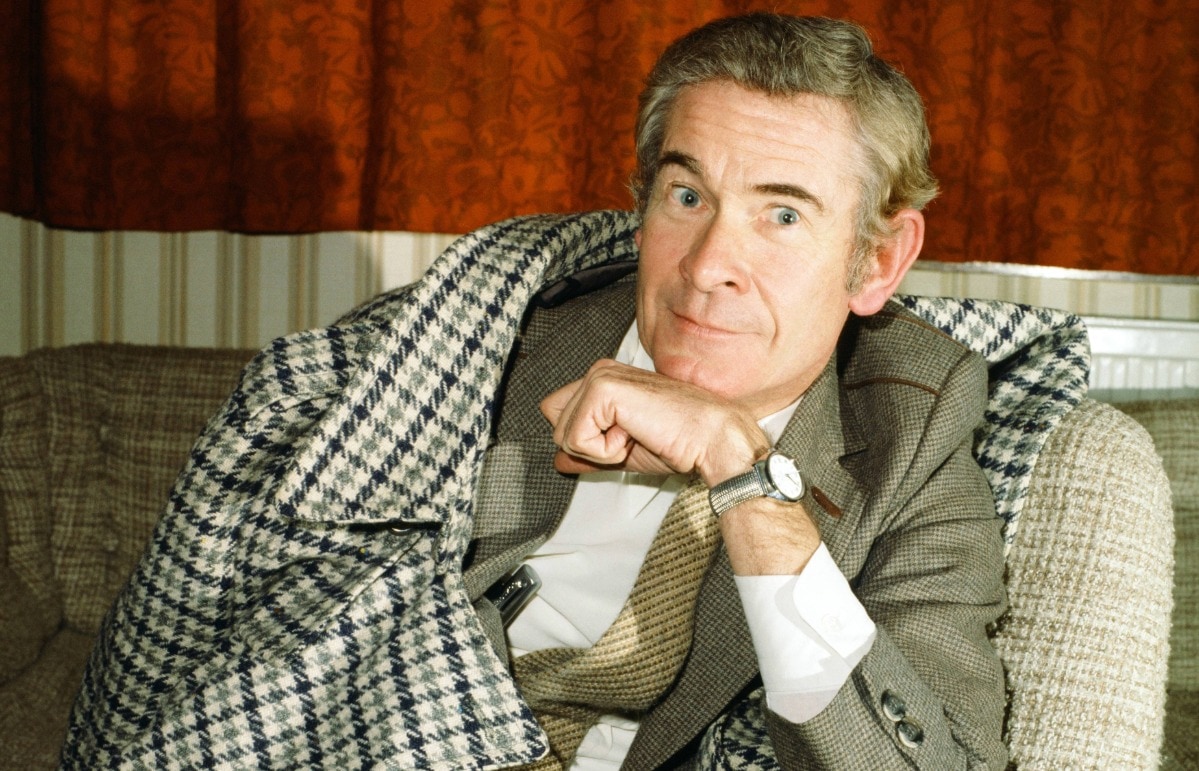
Parliamo Glasgow was not only funny but it was also extremely clever and it spawned several books. Baxter would take the sayings and colloquialisms of his home city and turn them into a unique grammatical format.
These classic sketches might be a bit much for a non-trained Glasgow ear but they are loved by the natives of his home town and by those who can follow them.
Although he did not give a lot of interviews in his career, he was never more at ease and genuinely warm in his responses when talking of the Dear Green Place, despite living in Highgate in London from the 1960s.
He came back to Scotland, where he was an enormous draw during the pantomime season at The Kings Theatre in both Glasgow and Edinburgh.
By the 1980s, accountants started to crawl over programme budgets in search of wasteful expenditure, which in the case of ITV should be used to bolster profits.
A look at the budgets of the Baxter shows had the money men convulse in disbelief. Quite simply the game was up for his kind of show and it was a culture that informed spending decisions at the BBC too.
He would occasionally take the easy money of the television advertising industry, where he fronted ads for Birds Eye, very much in the Parliamo Glasgow style (The Birds Eye Ah Like is the Birds Eye Tattie Fritters, Yekanniwhakram).
 Getty Images
Baxter retired in 1990 at the top. He had no ambition to hang around or undertake projects for the sake of it. By that time, the CV boasted three BAFTAs. He would be recognised with a Lifetime Achievement Award at the British Comedy Awards in 1997.
After doing little for well over a decade, he starred in four programmes for BBC Radio 4 called Stanley Baxter and Friends; this was followed up with The Stanley Baxter Playhouse, which ran for several years.
He jealously guarded his privacy and rarely spoke about intimate matters. He married Moira Robertson when he was 26 years of age. After 46 years of marriage, she died in 1997.
Baxter publicly came out as gay at the age of 94 in his 2020 authorised biography “The Real Stanley Baxter”, where he revealed his marriage was a façade and that he had hidden the truth to avoid arrest in the years before homosexuality was decriminalised.
The threshold for stardom these days seems rather low. Stanley Baxter was a star of his era and a superstar by today’s standards. He helped define iconic TV from a golden age and he had the good fortune of longevity to enjoy the fruits of his labour.
His was a full life where laughter was central and for that we should remember him fondly and with a chuckle. Or as he might put it in Parliamo Glasgow, Anawffybarrelalaughs.
Follow STV News on WhatsApp
Scan the QR code on your mobile device for all the latest news from around the country