 FSI via Supplied
A rare mountain fern that was pushed to the brink of extinction in Britain is being given a chance to recover on a stony hillside in Glen Affric.
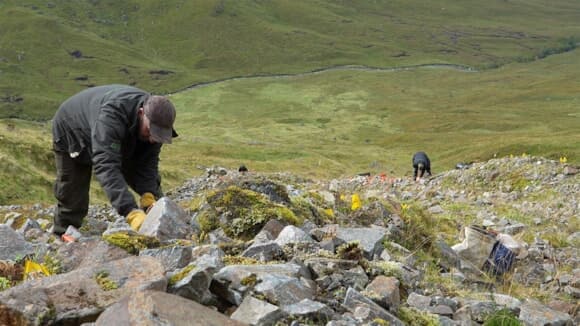
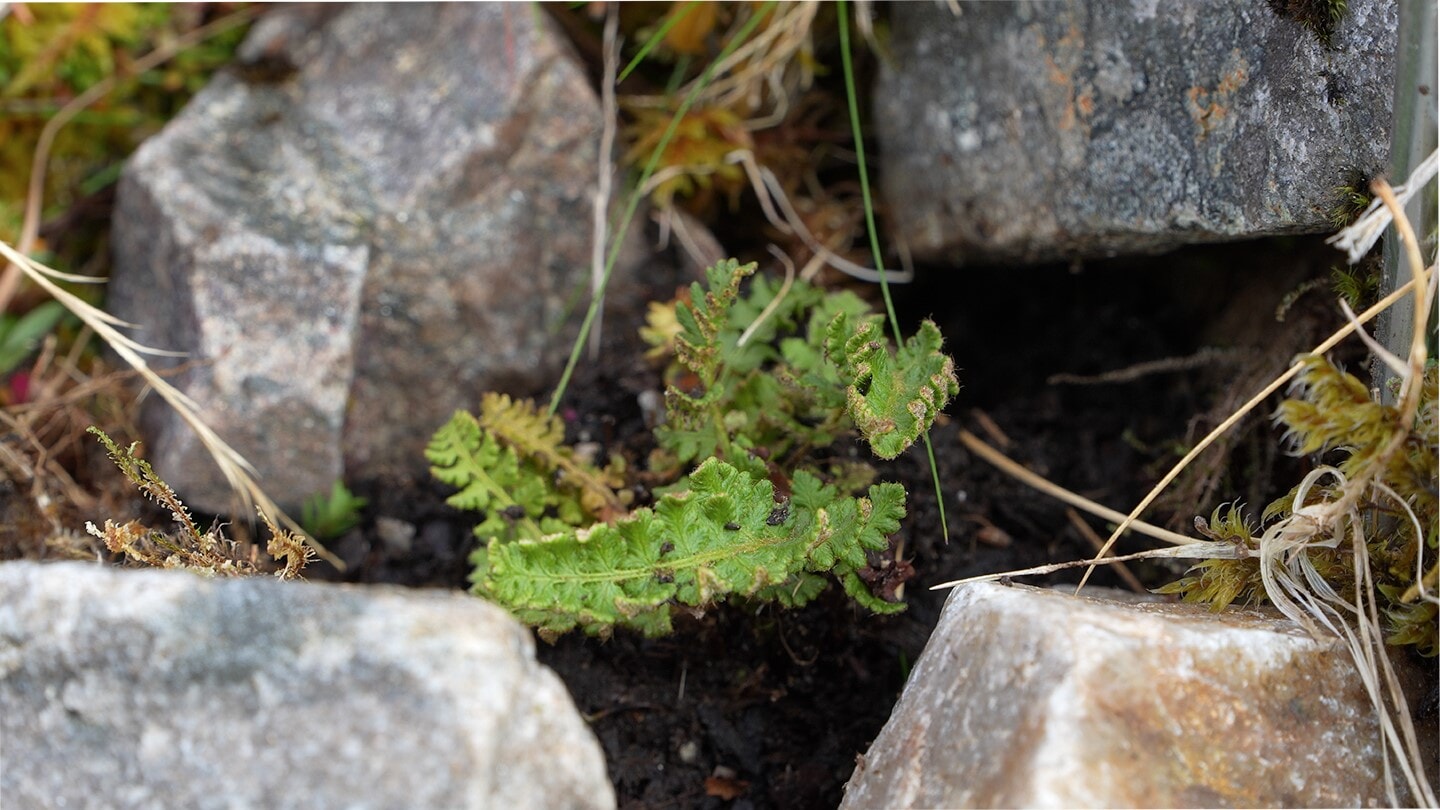
Staff from Forestry and Land Scotland (FLS) and the Royal Botanic Garden Edinburgh (RBGE) have translocated and planted 250 specimens of oblong woodsia (Woodsia ilvensis) on a scree slope around 650 metres above sea level.
The small alpine fern was largely wiped out in the 19th century by commercial collectors responding to the Victorian craze for ferns, known as pteridomania.
It remains under threat from habitat fragmentation and climate change.
The planting forms part of RBGE’s Scottish Plant Recovery Project, a science-led initiative aiming to increase the numbers and distribution of ten threatened native plant species, including oblong woodsia.
 FSI via Supplied
Glen Affric has been identified as a suitable location for several of the project’s target species. These include a population of potentially resistant wych elm (Ulmus glabra) near the historic Ent of Affric and wild apple (Malus sylvestris).
FLS forester Sam Brown said the organisations had been working together for the past two years to support the recovery of native species.
“Oblong woodsia is the third species we have planted in Glen Affric so far,” he said. “We worked with the RBGE project team to plant the alpine ferns high on one of the glen’s scree slopes, making for an interesting day’s planting.
“We will be monitoring this new population in conjunction with RBGE. It would be fantastic to see them establishing and self-regenerating and once more growing across Scotland after being on the brink of extinction.”
To boost numbers, RBGE horticulturists propagated thousands of the ferns in the garden’s nursery before planting them at nine carefully selected sites across Scotland. Locations were chosen for their scree habitats with low competition from other plants, but with variation in humidity, altitude, aspect and underlying rock.
Erin O’Hare, RBGE’s Scottish Native Plant Conservation Horticulturist, said identifying suitable conditions for the species remained a challenge.
“This fern is so fragile in nature that finding the right place to try and plant them is very challenging,” she said. “As is the case with many endangered rare plants, their preferred growing conditions are still debated and undergoing research.
“There is no certainty around the ideal conditions for Woodsia ilvensis, so our plantings also act as trial work to better understand its environmental requirements.”
The sites, including Glen Affric, will be monitored next year to assess early establishment and determine which environmental conditions offer the best chance of long-term survival.
Follow STV News on WhatsApp
Scan the QR code on your mobile device for all the latest news from around the country