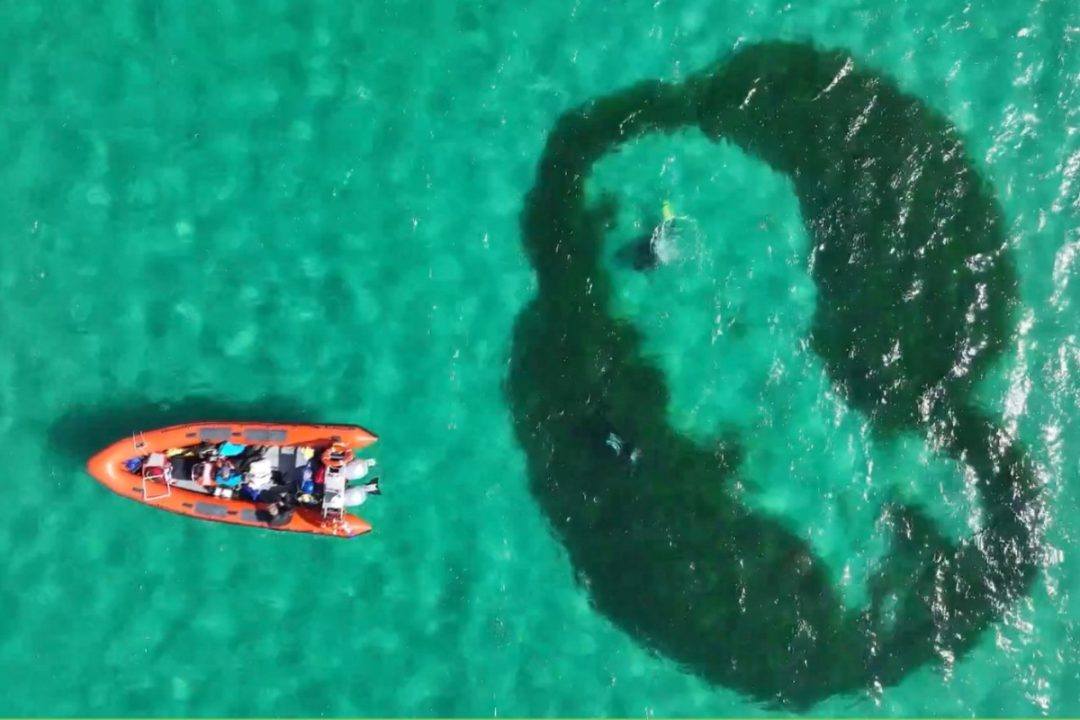
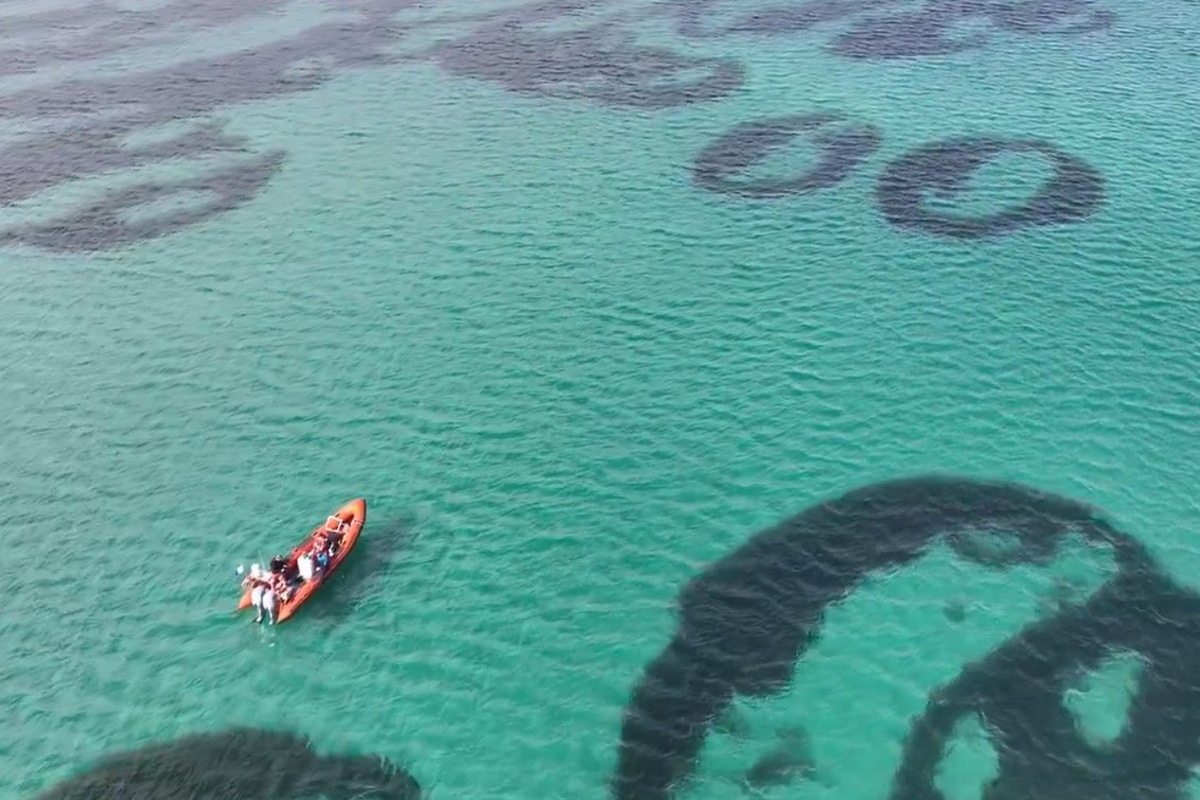
A stunning natural phenomenon, which sees seagrass form into circles on the seabed, has been captured on camera in the Outer Hebrides.
Known as ‘fairy circles’, the natural occurrence is rarely observed, and scientists are uncertain just how the circles are formed.
NatureScot’s marine team has released the images as a new report highlights the historic loss of seagrass beds in Scotland.
 NatureScot/Chris Nall
Sarah Cunninham, NatureScot’s marine protected area and marine enhancement manager, said: “As far as we know, this is the first video of seagrass fairy circles in Scotland’s seas.
“Our marine monitoring team call them seagrass doughnuts – but whatever you call them, they’re spectacular.
“We were delighted when we spotted them and were able to get some aerial video showing them off!
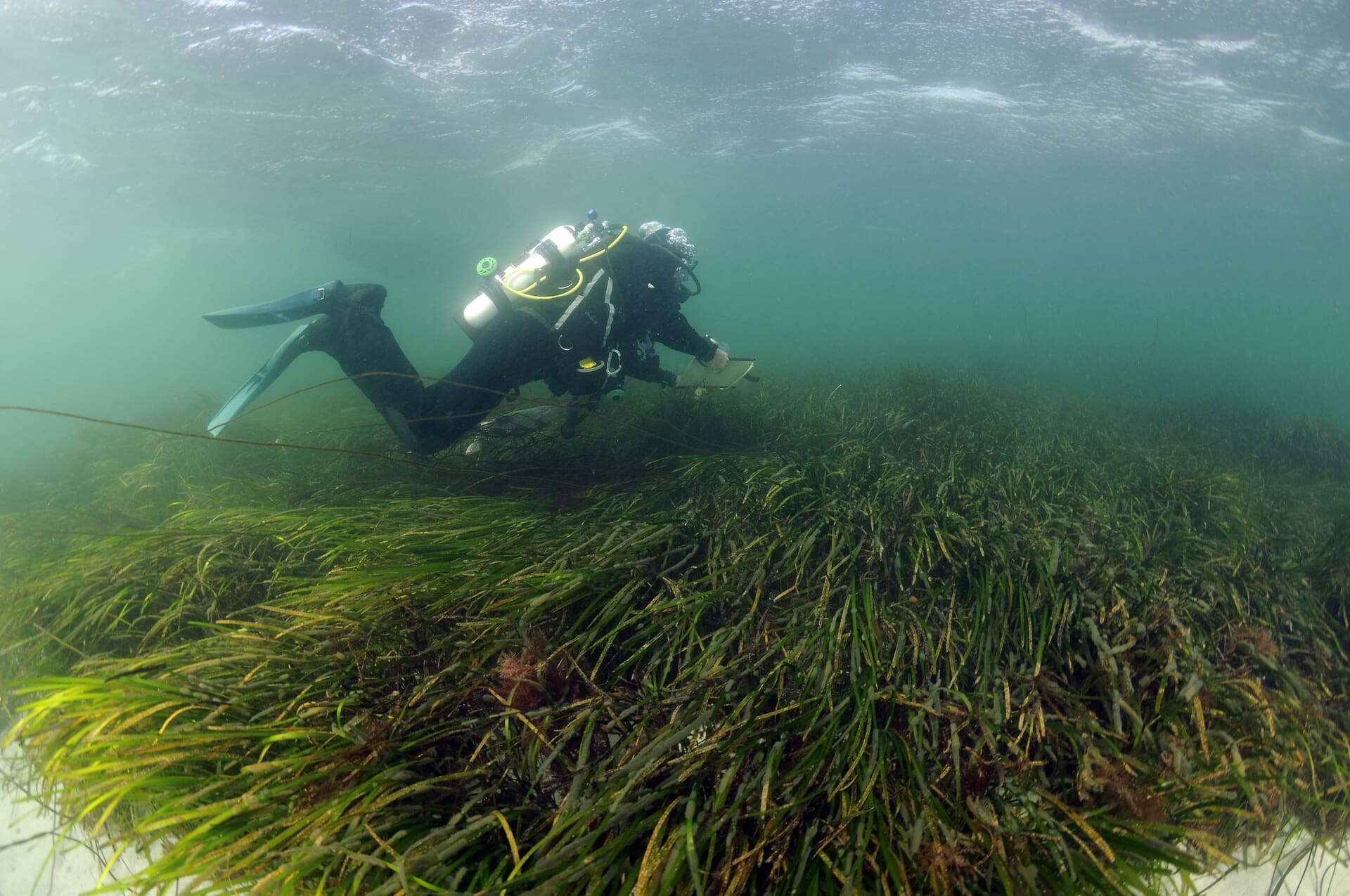
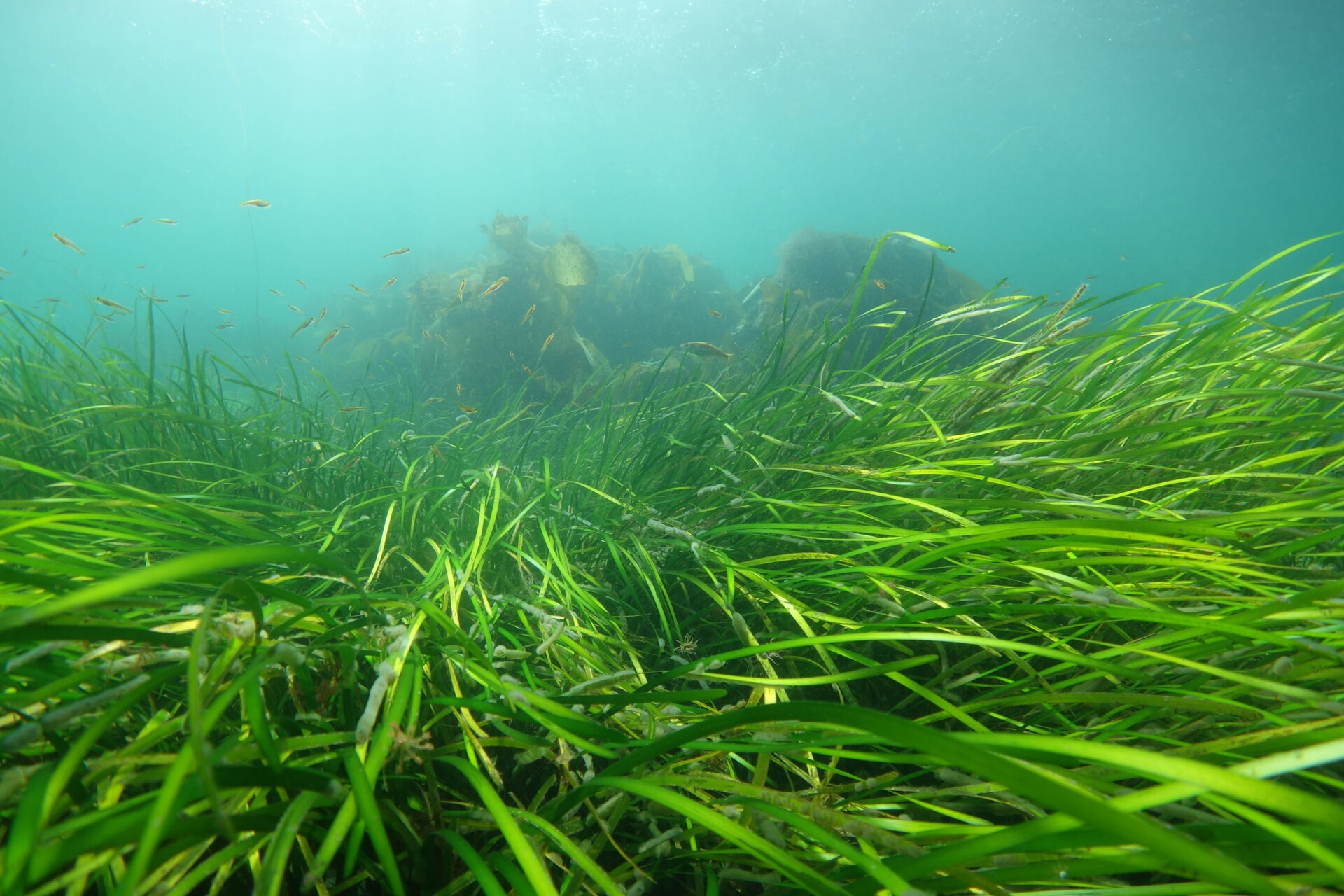
“Seagrass is a wonder habitat, often likened to the rainforest because of its effect on nature and the climate. The lush meadows it creates are home to an amazing array of wildlife.
“Their leaves and roots also trap carbon, helping tackle the climate crisis. Seagrass can also improve water quality, reduce contamination in seafood, and act as the first line of defence along coasts by reducing wave energy, protecting people from the increasing risk of flooding and storms.”
Historically, seagrass was abundant in Scotland, once so common that it was used for thatching in Orkney. In Shetland, broad-leaved seagrass was so abundant that plants had to be cut to allow boat passage.
 NatureScot
Yet in the last century or so, Scotland has seen a decline in the amount of seagrass. NatureScot says the wasting disease epidemic in the 1930s, caused by marine slime mold, led to major losses in seagrass beds.
It is believed that the losses were so extreme that some seagrass beds have not recovered. Other factors include pollution and poor water quality, coastal development and mechanical damage caused by scallop dredging.
However, despite the historical losses, NatureScot’s report offers some hope. When human pressures are reduced or removed, and water quality improves, populations can recover.
NatureScot added that pockets of recovery have been spotted in several areas, including Loch Ryan, the Solway Firth, Montrose Basin, and the Firth of Forth.
 NatureScot
Scotland’s seagrass beds are protected as a Priority Marine Feature and within Scotland’s Marine Protected Areas (MPAs), with additional protections through fisheries management measures proposed by the Scottish Government for the future.
There are also many community groups working to restore seagrass around Scotland’s coasts through mechanisms like the Scottish Marine Environmental Enhancement Fund (SMEEF).
SMEEF is currently undertaking a three-year Seagrass Enhancement Programme, funded by £2.4m contribution from SSEN Distribution, and aiming to plant 14 hectares of seagrass in suitable locations around Scotland.
Follow STV News on WhatsApp
Scan the QR code on your mobile device for all the latest news from around the country