 PA Media
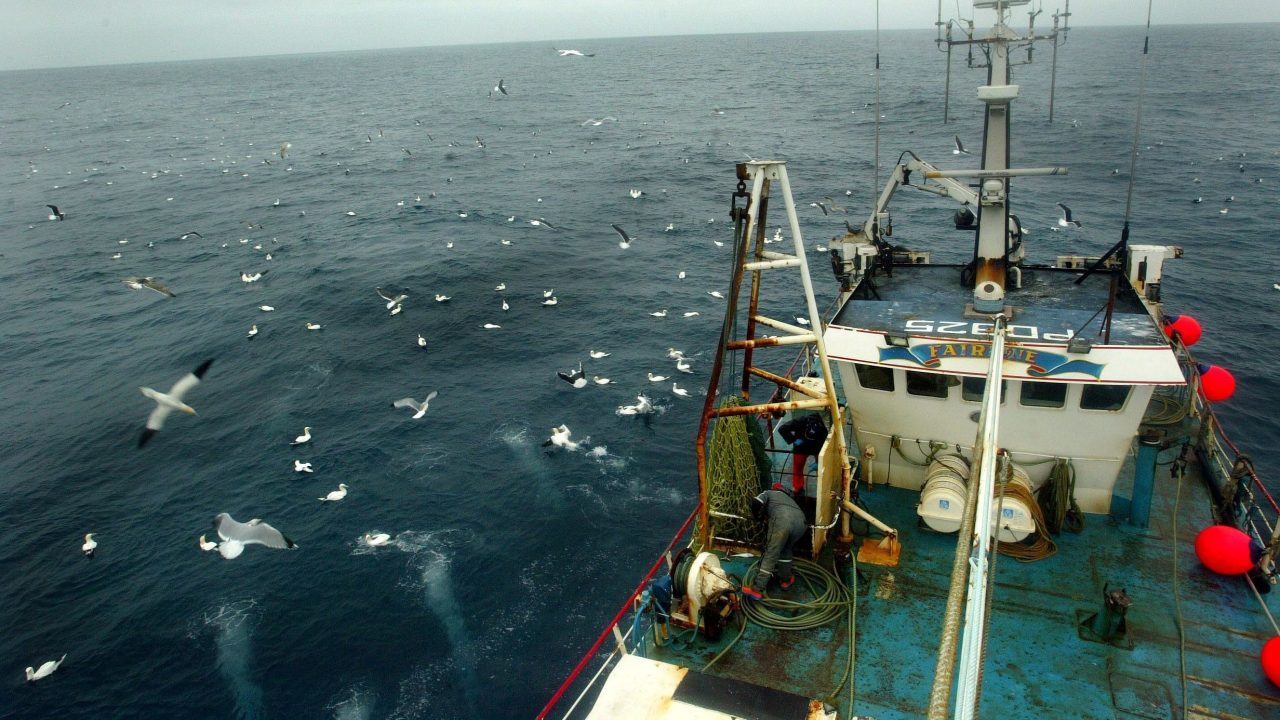
The expansion of offshore wind farms in the waters around Shetland is resulting in a “spatial squeeze” which threatens fishing fleets, a report has said.
The Shetland Fishermen’s Association (SFA) and consultants Voar said reducing access would have disproportionate consequences on the Shetland fishing economy.
A joint report says that wind farms, conservation zones and other infrastructure such as transmission cables is eating into areas traditionally used for fishing.
Two new developments – which cover around 458 and 100 square kilometres of the sea – are currently used by both whitefish and pelagic fisheries.
The report says the cumulative effect of all proposed developments could result in a “‘spatial squeeze’ that may reduce the fishable area to a level that diminishes catch yields and threatens the viability of segments of the fleet”.
SFA executive officer Daniel Lawson said: “Shetland’s diverse, family-owned fishing fleet is being put in serious jeopardy by these projects.”
He added: “Government and energy industry leaders need to realise that skippers cannot just move somewhere else.
“Wind farms of the type and scale proposed to the east of Shetland will permanently exclude vessels from some of the most productive fishing grounds in the world.
“Worst of all, unlike the fishing industry, ownership of these projects lies outwith Shetland, meaning the economic benefits derived from Shetland’s seas will shift away from local hands to outside interests.”
The Scottish Government said devolved marine planning is relatively new, having been introduced in legislation from 2009 and 2010.
A spokeswoman said: “Scotland’s fishing sector makes a huge contribution to our economy, and to our island and coastal communities and it is essential it has a prosperous and sustainable future.
“Increasing Scotland’s renewable energy generation is critical to meeting our net zero targets – which in turn supports the long-term future of our marine ecosystems, on which fishing depends.
“We recognise there is increasing pressure on marine space, and that there are valid concerns from those engaged in existing marine activities – which is why our National Marine Plan 2 will set out the sustainable development of Scotland’s marine shared space, in line with our Blue Economy vision and our just transition principles.”
The spokeswoman added: “The plan will consider our marine economy, local communities, and the environment helping to ensure the right planning framework is in place to address the increased competition for marine space, whilst balancing the need for protection and enhancement of the marine environment and sustainable development of existing and emerging sectors.
“We will also shortly publish Scotland’s first regional marine plan for the Shetland Islands.”
Follow STV News on WhatsApp
Scan the QR code on your mobile device for all the latest news from around the country