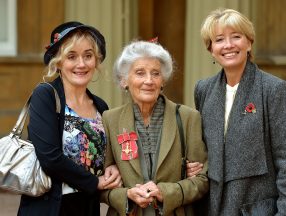
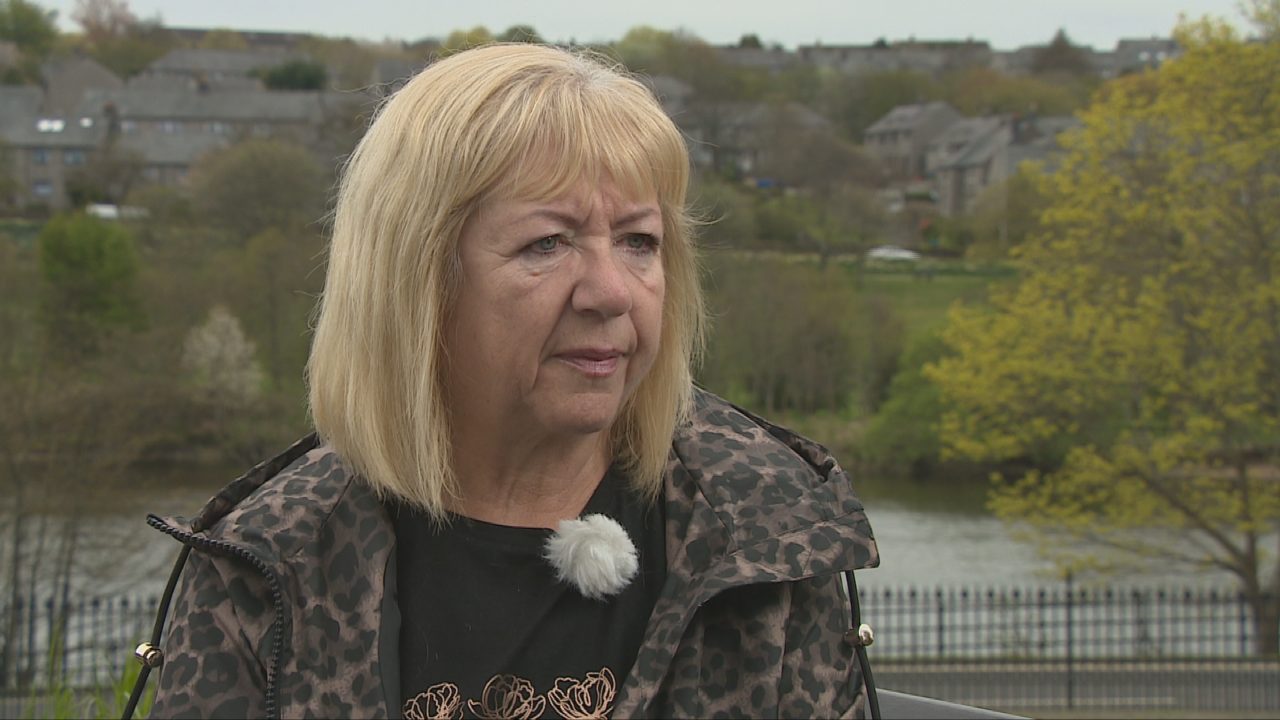
A Shetland mum discovered she had cancer after genetic testing revealed she carried a gene linked to the disease.
Christine Glaser, 68, underwent a double mastectomy after tests showed she carried a faulty BRCA2 gene, which significantly increases the risk of breast and ovarian cancer.
Before her planned surgery, Christine was sent for a mammogram, which revealed she had stage two breast cancer in July 2023. Her routine screening was not due for another two years.
Christine, from Lerwick, told STV News: “It was a big shock because I didn’t have any symptoms at all and knew nothing about it, as it was so small.
“I would never have known I had BRCA2 if I hadn’t been tested either. I was very lucky it was caught in time.”
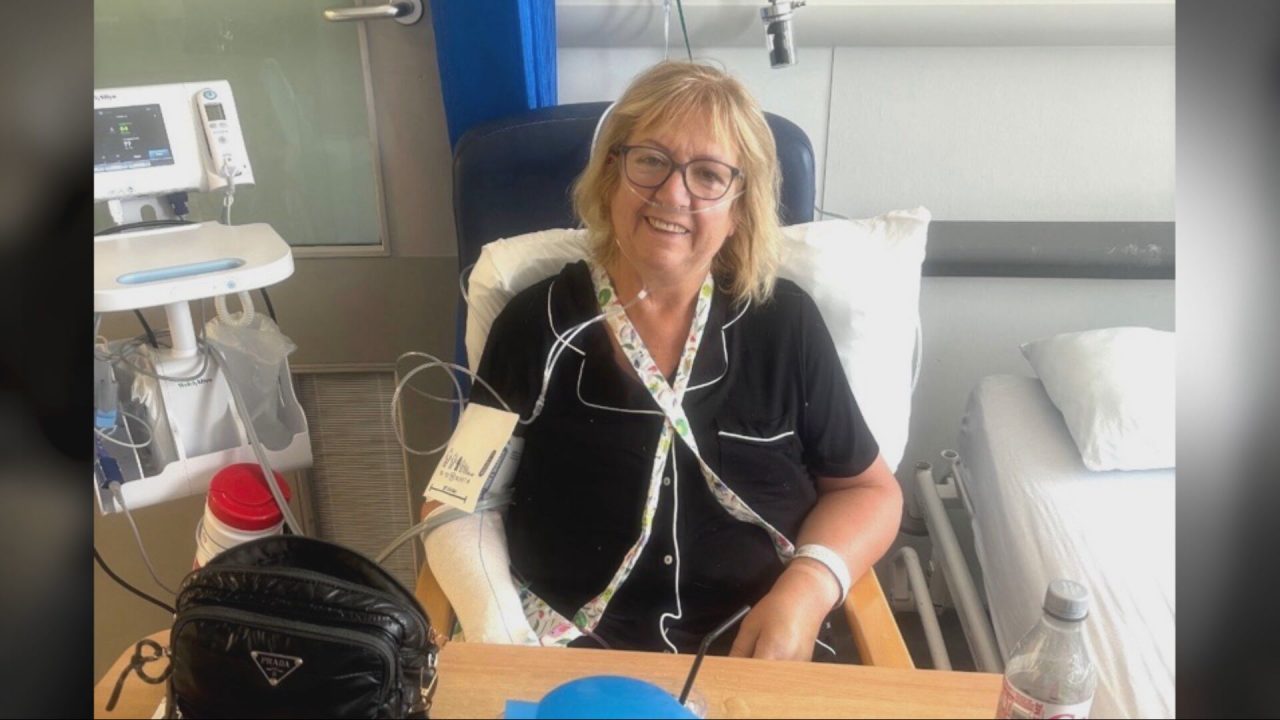
Because the cancer was found early, Christine said her treatment was limited to surgery alone.
“When they did the surgery, I didn’t even need chemo or radiotherapy, which was amazing,” she said.
Christine and her relatives took part in the Viking Genes study without initially realising its significance for their family. Her sister Pat Agutter had died from ovarian cancer in 2011, but at the time, they were unaware there could be an inherited risk.
After learning she carried the BRCA2 gene variant, Christine opted for preventative surgery, having her ovaries removed in Shetland before undergoing a double mastectomy in Aberdeen.
Tests later showed several members of the wider family were carriers of the gene, including four of her five siblings, although Christine said she was “thankful” to learn her 26‑year‑old son, Kieran, was not a carrier.
“There’s a 50/50 chance of inheriting it from either your mother’s or father’s side,” she said.
“You’d expect about half of us to have it, but that hasn’t been the case.”
Christine’s experience highlights wider research into disease‑causing genetic variants in island communities.
 STV News
The BRCA2 gene is linked to an increased risk of breast, ovarian and prostate cancers, and has also been associated with certain heart rhythm disorders.
Researchers from the University of Edinburgh have previously found that the genetic make‑up of people from Scotland’s Northern and Western Isles differs from that of the rest of the country.
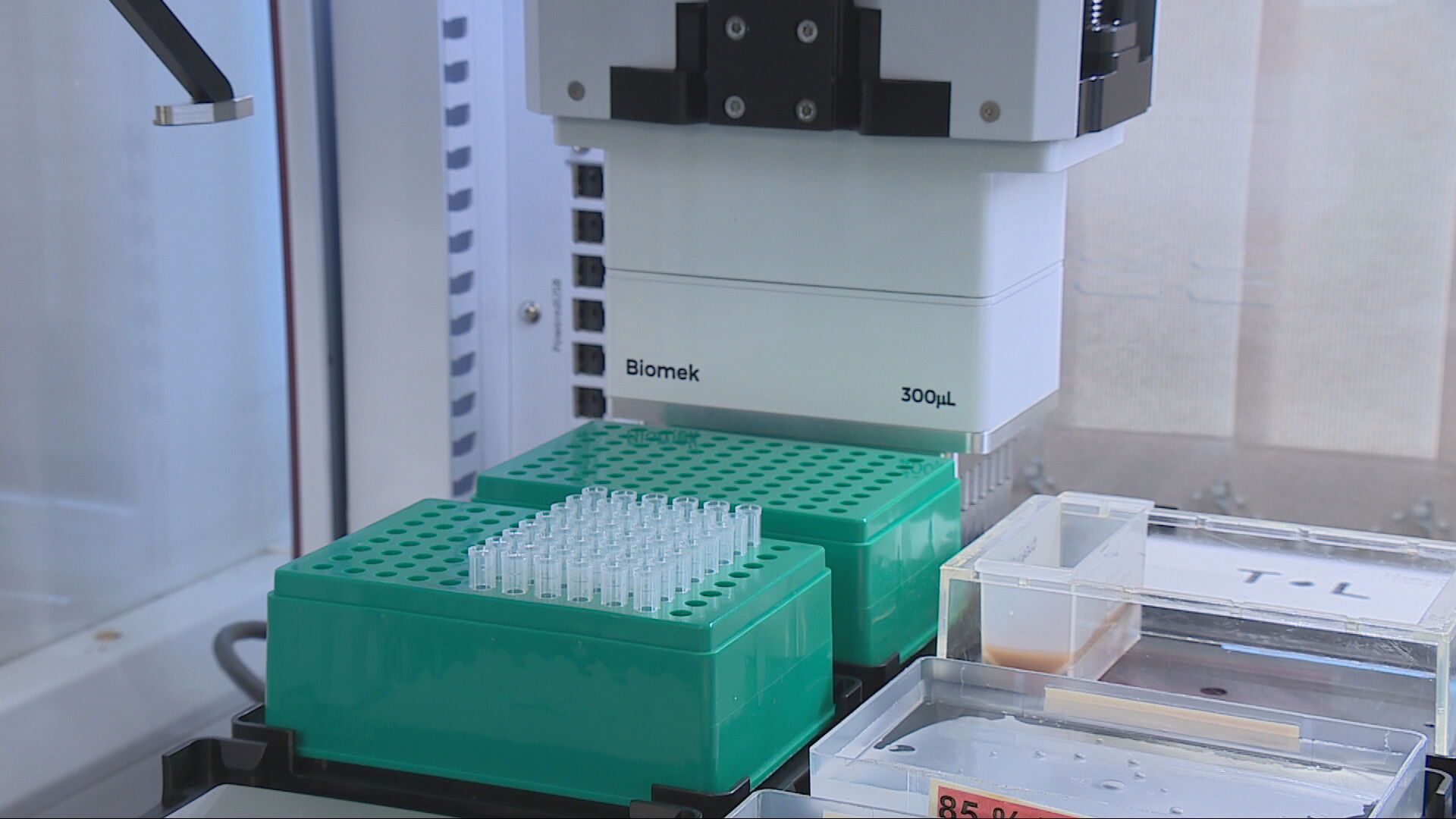
The Viking Genes Project examined the genetic heritage of these communities, with the aim of improving healthcare by identifying inherited disease‑causing variants.
Between March 2013 and March 2015, more than 2,100 Shetlanders took part in the study, all of whom had at least two grandparents from the islands.
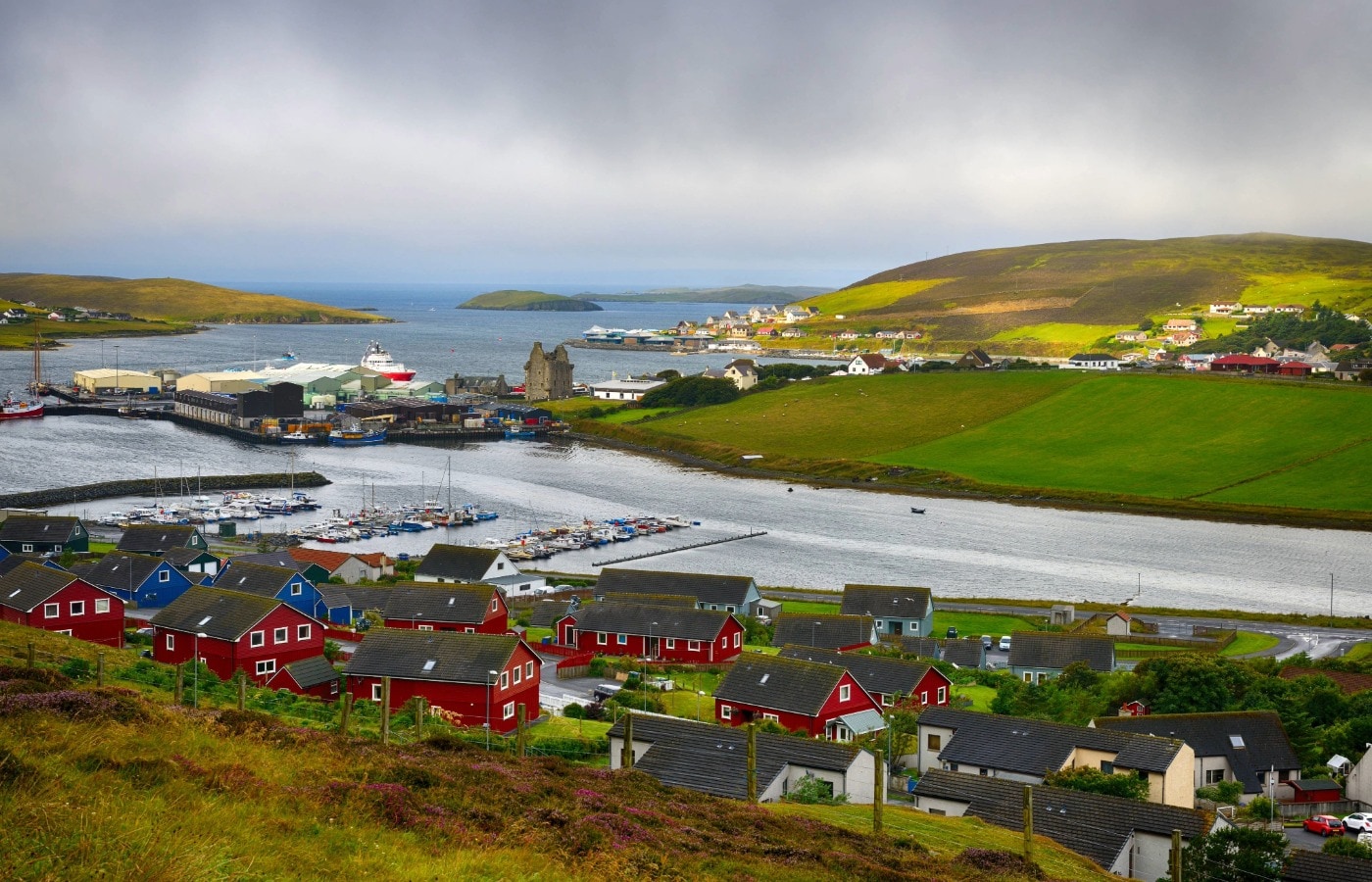
Research carried out alongside the NHS Grampian Clinical Genetics Clinic found that one in 40 people with four grandparents from Whalsay share the same BRCA2 variant. Whalsay lies to the east of the Shetland mainland and is home to around 1,000 people.
Similar inherited cancer risks have also been identified in other Scottish island communities.
 Adobe Stock
In 2023, testing began on the Orkney island of Westray after a separate study found that one in 100 people with grandparents from Orkney carry a BRCA1 gene variant.
“Through testing relatives, we discovered mine came from my father’s side, specifically from the island of Whalsay,” Christine said.
Christine is taking part in a catwalk event to raise funds for Friends of ANCHOR, a charity for cancer and blood disorder patients, in Aberdeen’s P&J Live on May 16-17.
She is also organising a fundraising event to support an expansion of the Viking Genes Project, which could see a further 5,000 people tested and identify those at risk of life‑threatening conditions.
“If they can find people early, they may be able to put preventative measures in place,” Christine said.
“It will be people who have a granny or grandad from Shetland who will get tested. It will be great for Shetland.”
Follow STV News on WhatsApp
Scan the QR code on your mobile device for all the latest news from around the country