 Adobe Stock
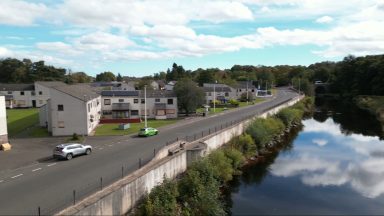
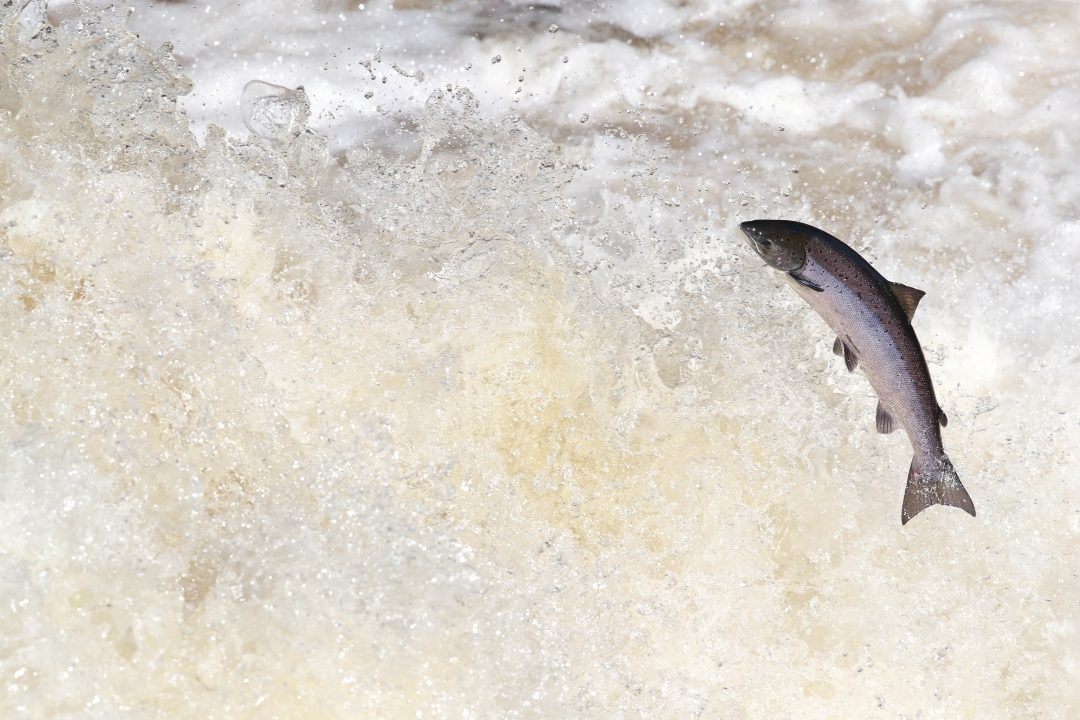
An international summit has been held in Aviemore in the latest attempt to save wild Atlantic salmon from extinction.
In Scotland, rod catches have been at record lows which has fuelled pressure on the Scottish Government to do more to protect the species.
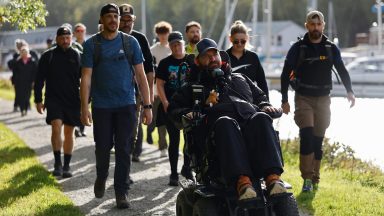
Delegates from across the globe attended the week-long North Atlantic Salmon Conservation Organisation (NASCO) annual summit.
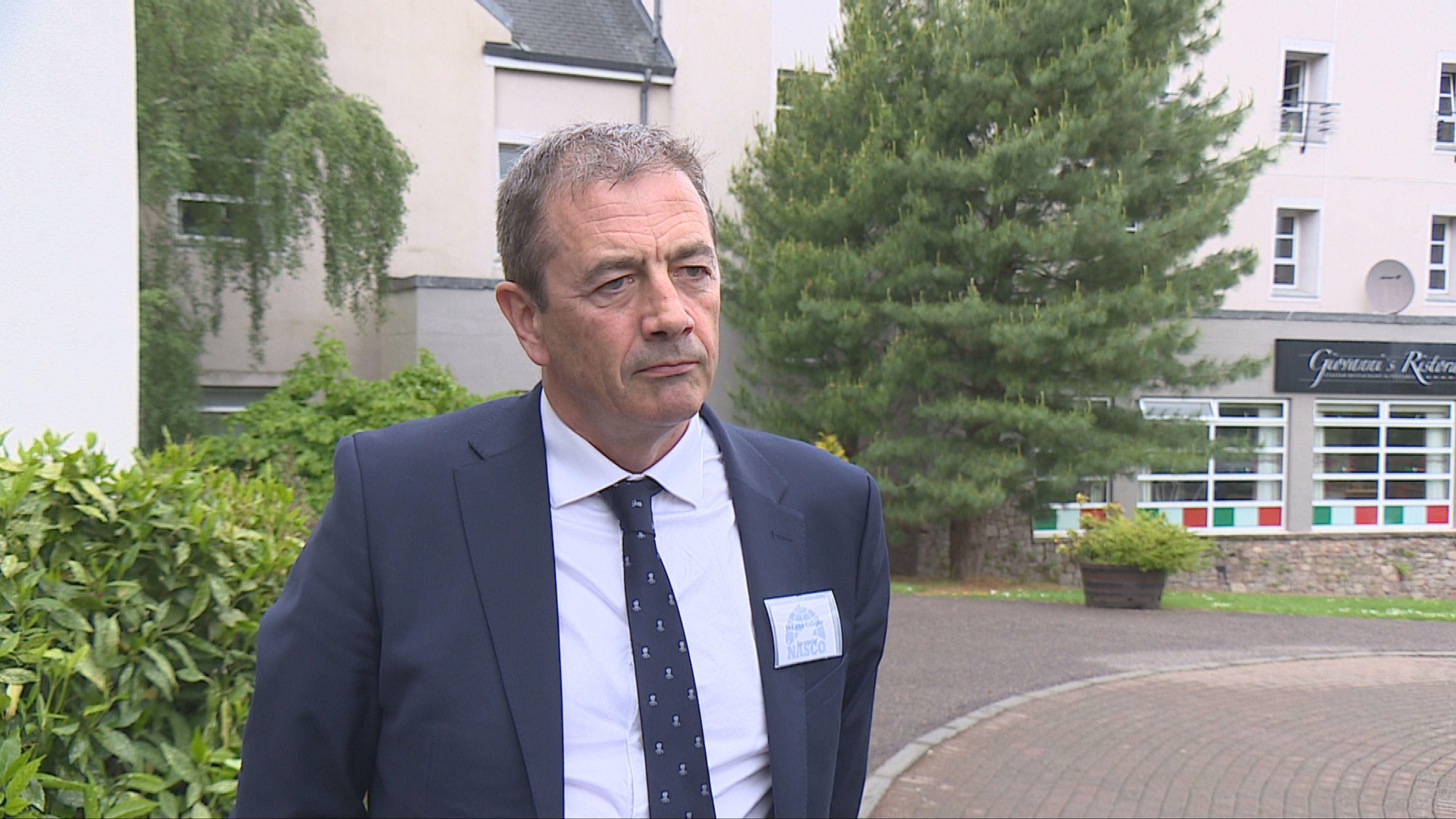
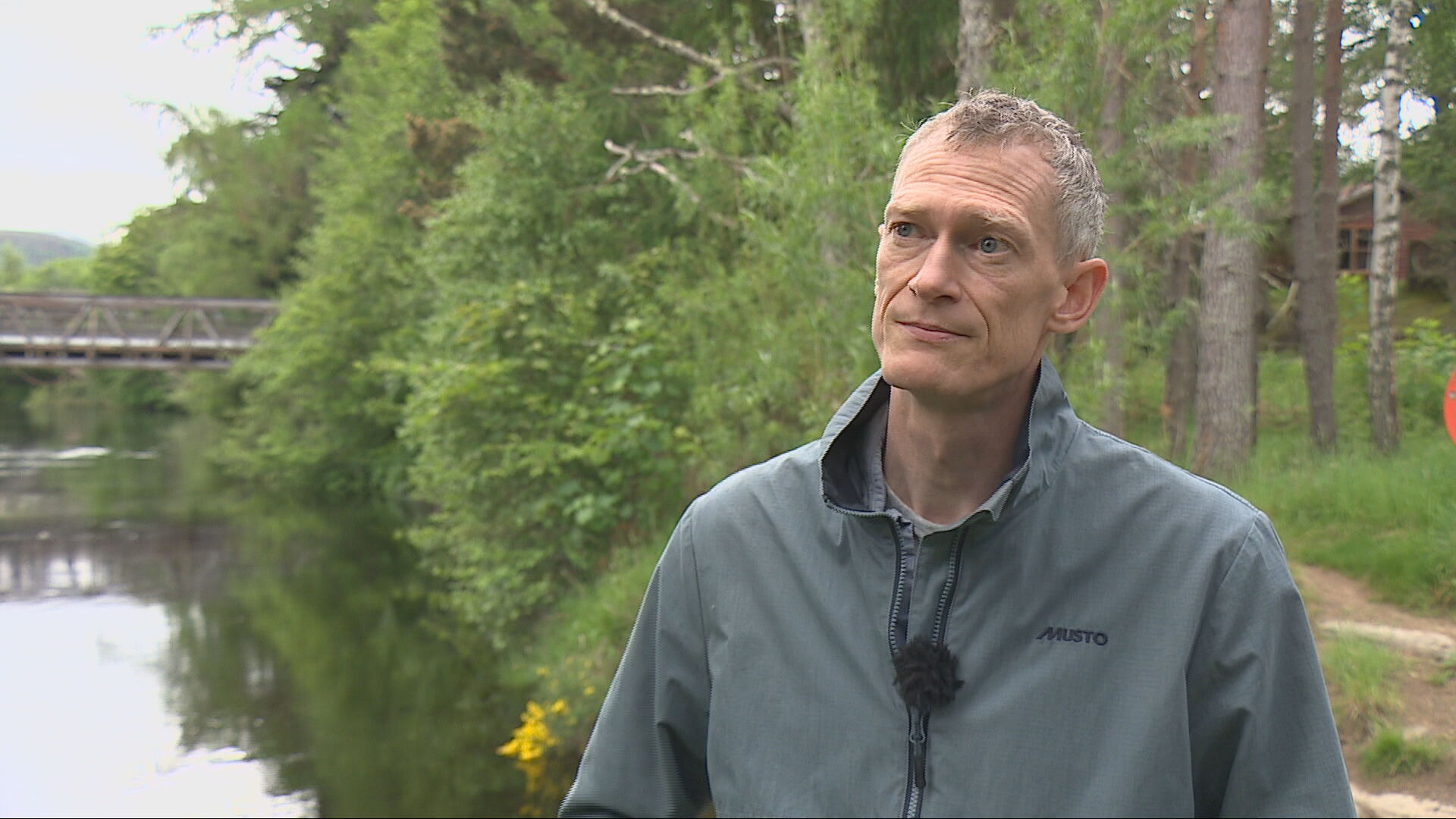
NASCO secretary Dr Cathal Gallagher acknowledged it was a “big job”.
He told STV News: “Each of the parties here are dedicating expert resource and making serious efforts to try and conserve and try and restore the populations within their individual jurisdictions.”
 STV News
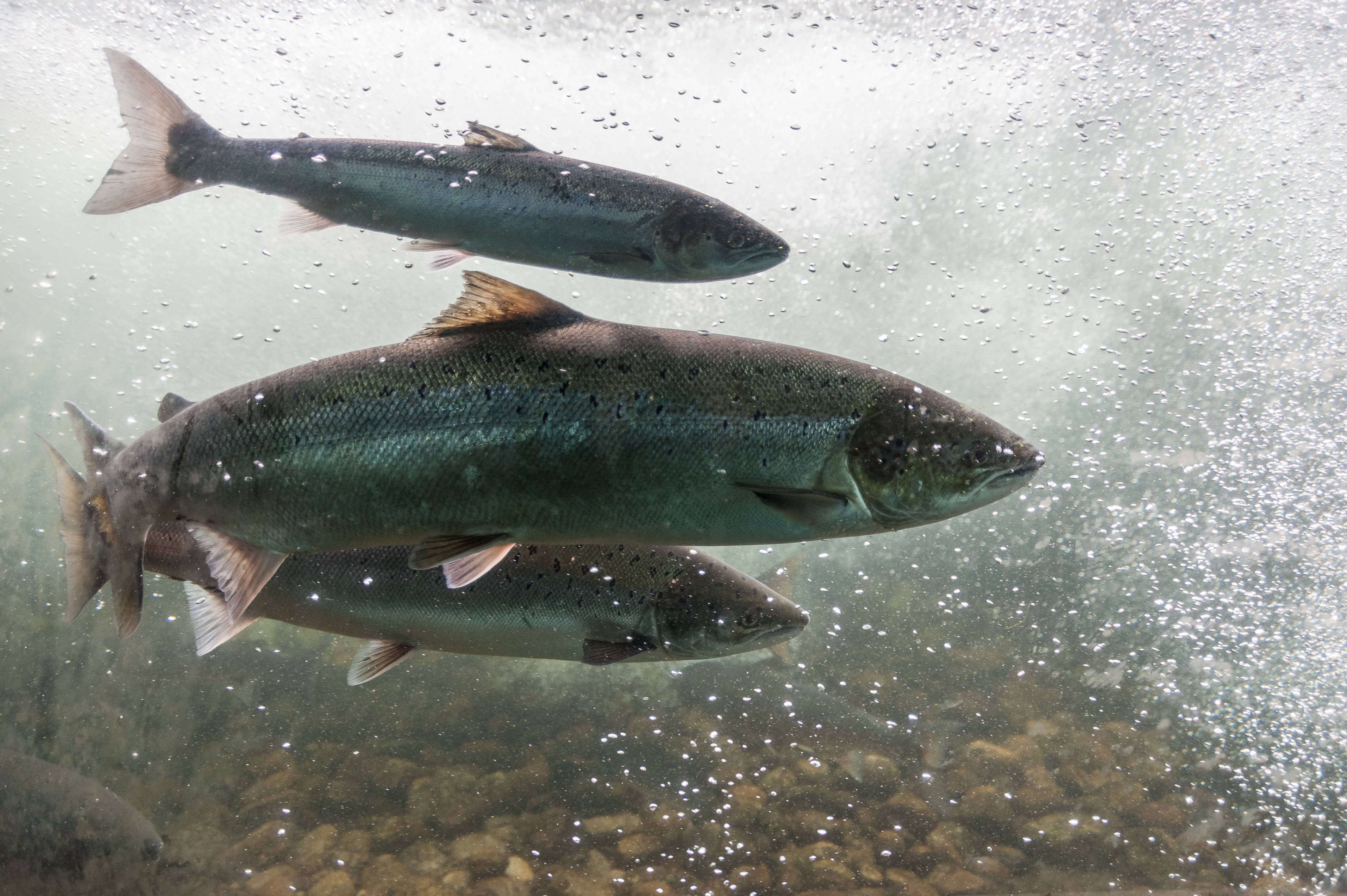
Well-documented reasons cited for the decline are climate change, over-fishing, pollution and the impact of farmed salmon and farm salmon escapes.
Dr Gallagher added: “Two of the main impacts on wild fish have to do with sea lice, which is emanating parasites, emanating largely from farms, and an integration problem where wild salmon are affected when aquaculture salmon spawn and affect their genes.”
A spokesman for the trade body Salmon Scotland said: “We share concerns about the long term decline in wild salmon. But it is wrong to suggest salmon farming is driving it, with steep declines seen on Scotland’s east coast and in England, where there are no salmon farms.”
He said the Scottish Government had identified more than 40 “pressures” on wild salmon including water quality, habitat loss and predation.
 Adobe Stock
He added: “Unsupported allegations risk distracting from the need to address the many pressures affecting wild salmon, while some proposals would put 11,000 Scottish jobs at risk.
“Scottish salmon is highly regulated, with more than 1,600 audits and inspections each year, and more than £1bn invested in innovation, veterinary care, technology, and stock management.”
He said publicly available data shows that average sea lice levels have been “on a long-term downward trend and remain among the lowest recorded”.
Nick Underdown of the WildFish charity said: “The greatest thing that we could see from the conference is that it sends a clear signal to governments that there is an urgent need to take more concerted action to protect wild salmon populations across the north Atlantic.
“The fact that of the matter is that that decline, that trajectory of decline, continues and the parties, the governments including the Scottish Government are not doing enough to reverse that decline.”
 STV News
In a statement, the Scottish Government said: “Scotland plays a key role in international wild salmon conservation through its contribution as part of the UK delegation to NASCO.
“We are committed to delivery, investing over £5.5m through the Marine Fund Scotland to benefit wild salmon, £8m under the Nature Restoration Fund to improve Scotland’s freshwater environment and over £12m under the Water Environment Fund on removing barriers to migratory fish.”
Between 1983 and 2016, numbers of wild Atlantic salmon prior to any fishing taking place fell by more than half.
The decline was most dramatic between 1983 and 1990, when salmon numbers fell from around seven million to five million fish.
While the rate of decline since 1990 has slowed, a further 33% of salmon have been lost. The number in 2016 was estimated to be around 3.38m.
NASCO, which was established in 1984, enables seven governments and the European Union to cooperate to conserve wild Atlantic salmon.
Its goal within the next decade is to drive the necessary action to slow the decline of wild Atlantic salmon populations and demonstrate that restoration is possible.
Follow STV News on WhatsApp
Scan the QR code on your mobile device for all the latest news from around the country