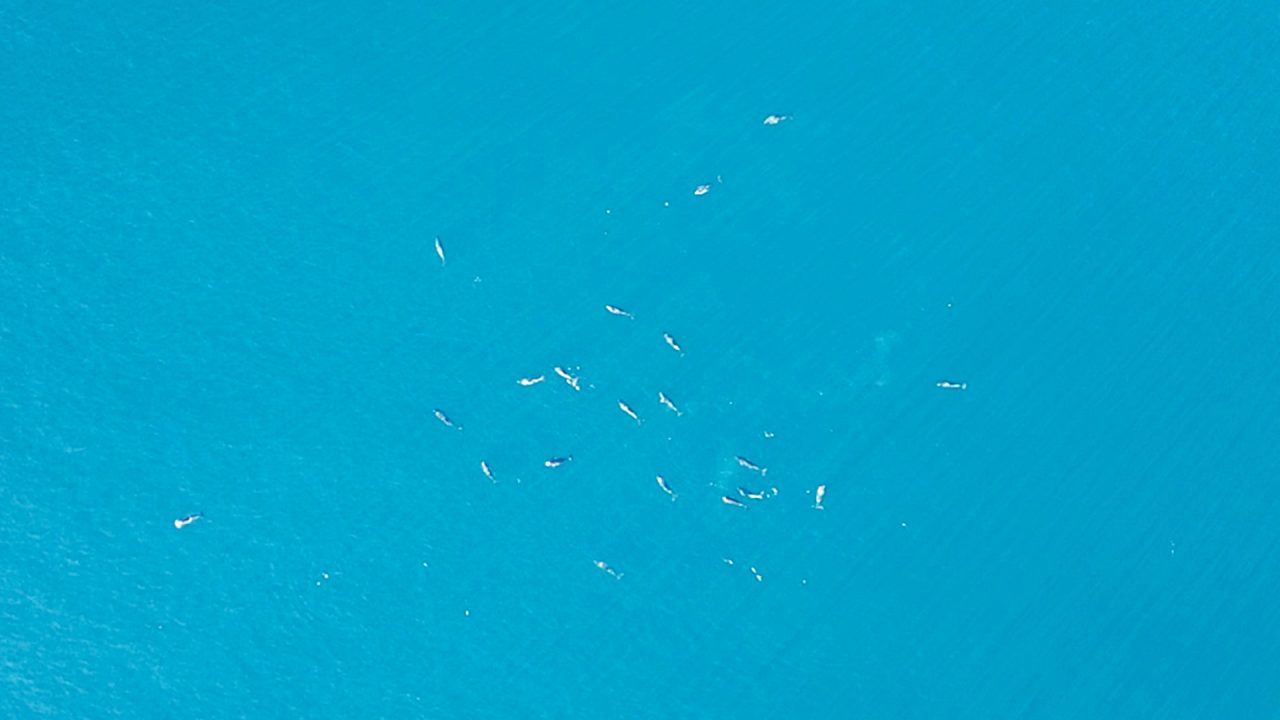
Scientists have captured rare drone footage revealing the mating behaviour of porpoises in Scottish waters.
The videos, captured between 2019 and 2023, are believed to provide one of the most detailed records of harbour porpoise mating behaviour ever documented in the UK.
Using drones, a team from UHI Shetland analysed more than 79 minutes of usable footage filmed at four coastal sites, Gulberwick Bay, South Nesting Bay, Mousa Sound and Quendale Bay.
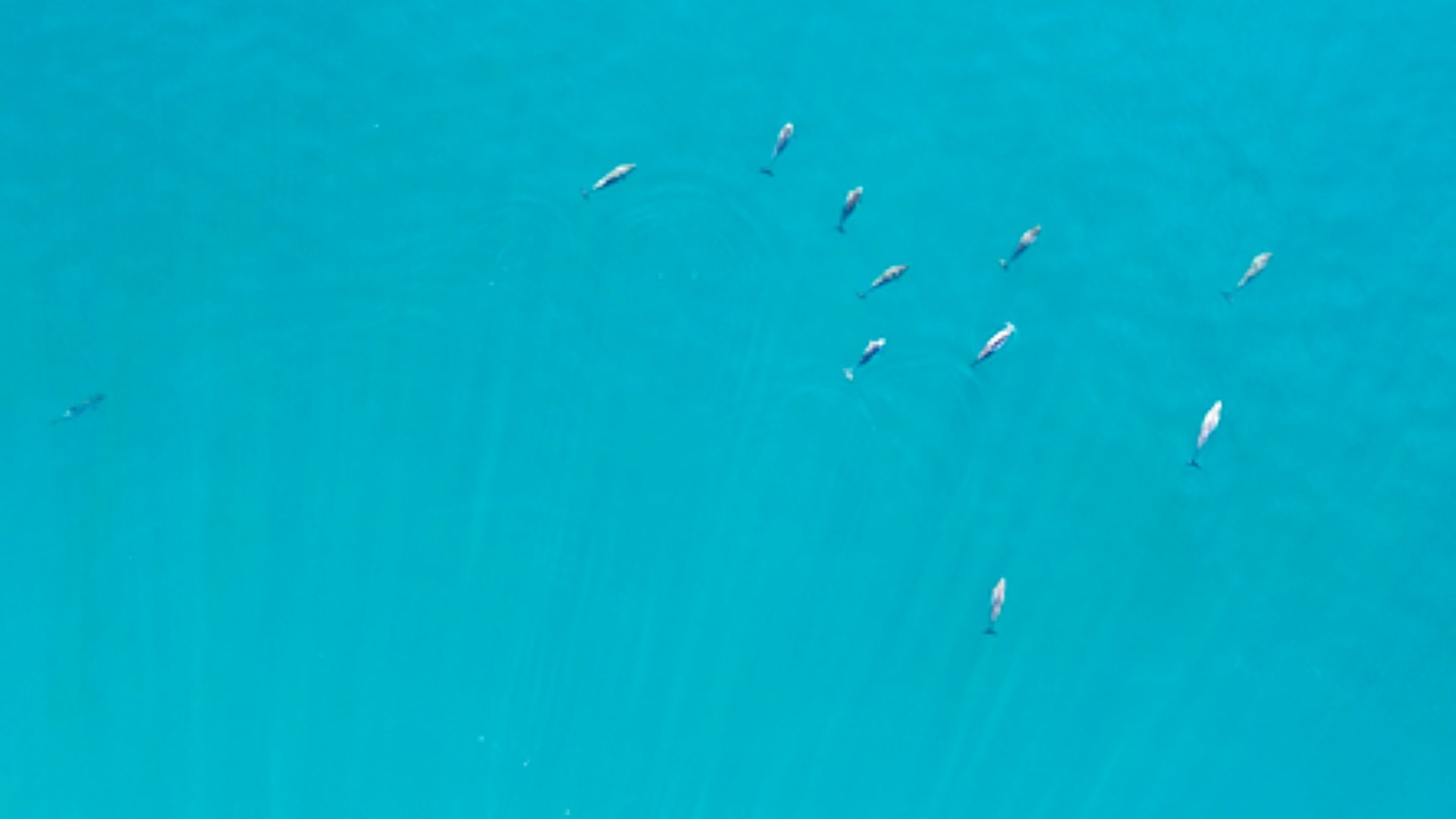
The footage revealed gatherings of up to 26 porpoises in a single bay, far larger than the small groups of two or three usually reported for the species.
 McCaffery Shucksmith Smith (UHI Shetland)
Researchers observed two types of sexual behaviour, with males rapidly approaching females in “copulation attempts”, often ending with animals breaking the surface and creating the splashing visible from shore.
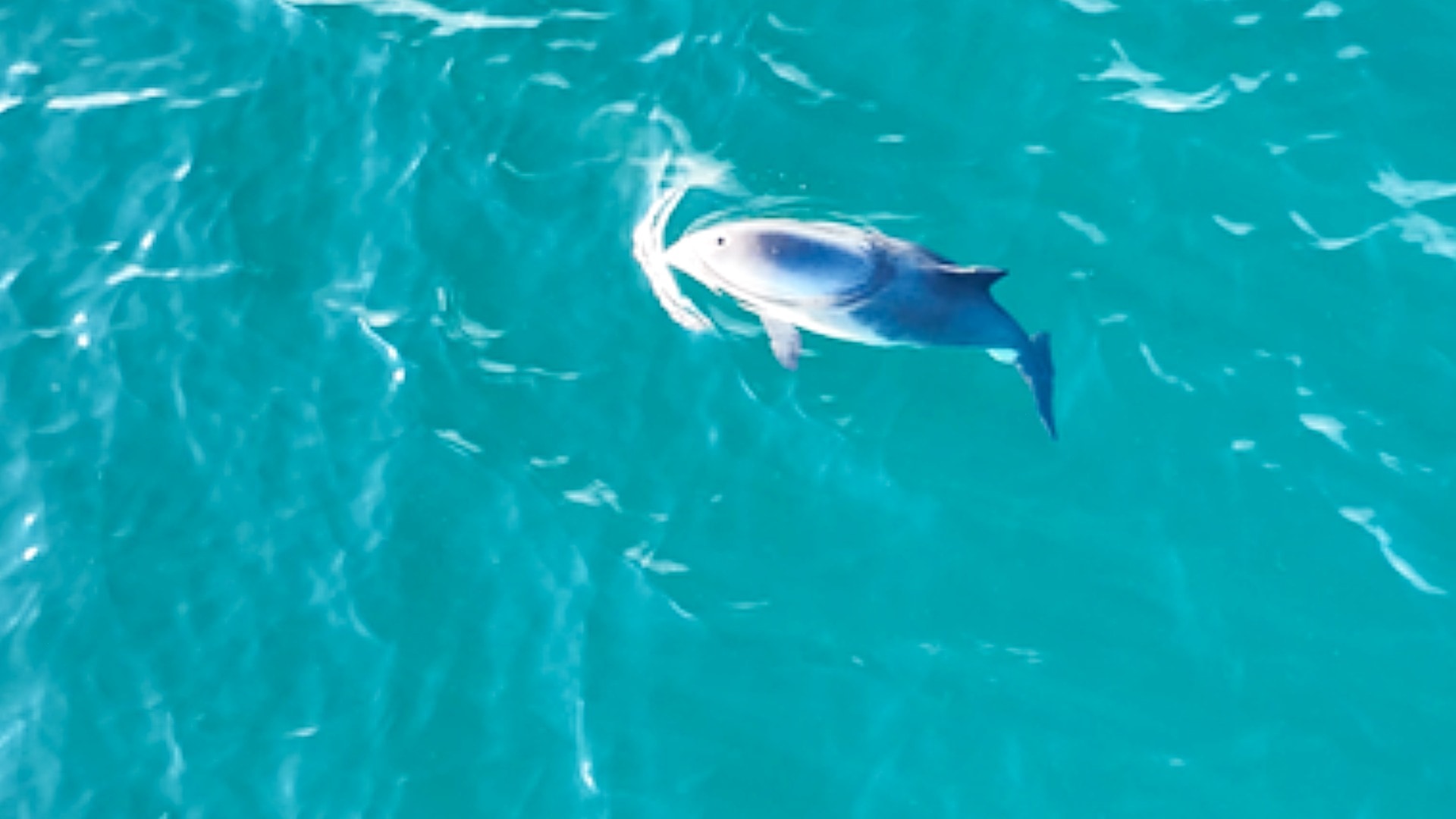
In other cases, males rolled to display their underside to females.
The research, led by Sophie Ariadne Francine Smith as part of her PhD, could help improve conservation efforts for the species in Shetland’s Important Marine Mammal Area.
“Harbour porpoises are seen from land around Shetland all year round, but one sighting involved intense splashing at the surface”, she said. “We realised it might be mating behaviour.
“It is incredibly difficult to film porpoises from boats or from land. They don’t spend much time at the water’s surface, don’t follow a predictable line, like an orca, and they are incredibly fast.
“Drone technology means we can film them from above, which gives much more accurate accounts and a clearer interpretation of behaviour.”
 McCaffery Shucksmith Smith (UHI Shetland)
Harbour porpoises are frequently spotted around Scotland. The small marine mammals typically measure between 1.5m and 2m in length and weigh between 55kg and 80kg.
Despite being common, their behaviour is not well understood because they move quickly and spend much of their time underwater.
A sighting by PhD supervisor Karen Hall, from NatureScot, first sparked the investigation after unusual splashing was seen at the surface, suggesting mating behaviour.
Dr Lauren McWhinnie of Heriot-Watt University, who co-supervised the research, said the findings would help scientists better understand how porpoises use coastal areas.
“This work helps build a clearer picture of when and how porpoises use specific coastal areas”, she said.
“Although harbour porpoise populations in the North Sea are considered relatively stable, more detailed regional data and local observations, such as those gathered in Shetland, help us to better understand their potential exposure to human activities.
“This evidence allows us to plan more effectively and take proportionate action to reduce any impacts on them.”
Researchers from UHI Shetland and partners across Scotland worked with local residents on the project, publishing their findings in the Journal of the Marine Biological Association.
Shetland was designated an Important Marine Mammal Area in 2024 based on local knowledge and research into whales, dolphins and porpoises in the region.
Researchers say continued monitoring will help build a clearer picture of when and why harbour porpoises gather in the area.
Dr Rachel Shucksmith from UHI Shetland, co-supervisor said: “Shetland was identified as an Important Marine Mammal Area (IMMA) in 2024, based on vital local and community knowledge.
“This research forms part of a wider effort to understand where, when, and why whales, dolphins and porpoises use the Shetland coastline.
“Working closely with the local community, the project is advancing our understanding of cetacean movements and deploying innovative technology designed to operate within Shetland’s narrow weather windows.”
Follow STV News on WhatsApp
Scan the QR code on your mobile device for all the latest news from around the country