 Saving Wildcats
A conservation project working to save Scotland’s critically endangered wildcats has reached a major milestone after 50 animals were released into the Highlands.
Wildcats were once found throughout mainland Britain but were declared functionally extinct in 2019 following centuries of persecution.
The new Scotland’s Wildcats strategy aims to tackle the biggest threats to the species and identify new areas for safe releases, with the goal of restoring numbers to sustainable levels by 2045.
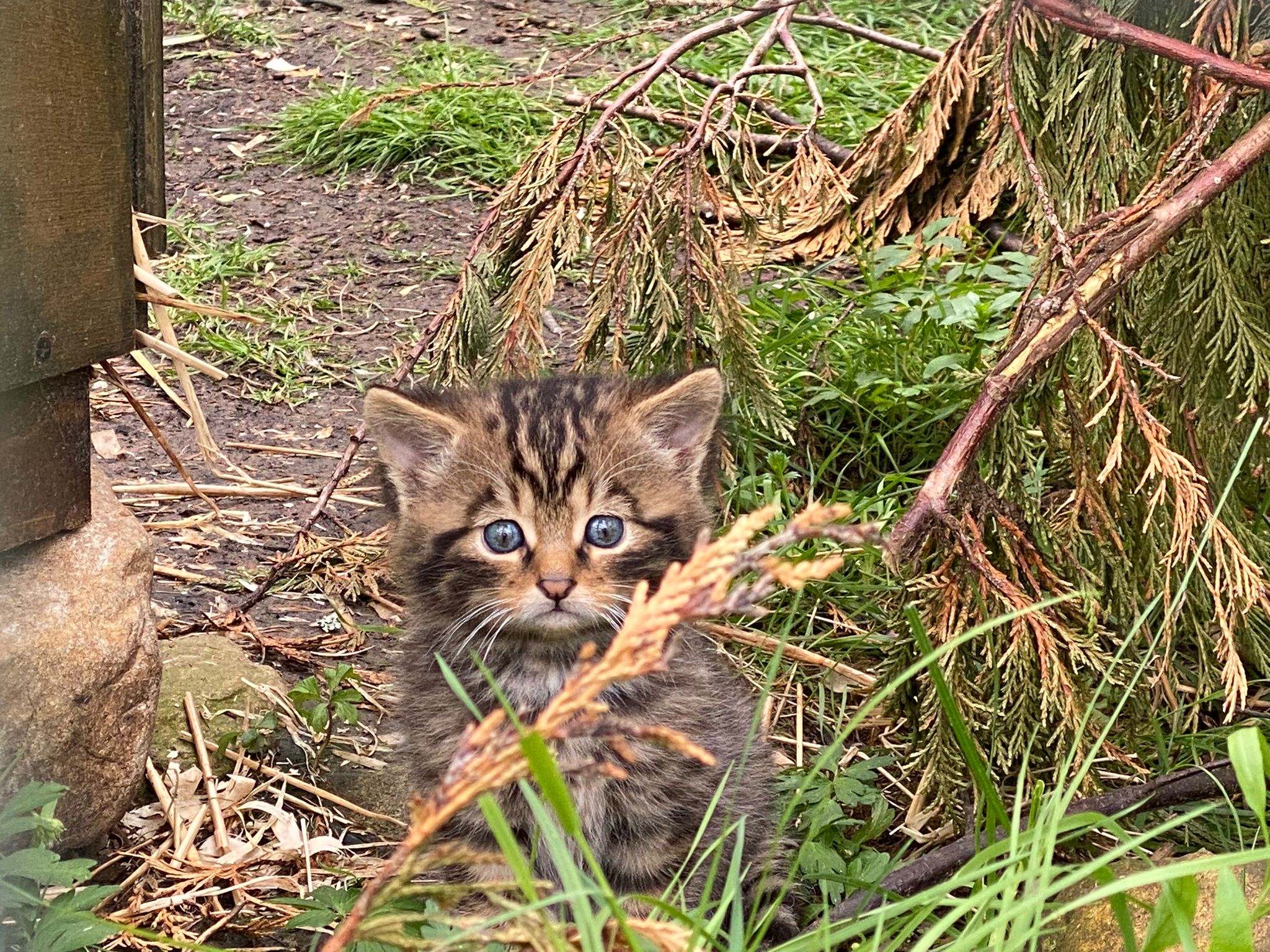
The first releases under the Saving Wildcats project took place in summer 2023, with more than 44 kittens since born in the wild.
The project hopes to bolster the released population by increasing numbers and genetic diversity through further releases, including breeding with Spanish wildcats, which are the closest living genetic relatives of Scotland’s wildcats.
David Barclay, Saving Wildcats conservation manager, told STV News: “They’re not just surviving and living out in the wild and hunting and doing what cats do, but they’re reproducing, and that’s a real sign of success for a project like this.
“The wildcat is just synonymous with Scotland, especially the Highlands of Scotland. They’re an incredibly important part of the wild ecosystems and the landscapes but also part of our culture. There are many Highland clans that used to use the wildcat as their emblem, so they’re really integrated in our history.
“We’re really passionate and strongly believe that we should give the species the best chance of survival so that future generations can enjoy this incredible species.”
 Saving Wildcats
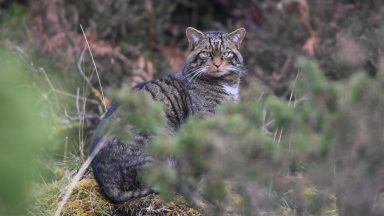
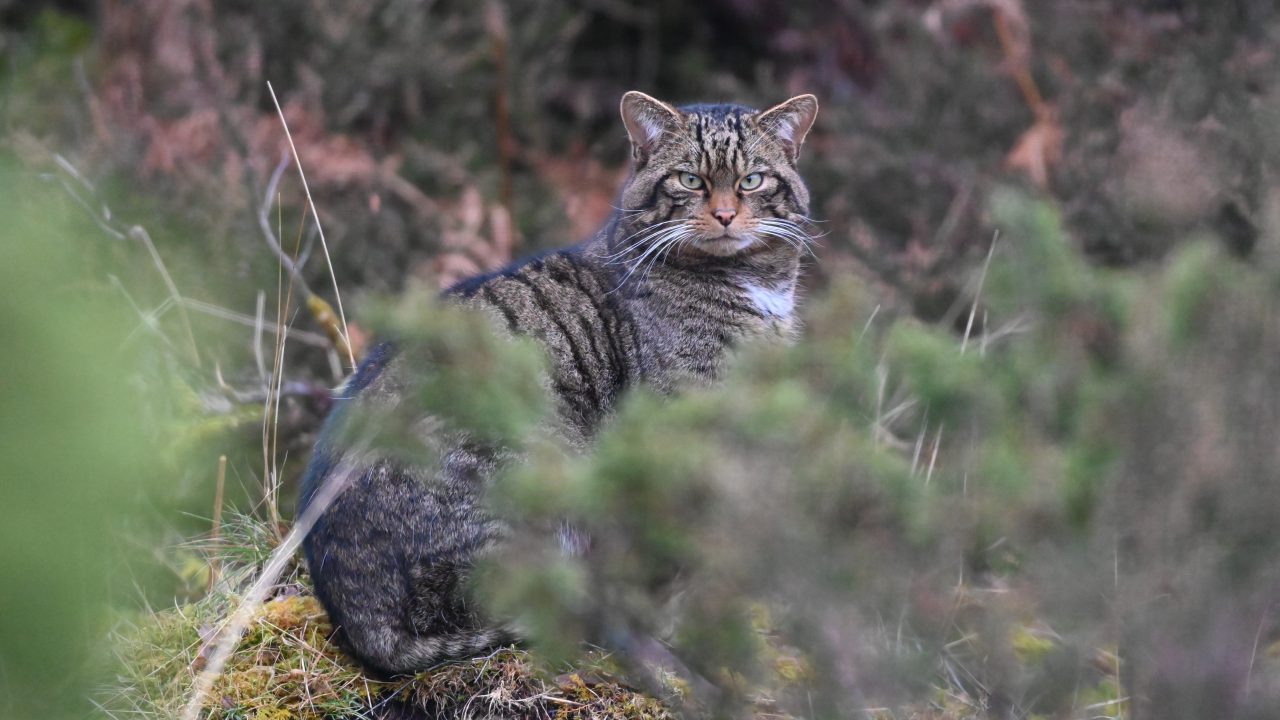
Scottish wildcats, sometimes known as Highland tigers, have lived in Scotland for thousands of years.
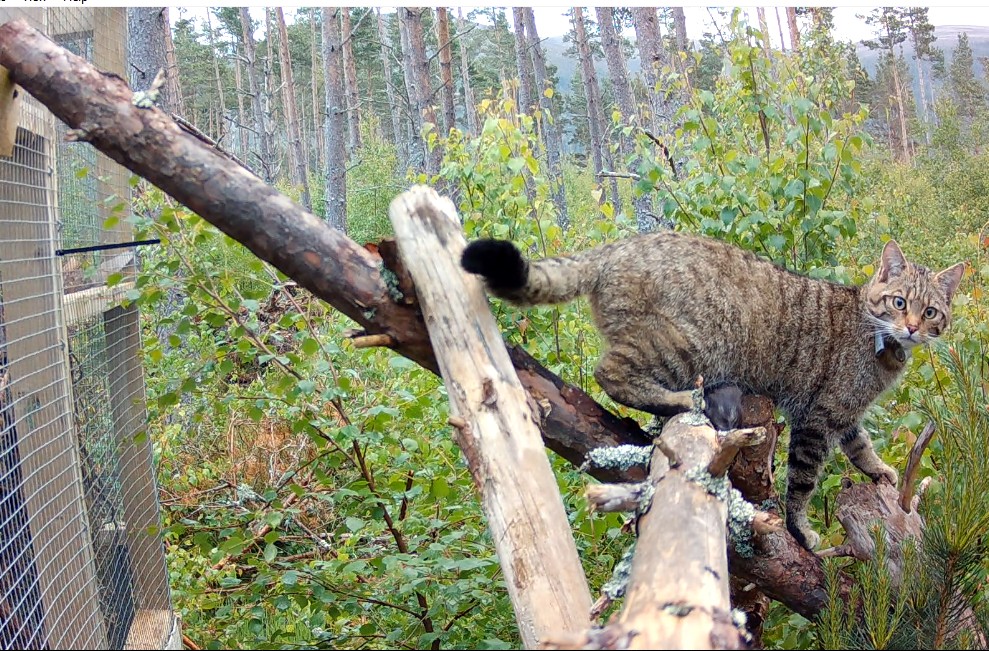
Slightly larger than a typical domestic cat, they can be distinguished by their tabby markings and thick, bushy tails with distinctive black rings.
Genetic extinction, due to hybridisation (interbreeding) with feral and domestic cats, is the main threat to Scotland’s wildcats. They are also at risk from incidental harm from predator control activities, feline disease, road collisions and habitat fragmentation and disturbance.
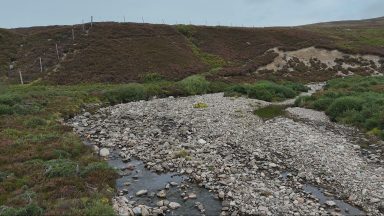
Wildcat habitats often overlap with land managed by people. These landscapes provide a mosaic of forest edge, rough grassland, scrubland and riparian areas where dry land meets water. Saving Wildcats works closely with land managers, farmers and local communities to support coexistence between wildcats and the people who live alongside them.
Eleven deaths have been recorded among released wildcats over the course of three years, with five the result of vehicle collisions. Many of these wildcats survived in the wild for several years and produced litters before their deaths.
The mortality rate is considered highly successful as rates are often higher in other similar projects.
GPS collars
 Saving Wildcats
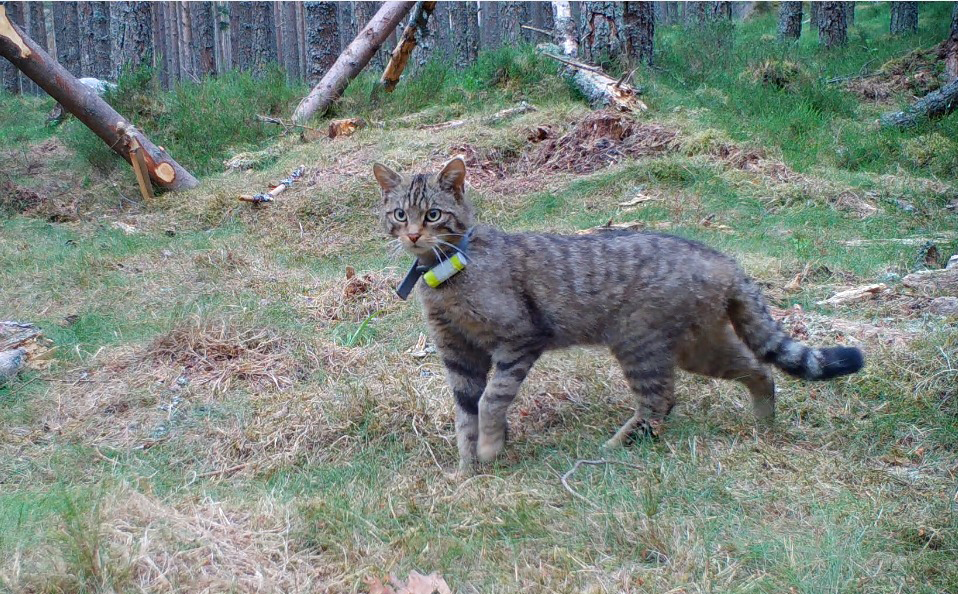
The released cats are closely monitored to establish how they are adapting to life in the wild.
“We fit all of the cats that we release with GPS collars so it means that once they’re out in the wild and free living, we can still track them and collect data on their movements and their behaviours,” said David.
“That’s a really critical part of the work that we do. We follow what’s called a best-practice approach where we’re really passionate about collecting data, reviewing it and actually sharing that with other projects so we can learn about the work that we do, the challenges and the successes.”
Despite their elusive nature, some of the released animals have already been spotted by members of the public.
“People were canoeing down the River Spey and saw one of the release cats swimming across the river, which was incredible and perhaps the first time that’s ever been found,” David said.
“We do hear these incredible stories that people are seeing them despite them being elusive and solitary.”
Cats are bred and prepared at a dedicated conservation breeding centre at Highland Wildlife Park before being released into the Cairngorms.
Preparing a wildcat for release takes around 15 months, with human contact deliberately kept to a minimum to prevent the animals becoming accustomed to people.
Success of wildcat project ‘rewarding’
 Scottish Wildcats
Saving Wildcats team leader Estelle Morgan hopes to see the project expanded across the country.
“The fact that we’ve released 50 wild cat is a huge milestone for us,” she said. “I can’t really put into words how much effort everyone has put in to achieve this.
“To see them go on and reproduce in the wild and be doing their jobs, doing exactly what they’re supposed to be doing, is the most rewarding thing ever.
“It’s really important for us that we don’t habituate the animals to people. We don’t want the animals to be used to us so that when we do release them, they’re not seeking humans for food.
“I think that we are well off the point of wild cats being deemed safe now. I think there’s still quite a lot of work to do.”
Rural affairs secretary Gillian Martin said: “As one of our most iconic species, once widespread across Great Britain, this strategy to conserve the wildcat is built on two decades of work that has created legal protection, deeper knowledge about wildcat biology, ecology and the threats they face.
“In 2023, under the Saving Wildcats partnership, the first round of wildcat releases was completed into the Cairngorms National Park, and 2024 saw the first of what has become multiple wild-born wildcat kittens taking their first tentative steps towards local population recovery.
“This new strategy builds on these early successes to begin to imagine a nationwide recovery of the species. I would like to thank all of the individuals and partner organisations for their work and dedication to get to this point and look forward to even greater success in the decade to come.”
Follow STV News on WhatsApp
Scan the QR code on your mobile device for all the latest news from around the country