An ageing workforce, limited access to land and rising costs are threatening the future of farming in Scotland.
More than two-thirds of Scottish farmers were aged 55 or over in 2025, according to the Scottish Government’s Agriculture Census, while only around 16% were under 45.
Those working in the sector say more needs to be done to attract younger people, citing finance, land availability and training opportunities as major barriers to entry.
NFU Scotland said access to land remains “one of the greatest challenges” facing new entrants and young people looking to build a future in agriculture.
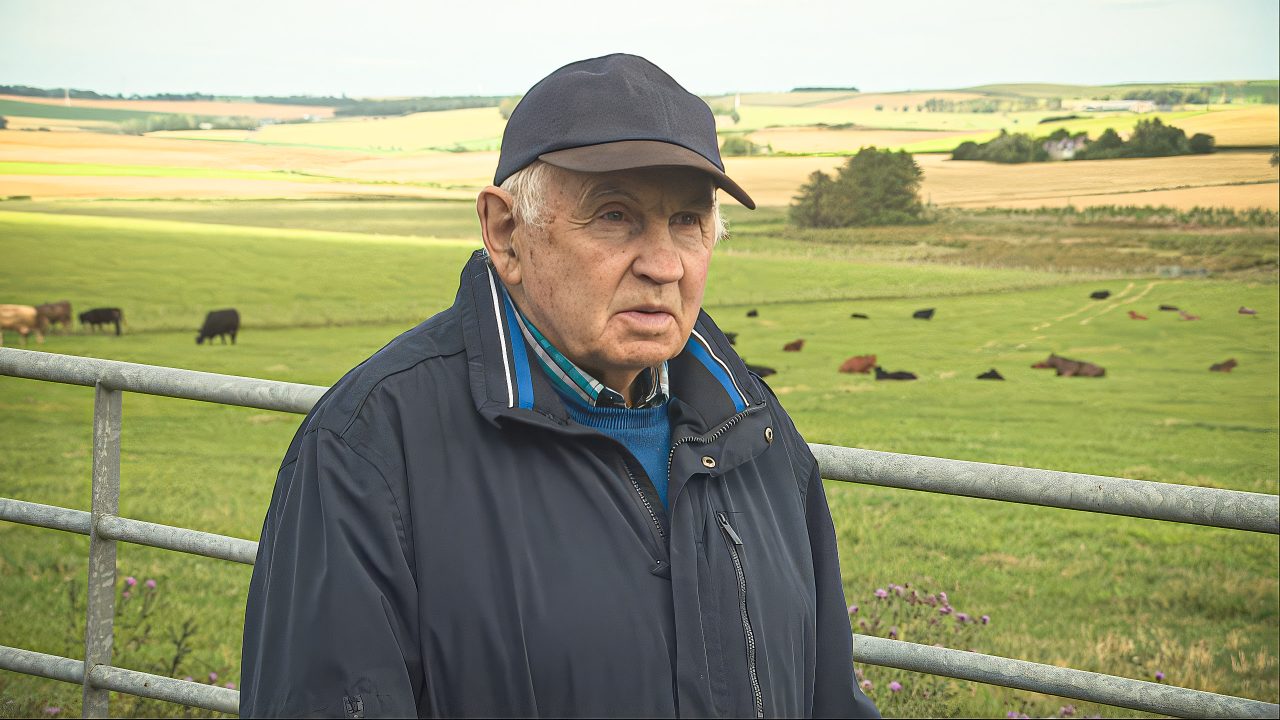
At Cloffrickford Farm near Auchnagatta in Aberdeenshire, 84-year-old David Smith still pulls on his boots every day.
After more than 60 years in farming, he is preparing to hand the business over to two young workers he hopes will keep it running for generations to come.
Born and raised on a farm in Auchenblae, David left school to work in agriculture full-time, determined to one day run his own business.
 STV News
He told STV News: “I couldn’t buy a farm down there. There were big farmers buying up farms. I had no hope of getting one. Their land was too expensive.”
In 1962, aged 20, he bought the 70-acre Aberdeenshire farm where he has worked ever since, paying £7,000 for the land. Today, he now farms around 800 acres at Cloffrickford and Skelmonae.
David believes it would be almost impossible for someone in his position to follow the same path today.
“The land is just not available. I could never start again the way I did.
“Opportunities are very much few and far between, if at all. Unless they’re a rich farmer’s son, there’s no hope in hell.”
 STV News
David’s concerns are reflected in the rising costs facing the industry, creating significant hurdles for young entrants.
Research analysed by the Agriculture and Horticulture Development Board (AHDB) highlights that total farm input costs across the UK surged by an average of 44% between December 2019 and mid-2024 alone, with straw costs (bedding) more than doubling, while electricity, fertiliser, animal feed and motor fuels increased by 38–50%.
David also believes there is a “desperate” shortage of young workers with the skills needed to fill key roles on farms.
“There’s not the same young people in the areas who can come work on neighbouring farms.
“I should have retired a long time ago, I just don’t want to. It’s part of your life and you don’t want to give it up. but I couldn’t do it myself without the boys.”
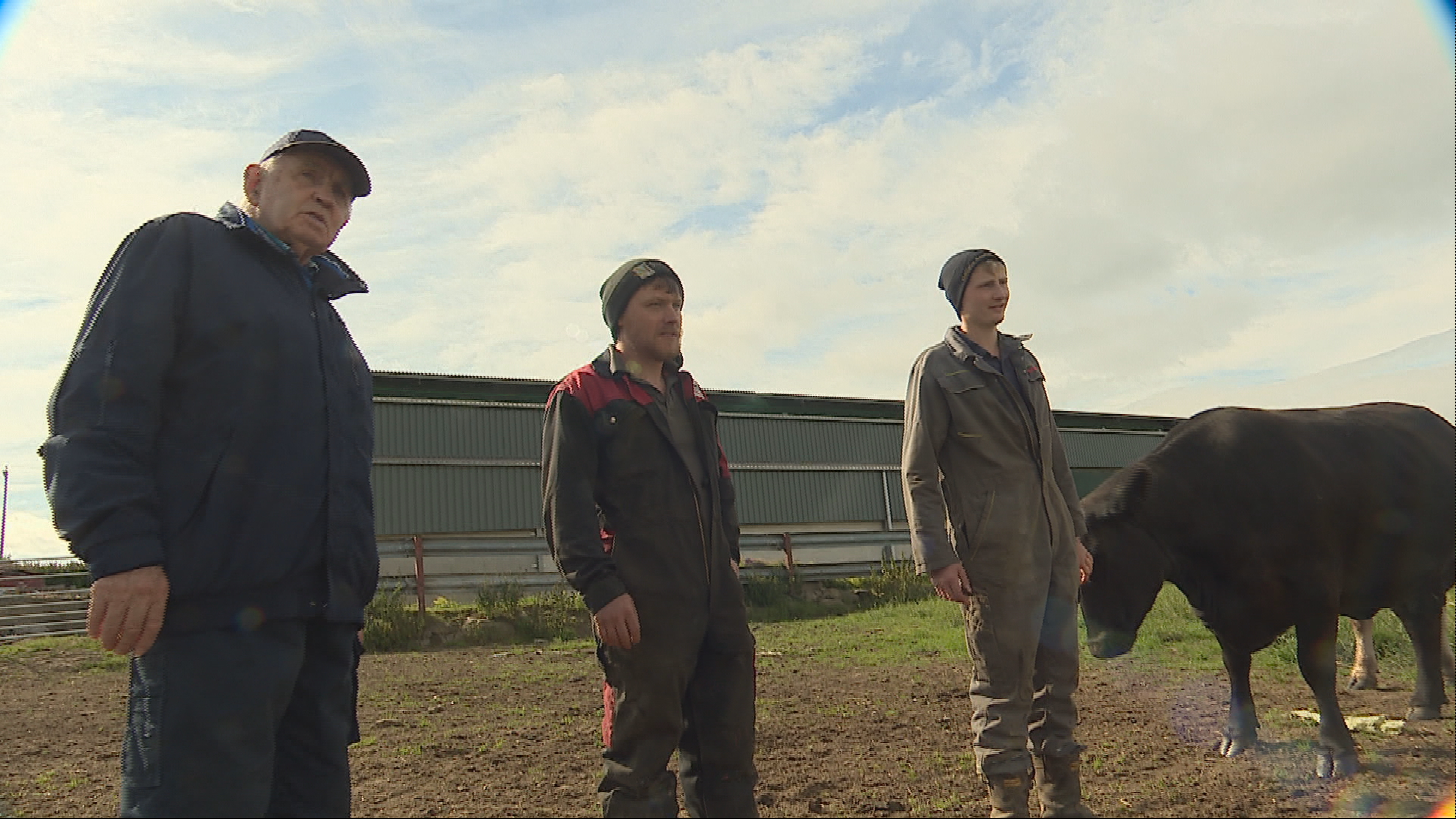
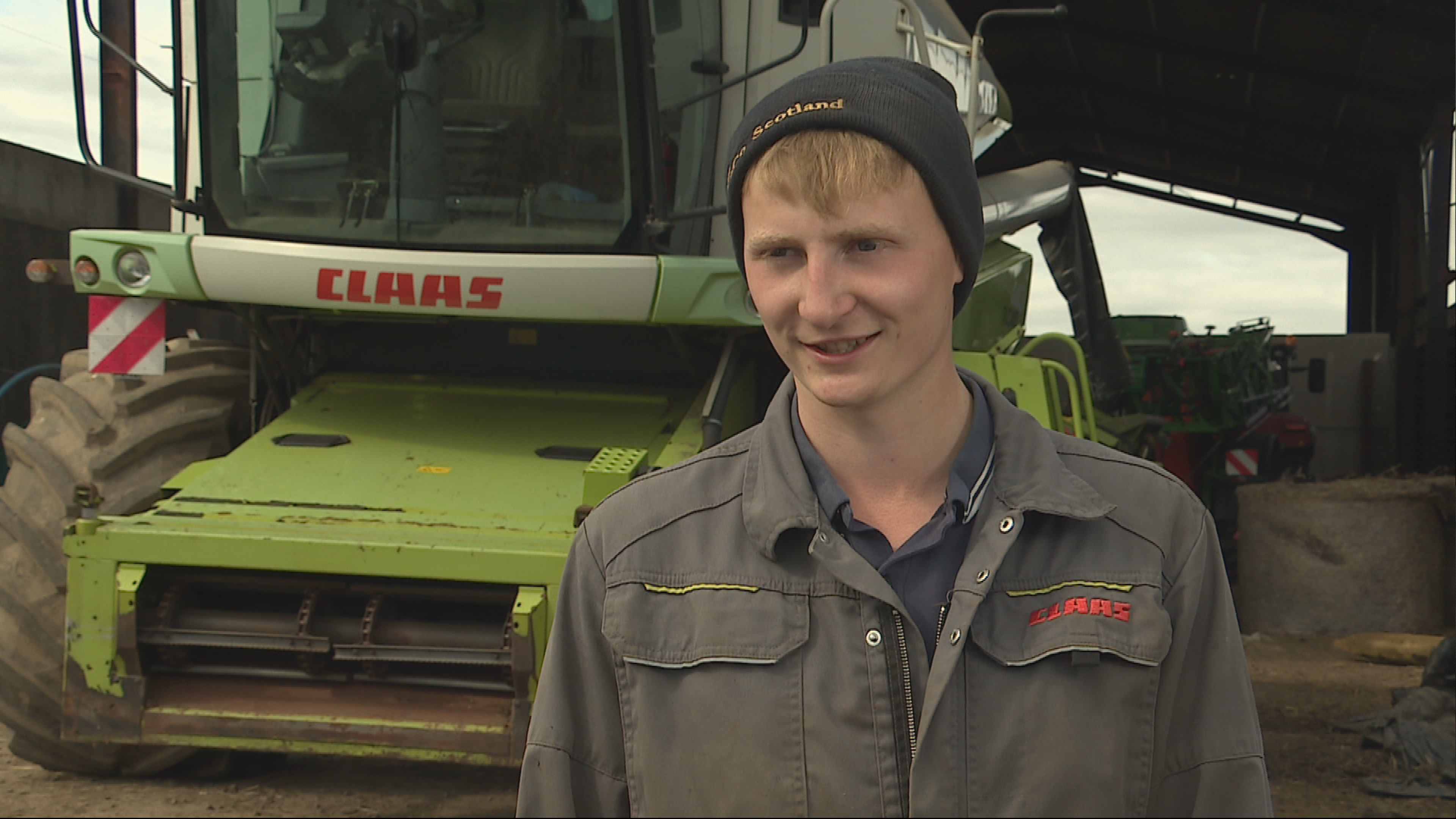
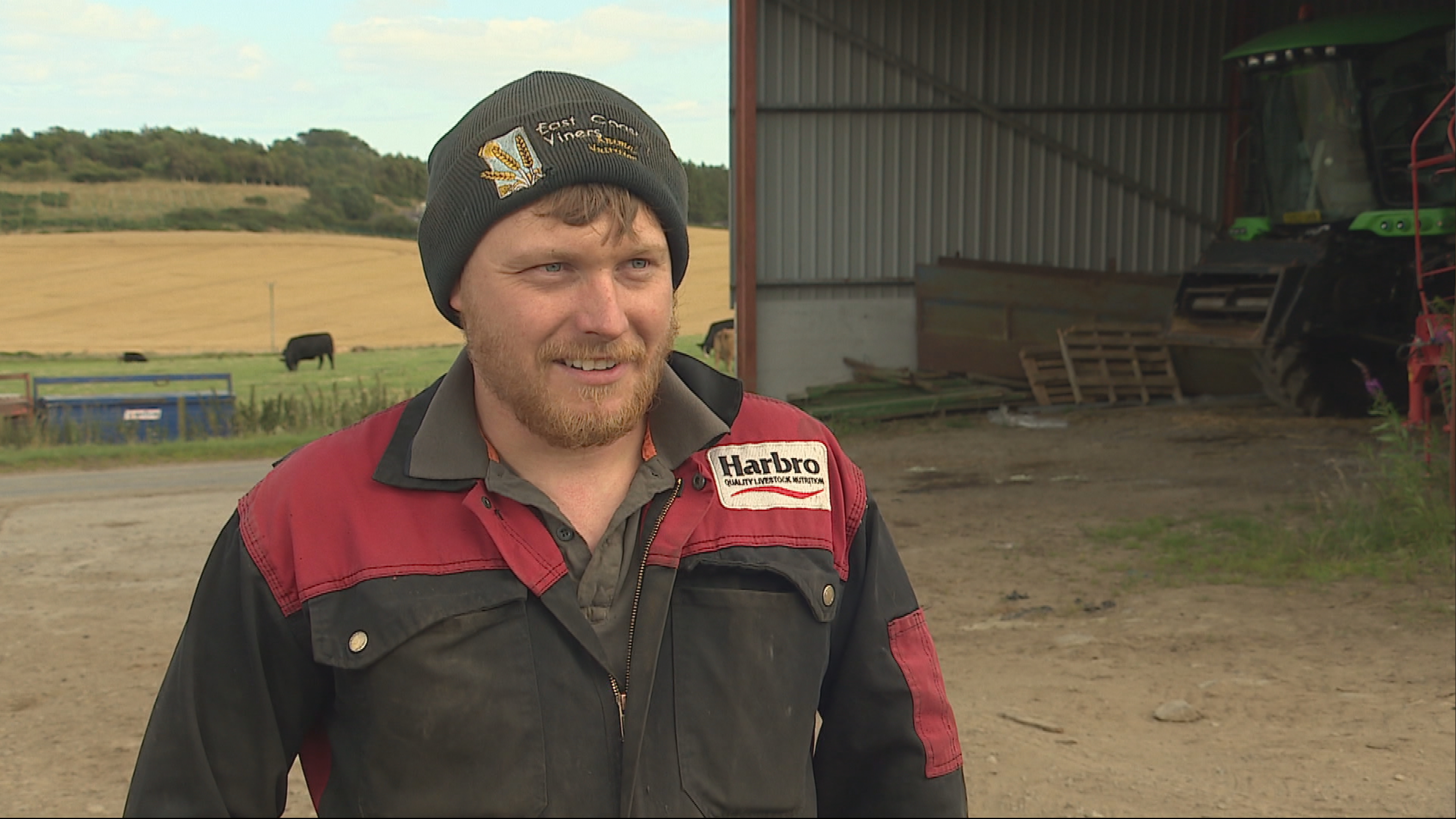
Callum Thomson, 21, and Lewis Duncan, 28, have both worked alongside David since their teenage years.
“They know the farm backwards now, and I know that I can trust them,” he said.
“I was a teenager when I started, and if I hadn’t been able to get out and do work, I wouldn’t have been able to get started. I want to help young people get a start.
“I’m hoping this farm will continue for the next 100 or 200 years.”
 STV News
Their work ranges from raising livestock and harvesting crops to welding, fabrication and machinery maintenance.
Callum joined the farm through a RingLink apprenticeship after leaving school.
“If they don’t take on anyone young, then eventually there wouldn’t be any farmers. You need somebody to take over.
“Anybody could come out and want to work on a farm, but then they might realise they don’t want to. It would be a big responsibility to take on what he’s built.”
Lewis helped his grandparents on their croft growing up and was also put onto an apprenticeship aged 15.
He said: “Every day is different, that’s what I like about it.
 STV News
“If it wasn’t for David giving me this opportunity, it would be really difficult and expensive.
“The industry is lacking young folk in it and it’s always good to see new people come in. They just need to be keen to work.”
The pair hope to continue David’s approach when they eventually take over the business.
“We’d still be keen to carry on in a similar way and take more young people on,” Lewis said.
“Maybe one day they’ll get the chance to continue it as well.”
David added: “It’s so important. If they want to learn and work hard, that’s half the battle.”
NFU Scotland said: “Access to land remains one of the greatest challenges facing new entrants and young people looking to build a future in Scottish agriculture. While there is no shortage of ambition and talent, opportunities to access land are often limited.
“We continue to work closely with Scottish Government, including through the Farming Opportunities for New Entrants (FONE) Stakeholder Group, to identify practical ways to increase opportunities and create clear pathways into the industry for the next generation of farmers and crofters.”
A Scottish Government spokesperson said: “The Scottish Government recognises that attracting new entrants to farming and crofting is crucial to the ongoing vitality, resilience and competitiveness of the sector.
“We remain committed to supporting new entrants, recognising that breaking into the sector can be daunting, especially without an agricultural background, and that even family farms and crofts aren’t always large enough to support a new entrant.
“We back new entrants through several initiatives: direct payments for young and new entrants, the Next Generation Practical Training Fund, the Land-Based Pre-Apprenticeship Programme, mentoring via the Farm Advisory Service, the Scottish Land Matching Service, and work through the Farming Opportunities for New Entrants Group to open up opportunities on public land.
“Ministers also engage regularly with young and new entrants to understand their challenges and opportunities, helping shape future policy and support.”
Follow STV News on WhatsApp
Scan the QR code on your mobile device for all the latest news from around the country