 LDRS
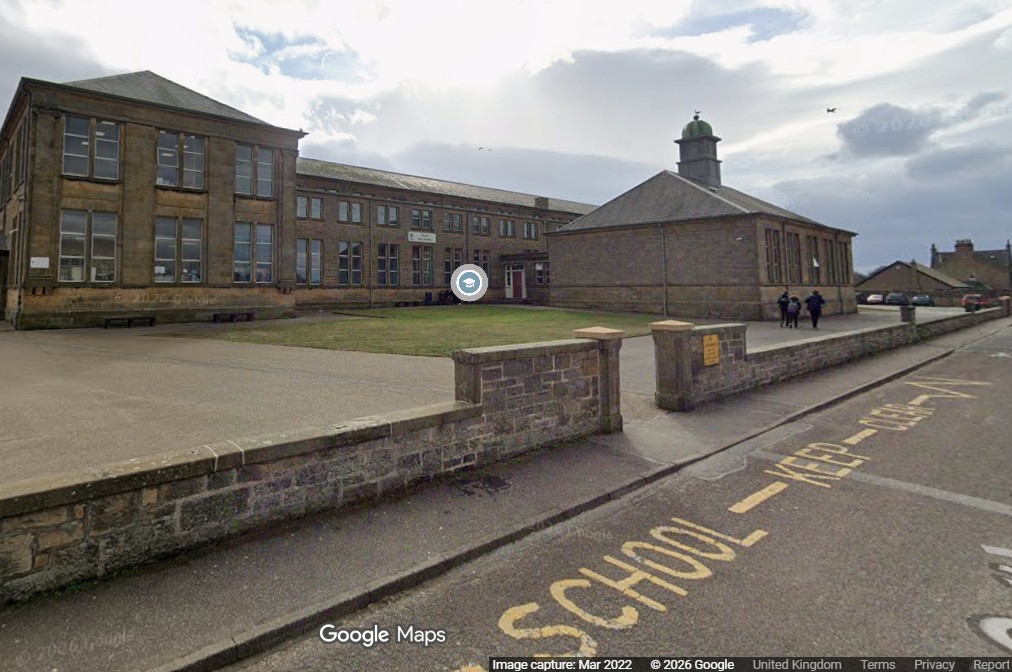
LDRSMoray Council has signed off a major upgrade project for Buckie High School, but some councillors pushed the Scottish Government to put “their money where their mouth is” to enable future improvements.
Councillors agreed to begin phase one of the long-awaited repurpose and rebuild of the old building at a meeting of the education, children’s and leisure services committee on Tuesday.
It will see the refurbishment and repurpose of the ASN, canteen, kitchen and social area in the school with an estimated price tag of £13m.
The work will be funded by the Scottish Government through the learning estate investment programme (LEIP) with money originally meant for the Elgin High School extension before it was downscaled due to reduced pupil forecasts.
Talks between Moray Council and the Scottish Government are still underway to confirm this transfer.
However, some councillors felt clarity was needed following a manifesto pledge by the First Minister John Swinney in April, when the party committed to a “new Buckie High School in Moray”.
The meeting saw agreement that council leader Kathleen Robertson should write to the Scottish Government seeking more information on the statement – although no send date has been confirmed as of yet.
Backing the proposal, Councillor Sandy Keith (Elgin City North, Labour) said it sounded like a “cast iron guarantee” from the government to fully fund and build a new school in Buckie.
He added they need to “put their money where their mouth is”.
The decision to deliver the Buckie High School project in phases was due to the original plan for a £31.7m all-in-one refurbishment being deemed “unaffordable”, according to the council report.
Priority was given to the ASN department of the school as it is expected to run out of capacity, with the second part of the project – Victorian block refurbishment – pushed back until more funding is available.
Buckie Councillor Sonya Warren (SNP) wanted to know what mitigation measures would be put in place during construction as she raised concerns about a phased approach taking longer to complete.
Service manager for education Andy Hall explained they would “work closely” with colleagues especially when work begins in the ASN department.
He said that if all the funding was in place they could “deliver phase after phase” with a minimum period of four years.
However, he added, when looking at affordability, it was more likely to take around six to seven years to fully complete the project.
Follow STV News on WhatsApp
Scan the QR code on your mobile device for all the latest news from around the country