A Scottish oncologist overseeing Europe’s first patient to receive a cancer vaccine in Dundee has said the injection could be a “game changer” for cancer treatment worldwide.
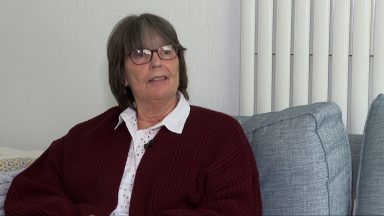
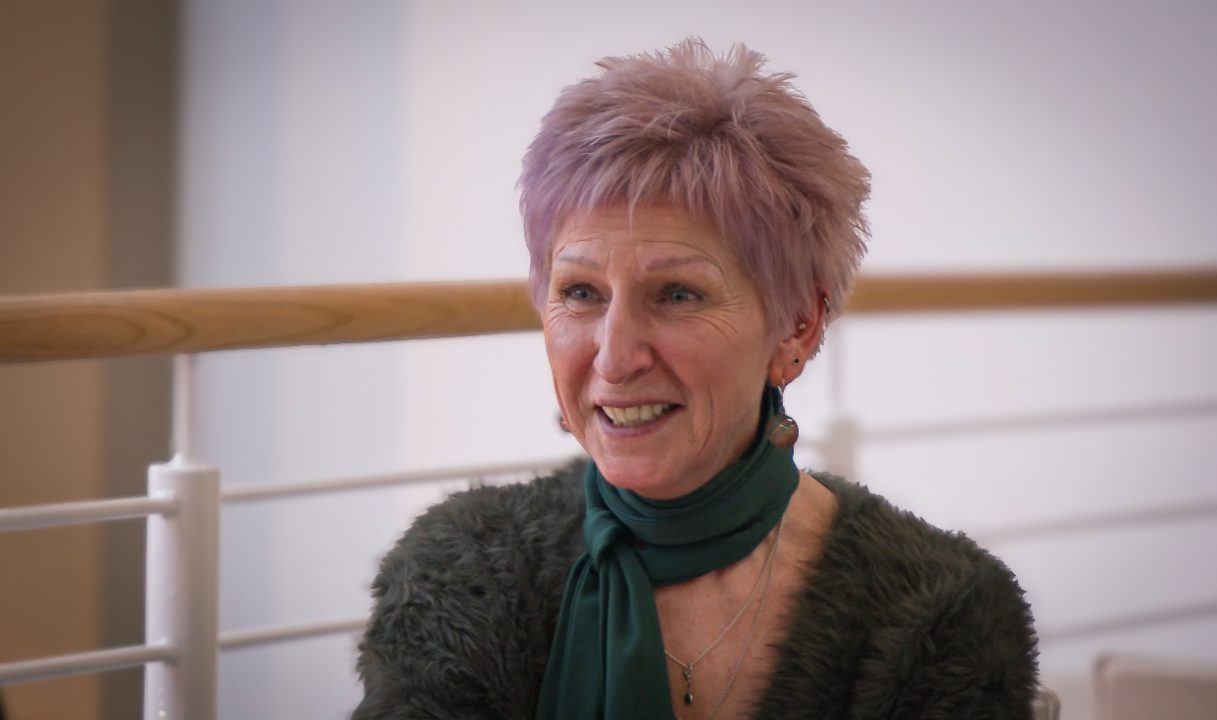
Jennifer Robertson, from Broughty Ferry, was diagnosed with gastro-oesophageal cancer in 2024.
The 60-year-old sought help from her GP after suffering from acid reflux and food travelling back up her oesophagus.
Often referred to as the “hidden disease”, oesophageal cancer can be difficult to detect in its early stages.
By the time Jen was diagnosed, her tumour had already advanced. Determined that some good would come from her illness, she agreed to join a new global trial when approached by Russell Petty, professor of medical oncology at the University of Dundee.



“I said yes straight away,” Jen said, “not for a minute thinking it was going to be as big as it was.”
“The treatment, a lot of the treatment that I had – I dare say – came around with other cancer research and other people doing trials, even years and years ago.”
Traditionally, vaccines prevent disease, protecting whole populations from viruses and infections by teaching the immune system how to respond.
But this one was created just for Jen using a biopsy of her tumour.
She’s one of 20 individuals involved in the first stage of the global trial and the first patient to receive a cancer vaccine in Europe.
Director of research and development at NHS Tayside, Professor Petty said: “It reflects the fact that cancer isn’t just one disease, it’s many different diseases, and each individual patient’s cancer is different, and therefore it makes sense to try and tailor your treatment right down to that individual level.
“It’s really only been in recent years that we’ve had the scientific technology to be able to do that, but it’s part of a pathway of gradually making treatments more precise, more individualised, and this is the most individualised yet.”
“We wouldn’t have bene doing these trials now if it wasn’t for the pandemic.”
At the end of 2020, when the world was in the grips of a pandemic, the first Covid-19 mRNA vaccine was administered.
Jen’s personalised cancer vaccine uses similar technology, which allowed the research to advance.
“We wouldn’t have been doing these trials now if it weren’t for the pandemic,” Professor Petty said.
“At the moment, there are about 80 patients in the world taking part in trials of this type, not just oesophageal and stomach cancer. Obviousl,y if the results look promising, it will be rolled out to a much larger trial involving hundreds, if not thousands, of patients.
“That would be the trial designed to really prove that these are effective treatments, and then beyond that would be when they become available as a routine treatment.”
In 2025, Jen underwent an 11-hour operation to remove the tumour. During the procedure, one of her lungs was deflated, and most of her stomach was removed.
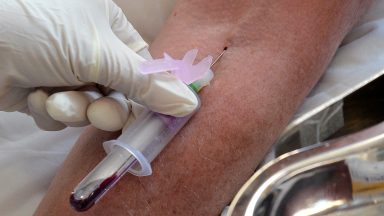
Alongside surgery and chemotherapy, she received a vaccine every three weeks as part of the trial.
She said: “The side effects were quite horrendous with that, but having gone through the operation plus the chemo as well, it was just another thing too.
“Because this was doing so much good, I thought, just get on with it.”
Professor Petty has overseen more than 150 trials over two decades. He believes this trial could be revolutionary for cancer care.
He said: “It is potentially a game changer.
“It’s all going really well, we’re really delighted with how she’s done.
“There are lots of things that might happen, but it has the potential to change the way we treat cancer.”
Despite an extremely challenging diagnosis and recovery, which has left her with limited energy and appetite, Jen is not only cancer-free but also grateful for her experience as part of the trial.
“The trial’s made me feel like some good has come out of it. Some good has come out of me having cancer.
“I’m very proud of it, very proud to be part of something so big.”
Russell will be keeping a close eye on Jen’s progress for a number of years while dedicating his time to helping patients across Tayside.
He said: “I think doing trials in Dundee, in Ninewells and in the medical school here benefits our patients here, but it benefits patients everywhere because of the knowledge it generates.
“It is amazing that we can offer these cutting-edge, world-leading trials in NHS Scotland and in Ninewells and in Dundee.”
Follow STV News on WhatsApp
Scan the QR code on your mobile device for all the latest news from around the country