 STV News
Police initially treated the death of a man found with 30 shotgun pellet injuries to his face as non-suspicious, a court has heard.
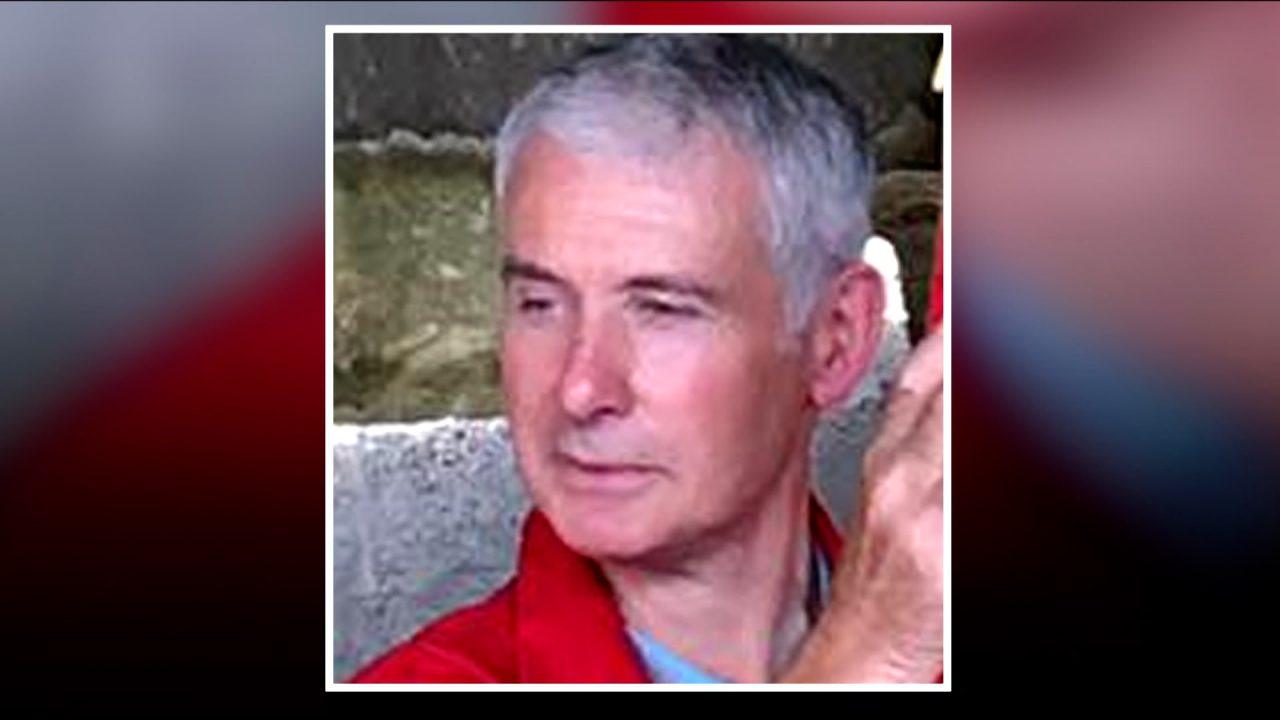
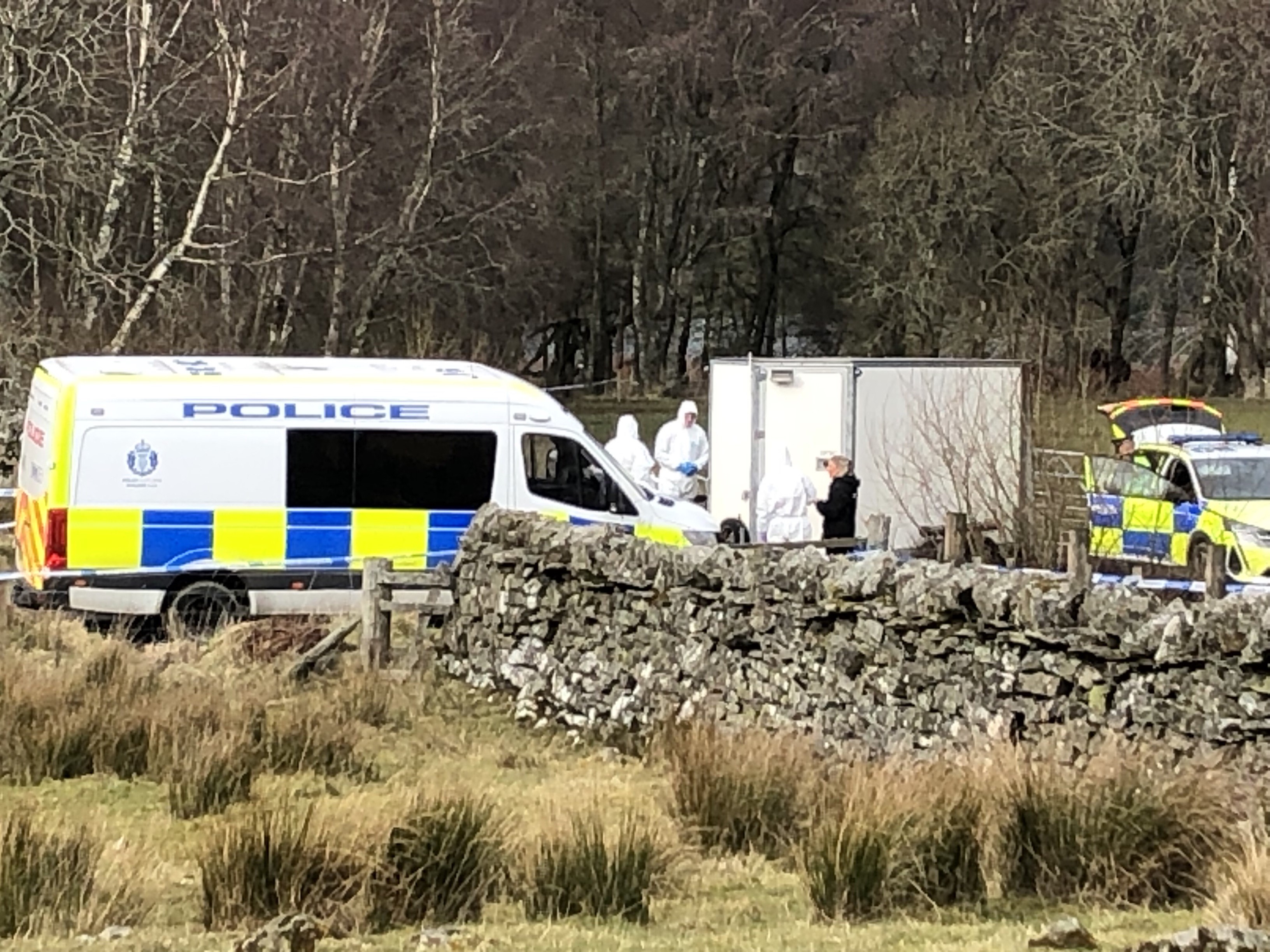
Brian Low was discovered lying on the grass beside a track in rural Leafy Lane in Aberfeldy, Perth and Kinross, on the morning of February 17, 2024.
The High Court in Glasgow was shown a number of photos of the 65-year-old’s body at the scene.
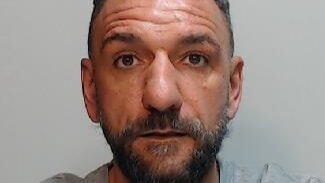
Former head gamekeeper David Campbell is on trial, charged with murdering Mr Low by shooting him to death at Leafy Lane near the Pitilie Track on February 16, 2024.
The 77-year-old denies the accusation and has lodged a special defence of alibi.
PC Andrew Beattie, who was the first uniformed officer at the scene that Saturday morning, gave evidence.
Mr Low had initially been discovered by a man who knew him. The ex-groundsman’s black Labrador, Millie, was also nearby, protective of her owner.


The body of Mr Low, who stayed in the area, had been covered with a blanket and a jacket when PC Beattie arrived.
The officer told prosecutor Greg Farrell that he could initially see blood on the man’s hands and face.
He added: “I did not think it looked good.”
PC Beattie stopped to call his supervisor before CID were alerted.
 STV News
This was said to be a “standard procedure” for any outside death.
After speaking to other witnesses at the scene, PC Beattie left to try and speak with Mr Low’s partner at the couple’s cottage, which they shared with their granddaughter.
He eventually spoke to her at her work to break the news of Mr Low’s passing.
The constable returned to the scene to assist DC Mark Chance in photographing the body.
The officer told the court how DC Chance had spoken to a supervisor, and the death was determined as “non-suspicious”.
He then submitted a “death report” on that basis.
Jurors earlier heard in the trial how Mr Low, who previously worked beside Campbell on the Edradynate Estate in Aberfeldy, had died from gunshot wounds to the neck and chest.
The witness told the court that the force would have reacted differently had the death been treated as suspicious, including closing off the area as a crime scene.
The court heard how the scene was not closed off or treated as a crime scene until “some time later”.
The officer was later cross-examined by Campbell’s lawyer, Tony Lenehan.
The KC put to him that, from looking at least one of the photos of Mr Low’s face, there were “multiple sites of injury”.
PC Beattie said at the time, due to the amount of blood, it was “hard to tell”.
Mr Lenehan said: “We will come to hear that there were a number of black holes representing the penetration of gunshot pellets. That was not apparent at the time?”
PC Beattie said: “No, it was not apparent at the time.”
The defence advocate suggested the assessment made “did not capture the correct info”.
He added: “You can agree that it is regrettable now?”
PC Beattie replied: “We can very much agree.”
DC Chance, who has been in CID for six years, also testified that he believed Mr Low’s injuries were consistent with him falling while out for a walk.
He went on to state to jurors that there was nothing initially in his “thought process” that a man had been shot and killed in a field.
The officer accepted that he had never dealt with a “firearm homicide” prior to that day.
Mr Farrell said such killings are still “relatively rare” in Scotland and are more linked to organised crime in urban areas.
The prosecutor put to the detective that what happened to Mr Low was “far removed from that”.
Mr Farrell: “Fair to say the circumstances of this case, this rural location, a seemingly ordinary man walking his dog close to home…this perhaps influenced your assessment that this was a medical incident and a fall.
“You now know that the assessment was wrong?”
DC Chance: “I do, yes.”
Defence KC Mr Lenehan later stated to the witness that Mr Low’s face had 30 shotgun pellet injuries.
The advocate suggested that the initial belief about what happened to the man was a “glaring mistake”.
This led to a forensic tent not being put up at the scene until February 23.
Mr Lenehan said this was all “a regrettable state of affairs”.
The KC: “The error of the identification of the type of death was widely reported at the time.
“The police force held an internal inquiry.
“Fair to say that this was all very embarrassing for Police Scotland?”
DC Chance: “Could not comment on that.”
Mr Lenehan: “As a police officer, you think it showed Police Scotland in its finest?”
He replied: “I do not, no.”
The trial continues.
Follow STV News on WhatsApp
Scan the QR code on your mobile device for all the latest news from around the country