 University of Aberdeen via Supplied
A storm has revealed 2,000-year-old footprints on an Angus beach, thought to be the first discovery of its kind in Scotland.
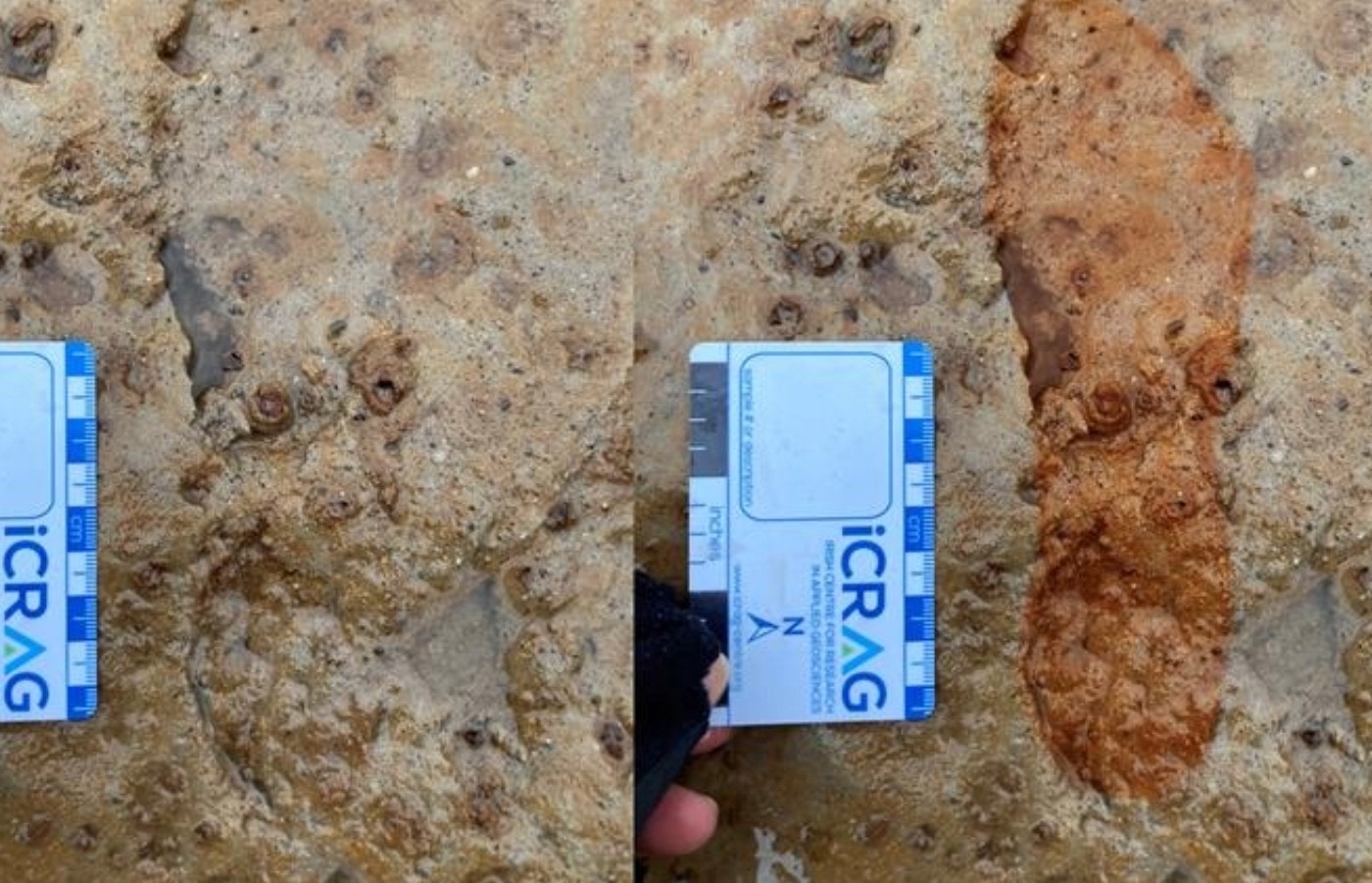
The imprints of human and animal feet, thought to be made around the time of Boudicca, Jesus, and the height of the Roman Empire, were temporarily revealed by shifting sands at Lunan Bay.
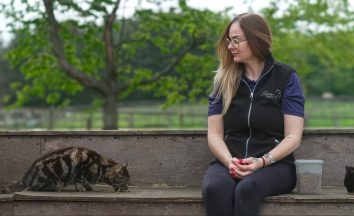
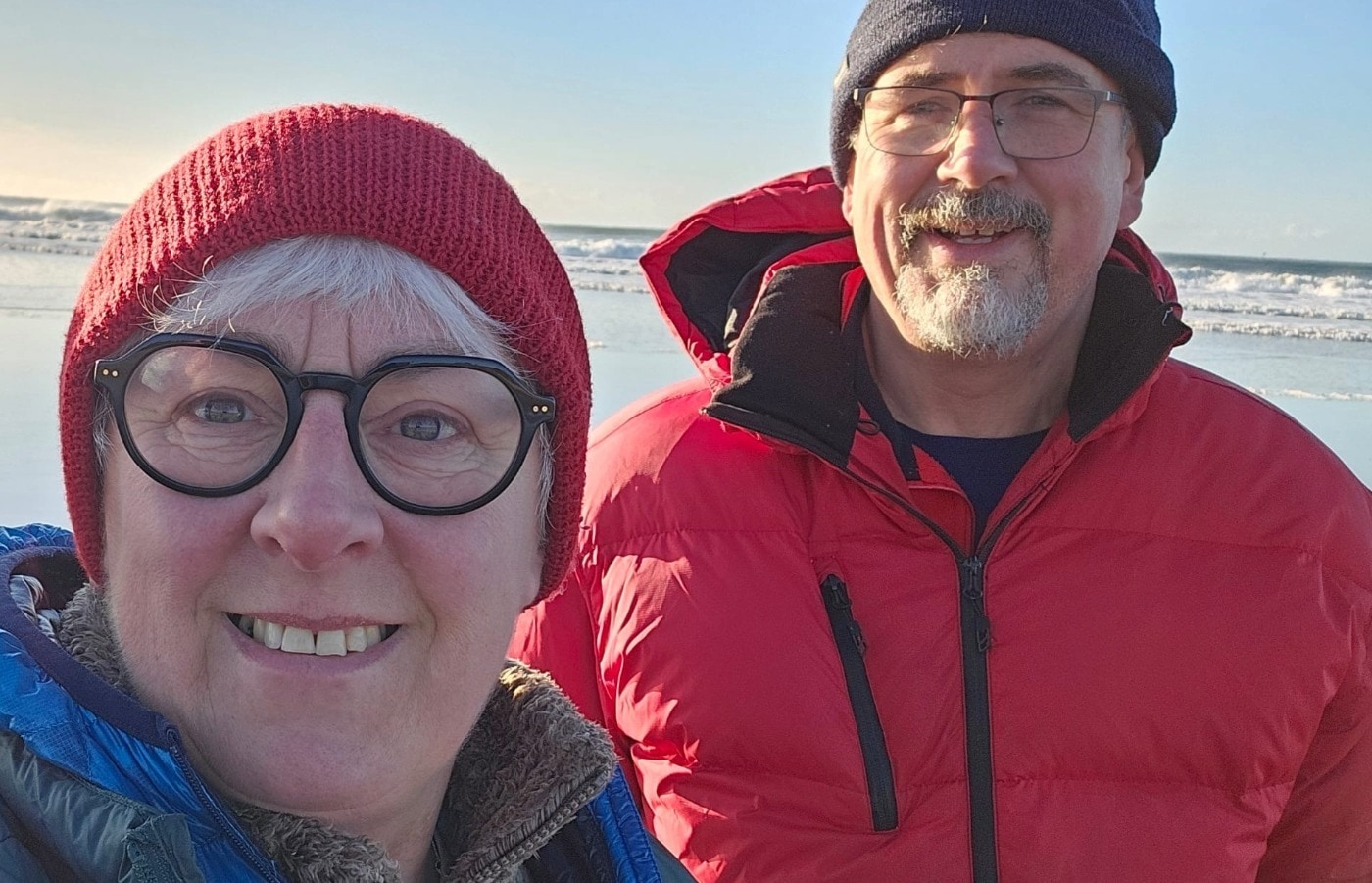
Locals Ivor Campbell and Jenny Snedden were walking their dogs along the sands when they saw that storm damage to the dunes had revealed a fresh layer of clay, which formed distinct markings.
Ivor called council archaeologist Bruce Mann who, suspecting both the significance of the discovery and the race against time they faced to capture it, called in expertise from the University of Aberdeen.
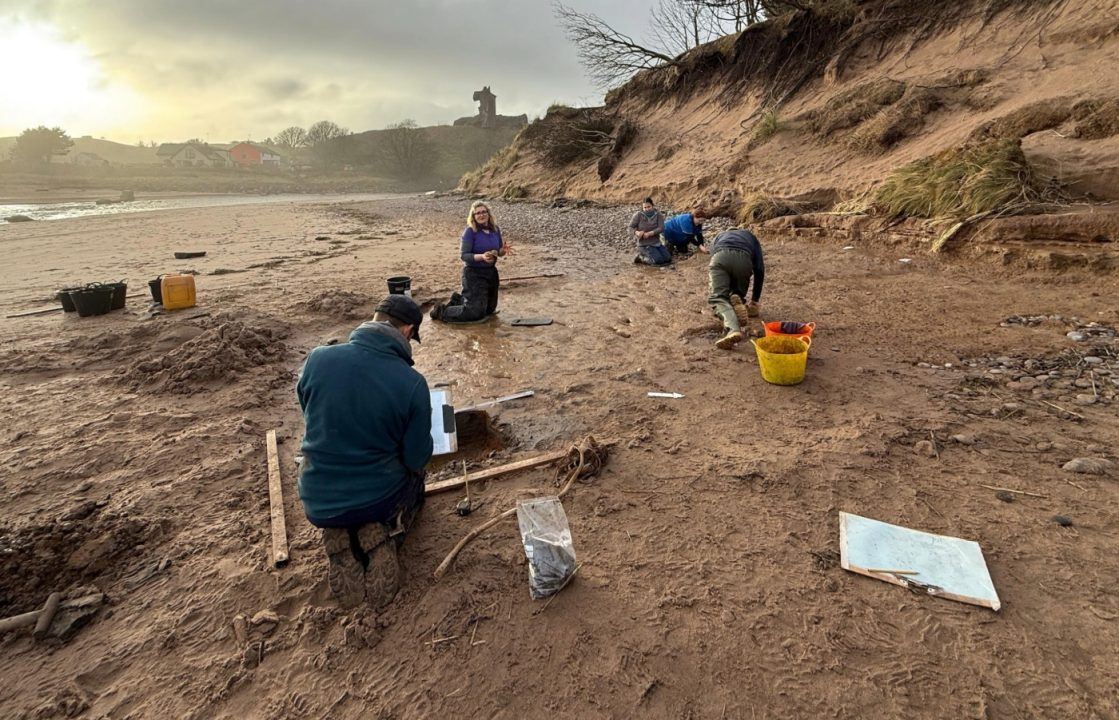
A team of archaeologists led by Professor Kate Britton raced to the scene, picking up essential supplies like Plaster of Paris in a craft store.
 University of Aberdeen via Supplied
Professor Britton said: “We knew we were dealing with a really rare site and that this discovery offered a unique snapshot in time, but it was also clear that the sea would soon take back what had so recently been revealed.”
Similar markings have been identified at a small number of sites in England, including the Severn Estuary, Formby in Merseyside, and Happisburgh in Norfolk, but there is no previous record of a site in Scotland.
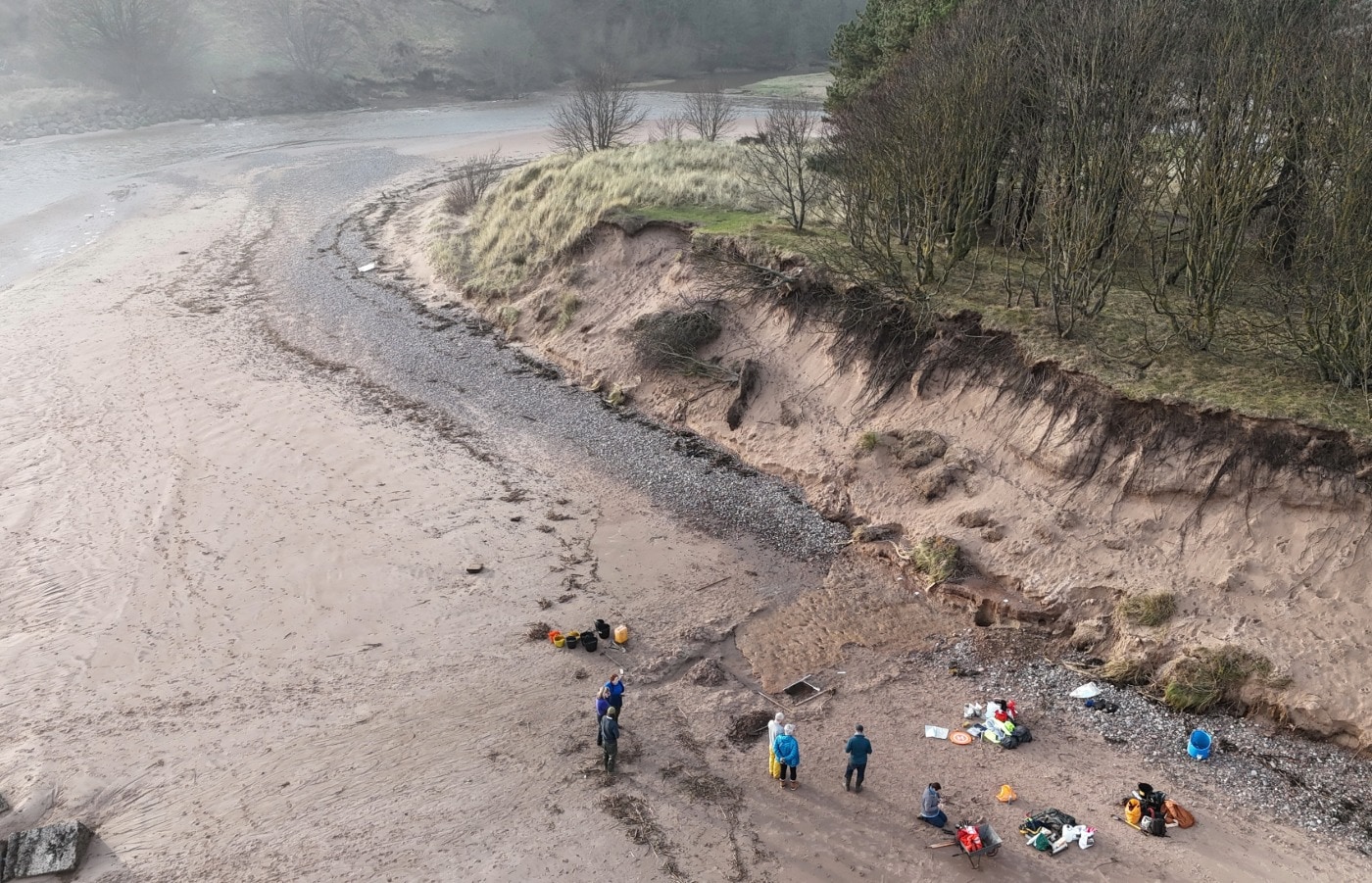
The team, including a group of faculty staff and PhD students, worked in windspeeds of more than 55mph while being battered by whipped up sand to preserve evidence of the footprints.
Jenny and Ivor helped carry buckets and made cups of tea as the small team of archaeologists recorded and mapped the site, capturing 3D models and physical casts of the prints.
“We had to work fast in the worst conditions I’ve ever encountered for archaeological fieldwork, the sea was coming in fast, with every high tide ripping away parts of the site, while wind-blown sand was simultaneously damaging it,” Professor Britton added.
“We were effectively being sand-blasted and the site was too, all while we were trying to delicately clean, study and document it, so it became a race against the elements.
“And, within 48 hours the entire site was destroyed.”
 University of Aberdeen via Supplied
Back in the laboratory, they selected preserved plant remains found in deposits just below the footprints for radiocarbon dating, which has recently confirmed the markings were made around 2,000 years ago.
Ongoing analysis of the footprints has identified red deer, roe deer and other animals, as well as humans who would have walked barefoot on the now semi-fossilised clays.
Archaeologists say the unique find offers a window into human activity along the Angus coastline and the changing nature of the landscape.
The drone images will help establish a baseline for examining the rate of erosion of this part of the coast, and the risks to other potential sites.
Dr William Mills added: “It is incredibly rare to see such a delicate record saved, taking only minutes to create and hours to be destroyed, a snapshot of what people were doing thousands of years ago.
“The site also tells us how this now sandy beach was once a muddy estuary and that humans were using this environment, perhaps for hunting deer or to collect wild plant foods such as samphire.
“While this site was very short lived, it demonstrates the potential for similar finds – any of the clays of the wider Montrose basin area could preserve more of this important archaeological information.”
 University of Aberdeen via Supplied
Bruce Mann, regional archaeologist serving Aberdeenshire, Angus, Moray and Aberdeen City Councils, praised the quick thinking of Ivor and Jenny in enabling analysis of the site to take place.
He said: “As soon as I saw the first photograph, I realised I was looking at something very special. It was a powerful reminder that some of the most important discoveries start with someone noticing something and choosing to report it.
“What came next was a race against time, and I cannot thank the University of Aberdeen team enough for responding to my call for help.
“Standing there, watching the site being destroyed as the waves crashed over it, was heartbreaking in some ways, but at least we got the chance to record most of it. There is nothing left now, the storms having both revealed and then destroyed the site in just over a week.”
Follow STV News on WhatsApp
Scan the QR code on your mobile device for all the latest news from around the country