It’s an assessment which tens of thousands of children in Scotland are looking to access, one which has waits of up to six and a half years.
Demand on neurodevelopmental services has soared in recent years and the NHS is struggling to keep up.
And as the new school term gets under way, there are fresh calls for the Scottish Government to take action to cut waiting times to support families in crisis.
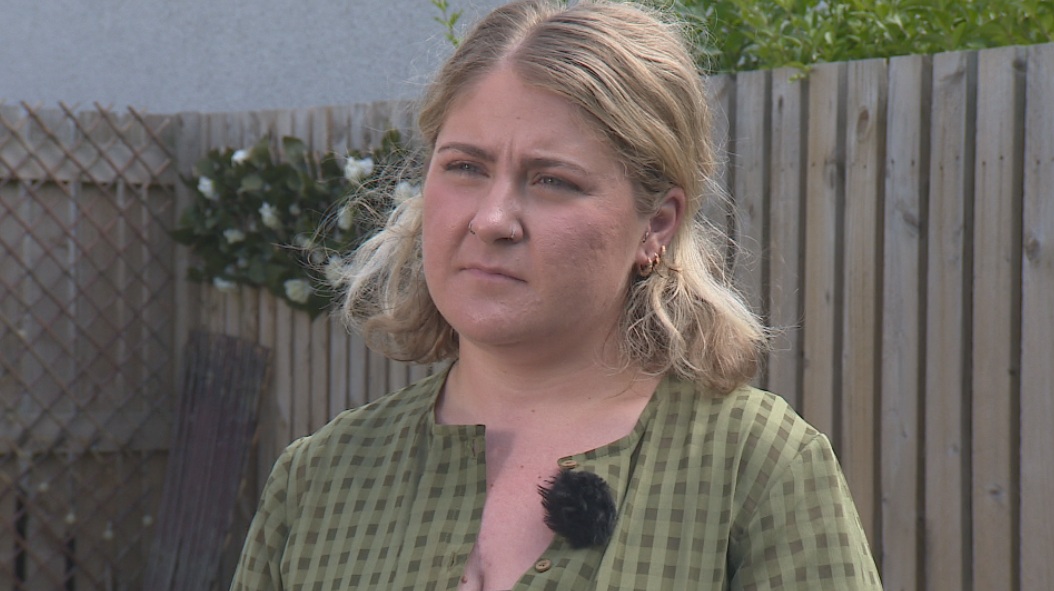
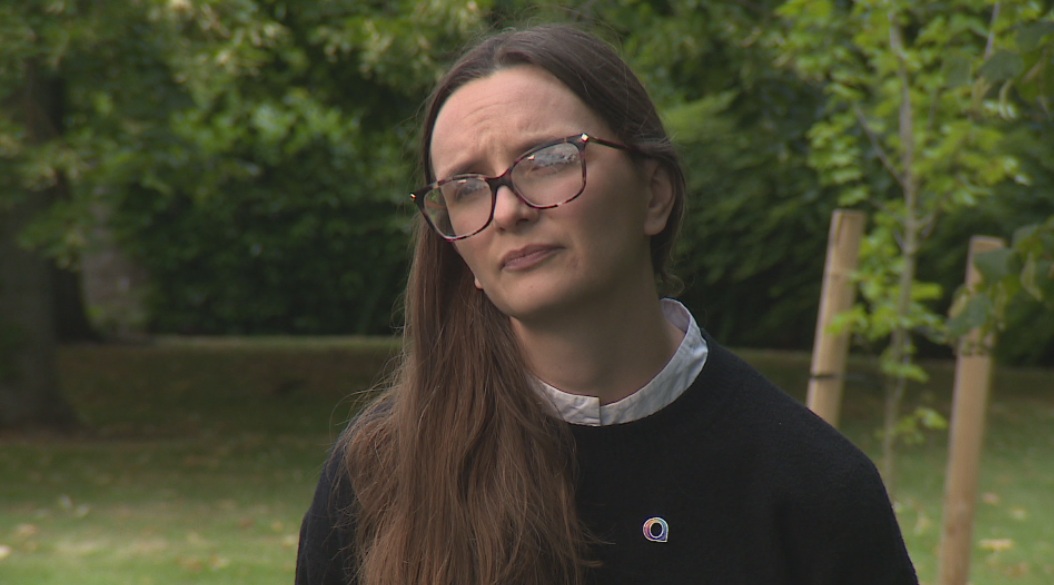
Stephanie McDowell’s six-year-old daughter has suspected autism and ADHD, a diagnosis she received by going private after she was repeatedly unable to access an NHS assessment.
Over the last year, her family who live in Perth, have grown increasingly concerned about her safety.
“We’ve had to phone the police on our child,” said Ms McDowell.
“We were in such crisis that we didn’t know if she was going to harm herself, if she was going to harm us, if she was going to harm someone else.
“I have a child who is actively running away, trying to escape out of their bedroom window, trying to jump out of their window.
“Trying to run onto busy roads, trying to escape out of a car.
“But that doesn’t fit the profile of a mental health crisis or neurodevelopmental pathway? I don’t understand what does.”
Stephanie’s shared her experience online, and has set up a petition aiming to ensure no child displaying risk behaviours waits more than six months to be assessed.
How many children are waiting for a neurodevelopmental assessment?
According to Scottish Parliament research data published in 2025, 42,530 children are waiting for an assessment.
The average length of wait is 76 weeks, while the longest is 342 weeks.
In Ayrshire and Arran, Fife, Lothian and Tayside, waiting times soared by 500% between 2020 and 2025.
“Increase in demand is only one part of this picture,” said Suzi Martin from National Autistic Society Scotland.
 STV News
“What we’ve seen is a lack of investment and planning to future proof the system.
“And that’s really caused the crisis that we’re seeing at the moment.
“Assessment is really, really crucial. It’s more than a simple diagnosis.
“It provides autistic children and young people and their families with information about what their individual needs are.
“It helps to rule out other possible conditions.
“The assessment process is vital, to get that often life-saving diagnosis.”
Rising demand for support services
 STV News
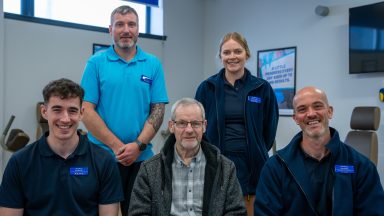
As families face long waits for assessments, more and more are turning to centres like the Yard in Dundee.
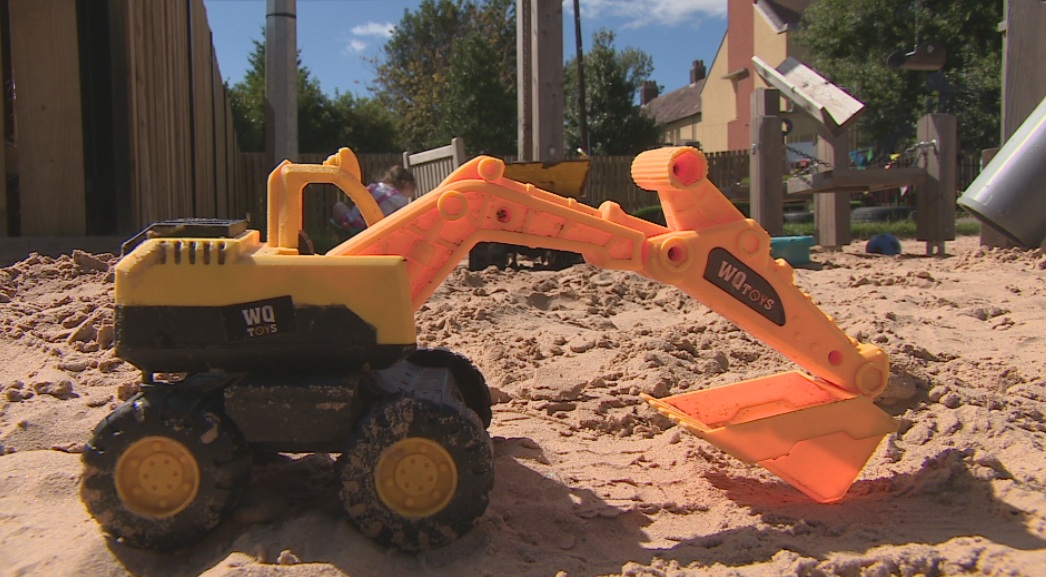
It’s a space which aids children’s development through play, where staff understand their needs.
“The demand is huge. We’ve got 190 families engaging with us and we’re probably not even scratching the surface,” said service manager Gill Thomson.
“I’ve got my 20-year-old who has went through it.
“When it’s a parent who is at crisis point that’s needing support now and sometimes it’s not available.
“We like to dip in and say we’re here when you need us.”
What does the Scottish Government say?
 STV News
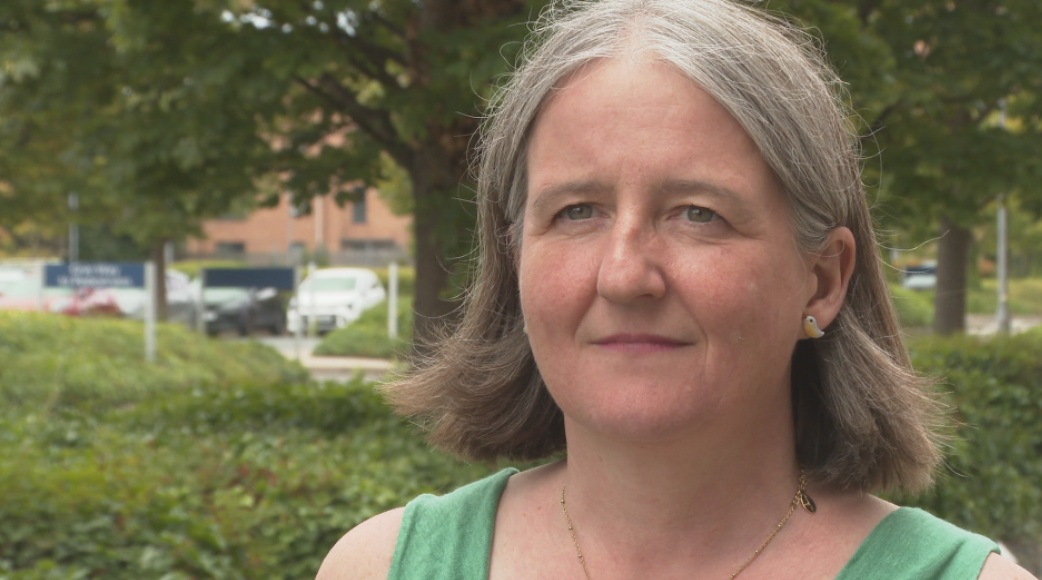
Tackling waiting times for assessments is the responsibility of the minister for mental wellbeing, Maree Todd.
“Of course we can’t build a workforce overnight. I can’t wave a magic wand and have fully qualified health professionals who are able to conduct diagnostic assessments, for example,” said Ms Todd.
“But we can absolutely work out a pathway to go from where we are now, to where we want to be.
“And I’m confident we’ll manage to do that.”
Stephanie’s local health board, NHS Tayside, says there are a wide range of early intervention programmes to support families.
A spokesperson for the health board said: “Due to patient confidentiality we cannot comment on individual cases.
“NHS Tayside CAMHS assesses all referrals in line with the National CAMHS Service Specification, focusing on whether the information provided indicates a possible mental health presentation.
“Where a referral relates specifically to neurodevelopmental concerns such as ADHD without evidence of an associated mental health disorder, this will be considered within the developing multi agency neurodevelopmental support model, rather than within CAMHS alone ensuring that children are directed to the most appropriate pathway.
“Children are not assessed where ADHD is the primary concern and are instead directed to the most appropriate support.”
Stephanie has been left with no alternative but to seek private care.
A costly one, which many others simply can’t afford.
“Without an ADHD diagnosis, you cannot access ADHD medication,” she said.
“That is the bottom line, that’s why assessment before crisis is so important.”
Follow STV News on WhatsApp
Scan the QR code on your mobile device for all the latest news from around the country