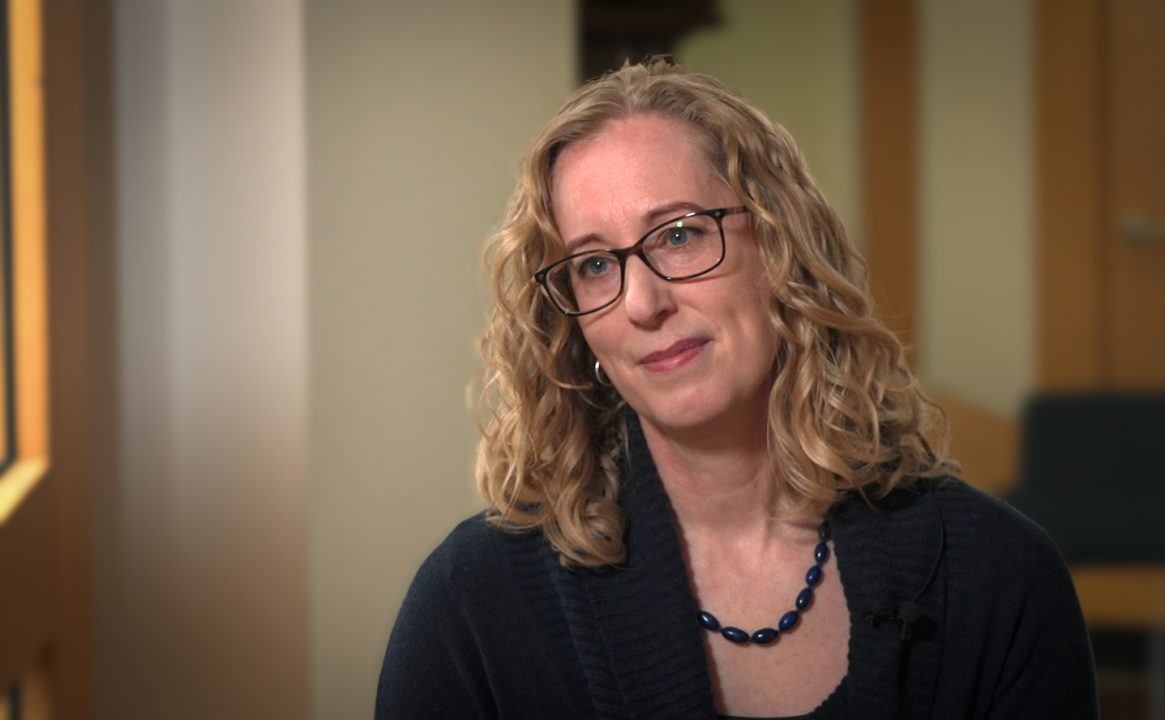
Former Scottish Greens co-leader Lorna Slater has spoken about her father’s assisted death in Canada, as Scotland’s assisted dying Bill continues to make its way through Parliament.
The Lothian MSP travelled back home to Alberta in November after her dad, Andrew, decided to end his life following a massive stroke months earlier.
Andrew had been receiving end-of-life care before his death aged 84. Euthanasia has been legal in Canada for more than a decade and Lorna says it allowed her father a “beautiful death”.
In an exclusive interview with Scotland Tonight, Slater said the subject had been discussed in her family long before her father became seriously ill.
“Medically assisted death is something that both my parents have supported politically for a very long time, although of course never knowing whether it would be something that they would want to choose for themselves,” she said.
 Contributed
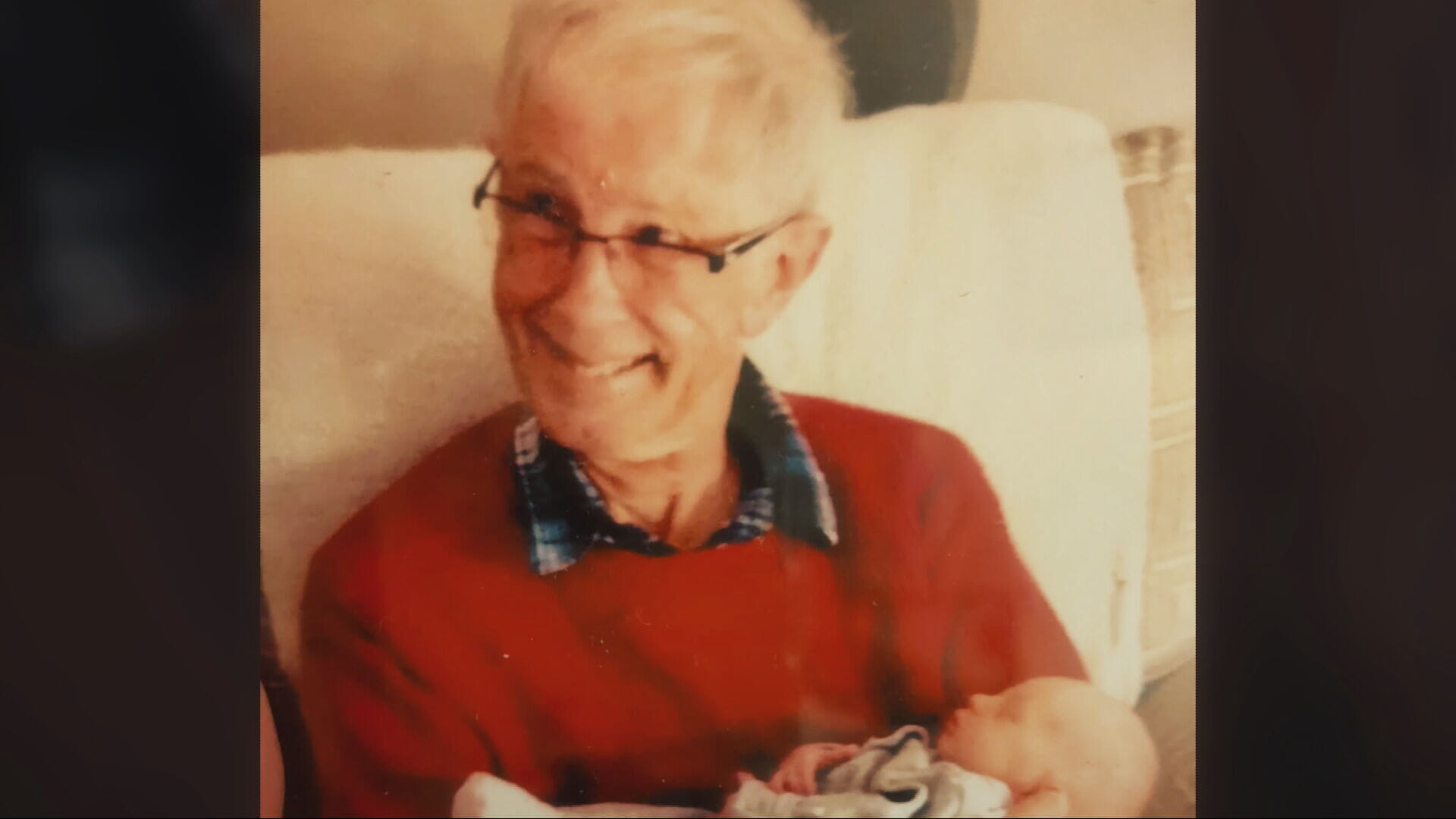
“My father had been very ill for a long time and as of April last year he had a very severe stroke that rendered him bedridden.
“He was put into sort of permanent care along with the other conditions that he had.
“He was just so miserable and around September last year, it became clear that he wasn’t going to be getting better – he was dying and he asked my mother to initiate the procedure for the medically assisted death.”
Slater said the decision was emotionally complex for the family, particularly her mother.
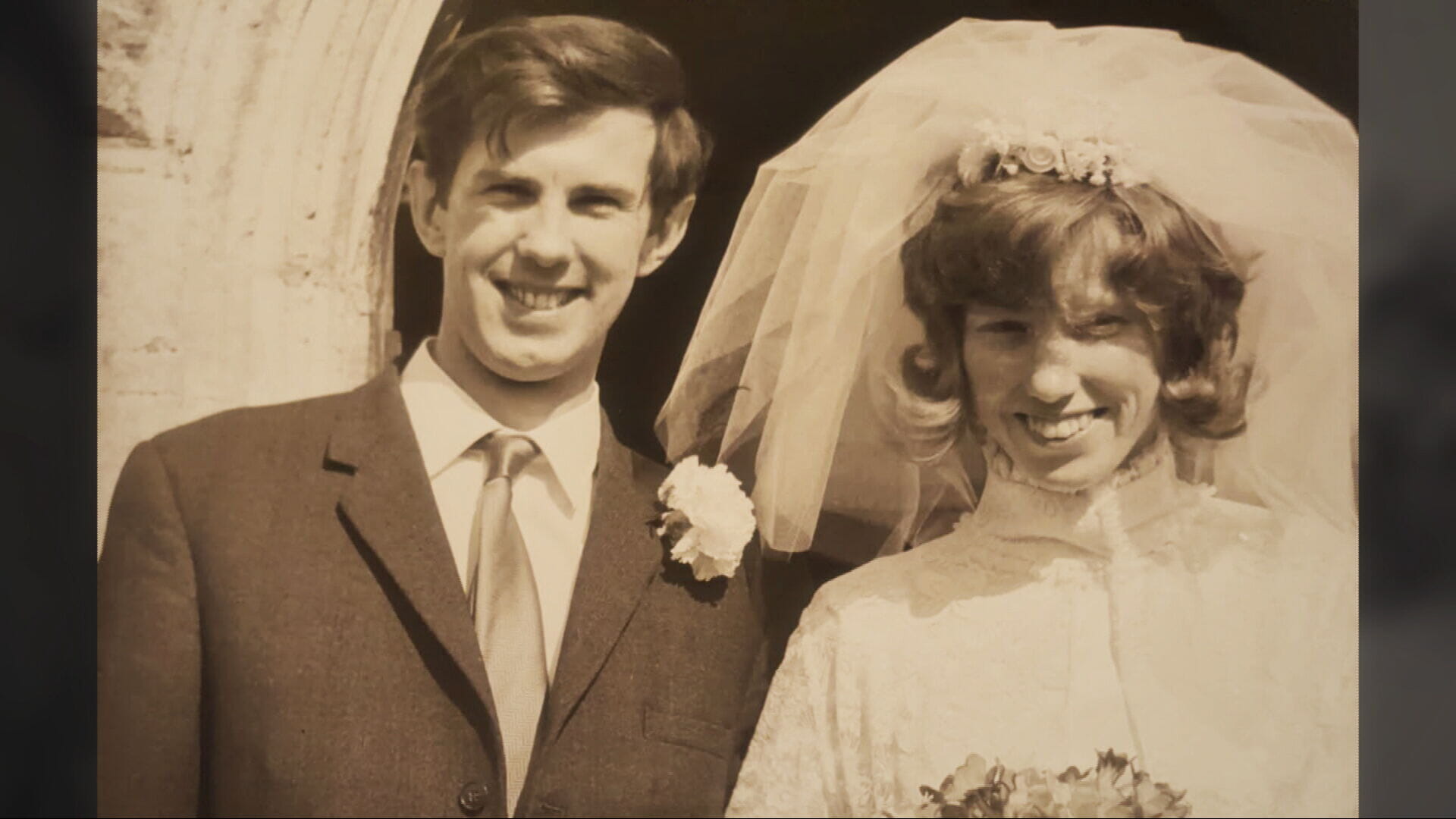
“I wasn’t surprised I suppose. My mother was devastated,” she said. “Because it had been something we talked about as a family for a very long time, we understood his wishes there.”
 Contributed
She said her father remained mentally sharp and was able to clearly express his wishes.
“He very much still had his full cognitive capacity. He was still reading the massive books that he loved so much that he was able to assert really clearly that that’s what he wanted.
“It was so obvious that he was suffering and I couldn’t ask anyone to continue under those conditions when he really, really didn’t want to.”
Slater went on to explain that her mother had to manage the practical aspects of arranging the procedure.
“I guess for her even the more difficult bit was there’s quite a lot of administration that you have to do in order to access the procedure,” she told Scotland Tonight. “And I think that was really hard on her to have to make these arrangements.
“She loves my dad like nothing else and she wanted to make sure that he had that choice to end his suffering.”
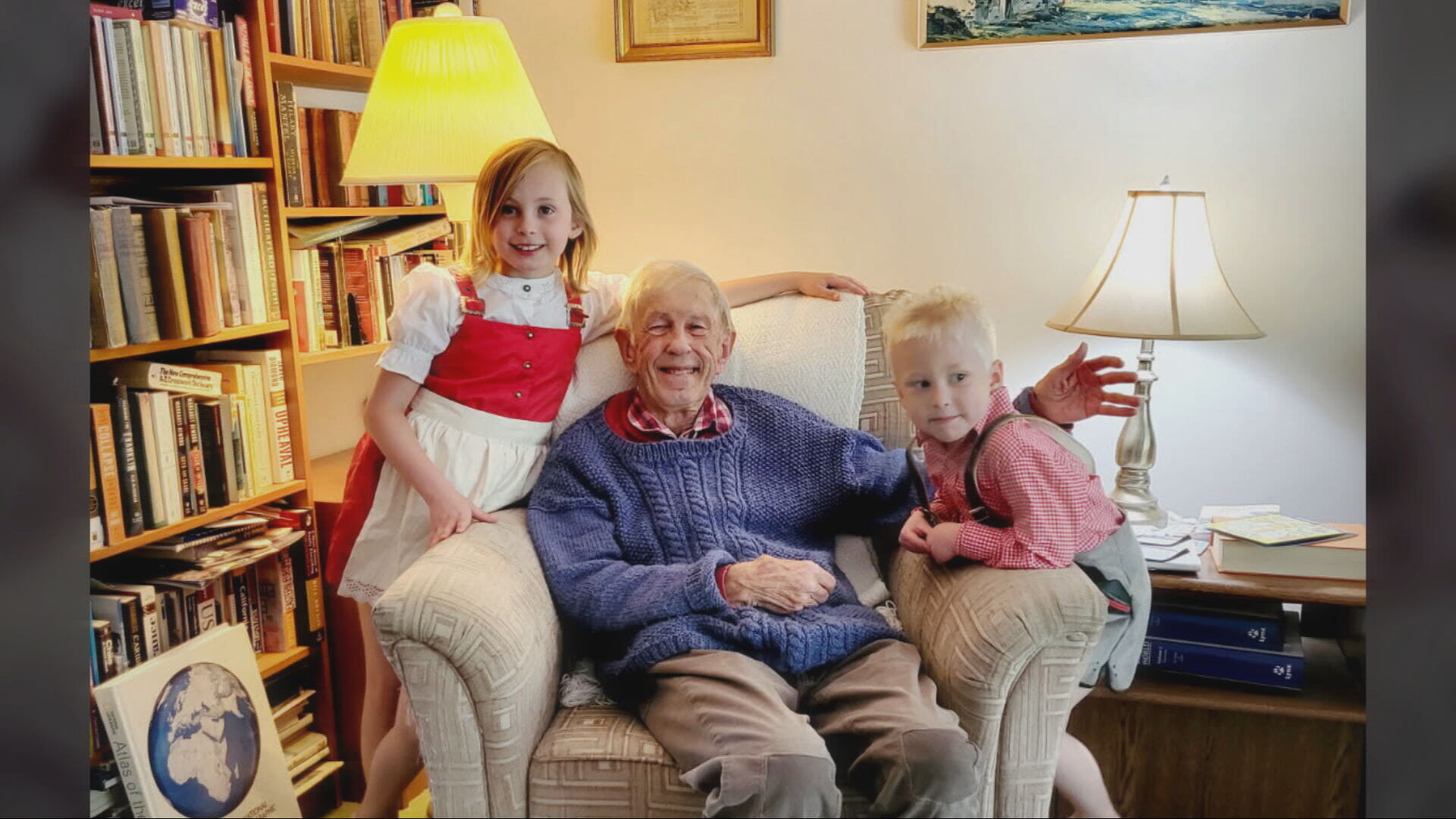
On the day of her father’s death, Ms Slater said the family had the opportunity to spend time together before the procedure.
“That two hours we had together in that room was a chance for us to chat and actually it was really nice.
“Knowing that we were going to be there at the right time was wonderful to have us all in that room together. It was such a warm close feeling to have us there on that day.”
Slater described the end-of-life care environment as helping the family feel at ease.
“It was very, very calm,” she said. “Your father’s going to fall into the best and deepest sleep he’s ever had.
“So we all came and held my dad’s hand and he said he loved us and we squeezed his hand and we all kissed him. It was genuinely beautiful, honestly, with my mom’s arms wrapped around him.”
Mr Slater had multiple serious health conditions, including cancer, heart failure, and repeated strokes.
“My father was dying,” Slater explained. “He’d been very ill for a while. He had many, many different things wrong with him including he had had cancer, he had congestive heart failure, which meant that his heart was working at less than 40% capacity and could therefore stop at any moment.”
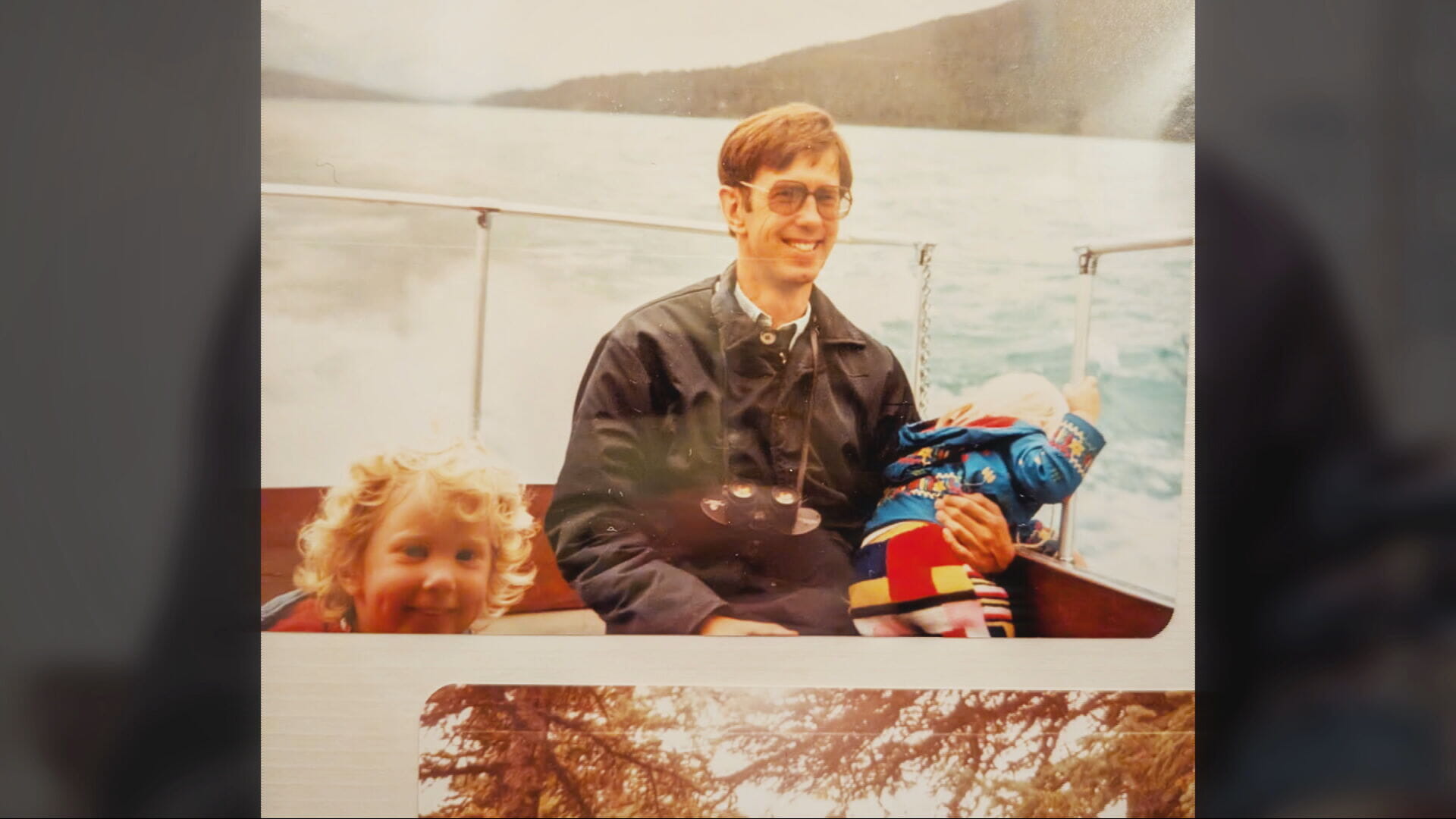
Despite receiving what she described as excellent care, Slater said her father feared losing the ability to make decisions for himself.
“He was very miserable indefinitely and you don’t know how long that could be for,” she said. “He was facing a death that he didn’t want and so he wanted to choose a different way.”
 Contributed
Slater voted in favour of Scotland’s assisted dying Bill at stage one and said her experience had strengthened her support for the legislation.
“My father’s death was beautiful,” she said. “That’s how I would like to go.”
She said the process of accessing assisted dying in Canada was complex, even for someone well-equipped to manage it.
“The paperwork and administration and processes was actually pretty complicated to access to make all the different arrangements,” she said.
Responding to concerns about safeguards, she said she could only speak from her family’s experience.
“That this option was available to him was a Godsend, a gift to him, to the family that we didn’t have to see him suffer any longer than he felt he could bear,” she said.
She added that assisted dying and palliative care should not be seen as alternatives.
“We should absolutely be funding palliative care,” she said. “This is not an either/or thing.”
What is the current situation in Scotland?
Liberal Democrat MSP Liam McArthur secured a landmark victory in May 2025 when the Scottish Parliament voted in favour of the general principles of his Assisted Dying for Terminally Ill Adults Bill, which would give terminally ill adults the option of seeking help to die.
That was the third time the Scottish Parliament had voted on the issue, with previous attempts at legislation falling at this hurdle.
The legislation is expected to come back before the Scottish Parliament early in 2026, with Holyrood’s Health Committee now having considered almost 300 amendments to the Bill.
Further amendments could be made to the proposals at this stage, before the crucial final vote – which is expected in March.
With the Bill having passed its initial vote by 70 to 56, opponents of assisted dying believe they can stop the change becoming law.
Under McArthur’s proposals, a person would have to be suffering from an “advanced and progressive disease, illness or condition from which they are unable to recover and that can reasonably be expected to cause their premature death”.
They would also have to have the mental capacity to request an assisted death, and would have to have lived in Scotland for at least a year before doing so.
The Bill has been going through the Scottish Parliament at the same time as Westminster considers similar proposals from MP Kim Leadbeater.
Help and support is available now if you need it.
The Samaritans can be contacted any time, from any phone, free on 116 123, email at jo@samaritans.org, or visit samaritans.org to find your nearest branch. Details of other services and more information can be found on the NHS website here.
Watch the full interview with Lorna Slater on Scotland Tonight at 10.40pm on STV and the STV Player.
Follow STV News on WhatsApp
Scan the QR code on your mobile device for all the latest news from around the country