 iStock
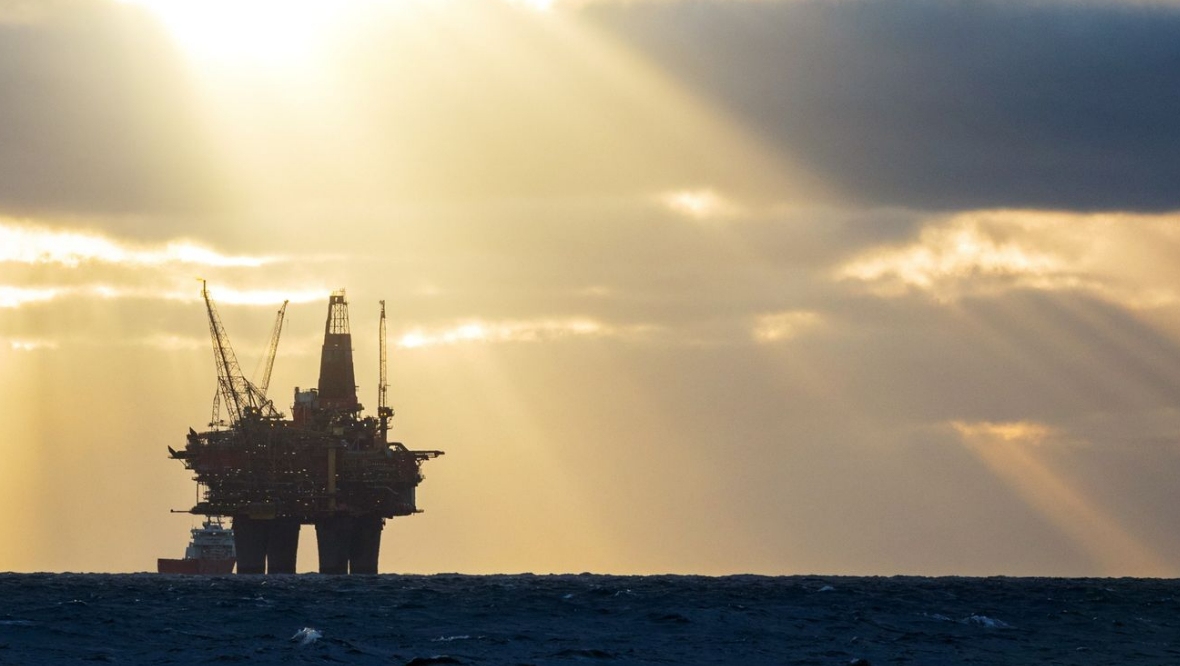
Sir Keir Starmer’s Government should axe the windfall tax on oil and gas firms and reverse its ban on new licences for North Sea drilling, Sir Tony Blair’s think tank has said.
In a scathing new report, it argues that Labour’s clean power plan is “leading the UK in the wrong direction” and that the Energy Profits Levy is deterring investment in the basin.
Tone Langengen, a policy adviser at the Tony Blair Institute (TBI) and author of the paper, said the Government should also rethink the ban on new exploration in order to “protect supply chains”.
The windfall tax, currently set at 38%, was introduced under the previous government in May 2022 after profits rocketed due to a spike in energy prices following Russia’s invasion of Ukraine.
The Government has announced a consultation on plans to replace the levy, due to end in 2030, with a new regime aimed at providing more certainty for the sector while protecting consumers against future shocks.
Industry figures have been lobbying hard for changes to the tax, which they say is crippling investment and leading to job losses.
Labour has also banned new licences for drilling in the North Sea, though ministers have said that oil and gas will remain part of the energy mix for years to come and extraction near existing fields will still be allowed.
In its report, the TBI said: “The repeated expansion, extension and redesign of the Energy Profits Levy has materially increased policy risk, raised hurdle rates and deterred long-term investment in mature assets that already face geological decline.
“A stable framework should bring the Energy Profits Levy to an orderly close and replace it with a predictable long-term fiscal regime, limiting ad-hoc changes to headline rates and providing certainty on capital allowances so that investment decisions can be based on economic rather than political timelines.”
The paper added: “Alongside this change, the Government should also reverse the ban on new exploration licences.
“A managed-decline strategy requires continued exploration to sustain economically viable production, protect supply chains and slow – rather than accelerate – the loss of domestic capacity.”
It also criticised the Clean Power 2030 plan as having become an exercise in “measuring the wrong achievements” by counting “capacity, contracts and milestones” but neglecting affordability and “political durability”.
“In a country responsible for less than 1% of global emissions, that is not climate leadership – it is climate theatre,” the report says.
“Clean Power 2030 is leading the UK in the wrong direction. Replacing it with a clear focus on cheaper, abundant power is the only way to sustain growth, enable electrification and maintain public consent for climate action.”
A Department for Energy, Security and Net Zero spokesperson said: “Our clean power mission is the only way to bring down bills for good.
“The alternatives leave Britain dependent on petrostates and dictators whose control of fossil fuel markets helped drive the cost-of-living crisis, and are not in the interest of the British people.
“The route to energy sovereignty, lower bills and thousands of good jobs in our communities is becoming a clean energy superpower.”
Follow STV News on WhatsApp
Scan the QR code on your mobile device for all the latest news from around the country