The documents could potentially reveal more embarrassing and damaging details at a time when Sir Keir Starmer is already in a precarious position, as ITV News Political Correspondent Louisa James explains.
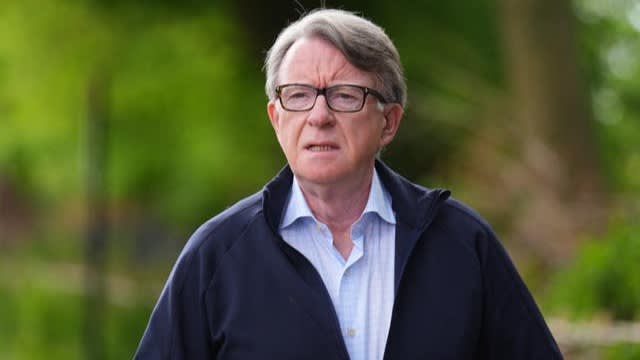
Hundreds of documents relating to the appointment of Lord Peter Mandelson as ambassador to the US are expected to be published on Monday.
The release, said to be the second largest publication to the House of Commons in history, is the second tranche of documents on the peer’s appointment.
MPs voted in February to demand ministers publish a wide range of documents relating to the appointment using an archaic parliamentary procedure known as a “humble address”.
The vote followed the launch of a police investigation into Lord Mandelson and concerns about the vetting process involved in his appointment.
A first tranche of documents, released in March, showed Sir Keir Starmer was warned of a “general reputational risk” because of Lord Mandelson’s connection to the late paedophile financier Jeffrey Epstein.
The second set of documents is expected to include messages between Lord Mandelson and ministers and government advisers, including Starmer’s former chief of staff, Morgan McSweeney.
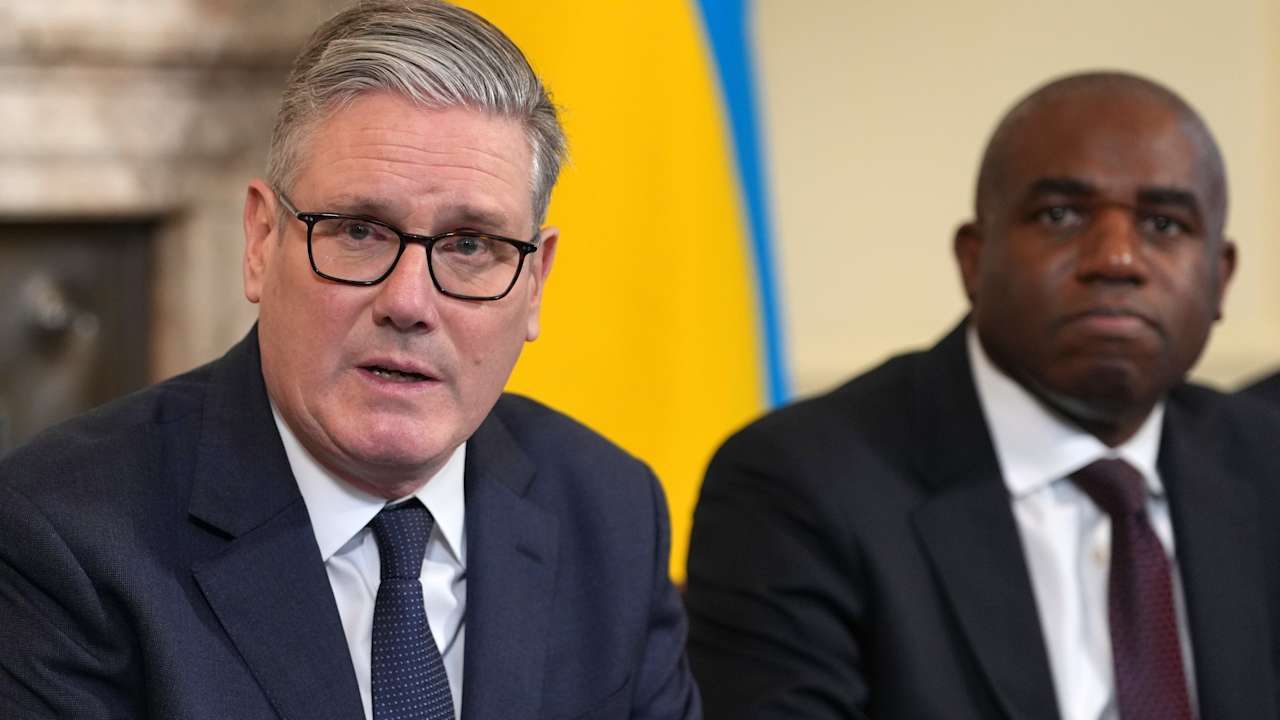
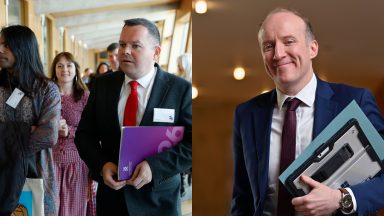
Former health secretary Wes Streeting has already published his own messages with Lord Mandelson, including a discussion of Gaza and criticisms of Sir Keir’s leadership.
But reports suggest it will not include Lord Mandelson’s UK Security Vetting (UKSV) summary after the Metropolitan Police asked the government to withhold the document to avoid jeopardising its investigation into alleged misconduct in public office by the peer.
UKSV recommended against granting Lord Mandelson security clearance, but top Foreign Office official Sir Olly Robbins overruled that advice.
Sir Olly was effectively sacked in April after it emerged he had overruled the advice, with the prime minister insisting he was unaware of UKSV’s recommendation.
The government has said it has only withheld documents requested by the police, and all other documents will be published.
Several documents have also been redacted, either to remove personal details such as the names of junior officials or on national security grounds.
Redactions on national security grounds were agreed with Parliament’s Intelligence and Security Committee following a compromise with MPs to head off a backbench rebellion on the demand for documents.
Last month, the committee raised concerns that the government was applying redactions “too broadly”, and cited the UKSV vetting file as an example of documents being withheld without Parliament granting ministers the “authority” to do so.
The Conservatives have accused the government of seeking to perpetrate a “cover-up”, with shadow minister Alex Burghart writing to the chief secretary to the Prime Minister on Sunday to demand “full transparency”.
Mr Burghart said: “I will remind you that the House did not provide the government with the choice about redactions beyond the narrow scope in the humble address.
“This behaviour will be viewed by the House as a contempt of Parliament, and as a cover-up by the British public.
“Even if the prime minister leaves office in a few weeks, I can assure you we will hold you to account for this.”
A government spokesperson said: “We are committed to complying with the humble address in full.
“The second tranche of documents will be among the largest publications ever laid in Parliament.
“That reflects the transparent and thorough process we have followed, in line with established precedent for humble addresses.”
Officials declined to confirm when the second tranche of documents would be published, though reports suggest they will be released on Monday.
Follow STV News on WhatsApp
Scan the QR code on your mobile device for all the latest news from around the country