
 Getty Images
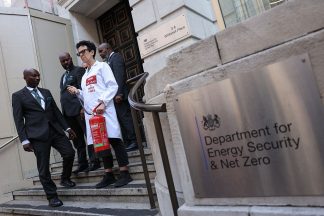
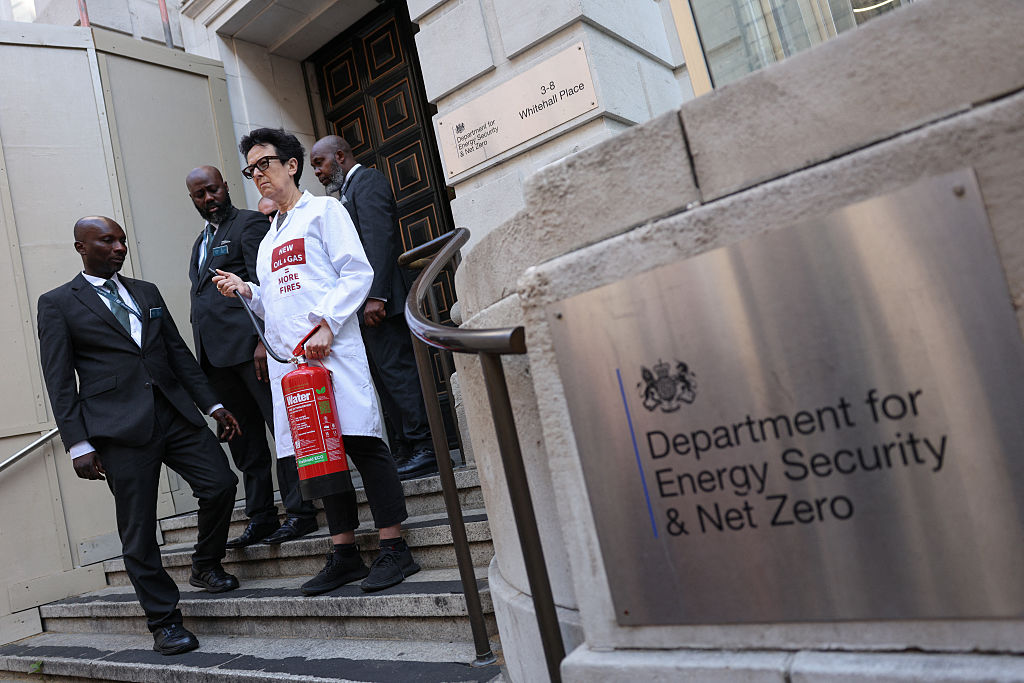
The government should cut ‘net zero’ from the name of the Department for Energy Security and Net Zero, MPs have recommended in a report from the energy committee.
The new publication, released this morning, is scathing about where the national conversation on the transition to renewables has got to – and has blamed the government’s ‘inconsistent’ messaging, noting it is simply ‘not trusted’ by voters on this subject.
This latest report recommends: “The term net zero has lost much of its significant positive association. It increasingly acts as a distraction from the broader aims of the energy transition and as a lightning rod for opposition to climate action.
“As part of efforts to communicate the energy transition effectively, the term net zero should be dropped from the department’s name and its key communications.”
The energy committee – which consists of two Scottish Labour MPs, Graeme Downie MP and Torcuil Crichton MP – says that the political consensus that once allowed the UK to be world-leading on climate change has ‘broken down’.
MPs believe the rising cost of living and soaring gas prices have made people increasingly view the net zero agenda with animosity, ‘scapegoating’ the transition rather than companies pushing fossil fuel use. And instead of examining why attitudes have shifted, politicians say that the current public debate has failed to recognise the costs of disengaging with the transition – and doesn’t fully explain its benefits.
MPs say that where the energy debate should be placing emphasis on how renewable energy production will help lower energy bills, heat homes, and ensure Britain’s energy security, the conversation has frequently taken aim at how the transition has been handled thus far.
The conclusion the committee has reached points to another problem: this frustration becomes directed at buzzwords like ‘net zero’ and ‘just transition’ thrown around by politicians with these terms, as the report states, becoming a ‘distraction’ to the real challenge of creating new energy networks and trying to protect the UK’s energy security. It’s no wonder one of Reform UK’s biggest policies is to ‘scrap “Net Stupid Zero”, as the party’s deputy leader Richard Tice announced last year.
There certainly appears a mismatch between peoples’ attitudes to ‘net zero’ versus their concern about climate change more generally. Perceptions have changed over the last few years, on support for green policies and on oil and gas.
In February this year, a King’s College London study found that support for achieving ‘net zero’ by 2050 had almost halved since 2021, from 54% to 29%. Yet the same study showed that almost three-quarters of the public remained at least fairly worried about climate change.
YouGov polling from April found that more than half of Scots believed it is more important to extract all the oil in the North Sea than to meet net zero targets by 2045. But after a summer of wildfires and droughts (albeit not in the West of Scotland), Ipsos found concern about the climate was considerably heightened.
Graeme Downie, the Scottish Labour MP for Dunfermline and Dollar, who sits on the committee, said: “We need to acknowledge there is no longer a political consensus, and that terms such as “net zero” distract from making progress on these priorities that matter most to people. Energy policy for a low-carbon economy needs to be pragmatic and focused on people and communities.”
It’s ultimately a communications problem: MPs worry that overused terms like ‘net zero’ are damaging political efforts to tackle climate change.
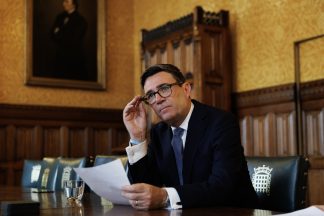
Andy Burnham wouldn’t be the first to scrap the term from senior roles if he took on the committee’s recommendation. In her recent shadow cabinet reshuffle, Tory leader Kemi Badenoch appointed Scottish Conservative MP Andrew Bowie as shadow secretary of state for energy security – despite the Department for Energy Security and Net Zero being so named in 2023 by then-Prime Minister Rishi Sunak.
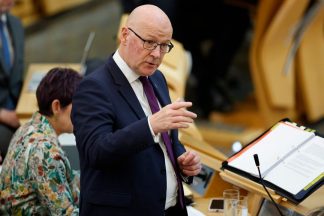
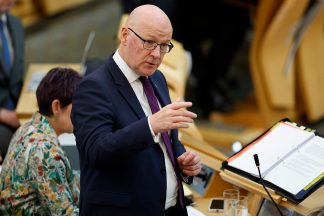
Meanwhile, under John Swinney’s leadership, the Scottish government has seen the role of minister for climate action removed in 2025, while the title of cabinet secretary for Net Zero and Energy was changed to Cabinet Secretary for Climate Action and Rural Affairs in the same year.
The debate around ‘net zero’ has undoubtedly become polarised – and MPs believe the government can do more to communicate the importance of the energy transition more effectively.
But polling shows that even among net zero supporters, some pro-green policies can be hard to stomach. If Andy Burnham takes this report’s advice and if, as industry expects, he greenlights the Jackdaw and Rosebank projects in the North Sea later this year, these actions will signify a very clear change in tack on energy than those who have gone before him.
But while comms is undoubtedly important, it’s the policy substance that carries more weight. The real test will be whether ‘energy security’ can become more than a rebrand: whether Burnham’s government can make the transition feel like an answer to the cost of living rather than yet another demand being placed upon it.
Follow STV News on WhatsApp
Scan the QR code on your mobile device for all the latest news from around the country