 PA Media
Too much of The Promise to improve the lives of young people in care remains “on paper”, a report has warned.
The Oversight Board for The Promise warned the Government that there is a “real but narrowing opportunity for this Parliament to demonstrate what Scotland is capable of when it turns commitment into change in people’s lives”.
The body, set up to monitor whether authorities are keeping The Promise, said resources and capacity were not matching demand, including a shortage of suitable care places.
For those receiving care at home, the report found evidence of strong relationships, committed staff and improvements in practice, although it said this was inconsistent and that some teams were stretched.
The report said: “The evidence leaves a clear concern: children experiencing care at home cannot yet rely consistently on support identified as necessary, being available when it is needed and sustained for as long as required.”
The Oversight Board said some commitments have not been delivered, while some action was taken too late.
But elsewhere it said significant work was under way, but has yet to change consistently the experience of those in care.
The report found that real progress had been made since the last review at the start of 2025, including the passing of legislation, and said there are services “where children and families are experiencing the kind of support The Promise envisaged”.
The board highlights effective partnerships, longer-term funding providing stability and workers being given the flexibility to build and protect relationships.
The report made 10 recommendations, including calls for councils and the Scottish Government to ensure children living at home with significant identified needs receive the practical and specialist support, advocacy and relationships they require.
The body also urges the Scottish Government and those responsible for the national delivery of The Promise to identify where progress is weakest and make reforms.
David Anderson, chairman of the Oversight Board, said: “We have seen that progress has been made, people are working hard and they care.
“The changes we have seen to plans, legislation, funding, structures and implementation all matter and can represent real progress.
“But The Promise ultimately has to be judged by whether those changes improve people’s lives. Activity is not the same as action and Scotland must show whether support is reaching people, whether barriers are reducing and whether experience is changing.
“If keeping The Promise was like building a home, the foundations have been laid and some of the walls are up, but after six years the country should be much further forward.
“A house is not a home because the plans exist – it becomes one when there is food in the cupboards, heat in the radiators and people who know they are safe, loved and belong.
“That is what delivery looks like in real life, and it is what Scotland must make happen.”
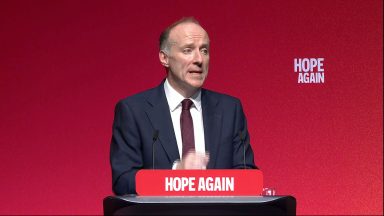
Labour MSP Katherine Sangster said the report was “a stark reminder of how much work we have left to do to deliver The Promise”.
She said: “It is a moral imperative that the Scottish Government put their words into action. There are clear actions in this report that can and should be delivered. Get on with it.”
She added: “For the Oversight Board to say that ‘the evidence available to us does not yet give confidence that The Promise will be kept by 2030’ should be a wake-up call to the SNP.
“Time is running out, and faith in the Government is running out just as fast. The Promise must be kept – the Government must deliver.”
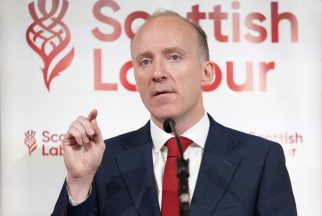
Liberal Democrat MSP Duncan Dunlop described the report as “damning” and said it showed the SNP was “failing some of Scotland’s most vulnerable people”.
He said: “10 years after it was made, The Promise is at risk of becoming just another political platitude, gathering dust instead of meaning or momentum.
“The SNP’s broken Promise is causing people to lose their lives. It’s also undermining efforts to tackle crises like the drug deaths emergency and the spiralling prison population, both of which disproportionately affect people who have been in the care system.”
Mr Dunlop, along with fellow Lib Dem MSP Adam Harley, has also written to the drugs minister asking her to publish the number of care-experienced people dying from drugs.
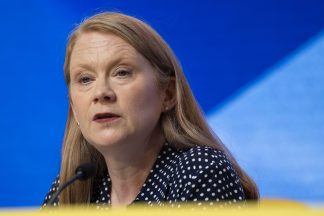
Siobhian Brown, minister for The Promise, said: “We welcome this report which, while highlighting work still to do, recognises that real progress is happening across Scotland.
“Crucially, it acknowledges that we can keep The Promise by 2030 if we increase the scale of interventions and pace of efforts across the country.
“The Scottish Government remains absolutely committed to ensuring we keep The Promise.
“The Scottish Government has passed landmark legislation to accelerate delivery of The Promise, made significant investment in whole family support, strengthened support for foster and kinship carers, established the National Social Work Agency and ended the placement of under-18s in young offender institutions.
“However, we know progress is not yet experienced consistently by every child and family, and are taking action to address this.
“We are already working towards each of the report’s recommendations, and have committed through this year’s Programme for Government to publish an updated Implementation Strategy setting out the key actions to lead through to 2030.
“We will also ensure The Promise remains a core part of the Public Service Reform agenda.
“While the Scottish Government has an important leadership role to play, keeping The Promise requires collective action.
“To that end I am writing today to partners across Scotland to share the key messages in the report and call for joint working to drive progress on the recommendations.
“Together, Scotland must ensure every care-experienced baby, child and young person grows up loved, safe and respected.”
Follow STV News on WhatsApp
Scan the QR code on your mobile device for all the latest news from around the country