
Just three months out from the Scottish Parliament election, voters are concerned that politicians aren’t fully listening to them.
An issue that dominated the last general election was the rising price of just about everything – and little has changed in the lead-up to the Holyrood poll in May.
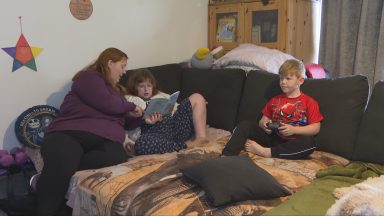
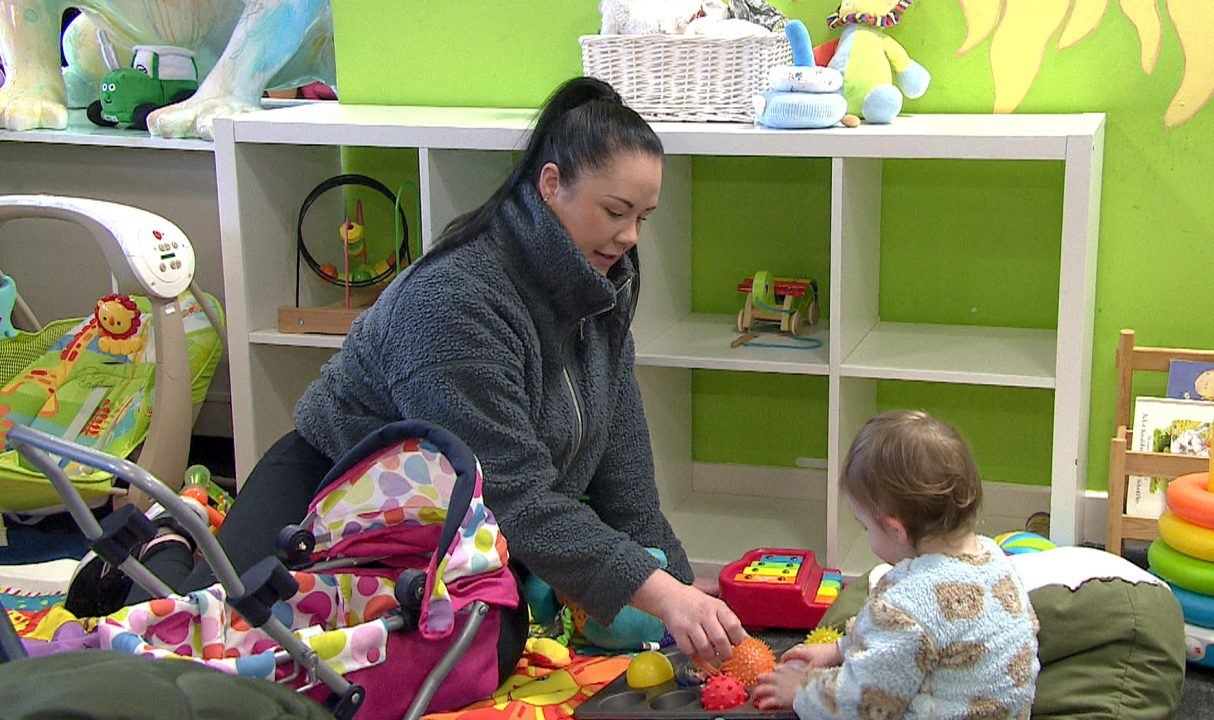
As we perched on couches in the middle of a soft play area in Livingston, the parents of young families across Scotland told me how they are increasingly turning to second-hand clothing shops and changing their food shopping habits in a response to rising costs.
Daily living becoming more expensive makes improving other parts of life a challenge. One young mother explained how she’s had to put her driving lessons on hold to care for her baby son, as he is too young to be eligible for government-funded childcare.
Another said she’d had to become more “frugal” with meals out, admitting that even a McDonald’s Happy Meal had become a luxury.
More concerning is the impact these changes in behaviour will have in the long-term.
Scotland is facing a birthrate crisis, with fertility rates at record lows. Yet, high everyday costs coupled with a lack of supported childcare mean couples are seriously considering limiting the number of children they have – even if they want a bigger family.
And while young mums might want to return to their jobs, many feel they can’t. In England, free childcare is accessible from nine months onwards, but in Scotland most children only become eligible from the age of three.
Mothers then face the paradox of having to stay at home for longer to avoid extortionate private nursery fees but working fewer hours, and therefore earning less, as a result.
“I don’t want to be a stay-at-home mum,” one career-driven woman told STV News, “but to an extent I’ve had to be.
“I feel like in Scotland, we’ve gone backwards compared to England,” another said.
Work doesn’t necessarily shield families from cost of living worries either. Tracy Murdoch of Kidzeco, a second-hand clothing store in West Lothian, has seen a rise in the number of working parents visiting her shop.
She had spoken to parents who were trying to get back into work who were struggling to make it pay. Some had been forced to use food vouchers to help with the family shop as a result.
It was the sense of resignation with which many parents spoke that struck me: they had become so used to decline that they were beginning to lose hope in any political party at all.
This cynicism of politics affects even the country’s youngest voters. Despite Scotland being the only place in the UK where 16-year-olds can vote – so far – high school students feel like those seeking power don’t care much about listening to them.
Young people are concerned about their quality of education and job prospects after school, but many feel that trying to come by informative rundowns of political parties and their policies is a challenge.
And though social media has made it easier for people to connect, voters feel more disconnected than ever from those running for office.
It’s a problem that afflicts politicians of all stripes – and democracy in general.
Follow STV News on WhatsApp
Scan the QR code on your mobile device for all the latest news from around the country