
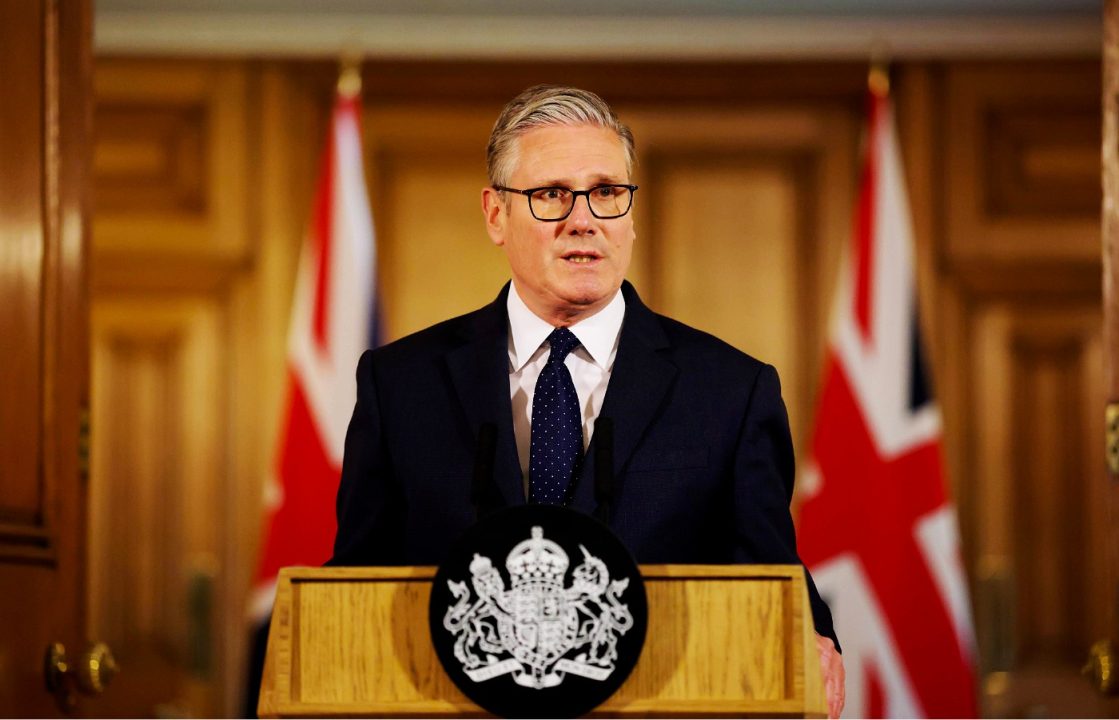
 No 10 Downing Street
Less than two days until the polls open, the mood in the Labour party is not good.
The party of government is expecting to see dismal results across England, Wales and Scotland on Friday as Sir Keir Starmer is judged on his performance thus far.
There have been multiple briefing wars against the Prime Minister throughout his two years in office, but those calling for his resignation have not been successful to date.
Yet while previous opportunities to oust Starmer have sprung up without much warning, these May elections have long been seen as a possible flashpoint. Could this month mark the end of the Prime Minister’s premiership?
A number of prominent Labour MPs have been touted for the top job. There’s Angela Rayner who was the Deputy Prime Minister and housing minister – before she was forced to resign last September over her tax affairs.
There’s Wes Streeting, current Health Secretary who has been involved in stand-offs between the doctors’ union over pay and training jobs – but who has also overseen a slight dip in NHS waiting list lengths.
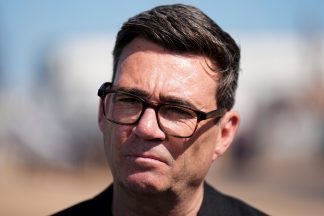
There’s former Labour leader Ed Miliband, who may be more likely to back another soft-left candidate (like Greater Manchester mayor Andy Burnham) than put himself forward.
And, though his chances are significantly slimmer, former military man Al Carns of the 2024 intake has managed to convince some that he has a shot of leading the party too.
Disgruntled backbenchers (and some Cabinet ministers) think the only way to revive Labour’s reputation among voters is to swap out their leader.
Each contender comes with their own baggage, however.
The investigation into Rayner’s tax payments hasn’t cleared up. She’s also seen as being more to the left than Starmer, and some worry that it would be difficult to argue Rayner would have a mandate to deliver any policy platform she might put forward if she became leader.
Streeting was friendly with Peter Mandelson – whose links with paedophile financier Jeffrey Epstein continues to cause problems for the Prime Minister, after Starmer made the Labour peer his US ambassador. He is seen as being more right-leaning, which could lead to problems down the line with left-wing backbenchers.
Burnham isn’t an MP – but he tried to become one earlier this year. He was blocked by Starmer from running in the Gorton and Denton by-election, a move many within the party interpreted as a sign of insecurity.
Miliband has already had his time in charge – and there is a notion he has his eyes on the Chancellor role anyway – but remains popular among Labour members. And Carns only became an MP two years ago.
But, different from the ways in which a Conservative party leader would be replaced, the Labour party rules mean that to be legitimate, any challenger must be backed by 20 per cent of MPs: the size of this parliamentary party makes that 80.
Allies of both Rayner and Streeting claim their person has met this threshold – but anonymous briefings of this nature will be designed in part to help undecided MPs coalesce around a candidate. Rayner’s friends cite new legislation she was responsible for – like the Renters’ Rights Act and the Employment Rights Act – to make the case for her suitability.
Streeting’s supporters say his friendship with Mandelson isn’t the obstacle it has been made out to be. To progress in any contest, candidates would also need support from constituency Labour parties or at least three affiliates of Labour, including trade unions. This might be easier for Rayner to achieve given her trade unionist background.
Some backbenchers want to release a letter to pressure the Prime Minister to agree to a resignation date, according to Monday’s Times, similar to how Gordon Brown’s allies put pressure on Tony Blair 20 years ago.
It’s not clear this tactic will see success: reports suggest only a limited number of backbenchers have been asked to sign.
“No one I know has even seen it,” one Labour MP told me.
Others remain frustrated by Sir Keir Starmer’s decision-making but are growing resentful of all the talk about leadership coups, believing it is even more damaging ahead of Thursday’s elections.
There is also the question of expectation management. If Labour performs even slightly better than what polling has predicted, it could change the narrative somewhat.
Not that this is expected: the party is on track to lose Wales after 100 years in power, Starmer’s St Pancras constituency is likely to elect a swathe of Green councillors and the party could fall to fourth place in Scotland.
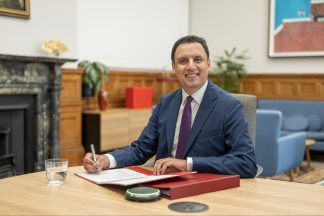
Scottish Labour leader Anas Sarwar denounced Starmer in February, and the Labour leader is unlikely to make even one campaign visit to Scotland.
The Prime Minister has often been accused of indecision but is firm that he wants to stay in the top job. As one Labour figure noted, though, it’s less about whether Starmer will choose to go – and more about whether his competition has the numbers to challenge him.
The immediate aftermath of the May elections will prove a pivotal period.
Follow STV News on WhatsApp
Scan the QR code on your mobile device for all the latest news from around the country