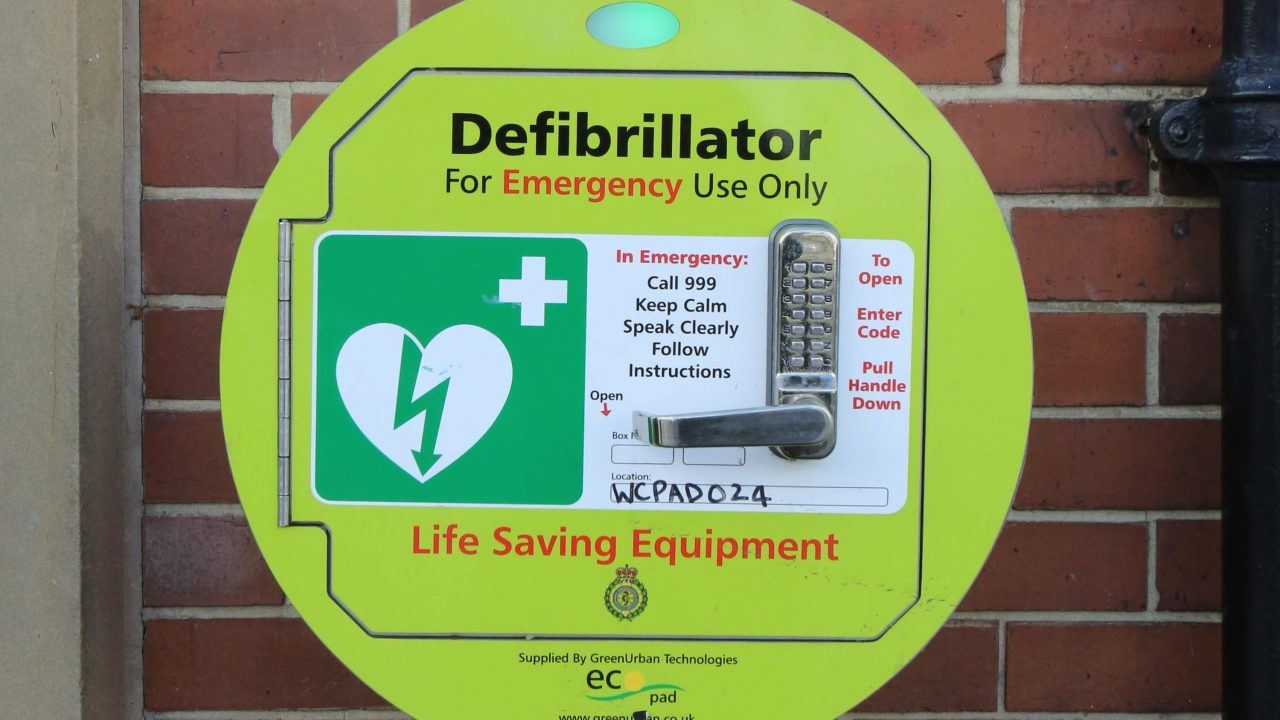
Retrieval times for a life-saving public defibrillator are more than 17 minutes in some deprived parts of Scotland, a report has said.
Those who have suffered a cardiac arrest in Scotland’s most deprived areas, where arrests are more prevalent, will wait longer before a public access defibrillator (PAD) can be used on them, according to the report by the British Heart Foundation (BHF).
According to the report, people in Saltcoats, North Ayrshire, will wait more than 17 minutes for a PAD.
Residents in Barlanark, Glasgow, will wait for longer than 14 minutes, and those in Charleston, Dundee, will wait for around 12 minutes.
The BHF says an extra 1,500 PADs spread across the country will boost the nation’s coverage by 50%, in turn saving more lives.
 PA Media
The report says there are 3,800 out-of-hospital cardiac arrests (OHCAs) each year, with just one in 10 survivors.
The report, titled Scotland – Bridging the Survival Divide: Strategically Improving OHCA Outcomes, urged the Scottish Government to optimise PAD coverage in the country to increase the chances of survival after on OHCA.
The BHF also urged bystanders to call for help if they suspect someone has had an OHCA, followed by CPR, defibrillation, before they are taken to hospital.
The report also noted CPR training is not mandatory in schools, meaning children and young people are ill-equipped in coming to the aid of those in need of it.
The report also said different approaches may be needed in rural areas.
David McColgan, head of BHF Scotland, said: “Not only are you more likely to have a cardiac arrest if you live within a more deprived area, but you might also be further away from a public-access defibrillator which could help to save your life.
“Scotland now has the data and tools to better understand the inequity that exists between communities regarding access to defibrillators.
“By using this data to invest in PADs, place them where they are needed most, and support communities to keep them emergency ready, we can make a significant difference.
“This is an opportunity for Scottish Government to lead the way, act on the survival divide, and ensure every community has the best chance of saving a life.”
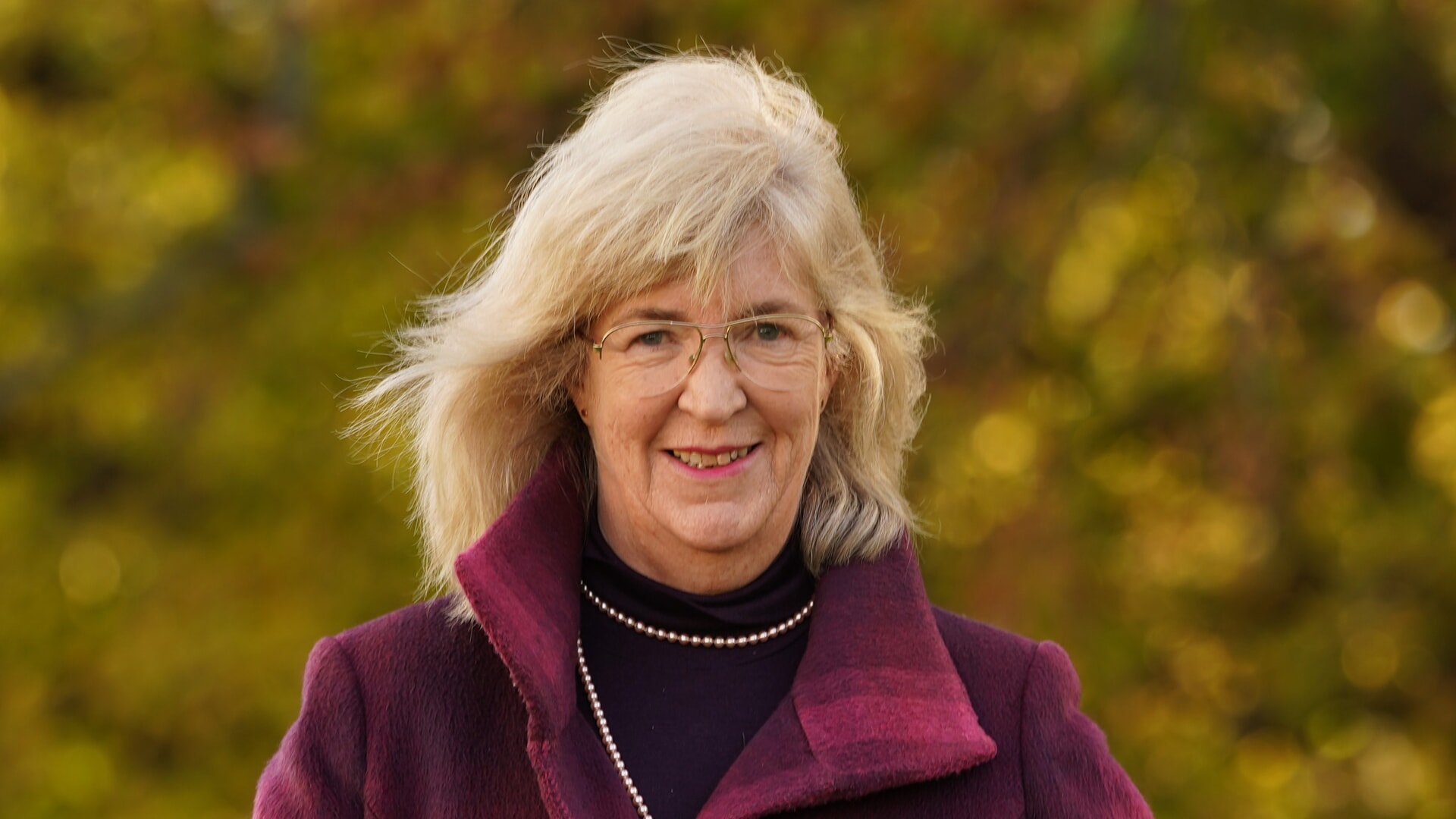
Eleanor Hulme, a retired medic and member of Gifford Community Council, East Lothian, registered the defibrillator in her village, and witnessed it being used to save the life of a cyclist in May 2024.
She recalled: “The committee had installed a defibrillator some years before, but no one was identified to look after it, so it wasn’t registered on the circuit.
“That could have been disastrous in an emergency if someone needed to access it urgently, so I volunteered to do this.
“Our location is semi-rural and on the day the cyclist suffered a cardiac arrest it took over 20 minutes for the ambulance to arrive. I believe that if there had been no defib, he would have died.
“He required a number of shocks from the defib, but I was delighted to hear he later made a full recovery.”
 PA Media
Ms Hulme later met with the man.
She said: “Initially, it felt strange to see this man now upright, walking and talking. However, it really was great to be able to meet him and hear his story of his recovery and changes he has made following recovery from his cardiac arrest to keep him well.”
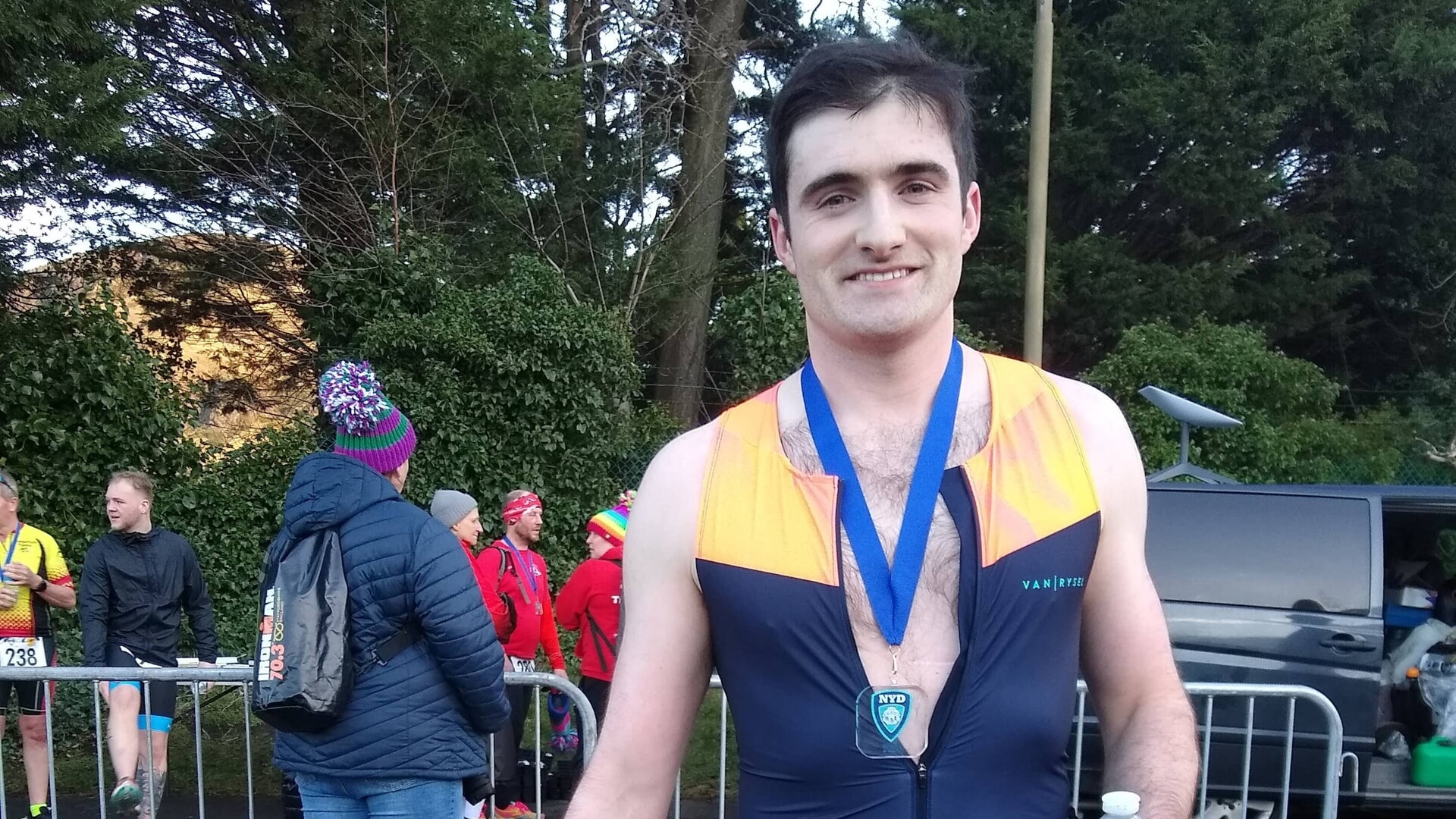
Milo Moss suffered an OHCA in while jogging in Edinburgh in June 2020.
He says if it were not for two pedestrians giving him CPR, he would have died by the time the ambulance arrived.
He said: “I appreciate more than anyone how important it is that public access defibs are available in more places and that members of the public know how to give CPR, should the worst ever happen.
“I consider myself unbelievably lucky, but the OHCA statistics show that I’m very much the minority.”
The Scottish Government was approached for comment.
Follow STV News on WhatsApp
Scan the QR code on your mobile device for all the latest news from around the country