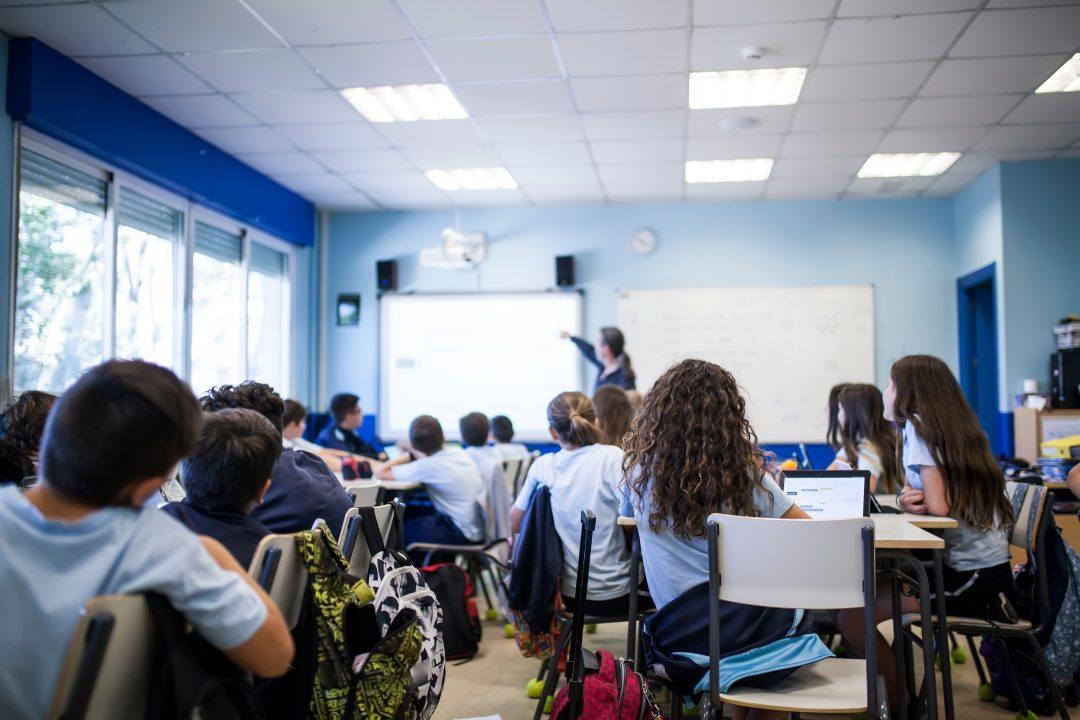
Teachers warn the education system could crumble if urgent steps aren’t taken to reduce the rising pressure in classrooms.
Unmanageable workload, challenging pupil behaviour and a lack of specialist support are just some of the issues that teachers have told STV News are driving staff to reach burnout and even leave the profession.
It comes as unions raise concerns about the impact recent anti-immigration protests are having on young people, with tensions spilling into schools.
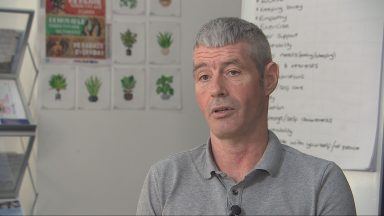
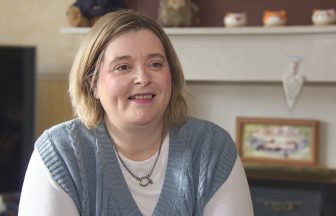
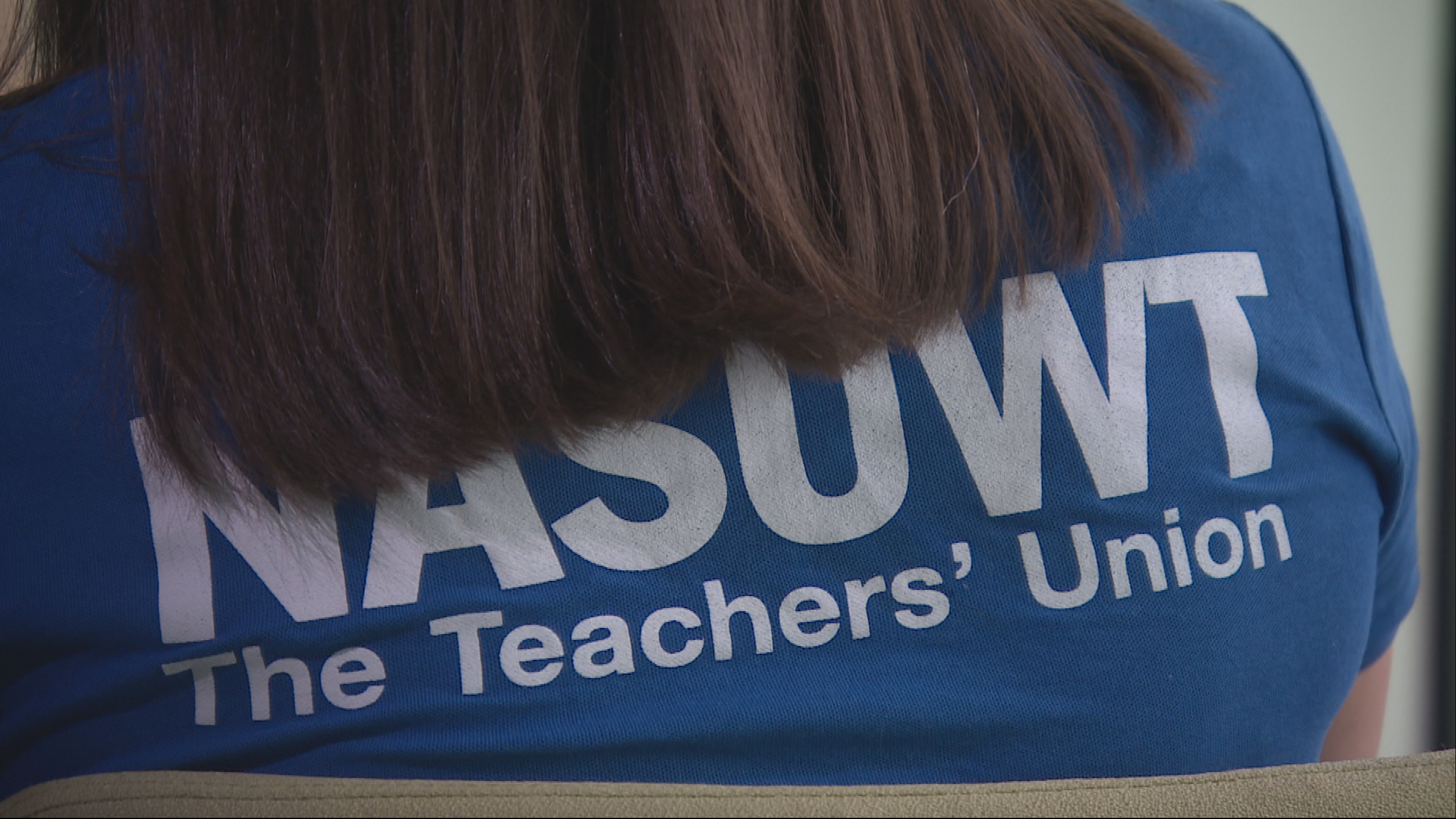
Lucy told STV News that teachers are being stretched to breaking point.
“We’re really at a point now, where the pressure is rising and not long from now the system is going to crumble if we don’t step in and do something now.”
 STV News
“Lots of teachers are reaching that burnout.
“There is an expectation of being a calm and consistent figure, but we don’t stop to look at the impact that has on our teaching staff.
“‘You know you’ve had a really tricky year how can we help and support you?’ That side seems to be missing. It’s more, ‘This is the landscape of the job, this is what it looks like now, if you can’t keep up you need to get out.'”
The workload is only one of many challenges impacting the profession, according to teachers.
Disruptive and violent behaviour is also on the rise in some classrooms, while concerns have been raised about the reduction in specialist support.
 STV News
Lucy says pupils can wait several years for a diagnosis because of soaring CAMHS waiting lists.
She said: “Neurodivergent youngsters aren’t getting those diagnoses until P6, P7, S3 or S4 before getting diagnosed. Once they do, that’s often the end of the line for them and there’s not further support. It’s creating a crisis for our schools.
Having the correct environment for them and the proper support they need is a huge issue, which is also due to reductions in educational psychologists and occupational therapists, who are on their knees with caseloads.”
Lucy added: “The system doesn’t exist without our support staff. Our lowest-paid staff are often working with our most challenging pupils. They are not getting the training and support they need.”
Workloads ‘at crisis point’
 STV News
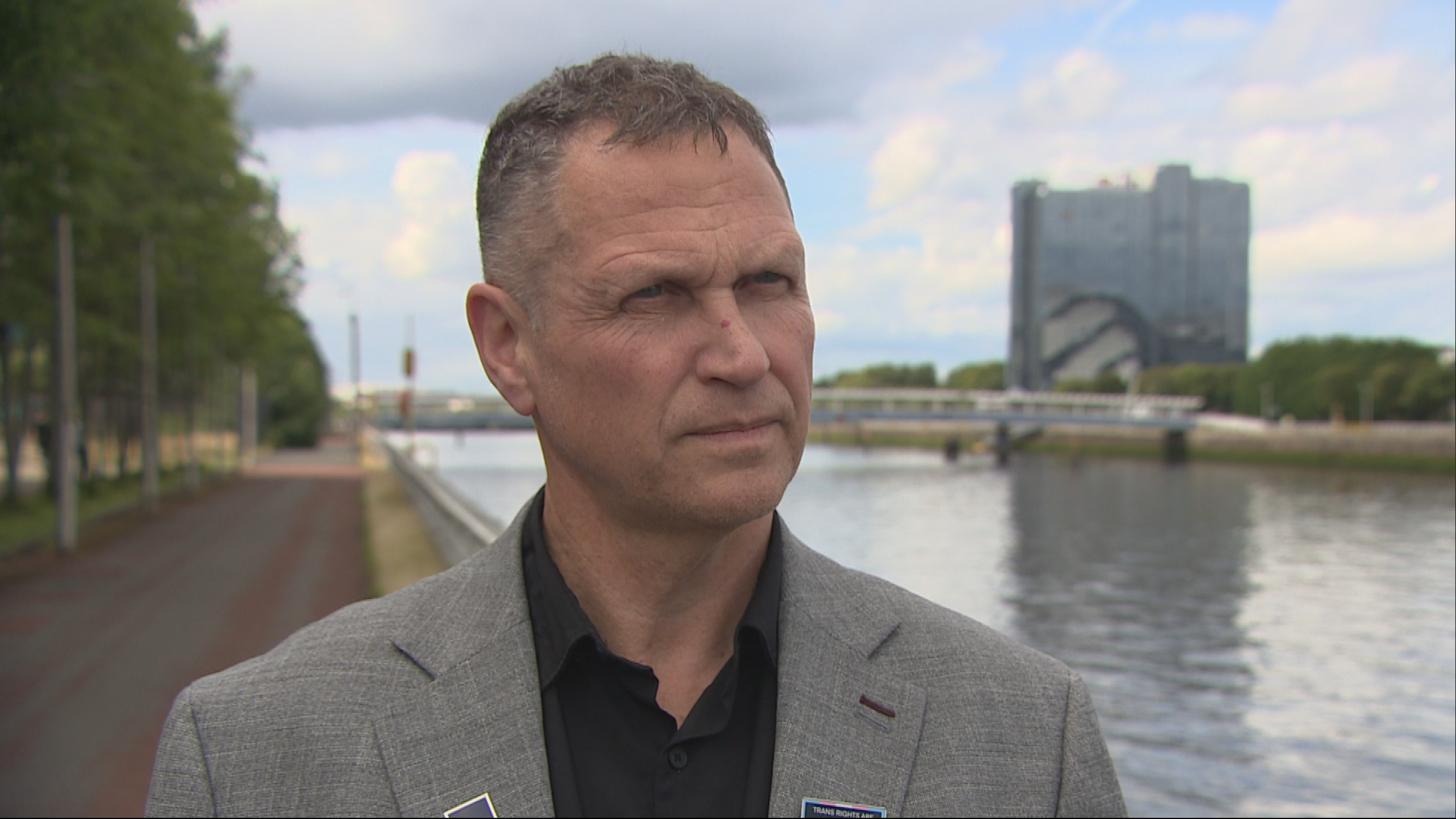
NASUWT’s national official Mike Corbett says cutting support staff is having a knock-on effect on classrooms.
“If you’ve got a pupil who is demonstrating challenging behaviour, the ability to take them out for a few minutes of one-to-one time allows them to calm down, which is good for the whole class.
“In the big picture, too many councils are maintaining teacher numbers by cutting other staff, various support staff and classroom assistants. That’s not great for pupils and it’s challenging for our members.”
He said the government’s pledge to cut class contact time is “welcome”, though changes will not arrive until 2027 for primary school and 2029 for secondary schools.
Instead, he says it’s “absolutely essential” that any additional funding for ASN from the UK Government is ringfenced and that schools could help reduce workloads by cutting admin and planning time for teachers.
“That could be tackled relatively straightforwardly and make a difference sooner rather than later,” he added.
Other systemic issues have also been raised, like misogyny and the influence of the far-right seeping into classrooms, with the majority of teachers believing social media plays a negative role impacting pupil behaviour.
 STV News
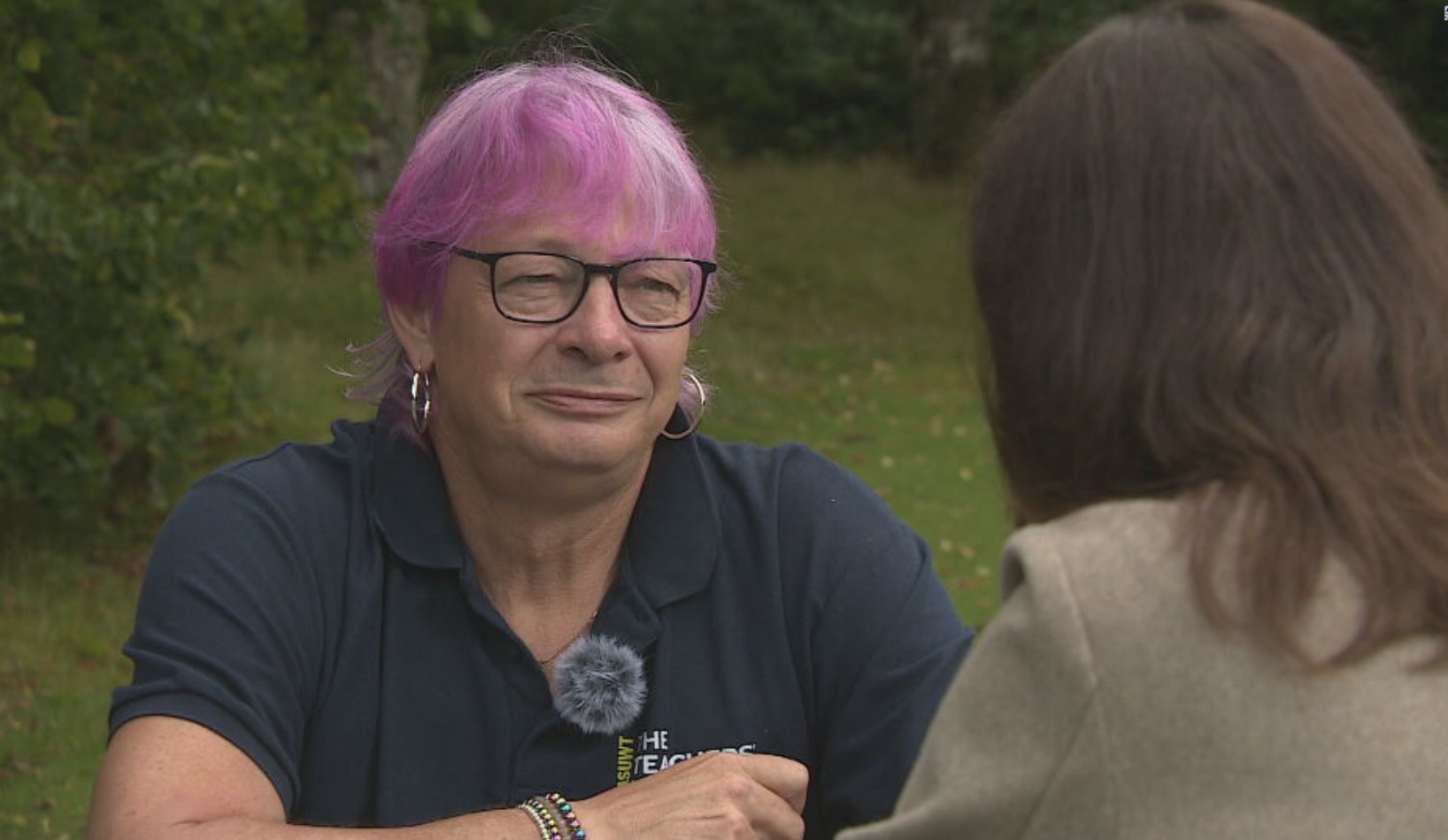
Nik James spent years as a headteacher and has seen student’s attitudes change.
“I realised that I was challenging the boys all the time about how they were talking about and treating the girls.
“I had to start looking at it like this was a problem for the boys too; they are doing this because they feel as if they have got to fit in and they’re people told on how to fit in by these horrendous people on the internet.
“I have had children bringing ideas they’ve seen online into the classroom, and I’m a primary teacher. They should be nowhere near that content.”
Unions warn tensions at recent anti-immigration protests are now spilling into schools.
EIS Union general secretary Andrea Bradley said: “We’re gathering a lot of anecdotal evidence from members from certain schools and communities that young boys in particular are being very strongly influenced by the far right and their presence online and their presence in some of our communities – so much so that they are involved in some of the anti-immigrant protests in our streets and outside hotels housing asylum seekers.”
A COSLA spokesman said: “Councils are deeply concerned to hear about instances of violence or abuse against any of our staff. We recognise the pressures teachers, and the classroom support staff that we do have, are under and the fact that the front-line nature of their work can place them at risk.
“COSLA is currently working towards reducing teacher contact time which was a key ask of teaching trade unions. The financial constraints local authorities are under mean resources for additional support both in and out of classrooms is limited.”
A Scottish Government spokesperson said: “There is no place for misogyny, violence, or racism in Scotland’s schools. Our classrooms should be safe and positive learning environments – and the vast majority are.
“The First Minister has shown leadership in tackling violence against women and girls by bringing together specialist organisations this week to discuss how we can continue to work in partnership to prevent violence and improve support for victims and survivors. As part of that work, we will bring forward legislation to criminalise misogynistic harassment and abuse as part of our efforts to tackle violence against women and girls.
“We are also working to tackle the influence of violent and misogynist online content by banning mobile phones in learning environments and developing a public health campaign aimed at tackling online harm.”
Follow STV News on WhatsApp
Scan the QR code on your mobile device for all the latest news from around the country