 iStock
Doctors in Scotland have voted to oppose plans to slash the number of regional health boards from 14 to just two.
First Minister John Swinney announced the changes in his Programme for Government on September 1, telling MSPs that Scotland’s NHS would undergo the “most significant structural reform” since Holyrood was established in 1999.
He announced plans to reduce the number of territorial health boards in Scotland, replacing the existing 14 with two strategic health boards.
Existing boards could be merged, creating one for the west and another for the east of Scotland.
However, the British Medical Association in Scotland has now urged the Scottish Government to “withdraw and rethink” the radical plans.
‘Wrong set of reforms’
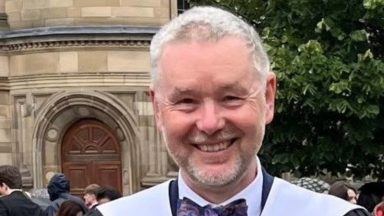
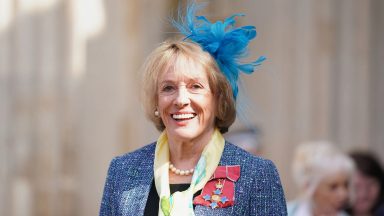
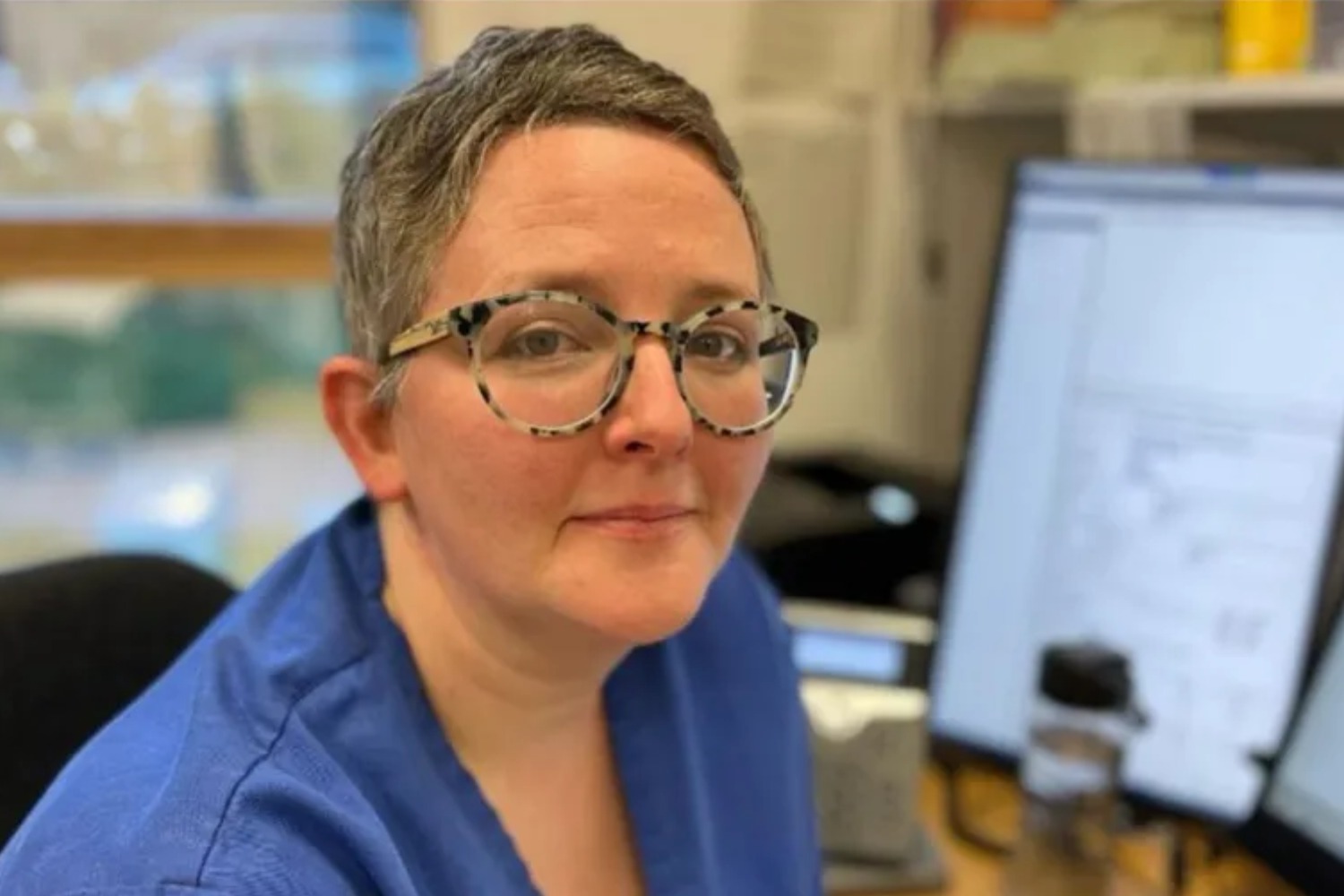
Dr Nora Murray-Cavanagh, the new chair of the association, said there was “no clear evidence” that the reforms would benefit patients in Scotland and that they would set out a “path of a costly, time-consuming, resource-sapping reorganisation”.
She confirmed that BMA Scotland has voted to oppose the plans during a meeting on Wednesday.
“Today I can confirm that Scottish Council has voted to oppose the plans to reduce the number of health boards to just two and is urging the Scottish Government to withdraw and rethink its whole approach, with a fresh focus on steps that will benefit patients more immediately and directly”, she said.
“Our position is not one that argues NHS reform isn’t necessary – no-one thinks we can simply go on as we are. As doctors, we know better than most the precarious state of services across Scotland.
“But this is the wrong set of reforms, and it will set Scotland on a path of a costly, time-consuming, resource-sapping reorganisation, with no serious engagement with those of us holding the service together and no clear evidence put forward on how it will benefit patients.
“In the council meeting, members set out with passion and precision the many concerns about what the reduction of boards will mean for them and the people they care for. But at the core of everything is the lack of any evidence on how these reforms will practically make care better.”
 Supplied
Further concerns were raised by BMA Scotland about the impact that the changes could have on patients’ accessibility to treatment, including older people and those on a lower income.
They also said they were “concerned” by the Scottish Government’s lack of engagement with either the public or those working in the NHS before announcing the plans.
Dr Murray-Cavanagh continued: “Of particular concern is the impact of the centralisation of governance and potentially services that moving to two boards covering vast swathes of the country will inevitably mean. Consolidation on this scale will weaken local accountability, and the ability to make decisions which reflect the needs of specific communities and all the complexity and nuance which comes with that.
“Services being organised on a much larger scale may mean patients have to travel further for the care they need. This could negatively impact patients in rural and remote areas, older people, those on lower incomes and those without access to private transport or wider support and runs the risk of widening already deep and pernicious health inequalities.
“There is nothing in these reforms yet to indicate that it will improve the dire situation of the medical workforce in Scotland, or as a result the care that we can provide to our patients. Instead, it risks making things worse, by potentially stretching an already thin workforce over even greater areas and asking them to do more and more to keep services running, rather than coming up with a proper workforce plan.
“The lack of engagement or consultation before the announcement creates the serious concern that these reforms will simply be bulldozed through, without proper consideration and input, both from those working in the NHS and the public.
“This is far too important for that to happen, and the BMA will do everything within our gift to ensure that we are able to contribute effectively to the engagement that we are promised will take place. Indeed, I have already had a constructive discussion with the cabinet secretary to make that point, and have received reassurances, although we wait to see what these encouraging words translate to in reality.”
Dr Murray-Cavanagh has stressed that doctors did not deny that the NHS needed to change, but believes the Scottish Government should come up with a more immediate way of helping patients.
She added: “It is our belief that when these plans are properly exposed to the scrutiny they require, the many flaws will become abundantly apparent.
“That is why BMA Scotland opposes them and urges the Scottish Government to wipe the slate clean and work with the representatives of organisations across the NHS and the public to design something better.
“Ministers need to remove the preconception that two health boards is the right approach and work with us and others with an open mind on what the most appropriate future structure for the NHS in Scotland is and how to really make a difference for patients.”
Health secretary Angela Constance has stood by the plans and has vowed to work with the NHS.
She said: “I met with the new BMA chair on Wednesday and in our meeting I reiterated that our plans for NHS reform are focused on improving services for people across the country, regardless of where a person lives.
“They will simplify how people get the care they need and remove the current geographic and bureaucratic barriers that exist between 14 health boards, which we know are currently causing unwanted variation and duplication.
“These changes will build on important work already ongoing since last November through sub-national planning in the East and West which has involved every NHS Board.
“The development of detailed proposals will be supported by a full business case and will include engagement with NHS Boards, staff representatives, trade unions, local government, Integration Authorities, social care partners and the public.
“A more detailed transition and implementation timeline will be available in due course.”
Follow STV News on WhatsApp
Scan the QR code on your mobile device for all the latest news from around the country