 STV News
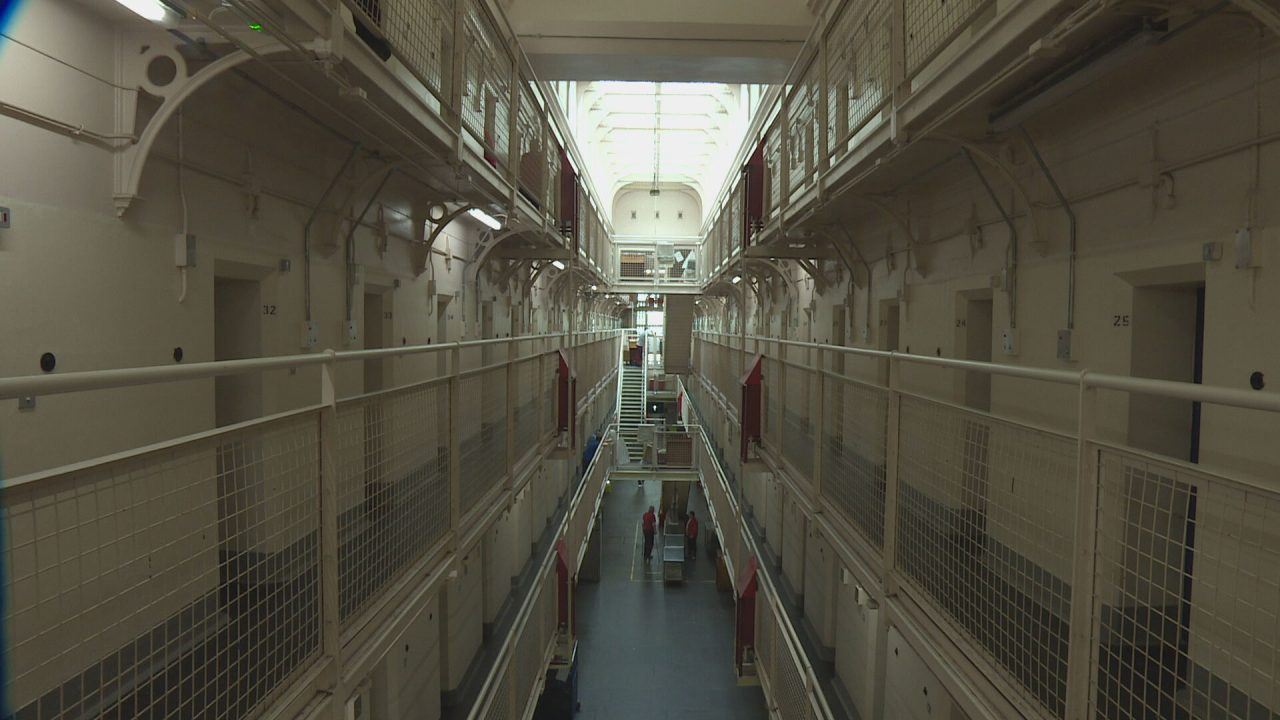
The Scottish Human Rights Commission has described the investigation of deaths in custody as “traumatising” for families, and warned that an increase in fatalities is “unacceptable”.
The report was compiled in co-ordination with charity Inquest in a bid to improve the fatal accident inquiry system in Scotland, which investigates deaths in custody as well as other fatalities.
Criticisms of the system were made at a “family listening event” attended by 33 grieving relatives, the report said, including that warnings about potential risk to life were ignored, that the cause of death was given and then retracted, and that one person was referred to as “the body”.
A fatal accident inquiry review was set up by the Scottish Government in January, following a report from the Scottish Human Rights Commission (SHRC) which criticised a lack of action on reducing deaths in state custody in Scotland.
The new report has been submitted to Sheriff Principal Ian Abercrombie, who is chairing the review.
In it, some families criticised the length of the investigatory process, while others described it as adversarial and compared it to a criminal trial.
One grieving parent said: “It feels like you are the one on trial.”
Another relative said they had little reassurance of the prevention of future deaths, and added: “Six years of fighting… what difference has it made?”
Another family member recalled: “We tried to warn them… four hours later we got the call saying he was dead.”
One person said: “It felt like they were looking for things to blame on our relative.”
The report suggested improvements, including guaranteed legal representation, trauma-informed practice, legally enforced time-scales, and co-ordinated communication after a death.
It also suggested specialist sheriffs for deaths in custody, and an independent oversight of FAI recommendations.
The report said: “It has become increasingly clear to the SHRC that Scotland’s FAI system must be significantly and quickly reformed.
“Several families recounted interactions that felt rude, abrupt, or even hostile and accusatory which further eroded trust.”
The report described how families had attended hearings to be met by “an army of state lawyers”, and found the process “an adversarial environment in which the legal might of the authorities dominated… resources were utilised to defend systems that had failed those that died and demeaned families”.
Other accounts included families who raised concerns directly with authorities regarding self-harm, or hoped their relative would receive therapeutic treatment rather than custody, while the notification of death was described as “mechanical” and treated as if it was “an administrative matter”.
The report included an account of prison officers eating a packed lunch on a hospital bed containing the body of a prisoner, of belongings being wrongly attributed, and of one family being given three different causes of death.
Examples of good practice were included, but the report said: “They were described as rare exceptions within a broader landscape of confusion, silence, and neglect.”
Professor Angela O’Hagan, chairwoman of the SHRC, said: “Scotland will only improve its system of investigating deaths if decision makers hear, truly listen to and take account of the experiences of families who have had to go through this investigation process as it has functioned to date.
“Scotland has a very high rate of deaths in its places of detention, and these deaths are rising. This is unacceptable and is a grave human rights concern.
“We simply cannot continue in this seemingly endless cycle of new reviews and recommendations while deaths in detention continue to rise.”
Deborah Coles, executive director of Inquest, said: “This report must be a wake-up call for fundamental reform of the system for investigating deaths in custody in Scotland.
“Families describe the legal process after a death as being another layer of harm, extending their grief for years. It also fails to deliver truth, accountability, and the prevention of future deaths.
“It cannot be overstated just how cruel, and retraumatising families’ experiences are. This is unacceptable.
“The families who participated in this day did so in the hope that other do not have to suffer in the way they have. The power of this report is only as good as its implementation.
“Families’ testimony and recommendations must be translated into meaningful action.”
The Scottish Government and COPFS have been contacted for comment.
Follow STV News on WhatsApp
Scan the QR code on your mobile device for all the latest news from around the country