 Nature Scot via Supplied
A new report on Scotland’s breeding birds shows that all farmland species have decreased over the past ten years.
The NatureScot report highlights that while woodland and pastoral bird numbers remain higher than 1994 levels, arable and wet farmland bird populations are now lower than a decade ago.
Experts say the decline is linked to intensified agriculture, climate change, reduced crop diversity, and the rise of spring-sown crops, all of which reduce food and nesting opportunities for farmland birds.
Some targeted conservation projects are showing success at a local level.
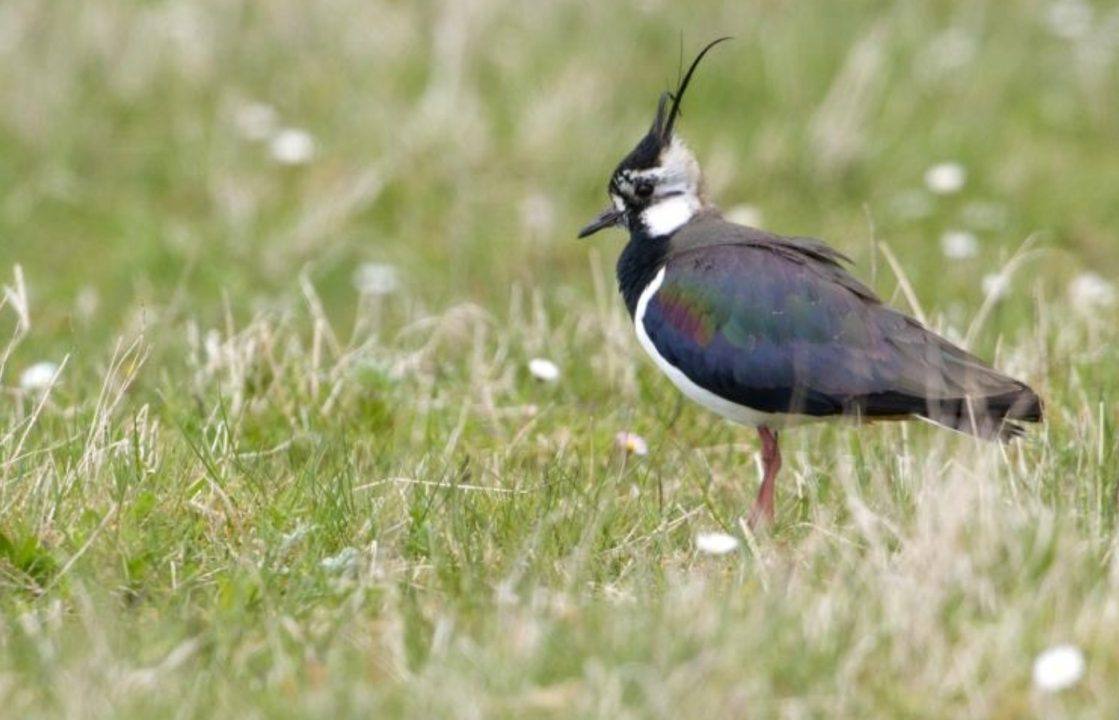
The Clyde Valley Waders project, involving 20 farmers focused on protecting lapwings (peewits), has achieved 80 percent nesting success compared to the typical 20 percent.
The Corn Bunting Recovery Project, run by RSPB in partnership with farmers, land managers, and the East Neuk Estates Group, has also seen improvements in North East Scotland.
However, experts warn that recovery is not yet happening at scale due to wider pressures, including climate change.
Across all habitats, the report found that 39 of 66 monitored species have increased in abundance over the past decade, while 27 have decreased.
Woodland birds have benefited from the rapid expansion of Scotland’s woodlands, and some urban birds, such as robins, wood pigeons, jackdaws, and great tits, are doing well.
Upland birds, however, have declined steadily and are now 19 per cent lower than 1994 levels, with species including curlew, lapwing, oystercatcher, dipper, grey wagtail, and common sandpiper affected by land-use change, stream management, forest expansion, climate change, and nest predation.
NatureScot’s Director of Nature and Climate Change, Stuart MacQuarrie, said: “While Scotland’s terrestrial birds on the surface appear to be in a steady state, with urban birds starting to show improvements, we are right to be concerned for the country’s farmland and upland birds.
“This evidence of a decline in those species makes us all-the-more determined in our efforts to stop biodiversity loss and restore nature and to champion the fantastic collaborative work projects are achieving. Securing a resilient future for these birds is only going to be possible by working together.
“With up to 20 percent of agricultural land under Agri-Environment Climate Scheme support to manage it in a way that benefits nature and climate, farmers have the frontline knowledge necessary to create better prospects for farmland birds and their livelihoods as a result.”
Follow STV News on WhatsApp
Scan the QR code on your mobile device for all the latest news from around the country