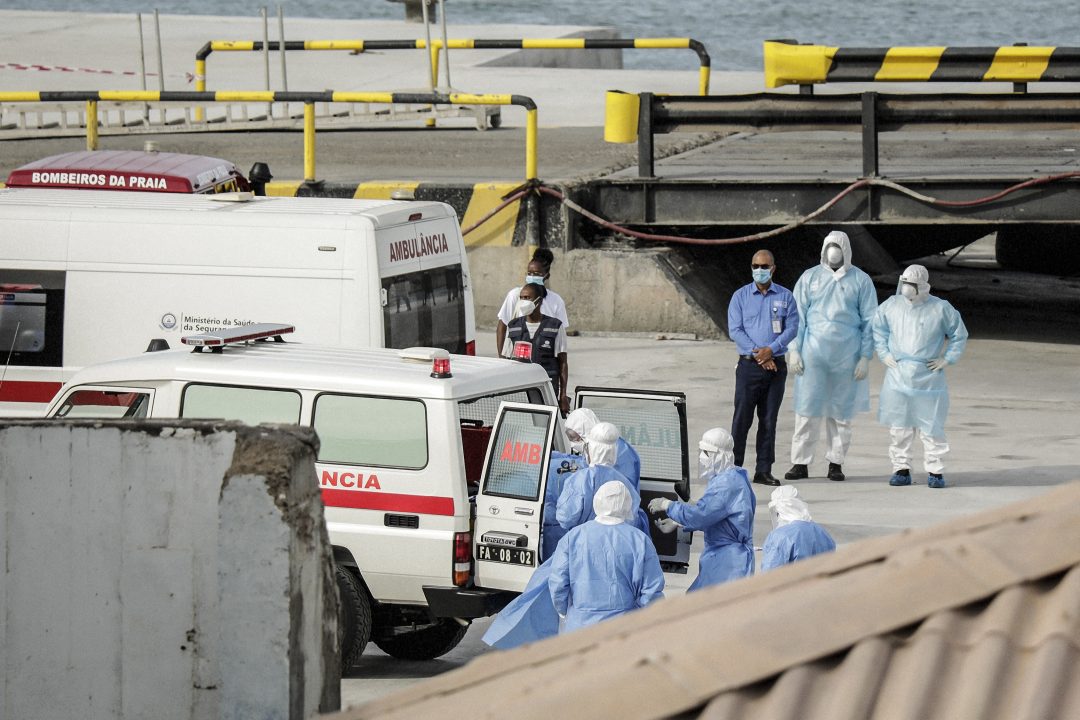
A Scottish health expert has warned hantavirus could spread quickly if it mutates to a form that allows human-to-human transmission.
Professor Devi Sridhar, chair of global public health at the University of Edinburgh, said it was “tricky to say” how likely it would be for Scottish cases to arise, as the cruise ship linked to an outbreak of the virus was full of people from different countries.
She said: “One, I would say it’s been much harder to respond to than if the outbreak was in China, or Scotland where you could have one public health authority.
“Instead, lots of different governments are involved, and they will all have their own response.”
 Getty Images
She added: “Even if we don’t see cases right away in Scotland or in Britain, as we’ve learned cases anywhere in the world can spread quickly once it mutates to a form that allows human-to-human transmission.”
Professor Sridhar also said people in Scotland shouldn’t change anything they are doing in their daily lives.
She said: “It’s too early to worry and too early not to worry. The UK is having a very forward-looking response.
“I wouldn’t change any plans right now, I would wait and see how this develops in the coming days.”
Cruise ship outbreak
 Oceanwide Expeditions
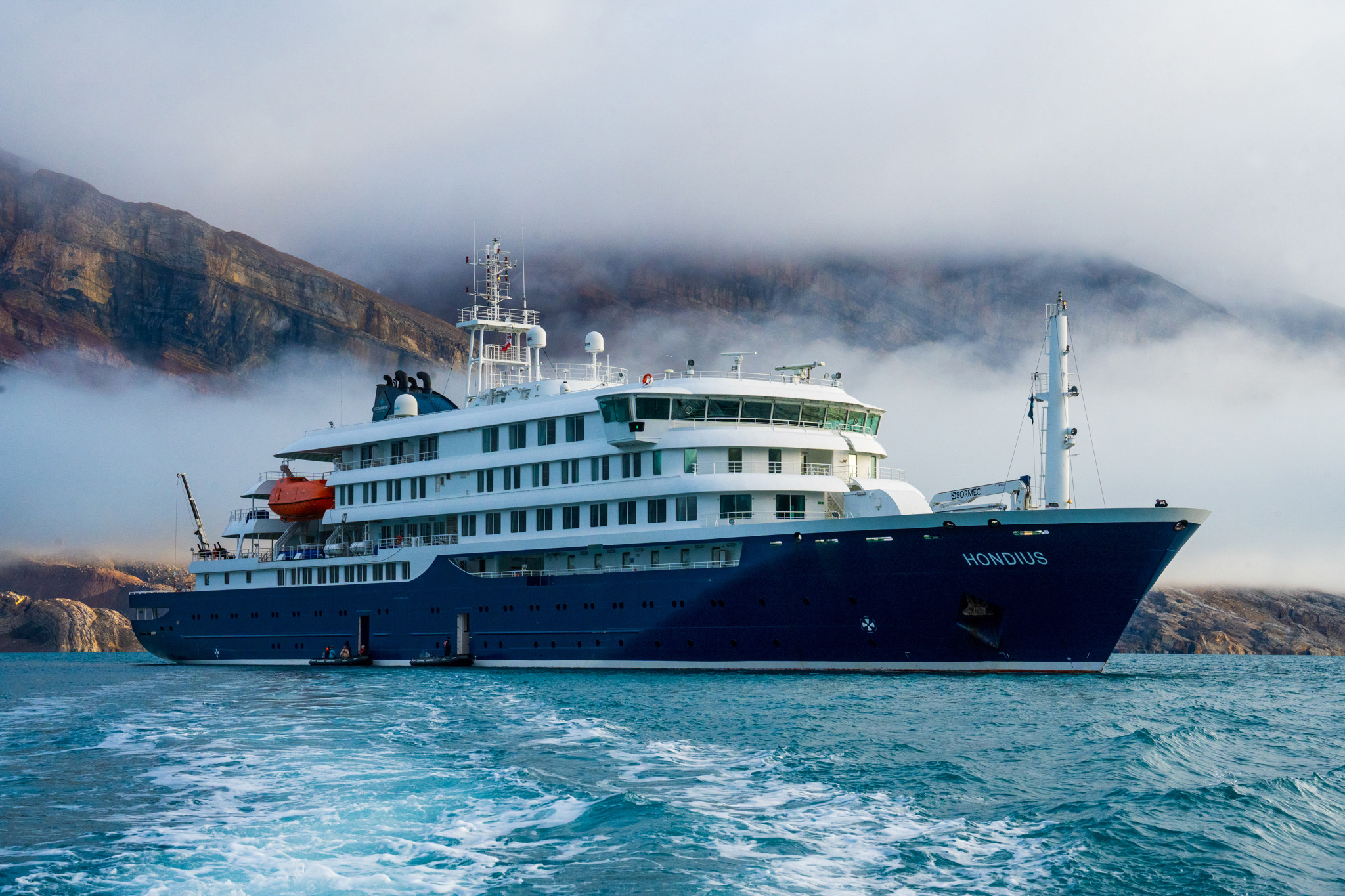
The World Health Organisation (WHO) confirmed that a major incident occurred on the Dutch-flagged MV Hondius, which was travelling from Argentina to Cape Verde.
The vessel was carrying around 150 tourists from various countries and left Ushuaia, Southern Argentina, around three weeks ago.
A 70-year-old male started to show signs of hantavirus while on board and died after arriving in St Helena Island. His 69-year-old wife also became ill and later died in a South African hospital.


A British passenger, understood to be a 69-year-old man, was taken to South Africa on April 27 and is receiving care at a private health facility in Sandton, Johannesburg.
Another Briton, Martin Anstee, 56, was taken off the MV Hondius on Wednesday and flown to the Netherlands to receive specialist medical care.
Dr Maria Van Kerkhove, from the WHO, said two patients – known to include a Briton – remain in hospital in the Netherlands, and another Briton is in intensive care in South Africa.
She told a WHO press briefing: “I am very happy to say the patient in South Africa is doing better, and the two patients in the Netherlands we hear are stable. So that is actually very good news.”
“This is not Covid, this is not influenza, it spreads very, very differently,” she said.
On Wednesday, it was confirmed two passengers who were on board the cruise ship are self isolating after returning to the UK.
‘More cases may be reported’
The WHO said morale has improved on board since the ship started its journey to Tenerife.
It said two doctors are on board along with infectious disease experts from the WHO and the European Centre for Disease Prevention and Control (ECDC), who are conducting a medical assessment of everyone on board.
While the risk to the public is low, Dr Tedros Adhanom Ghebreyesus, director-general of the WHO, said there could be more cases due to the incubation period of the Andes virus – the variant of hantavirus linked to the outbreak.
“Given the incubation period of the Andes virus, which can be up to six weeks, it’s possible that more cases may be reported,” he said.
“While this is a serious incident, WHO assesses the public health risk as low.”
Some 19 British nationals were listed as passengers on the MV Hondius, which was sailing from Argentina to Cape Verde, with four British crew members.
What is hantavirus?
Hantaviruses are mainly spread by rodents, particularly through exposure to infected rodents’ urine or faeces.
But, while rare, it may spread between people and can lead to “severe respiratory illness”.
Symptoms usually appear between one and four weeks after being exposed to the virus, and include fever, extreme fatigue, muscle aches, stomach pain, nausea, vomiting, diarrhoea, or shortness of breath.
There is no specific treatment or cure, but patients have a better chance of survival if they receive medical attention early.
Follow STV News on WhatsApp
Scan the QR code on your mobile device for all the latest news from around the country