Researchers leading the fight against Huntington’s disease in Scotland say new treatments are offering more hope than ever for future generations of patients.
Around 800 people in Scotland are believed to be living with the degenerative neurological condition, which is caused by a mutated gene and often affects several generations of the same family. It is frequently described as one of the cruellest diseases known.
Symptoms typically appear between the ages of 30 and 50, often after people have had children, and the condition is usually fatal within 20 years.
Last year, researchers at University College London announced the first successful treatment of Huntington’s Disease through a gene therapy trial known as AMT-130. The trial showed the therapy could slow the disease’s progression by up to 75%.
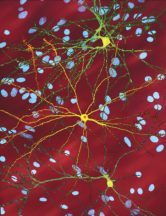


The treatment was delivered directly into the brain during a highly complex procedure lasting between 12 and 18 hours.
It is now hoped that the breakthrough will help accelerate a number of other Huntington’s trials currently under way across the UK.
Professor Zosia Miedzybrodzka is the clinical lead for Huntington’s research in the north of Scotland and is based at the University of Aberdeen.
She is overseeing the PROOF-HD trial, which involves patients taking the drug pridopidine in tablet form twice a day, aimed at protecting neurons in the brain.
Speaking to Scotland Tonight, Professor Miedzybrodzka said: “If we can have other ways of reducing the gene with a tablet, it might not be as strong an effect, but in practise it may be a more useful type of medicine.
“There’s so much coming now, and we’re all working in different ways. It’s a really, really exciting time and a great time for people to get involved with trials.”
Clinical trial provides renewed hope
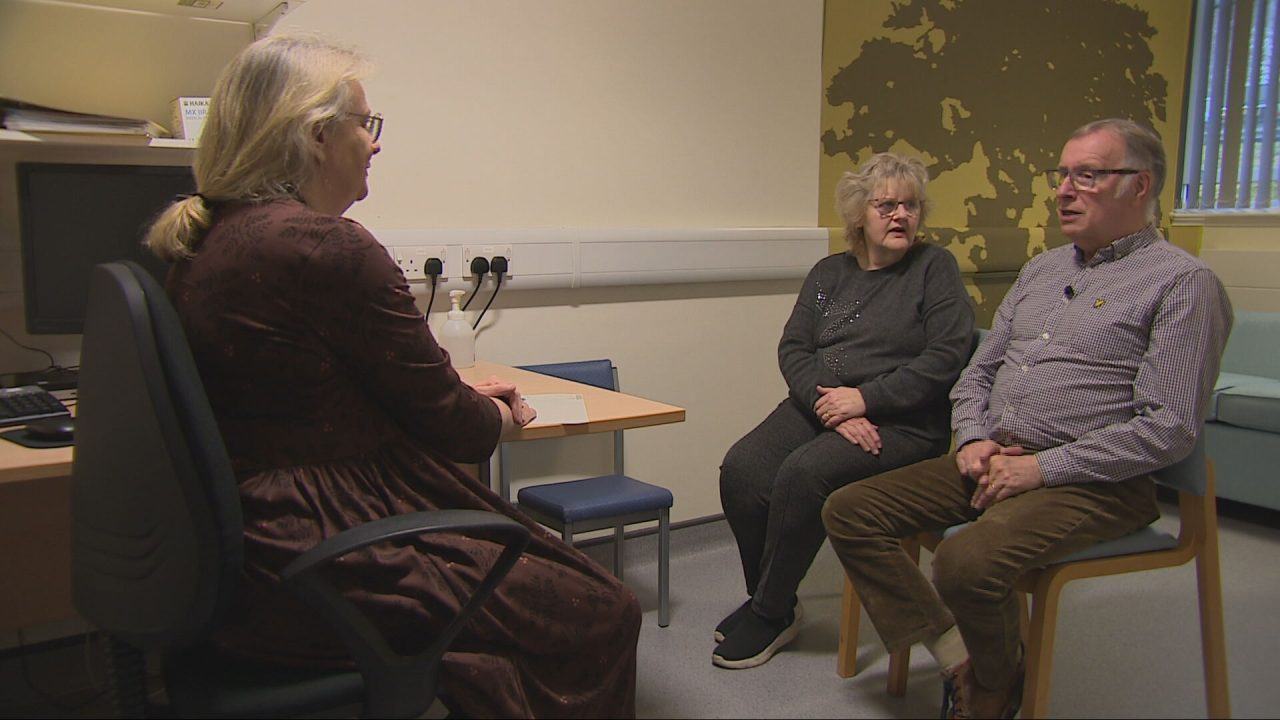
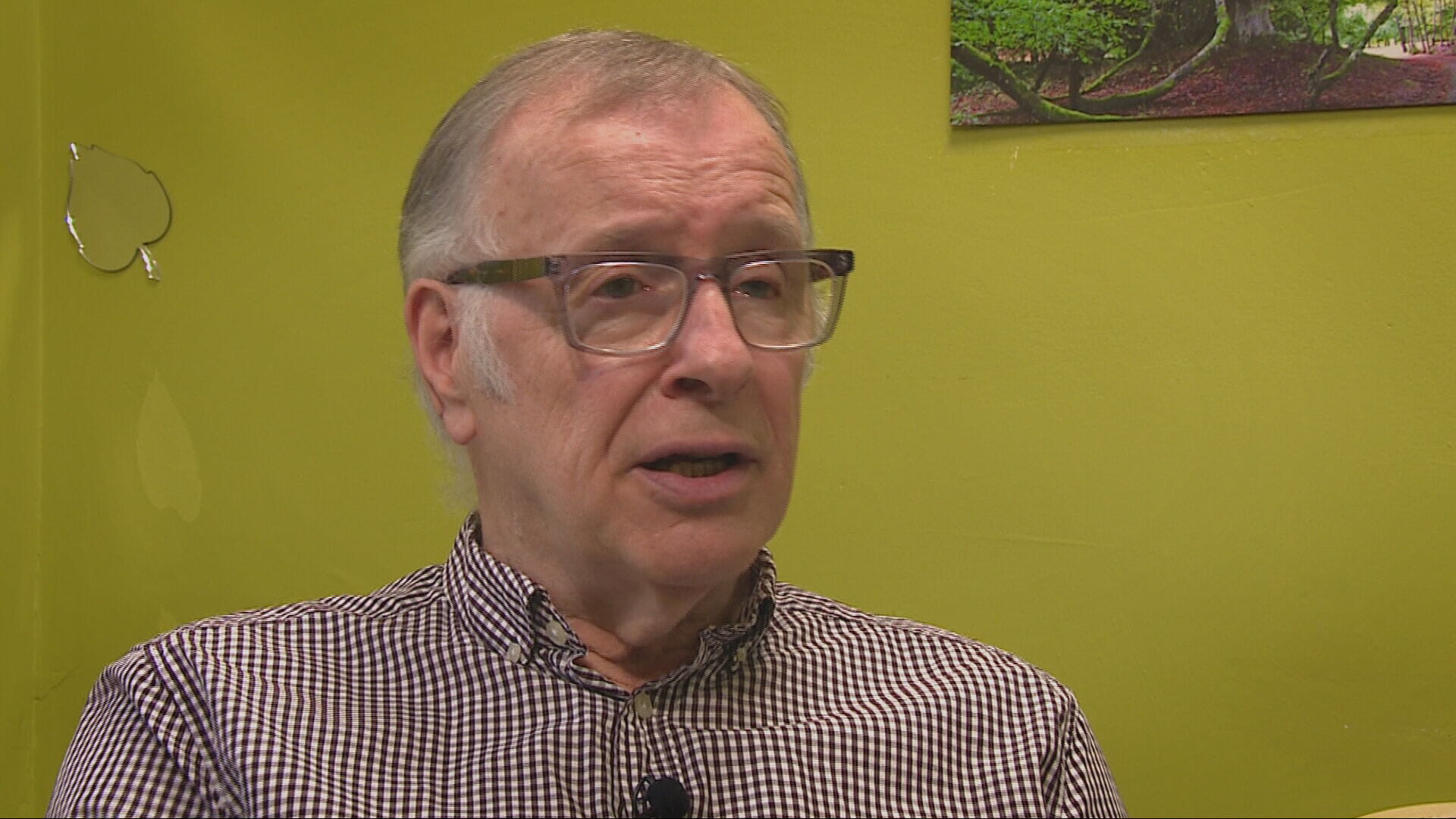
Brian Watt, 69, was diagnosed with Huntington’s Disease ten years ago, following the death of his father.
He has been taking part in the PROOF-HD trial since 2022, under Professor Miedzybrodzka’s supervision.
While he says it is too late to significantly slow the progression of his symptoms, Brian believes being part of a clinical trial has given him renewed hope.
 STV News
“The disease is something that makes it quite difficult to keep yourself motivated,” said Brian. “It’s a bit of dementia, it’s a bit of depression, almost like a motor neurone disease.
“[There’s] muscle wastage. Your throat kind of goes and things like that, but my outlook has always been a balance of medical, movement, and mentality. You’ve really got to keep the brain going. That’s a muscle as well. And this drug does help motivate me.”
His wife Val agrees the trial has had a noticeable impact.
She said: “It’s been great to be on that drug. You’re much more positive, aren’t you? You walk the dogs, every day Brian goes a walk with the dogs, and he has a wee part time job at the Moray Motor Museum and he loves that. So he’s still independent, you know, which is a great thing.”
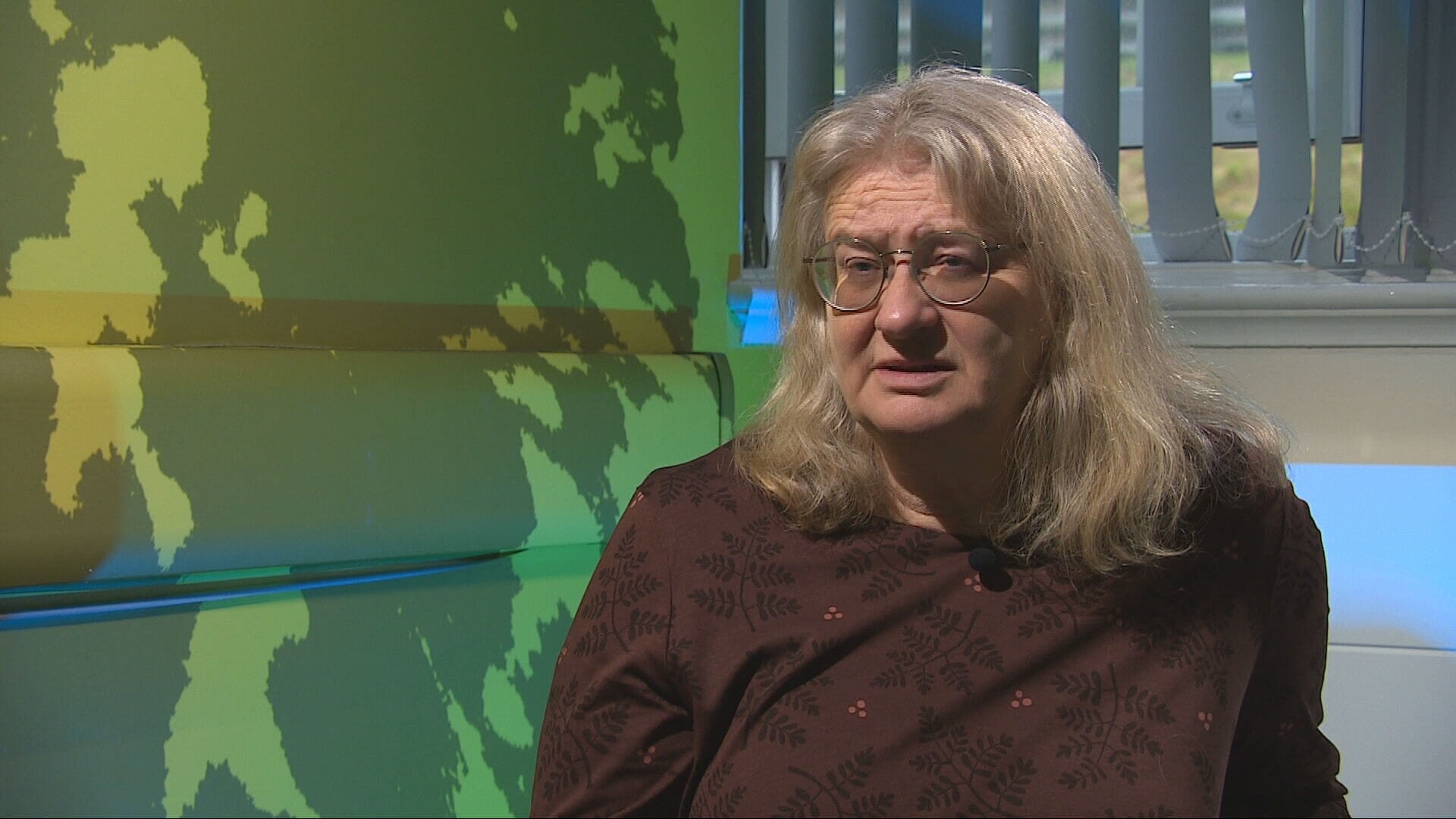
Professor Miedzybrodzka says many Huntington’s patients are eager to take part in research, motivated by the chance to help others in the future.
 STV News
“Without people like Brian making that choice to try a new medicine, we wouldn’t get anywhere. So we owe a huge amount to them, and we have patients who’ve been in other trials where the effects haven’t made a difference, but they have answered part of the question.
“They’ve answered part of the journey, and then that has led to the next step and the next step and where we are now. So every step matters.
“There’s a worldwide study that we offer to all of our early stage patients that are diagnosed called Enroll-HD, and that study is charting the course of Huntington’s, but it’s also giving people an opportunity to be evaluated so that when we’re asked to take part in trials, we can pick out the people that would be the best fit.”
But managing expectations is a crucial, and at times challenging, part of Professor Miedzybrodzka’s job.
She added: “What I would say about the [AMT-130] news, is it comes at a price. So it gives people that huge hope that things can change and maybe for their children, things could be different.
“But it can also bring a bit of a disappointment because you hear about it and then realise that it’s actually not available now. It’s not going to be available until the safety of the drug is proven.
“A lot more trials are going to have to be done. Regulators will have to decide, and then it will have to be assessed to see if it’s affordable. And that could often take five or 10 years or more.
“But I always remember someone saying to me that we have to see the sunshine and hold on to the sunshine and we have to see that news as sunshine and it’s hope and tangible hope that things can really change”.
Watch the full report, Scotland Tonight: The Race to Treat Huntington’s, on the STV Player.
The Scottish Huntington’s Association can be contacted on 0141 848 0308 or by emailing sha-admin@hdscotland.org. The organisation’s core hours are Monday to Thursday, 8am – 6pm and Friday, 9am – 3pm.
Follow STV News on WhatsApp
Scan the QR code on your mobile device for all the latest news from around the country