 iStock
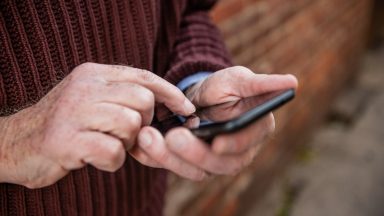
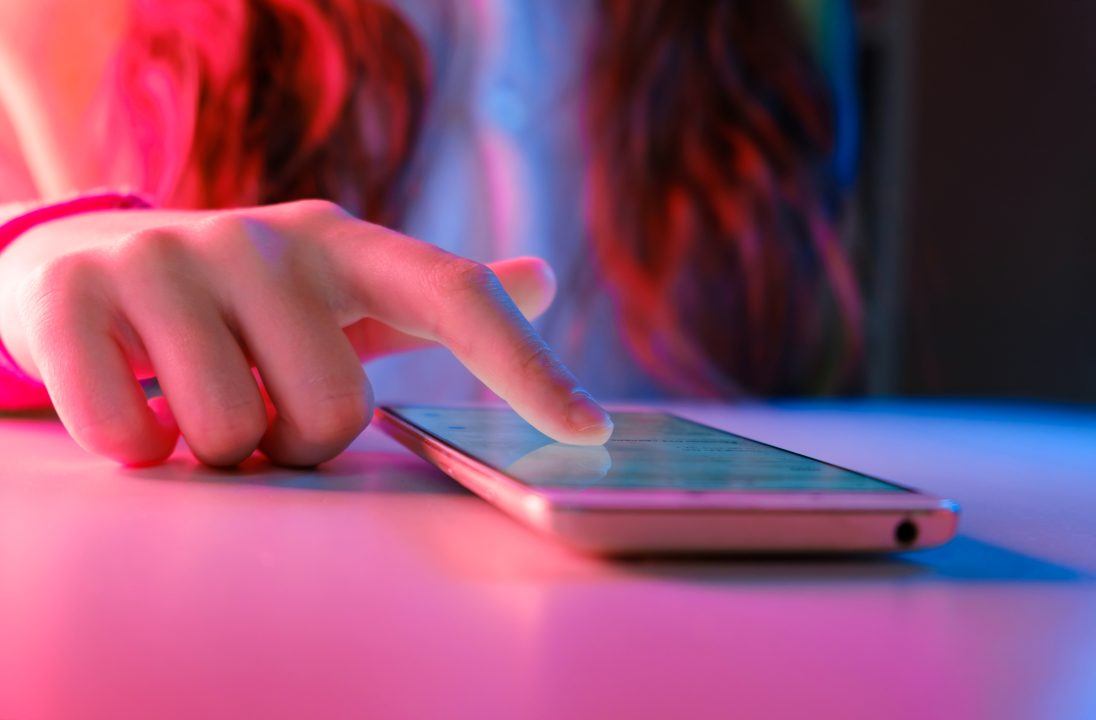
Scotland’s children’s minister has insisted “more clarity” is needed over Sir Keir Starmer’s plans to bring in a social media ban for under-16s.
Siobhian Brown welcomed the move – but stressed more detail is needed on “what these proposals actually mean in practice”.
She was also clear that a ban “cannot be rushed through without a clear plan for actually holding social media companies accountable for their failures to protect children”.
Her comments came after Nicola Killean, Scotland’s children’s commissioner, warned the Prime Minister there is a “real risk” that banning under-16s from social media will see youngsters “driven to darker places on the internet”.
Ms Killean insisted the evidence does not currently show that banning children from social media will make them safer online.
However, the Prime Minister has insisted his is “giving children their childhoods back” by tackling the issue.
He acted amid concerns that social media can be unsafe for youngsters and potentially damaging for their mental health.
While the Prime Minister acknowledged some youngsters will try to try to find their way around the ban, he insisted he would not compromise on the “safety and happiness of our children”.
Restrictions are expected to be passed by Christmas and in place by spring next year, which will leave technology firms, rather than children, liable for enforcement action if they fail to comply.
There will also be measures to prevent children from chatting with adults on gaming and livestreaming platforms.
Brown, the minister for children and young people in the Scottish Government, said it had “consistently called on the UK Government to go further and act faster on online safety”.
But she said politicians at Westminster must set out how the regulator Ofcom would enforce chance.
Brown said she wants to see “a bold plan that goes further than what we’ve heard so far”, backing action such as the introduction of a social media levy on firms.
Stressing that “collaboration is vital”, she added that the UK Government must “meaningfully engage” with Holyrood ministers to “ensure proposals meet the needs of children and young people in Scotland”.
But Ms Killean said she was “disappointed” with the UK Government’s stance – adding a ban may make children less likely to speak out if they do see harmful content online.
A children’s rights impact assessment carried out by the commissioner’s office “found a social media ban for under-16s would not currently be a proportionate, effective, or enforceable way to protect children’s rights”, she said.
Ms Killean continued: “Today’s announcement leaves more questions than answers. We know when a ban will happen, but not how or what it will include.
“The UK Government must urgently address children and young people directly.
“With the evidence from Australia showing that the majority of children are still on social media, children need to know that they can report harmful content without repercussions. They must not feel they are to blame and are doing something wrong.
“There is a real risk now that children will be driven to darker places on the internet and stop talking to adults about what they might see.”
The commissioner accepted that “evidence shows that social media can expose children to serious risks, including harmful content, cyberbullying, manipulation, contact from strangers, exploitation and excessive use”.
But she added: “It also shows that social media can play an important role in many children’s lives by supporting communication, self-expression, access to information, participation, play, and connection with communities and support networks.
“The available evidence does not currently show a blanket ban would make children safer online, and it may inadvertently push children to less regulated or riskier parts of the internet.”
She added that some youngsters, such as: those living in rural areas; those with family overseas; those who are disabled; and those who rely on online spaces for support; will be “particularly affected” by the ban.
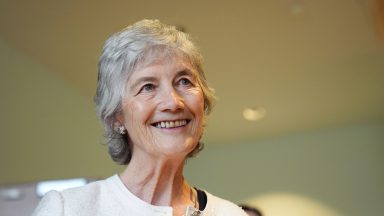
But Mary Glasgow, the chief executive of the Children First charity, welcomed the ban, saying it was an “indication of the desire to protect children in the face of a national childhood emergency”.
With the Scottish Government also acting on mobile phones in schools, she said there was a clear intention to “reset the digital culture that is causing widespread harm to children and childhood”.
But the charity boss also said action was needed from tech companies and parents, saying: “Bans on social media and smartphones in schools can begin to shift cultural norms, but they will not fix a system designed to maximise profit and ignore protection.
“The tech companies have addicted us all and we cannot expect children to change their behaviour, if the adults around them don’t.
“Parents and caregivers need support to model a new approach to screens and, above all, tech companies need to ensure safety by design and urgently develop platforms that are not addictive for anyone.”
Follow STV News on WhatsApp
Scan the QR code on your mobile device for all the latest news from around the country