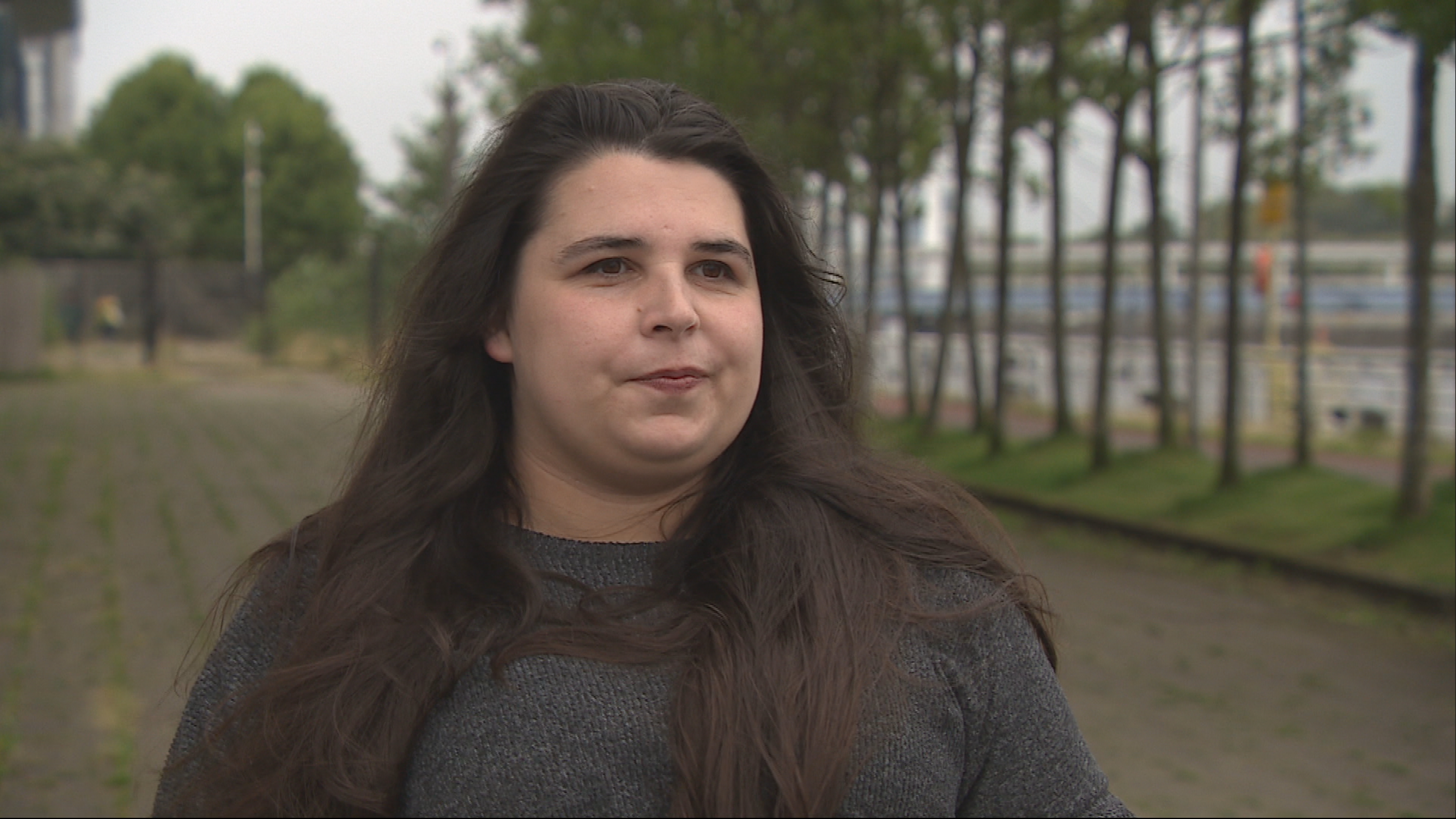
A Fife mum whose former partner was caught with more than 200 child abuse images has shared her relief after a review was announced into parental access rights for convicted sex offenders.
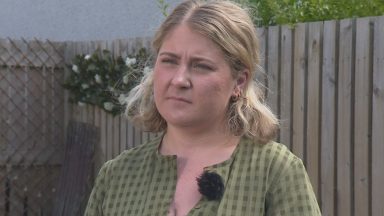
The woman, whom STV News is calling Alexandra, says she is “over the moon” after the Scottish Government confirmed it will look at an automatic restriction or suspension of Parental Rights and Responsibilities (PRRs).
Under existing Scots law, civil family courts and criminal courts operate independently. A criminal conviction does not automatically remove an individual’s PRRs, often forcing protective parents to pursue separate civil court actions to restrict contact.
Alexandra’s ex-partner was sentenced to two years on the sex offenders register and a 100-hour community payback order.
Shortly after, she was dragged into a stressful legal battle after he lodged civil court action to pursue contact with their child.
‘He’s using the courts to regain control’
“He’s gone ahead to abuse the court system to continue to try and control me,” Alexandra told STV News. “I was just like, how is this okay?
“You’re on the sex offenders register, you’ve been convicted of hundreds of indecent child images.
“At the end of the day, the moment you watched your first download, you stopped being a parent. You should’ve lost your rights for that.
“The fact you’re sitting in this courtroom, you’re not allowed to say anything; it’s the worst feeling as a mother. I wonder ‘Is my child going to be safe? What’s going to happen?'”
 Adobe Stock
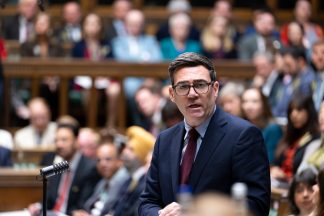
Victims minister Kirsten Oswald confirmed that the Scottish Government will ”undertake a review of the current legal position in Scotland specifically to understand the options that are available.”
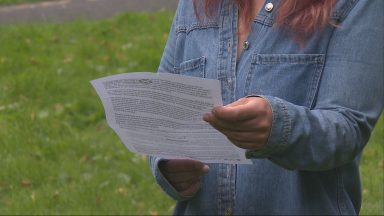
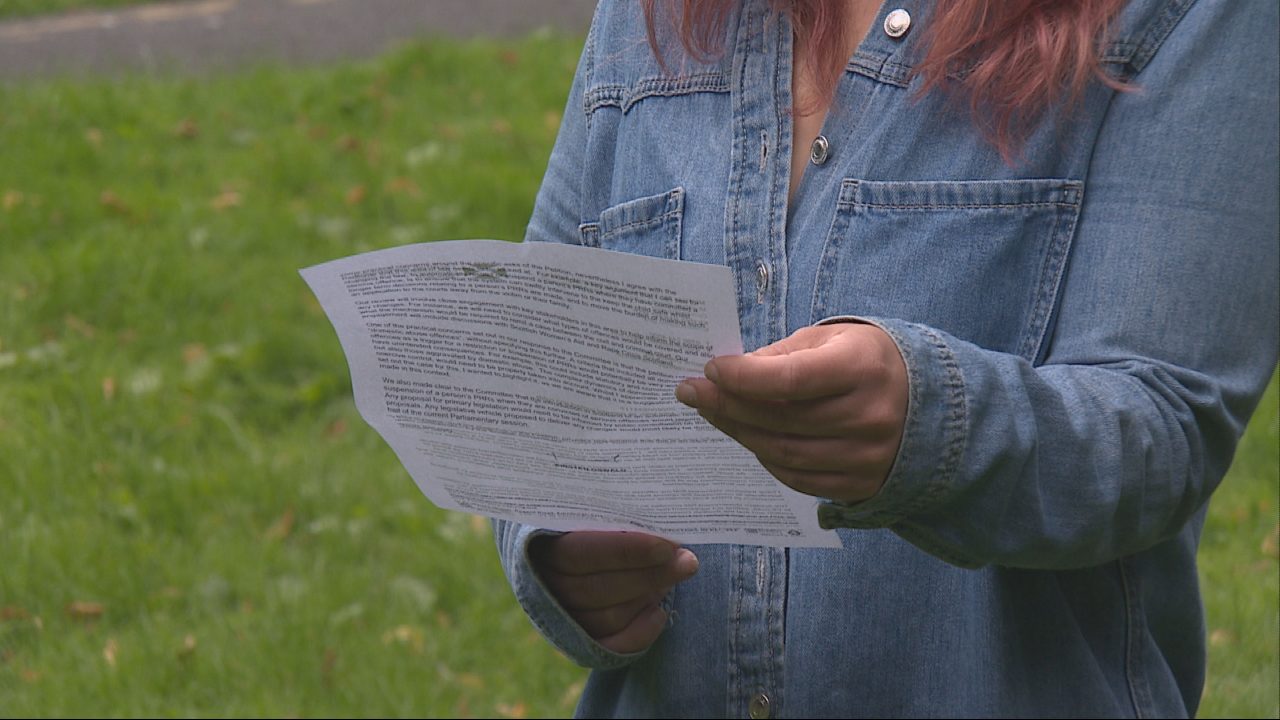
A letter written by victims minister Kirsty Oswald read: “I recognise that in many situations, it may be in a child’s best interests for a convicted parent not to hold parental rights and responsibilities (PRRs), and for these to be removed quickly. I accept that this is an issue that warrants further attention.
“A key argument I can see for changing the law, to automatically restrict or suspend a parent’s PRRs where they have committed a serious offence, is to ensure that the system can swiftly intervene to the keep the child safe whilst longer term decisions relating to a person’s PRRs are made, and to move the burden of making such
an application to the courts away from the victim or their family.”
The minister cautioned that it will require passing new legislation through parliament, informed by public consultation. New laws likely won’t be passed until the latter half of the current term.
Legislation was introduced in England and Wales ending the presumption of parental contact for people convicted of child sex offences earlier this year.
The review follows a campaign launched by Alexandra and supported by Rape Crisis Scotland and Scottish Women’s Aid.
‘It’s common sense’
Rape Crisis Scotland’s external affairs manager Nicola Love said the Scottish Government’s commitment to review the issue was “hugely welcome”.
She said there has long been an “inherent disconnect” between the criminal and civil justice systems in Scotland, which offenders can use to continue abuse following separation.
“If you’re a child sex offender and prosecuted in criminal court, you shouldn’t be able to rock up to family court on Monday and force the mother of your children to go through a really gruelling, emotionally and financially intensive process, when common sense suggests your right to be a parent probably should not continue.”
Love said the civil justice process can be just as traumatising as the criminal courts and is often lengthy and difficult to navigate.
“It can be really difficult to get legal representation,” she said. “The process stops and starts, unlike criminal justice, and they don’t run in tandem. They operate in parallel universes rather than with each other.
“You can get to the end of the criminal justice process thinking that might be the end of that, then have a whole other traumatisation in the civil process.”
 STV News
MP Graeme Downie raised the issue directly with government ministers after being contacted by Alexandra about her ordeal.
He said: ”This is a significant moment and a testament to the courage of survivors who refused to stay silent and I want to thank the minister for listening to their call for action.
“I keep thinking about the constituent who first came to me with her story. She was simply trying to protect her child, but in speaking out she exposed a problem that far too many families across Scotland have had to navigate.
“What began with a small number of incredibly brave women has grown into a national campaign for change. Since the very beginning, I have had the privilege of working alongside survivors and their families, hearing first-hand the reality of what they have endured, helping them ensure their voices were heard by the Scottish Government and across the country.
“These women turned some of the most painful experiences of their lives into a campaign to protect other children and families. Today’s announcement is a direct result of their determination.
“I want to work with the Scottish Government, my constituents and other victims as the review takes place to ensure it is speedy and implements the changes needed quickly.”
Victims minister Kirsten Oswald said: “I am grateful to the survivors and families who have come forward to share their experiences. These cases are deeply distressing and, in many circumstances, it will be in a child’s best interests for a convicted parent not to hold parental responsibilities and rights, which is why we have confirmed that we will undertake a review of the law.
“Scotland’s civil courts already have powers to remove some or all parental responsibilities and rights, and the welfare of the child as the paramount consideration.”
Follow STV News on WhatsApp
Scan the QR code on your mobile device for all the latest news from around the country