The UK Government intends to publish new guidance on single-sex spaces next month after the elections on May 7.
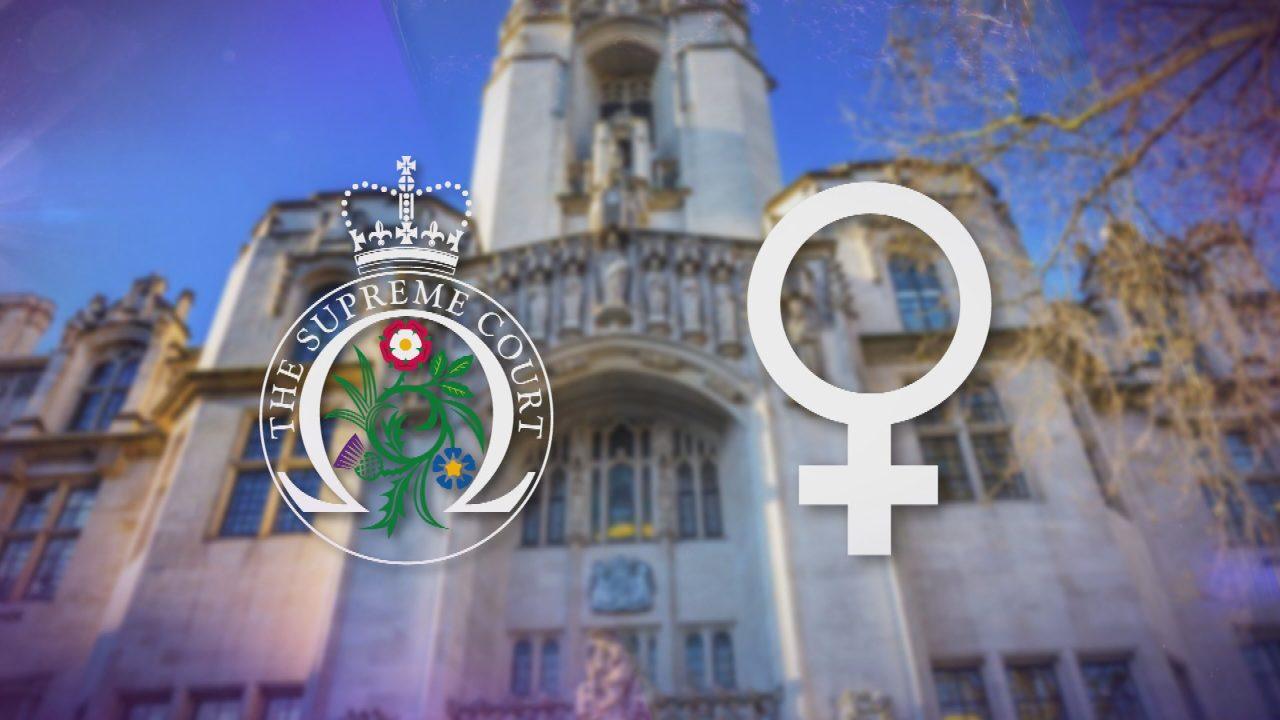
It comes as campaigners who won a legal case in the UK’s highest court on the definition of a woman are to meet with the equalities minister almost exactly a year since the landmark ruling.
For Women Scotland (FWS) will meet with Bridget Phillipson to press for “more detail” after she confirmed long-awaited guidance on single-sex spaces is likely to be published next month.
The group’s director Marion Calder said she and her fellow campaigners feel “cautiously optimistic” after Ms Phillipson’s update, which comes eight months on from the draft guidance having initially been handed to her department.
The updated code of practice – aimed at guiding businesses and other organisations on provision of single and separate-sex services such as toilets and changing rooms – will face parliamentary scrutiny before coming into force.
While a draft code was handed to ministers by the Equality and Human Rights Commission (EHRC) last September and later described by the watchdog’s chairwoman as “legally sound”, the Government gave “feedback” and it has been confirmed some changes have been made to the earlier version.
The commission did not detail what the changes were, but Ms Calder said she hoped to get further information on Wednesday at their London meeting.
The Times newspaper reported that the changes made are minimal and that the EHRC has been asked to include more examples of how organisations can be inclusive within the law.
Ms Calder told the Press Association: “We’re cautiously optimistic about the news and hope to get more detail.
“Whatever happens, the guidance must follow the ruling in order to withstand legal challenge.”
The wider code of practice for services, public functions and associations – which covers nine protected characteristics including age, disability, race and religion or belief – was already in the process of being updated.
But the Supreme Court ruling on April 16, 2025, which confirmed the terms woman and sex in the 2010 Equality Act “refer to a biological woman and biological sex”, prompted further consultation and a proposed update by the EHRC related to single-sex spaces and the protected characteristics of sex and gender reassignment.
While the ruling was hailed as a victory confirming “women are women and men are men”, some described it as “incredibly worrying for the trans community” amid fears about access to certain facilities including toilets.
EHRC chairwoman Mary-Ann Stephenson on Tuesday said: “Having considered this (Government) feedback alongside consultation responses and further legal analysis, we have made adjustments where they help the code provide legally accurate, practical guidance that is useful to duty bearers.”
A leaked draft of the guidance was reported in November as suggesting transgender people could be banned from single-sex spaces based on the way they look – prompting trans rights campaigners to call it “a licence to discriminate based on looks, plain and simple”.
But Ms Stephenson said in December that she did not accept such a characterisation, indicating the guidance would give advice on ensuring “there are services provided for people who can’t or don’t want to use the services for their biological sex”.
She has also previously said no-one is expecting there to be “toilet police”, and suggested organisations with self-contained male and female toilets could make them unisex.
LGBTQ+ organisation Stonewall said it was “pleased to see the Government and EHRC working constructively to ensure the code is legally accurate and supports service providers to treat everyone with equal dignity and respect”.
Trans+ Solidarity Alliance director Alex Parmar-Yee said: “A national bathroom ban under the guise of equality law is not in line with Labour’s values, and we hope any new guidance scraps that idea for good.”
But Maya Forstater, chief executive of gender critical campaign group Sex Matters, accused the Government of having “found another excuse for delaying the guidance” amid what she called “negotiations and horse-trading” on the code’s content.
Following Phillipson’s pledge to lay the code “as soon as practicable after the election period, for parliamentary scrutiny”, Conservative MP Claire Coutinho argued that waiting until May was “a disgrace”.
The shadow minister for equalities accused Phillipson of “putting her own political ambition ahead of protecting women” and “hiding behind the local elections as an excuse for more dither and delay”.
Phillipson, who has previously insisted the Government would not be rushed into publishing the guidance, said: “We are getting it right, showing leadership by implementing the clarity the Supreme Court ruling delivers.”
She said the legal ruling “brought clarity for women and service providers such as hospitals and refuges, and made clear that protections for trans people remain in the Equality Act”.
After ministerial approval, the code of practice would be put before Parliament for scrutiny from both MPs in the Commons and peers in the Lords.
It would not be enacted until 40 days after being laid in Parliament.
While a vote would not be required to enact the code and make it statutory, either House could pass a motion to reject it within that period.
Follow STV News on WhatsApp
Scan the QR code on your mobile device for all the latest news from around the country