 Collective Architecture
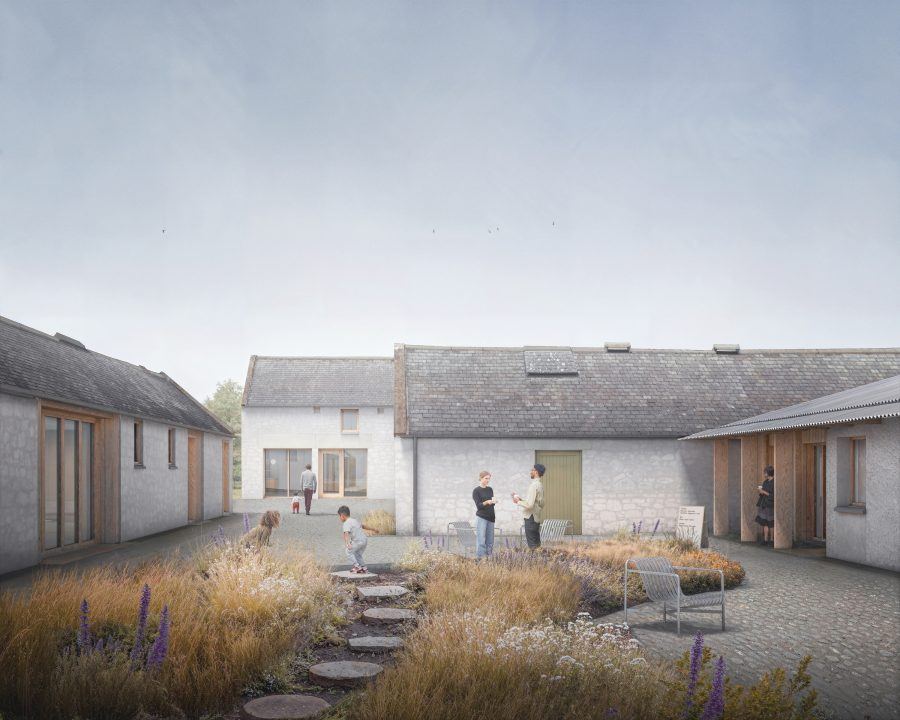
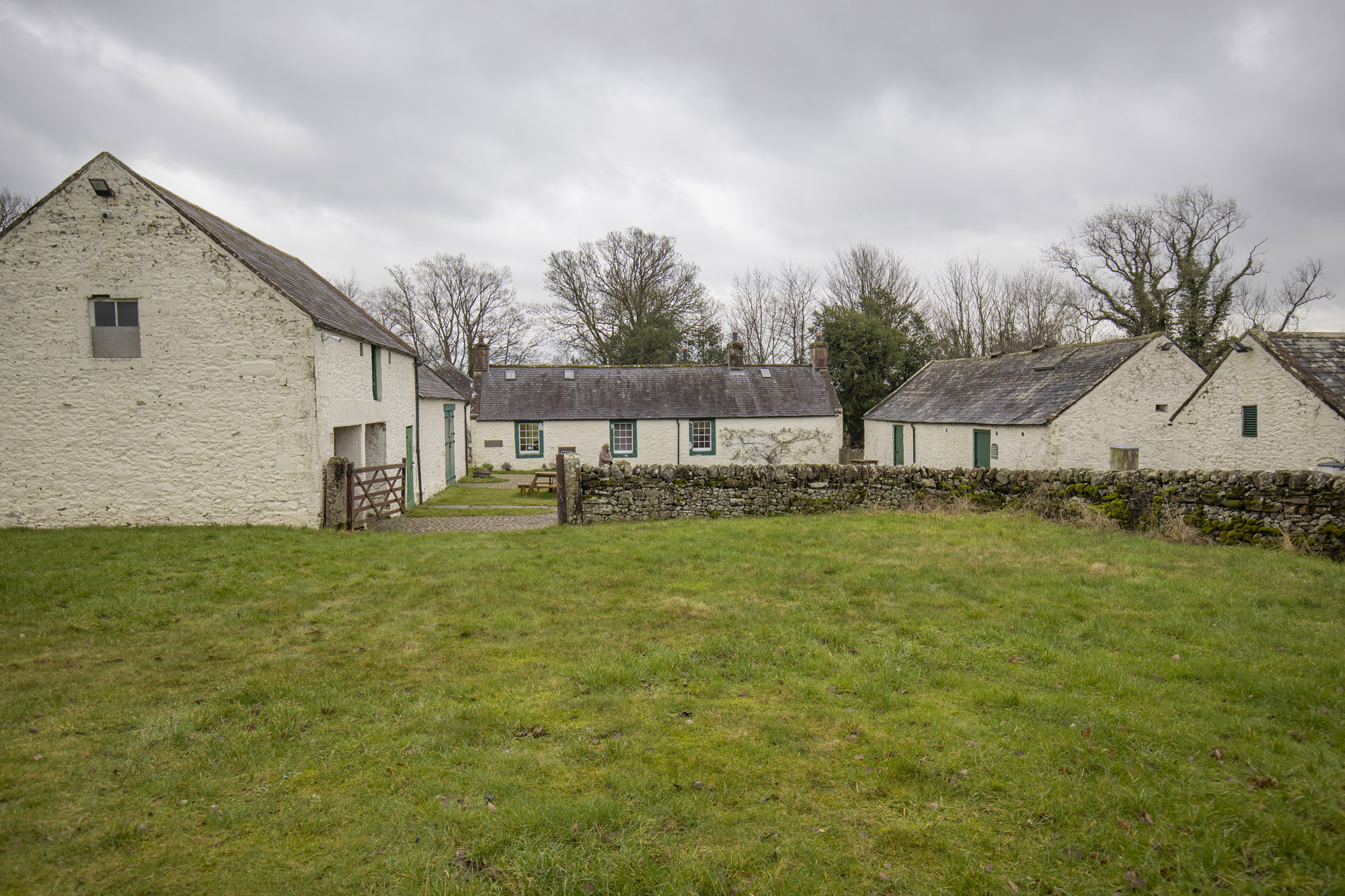
New before-and-after images reveal a vision for the restoration of the farm where Robert Burns wrote Auld Lang Syne.
A £12m fundraising appeal launched last November to restore the A-listed Ellisland Farm, near Dumfries, which the bard built as a home for his wife and children in 1788.
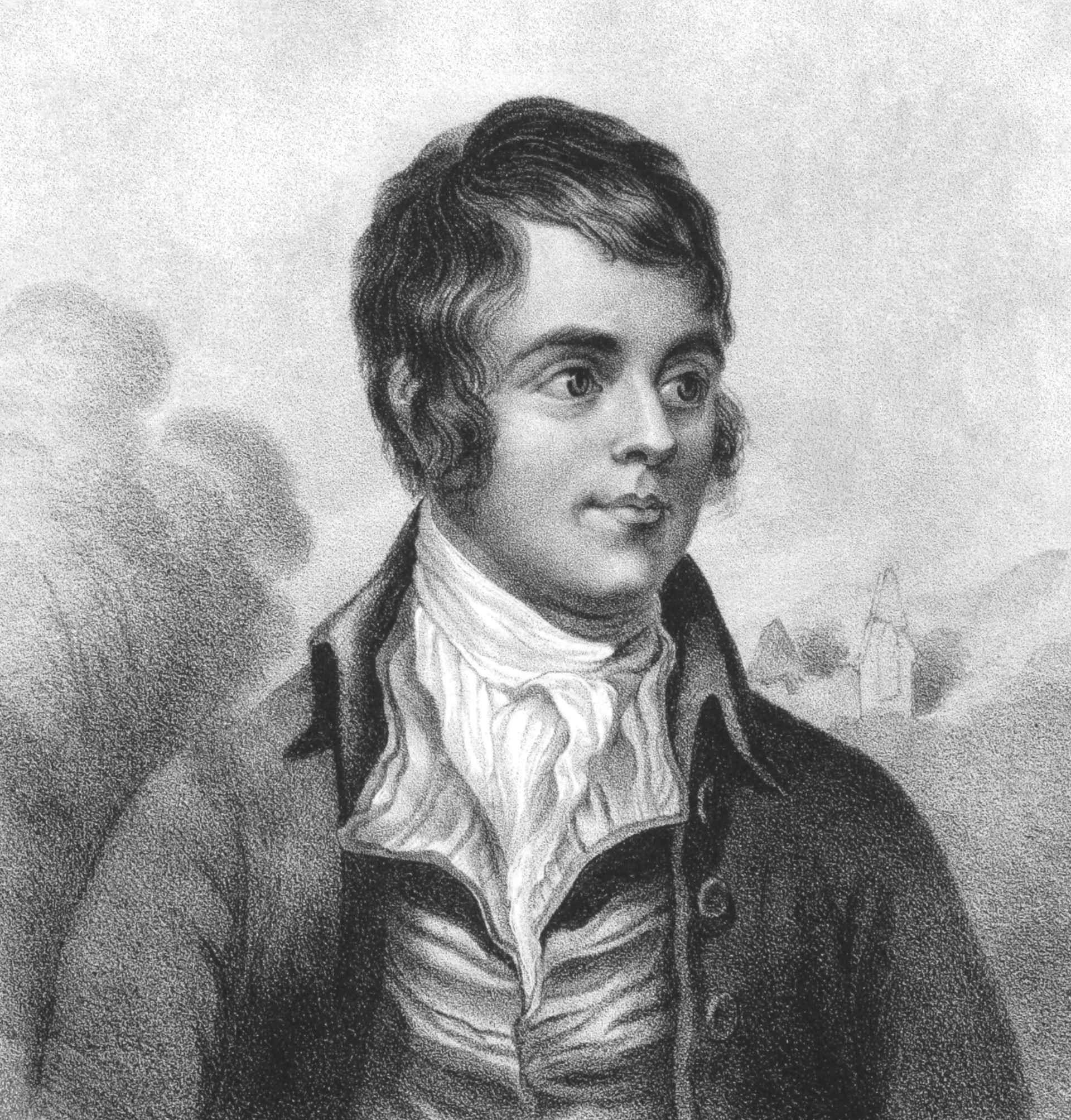
The farm, where Burns wrote Auld Lang Syne, Tam o Shanter and more than 130 poems and songs, remains largely unmodified since Burns built the farm in 1788, working with Dumfries architect Thomas Boyd and stonemason Alexander Crombie.
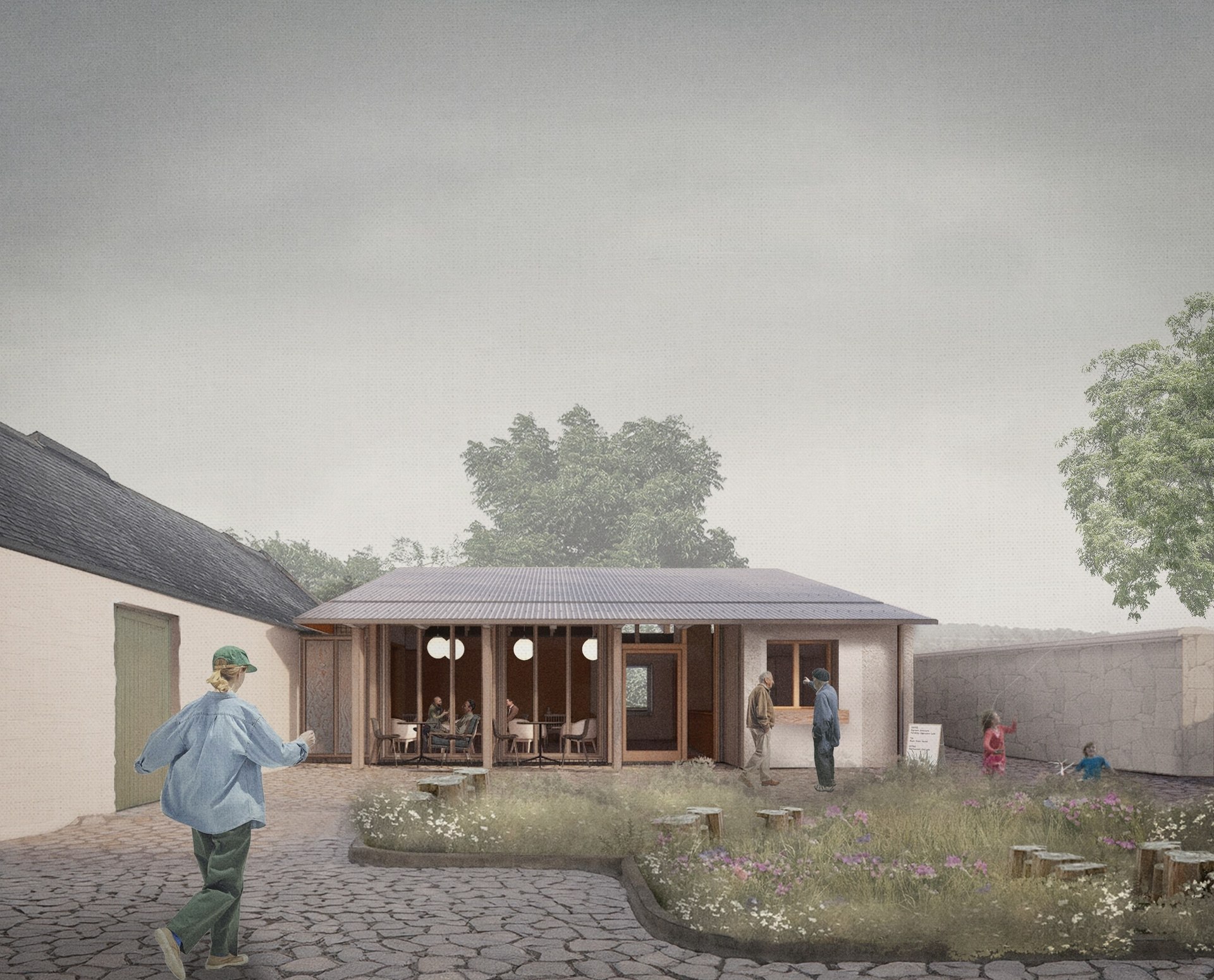
Plans include a new cafe and staff facilities while protecting the 18th-century character of the farmstead.
The proposals, developed by Collective Architecture for the Robert Burns Ellisland Trust, are being submitted to Dumfries and Galloway Council next week.
 Mike Bolam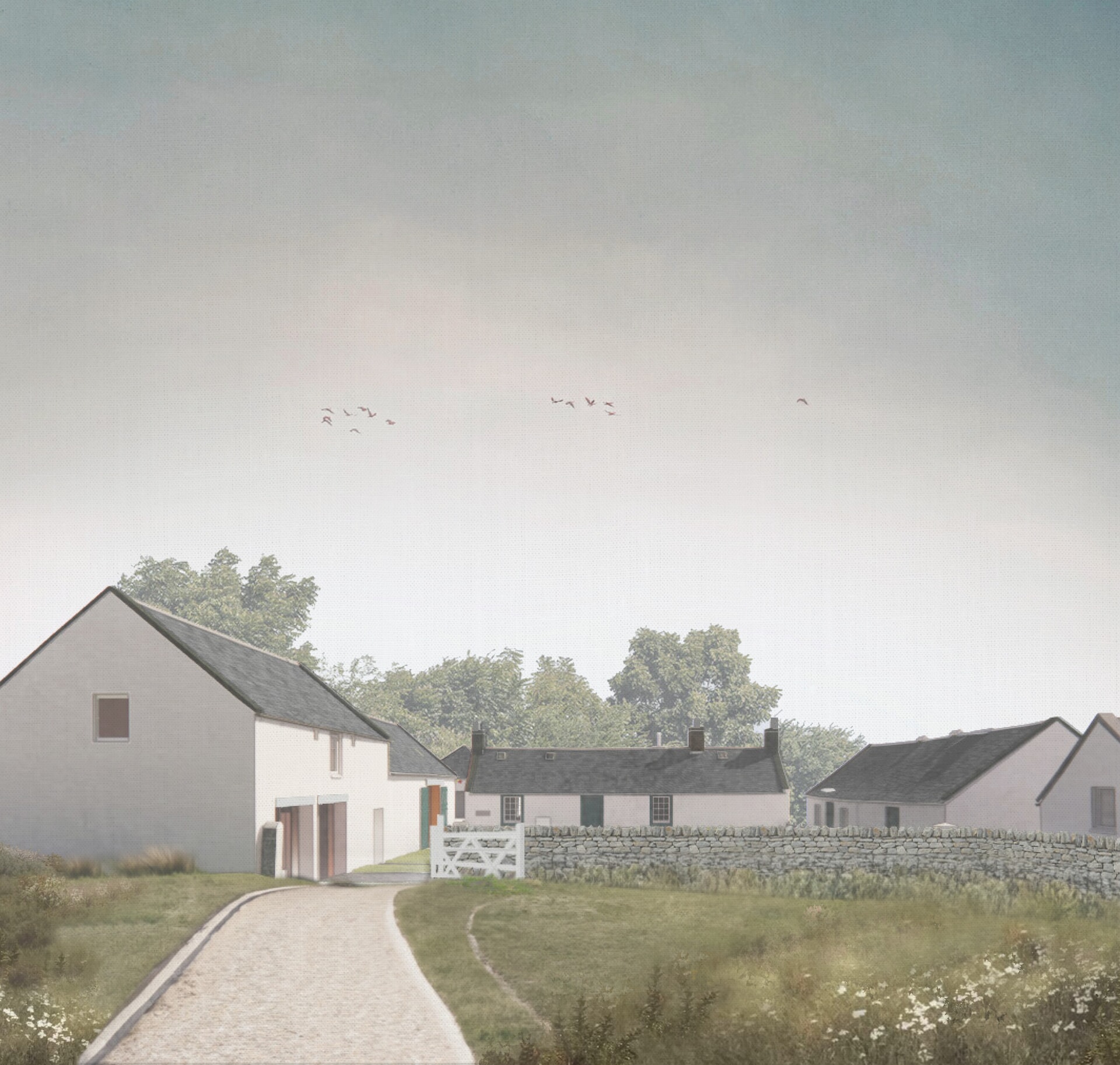
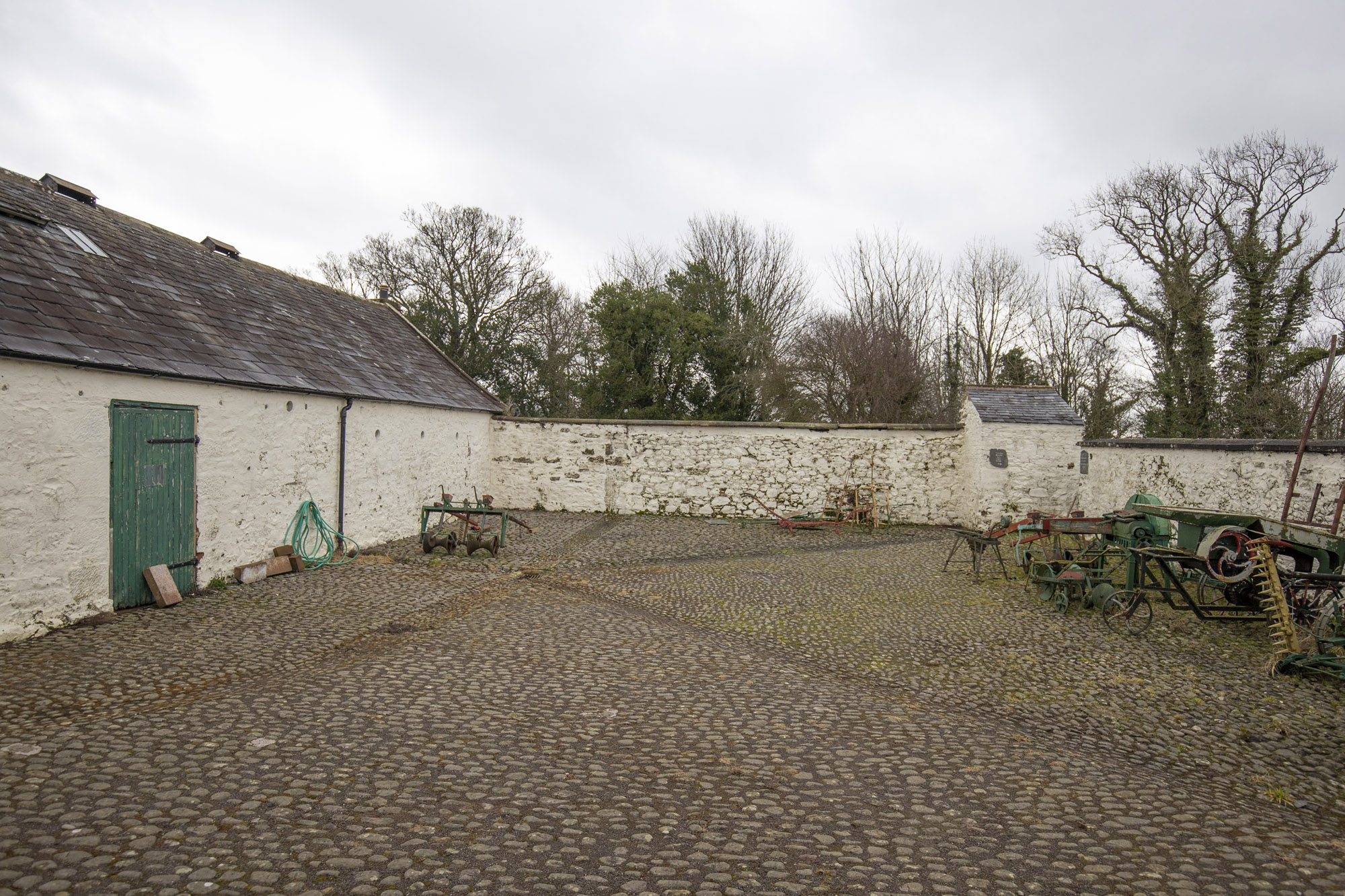
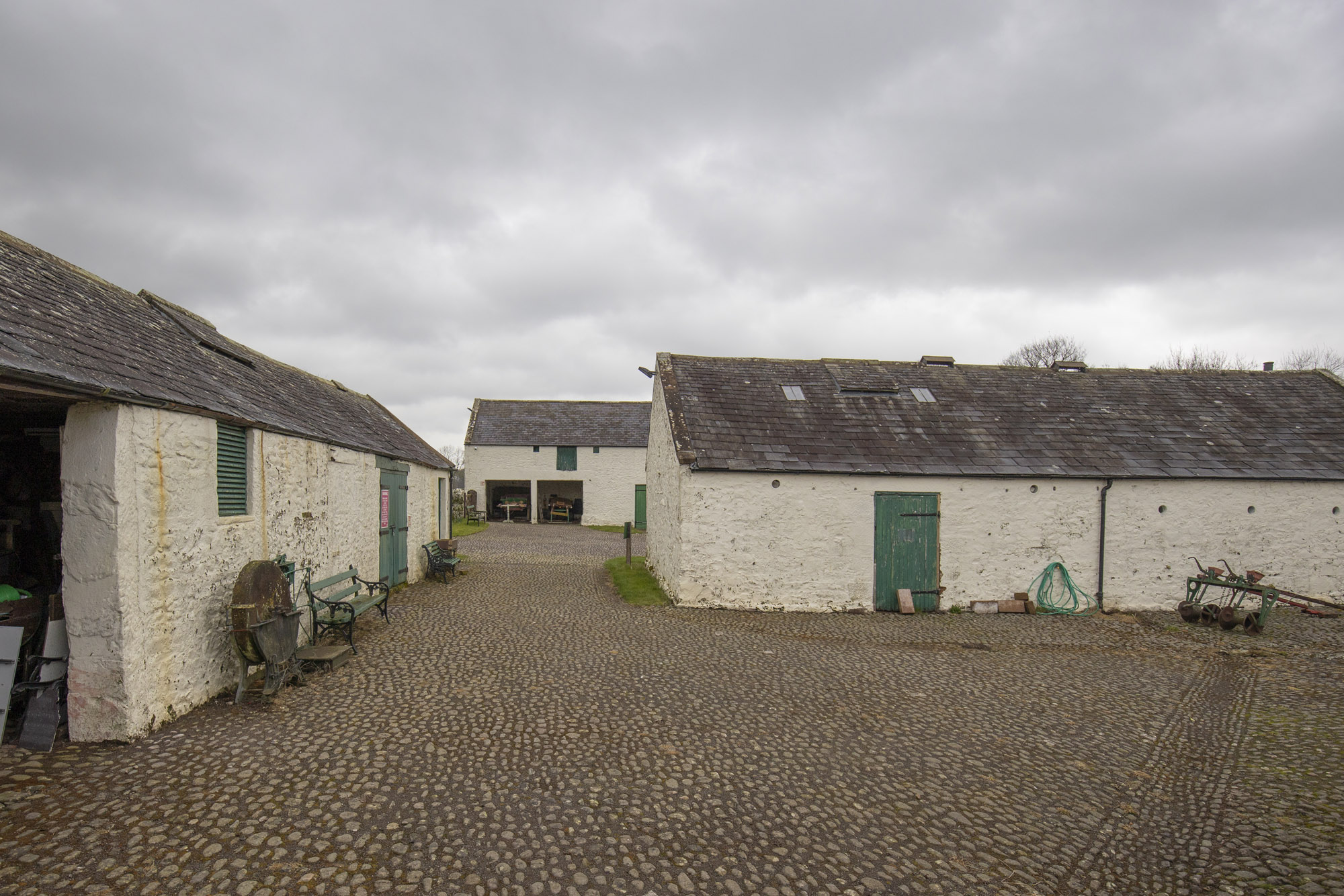
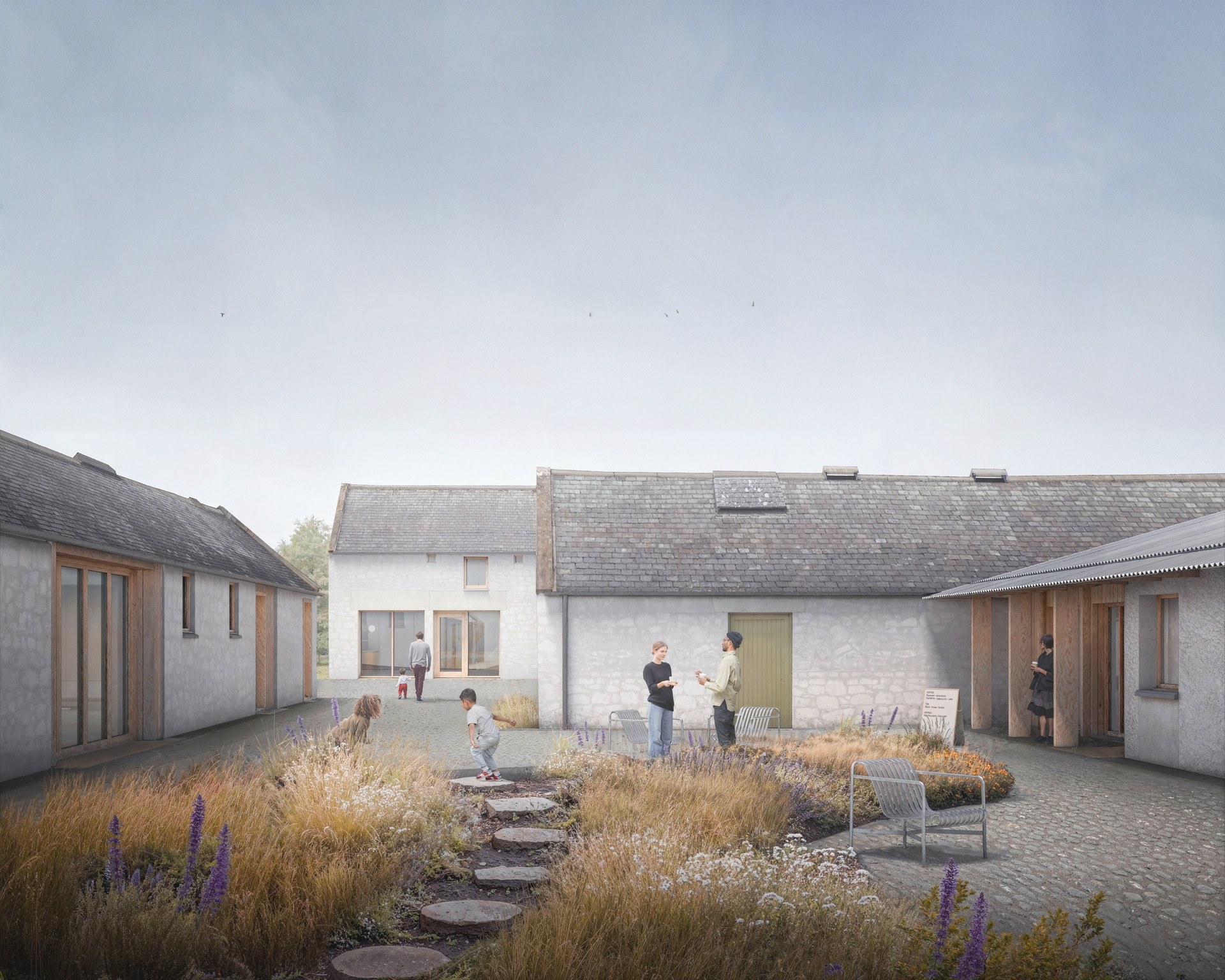
The images show a new café positioned behind the courtyard. Staff facilities will be relocated out of the original farmhouse into outbuildings erected after Burns’s time, which are currently underused and in an advanced state of decay.
The barn built by Burns will be sensitively adapted and insulated to become a new Centre for Song, creating space for education and performance in the setting Burns himself called “Sweet Poetic Ground.”
The granary building will be upgraded to modern museum standards to display Ellisland’s important collection of manuscripts and items that belonged to Burns and his family.
There will also be sensitive visitor accommodation elsewhere on the 140-acre site, to generate income to support the heritage for decades to come.
 Adobe Stock
Soft landscaping within the courtyard is also designed to create a welcoming but informal gathering space.
The restoration will allow every room in Burns’s 1788 cottage to be opened to the public for the first time. Currently, only two rooms are accessible.
The rooms Burns and his family occupied will be meticulously recreated using new material discovered at Barnbougle Castle, East Lothian, by Ellisland Trustee and University of Glasgow expert, Professor Gerard Carruthers.
These were “bills of fare” itemising materials and furnishings; everything from nails and slates, to box beds and latches.
 Collective Architecture
 Mike Bolam
Later alterations to the cottage will be carefully removed and the front door reinstated to its original position, allowing visitors to enter the cottage as Burns himself would have done.
Duncan Dornan, Chair of the Robert Burns Ellisland Trust, who previously led the acclaimed Burrell Renaissance project, said: “Through rigorous research and modern conservation techniques, we are working to create the most authentic experience possible of Burns’s life and creative environment at Ellisland.
“Recent archival discoveries are revealing crucial details about how the Burns family lived here during the most productive period of the poet’s career. This level of scholarly input ensures the restoration will meet the highest heritage standards and will allow us to create an ever more authentic experience for visitors to the site.”
Joan McAlpine, project director of the Robert Burns Ellisland Trust, said: “The aim is not to transform Ellisland, but to make it more like the place Burns created.
“The new images show how restrained the intervention will be. Modern facilities are necessary if we are to safeguard the site for the future, but they are designed to sit quietly within the farmstead, not compete with it.
“By restoring the cottage to 1788 and opening every room to the public, we will give visitors an experience of Burns’s home that has never before been possible.”
 Mike Bolam
 Collective Architecture
Collective Architecture was appointed by the Robert Burns Ellisland Trust in July 2025 to undertake the design work.
Led by RIAS advanced accredited conservation architect Emma Fairhurst, and supported by Architect Maisie Tudge, Collective Architecture’s design will transform what visitors can experience at Ellisland.
Emma said: “This is a site of deep historical and cultural value. We look forward to gaining planning consent from Dumfries and Galloway Council and then working closely with the Robert Burns Ellisland Trust to restore and enhance this remarkable place, ensuring its legacy is preserved and celebrated for generations to come.”
Recent condition surveys have identified structural deterioration and timber decay, making conservation work urgent.
If planning consent is granted, the Trust will move to the next stage of fundraising and delivery.
Formed in 2020, the Robert Burns Ellisland Trust achieved official museum accreditation in 2023 and has secured development funding from The National Lottery Heritage Fund, South of Scotland Enterprise, Museums Galleries Scotland, The Architectural Heritage Fund and the Holywood Trust.
Ellisland remains the best-preserved of Burns’s homes, set within a 140-acre landscape still shaped by the poet’s own hand – the fields, woodland and paths little changed since he described it as his “sweet poetic ground.”
Follow STV News on WhatsApp
Scan the QR code on your mobile device for all the latest news from around the country