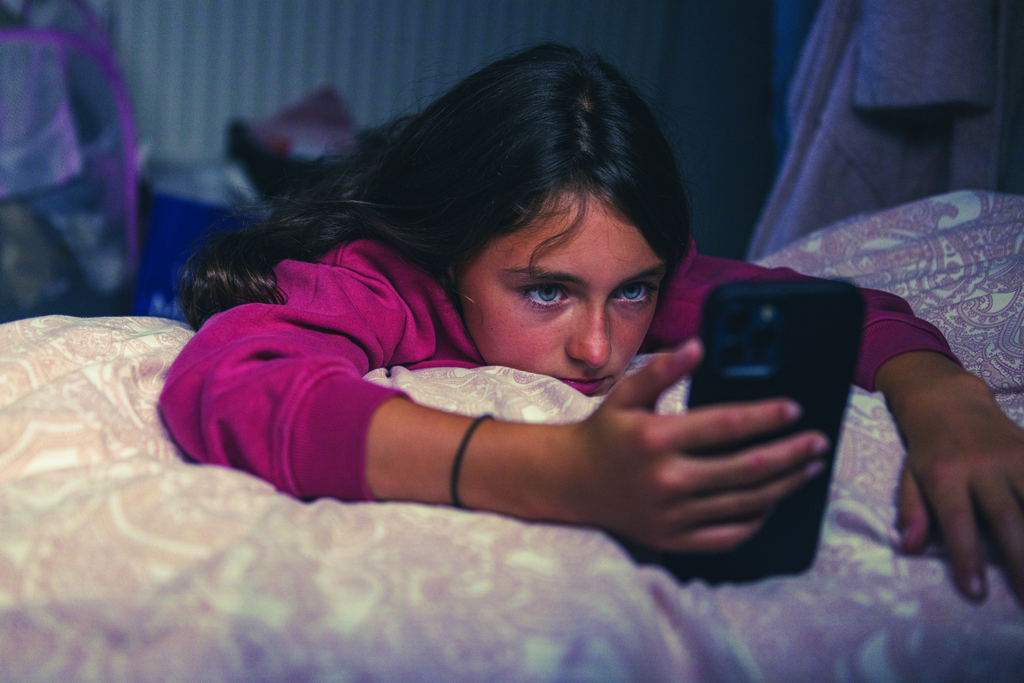
Online abuse and harassment are “constant, corrosive and deeply embedded” in the lives of young people, according to new research commissioned by children’s charity Barnardo’s.
A poll of 4,000 young people across the UK examined experiences of online misogyny among 13 to 20-year-olds, with findings showing many young people in Scotland are facing degrading abuse, pressure to conform to harmful behaviours and sexual harassment online.
More than a quarter (28%) of girls in Scotland said they had been called degrading names online, while 72% of boys said they believed they were expected to “act tough and not show emotion”.
The research also highlighted how online misogyny is affecting young people offline.
More than a quarter (27%) of young people in Scotland said they had seen a nude image that was originally shared privately but later circulated more widely. Across the UK, 15% of 13- to 15-year-olds said they had been asked to share a nude photo of themselves.
Meanwhile, 17% of respondents in Scotland reported receiving repeated messages after asking the sender to stop or after ignoring them.
The findings also suggest many boys feel unable to challenge sexist behaviour among peers.
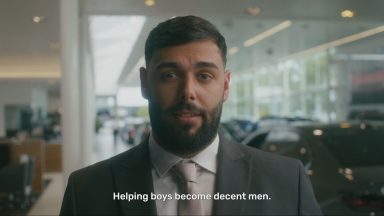
Nearly one in five (18%) boys in Scotland said their friends would not support them if they called out sexist comments, while 62% said people would think they were “boring” if they did not take part in group “banter”.
Olly*, 18, said: “As a young man, I see online misogyny every day. It sets the tone for how boys treat girls and how boys treat each other. There is pressure to laugh it off or stay silent, even when it crosses a line.
“Young men set the standard. Challenge it, shut it down, and back those who speak up. That is how we change what is accepted.”
Sarah, a children’s services manager for a Barnardo’s Domestic Abuse & Sexual Violence service, said: “A girl we supported was referred to the service after digitally manipulated – deepfake – images of her were created and circulated online.
“The images were shared through social media platforms, sometimes via fake accounts created to spread the abuse further. Incidents like this cause significant emotional impact including fear and distress.
“A culture of victim blaming can also lead to girls being concerned about how others perceive them, rather than seeing themselves as a victim of serious sexual abuse.
“This can sometimes leave them vulnerable to further abuse and exploitation – but with the right support, we do see girls begin to rebuild trust, confidence and find their voice.”
Barnardo’s said frontline practitioners are increasingly seeing the impact of misogynistic content online.
Around 29% of staff surveyed said they had seen more children affected by misogynistic online content compared with the previous year. The same proportion also reported an increase in child-on-child sexual abuse and children displaying problematic or harmful sexual behaviour.
Michele Janes said: “Misogyny isn’t always loud or visible to many of us, but these findings show how constant, corrosive and deeply embedded it is in the lives of young people today both online and off. It shapes how boys and girls think about themselves, their worth and their relationships with others.
“Young people are telling us that the result can be harmful on all sides, from humiliation and sexualised abuse to feelings of shame and isolation.
“This is not inevitable – it is learned, and it can be challenged. That’s why we’re raising the alarm and we want young people’s experiences to be at the heart of conversations about how to tackle misogynistic content online.
“As a step in the right direction, we are calling on the government to turn Ofcom’s guidance for online services to improve the safety of women and girls online into a mandatory code of practice for tech companies to create safer digital platforms for all children and young people.”
Follow STV News on WhatsApp
Scan the QR code on your mobile device for all the latest news from around the country