Key Points
-
 More than half of pet owners are now worried about how they will afford vet treatment as costs continue to rise
 - The PDSA says two in five people find pet ownership more expensive than expected, with nearly all seeing increases
- Marie Robertson from Saltcoats faced bills of thousands when her young dog Star needed urgent surgery after a serious injury
- The SSPCA’s Pet Aid service was launched after a 24% rise in people seeking to give up their pets due to costs
- The CMA has proposed measures to cap prescription fees and increase pricing transparency, which vets say could help improve trust with owners
Vet costs have surged so sharply that more than half of pet owners are now worried about how they will pay for treatment, according to new research.
The charity PDSA says two in five pet owners believe it is more expensive than expected and nearly all have seen costs rise.
Pets are part of the family in many Scottish households but the financial strain can be overwhelming when things go wrong.
‘There aren’t many people who can just pull out £600’
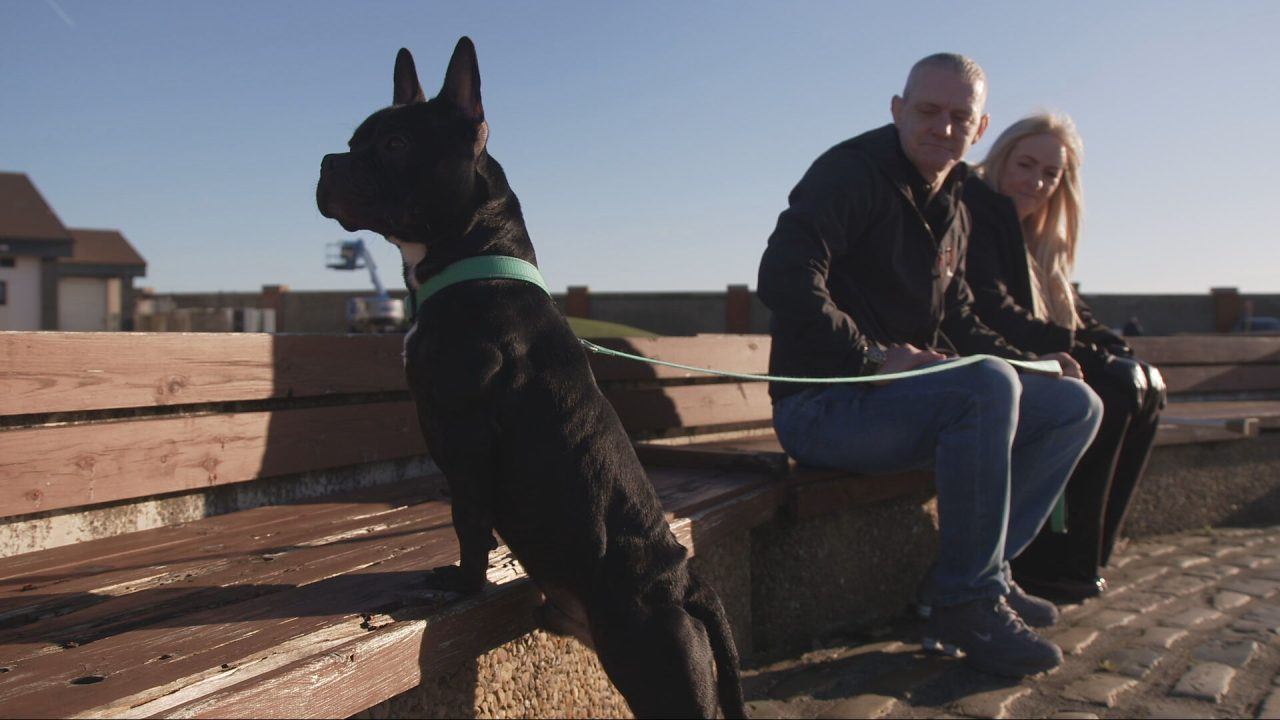
Marie Robertson from Saltcoats, North Ayrshire, adores her little dog, Star.
She told Scotland Tonight: “As soon as I saw him, I just fell in love with him, I thought ‘oh, I’m keeping him, we’re definitely keeping him’. He was just a wee smasher.”
But when the French Bulldog Staffy cross suffered a serious injury at just three months old, Marie was shocked to learn an X-ray would cost around £600.
 STV News
“I said (to the vet) ‘I don’t have £600’. And he said: ‘Well, we need the money before we can X-ray’. I mean, there aren’t many people who can just pull out £600 that day and say ‘there you go.'”
The scan revealed Star’s leg was so badly damaged that amputation was the only option, leaving Marie facing bills costing thousands of pounds.
“I seen the X-ray and thought ‘oh God, he must be in agony’. The operation would be £4,000 or £5,000. And I just thought, ‘where are we going to get this from?’ I felt like a terrible person, as if they made me feel like a terrible person. They did say ‘you shouldn’t have a dog if you can’t afford one’.
“They said ‘you can get a bank loan’ but not everybody can just ask for a bank loan. I didn’t sleep for a week.”
Marie received some help when she took Star to a local drop-in centre and met a veterinary team from the SSPCA.
They operated the very next day.
“After that, he’s just been coming on leaps and bounds,” said Marie.
Star has fully recovered but ongoing vet costs remain a huge burden.
“It really is expensive,” added Marie. “I didn’t know before we took Star on how expensive it really is, because even with insurance, there’s still a lot of extra costs to pay.
“I mean, we were there on Friday, about his skin, and it was £236 all in for a jag and some tablets. It has to be done but it’s just really hard.”
Pop-up clinics aim to provide support
The SSPCA launched its Pet Aid service last year in response to a 24% rise in people seeking to give up their animals.
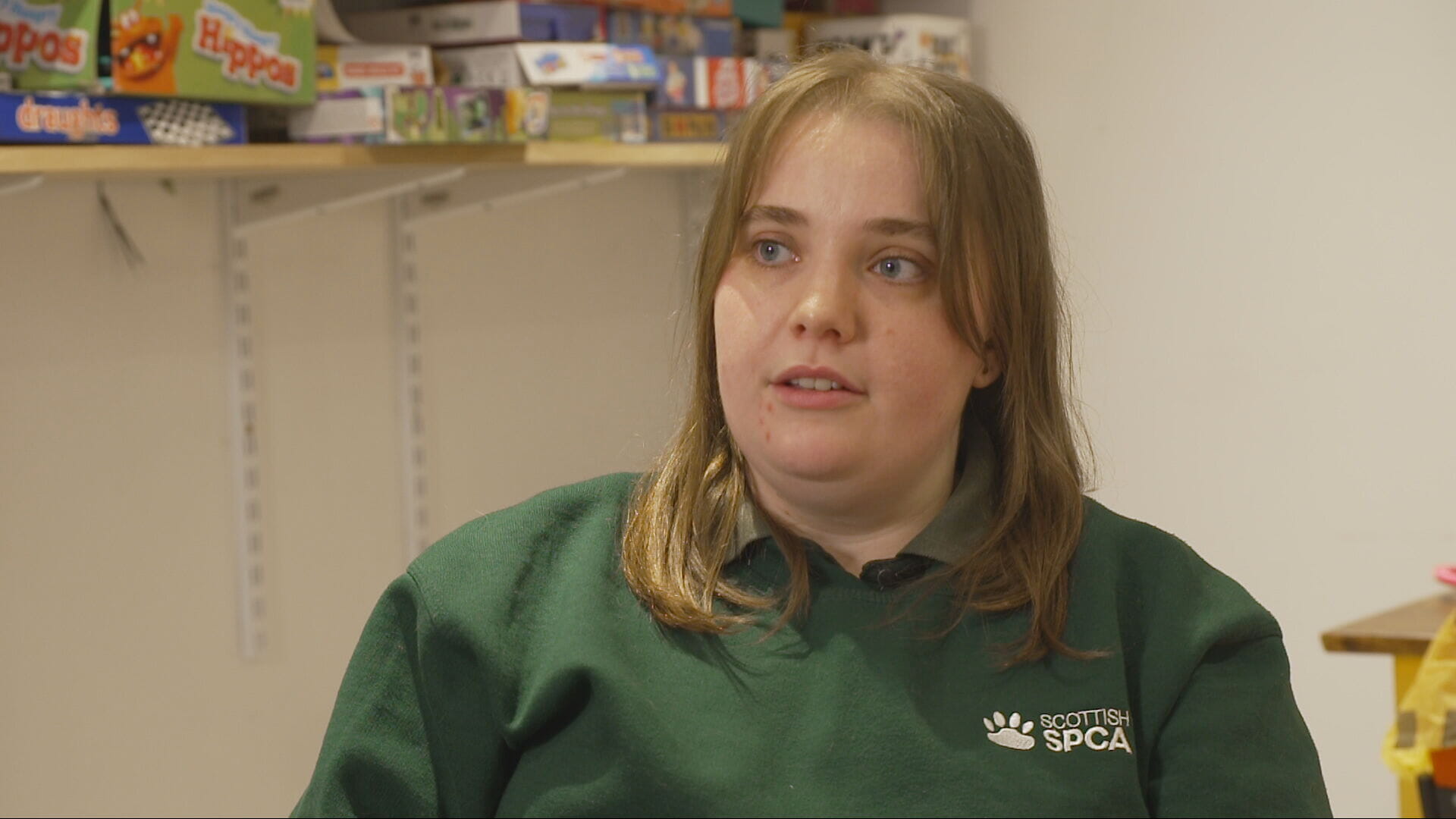
SSPCA vet Anna Gray is part of a team running pop-up clinics where support is needed most.
 STV News
“We’ll come along, we’ll run a pop-up clinic,” she told Scotland Tonight. “We do a full health check of the animal and offer advice, sending them back to a vet if they feel it’s needed.
“We offer a second opinion if that’s what they’ve come for.”
‘Owners are increasingly overwhelmed’
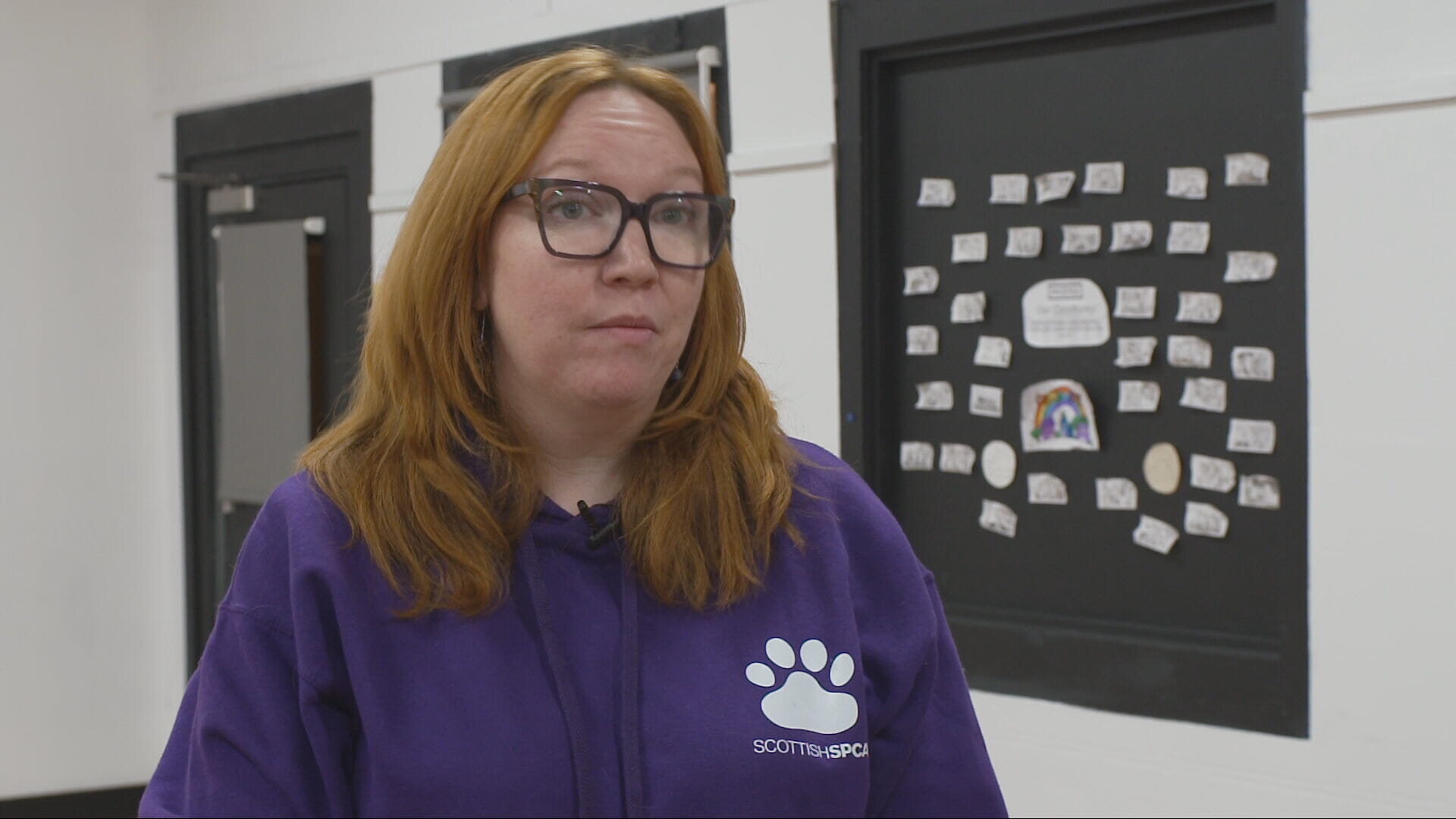
Joanne Vasey, who has more than 15 years’ experience as an animal behaviourist, says owners are increasingly overwhelmed.
She said: “There’s a heck of a lot of need for behaviour and training help for lots of animals. Even families where you’ve got, say, two working adults, maybe even kind of working children still living at home, even then it can be hard to make ends meet.
 STV News
“And if then you have to maybe sort of try and fork out anywhere between £200 and £1,500 for a private behaviourist, that’s just not possible for some people.
“Quite often the behaviour issues go hand in hand with just cost of living worries, vet bills, the whole thing, and people just, you know, they don’t know how to get that help.”
A provisional report from the Competition and Markets Authority (CMA) has recommended a cap on prescription fees and greater transparency over veterinary pricing, but any significant change will depend on updated regulations.
Dr Rob Williams, president of the British Veterinary Association, said: “We broadly welcome the provisional decisions that the CMA have published because veterinary practices have a bond of trust with pet owners.
“Anything we can do to increase or improve the trust between our clients and vets is something we welcome, so the transparency-type measures around practice ownership and improving the flow of information between vets and owners, those are things we welcome.”
Follow STV News on WhatsApp
Scan the QR code on your mobile device for all the latest news from around the country