 Royal Navy
Aircraft from RAF Lossiemouth have been involved in a secret international operation to deter Russian submarines in the North Atlantic.
The UK and allies tracked a Russian attack sub and two spy subs loitering over critical undersea cables for a month before they retreated, the Defence Secretary has revealed.
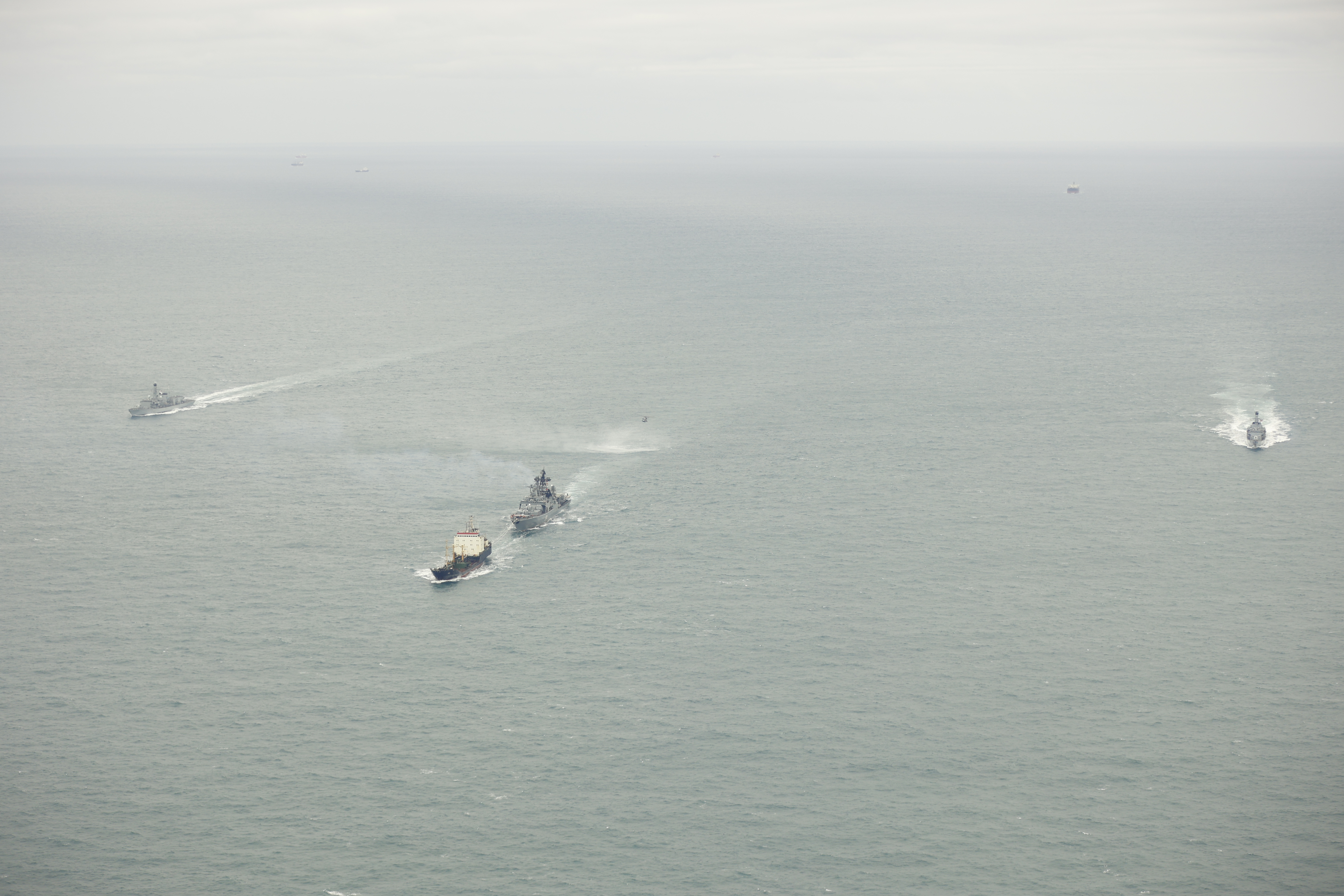
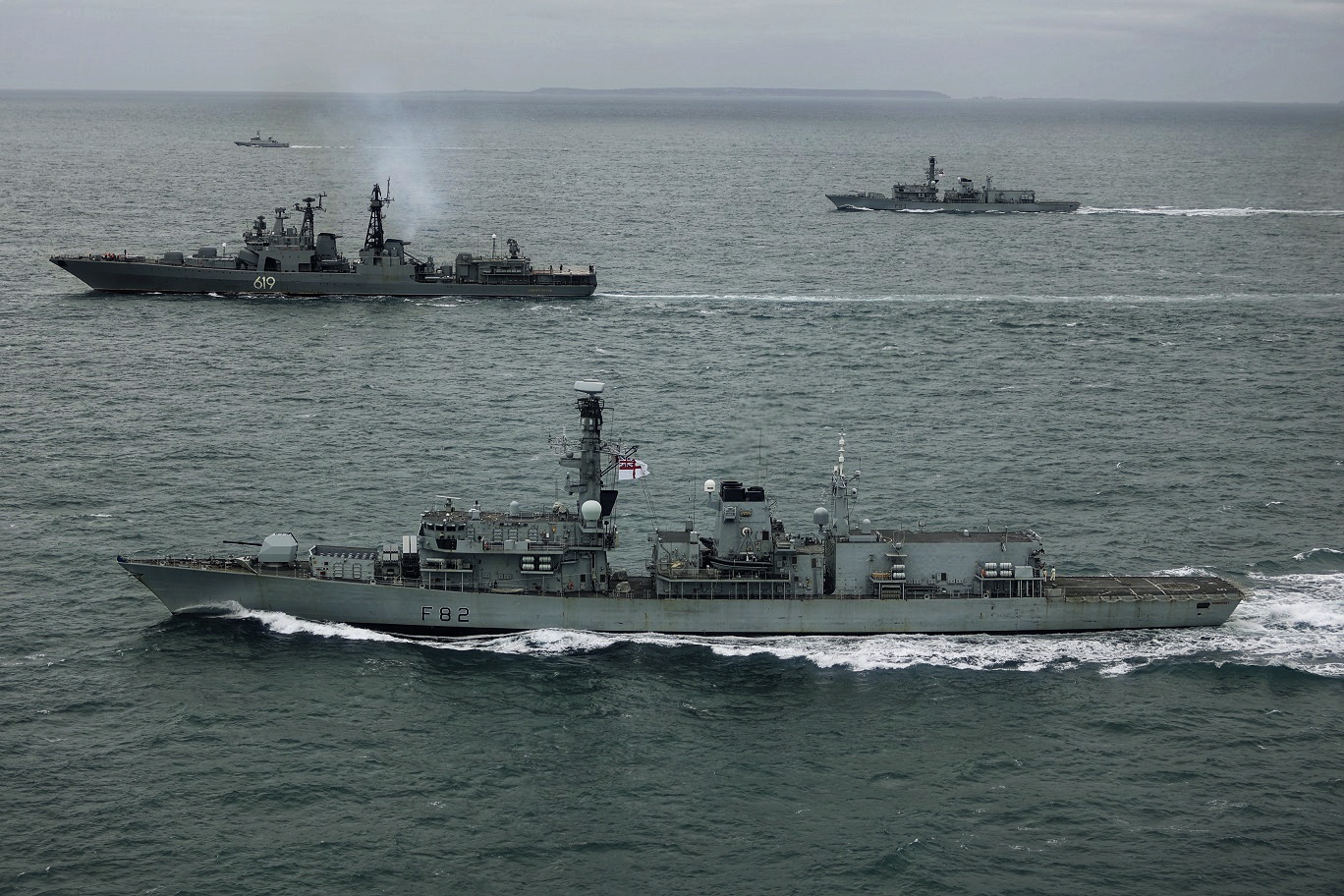
A British warship and aircraft were deployed to deter “malign” activity by Moscow in waters off the UK’s northern coast, John Healey said.
He said Vladimir Putin had sought to capitalise on the world being “distracted” by the Iran war and that he poses “the primary threat to UK security”.
 Royal Navy
 Royal Navy
Addressing the Russian president, Healey said: “We see your activity over our cables and our pipelines, and you should know that any attempt to damage them will not be tolerated and will have serious consequences.”
Healey told a press conference in Downing Street on Thursday that in the past few weeks – while many eyes were trained on the Middle East crisis – the UK, in partnership with Norway and other allies, responded to “increased Russian activity” in the Atlantic north of the UK.
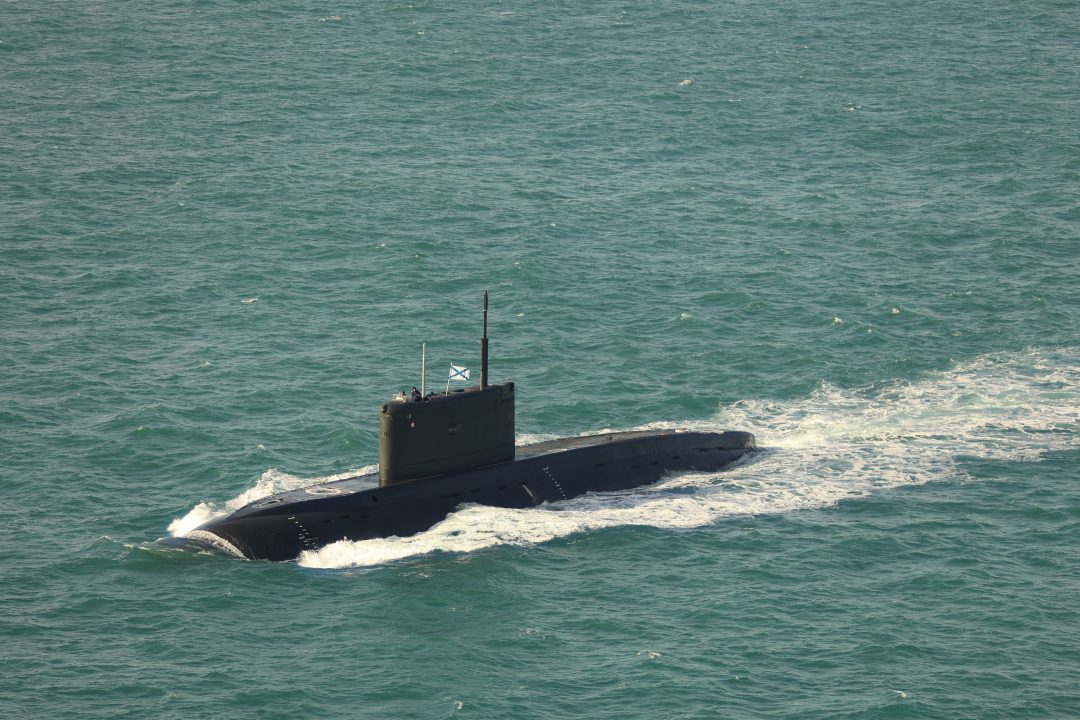
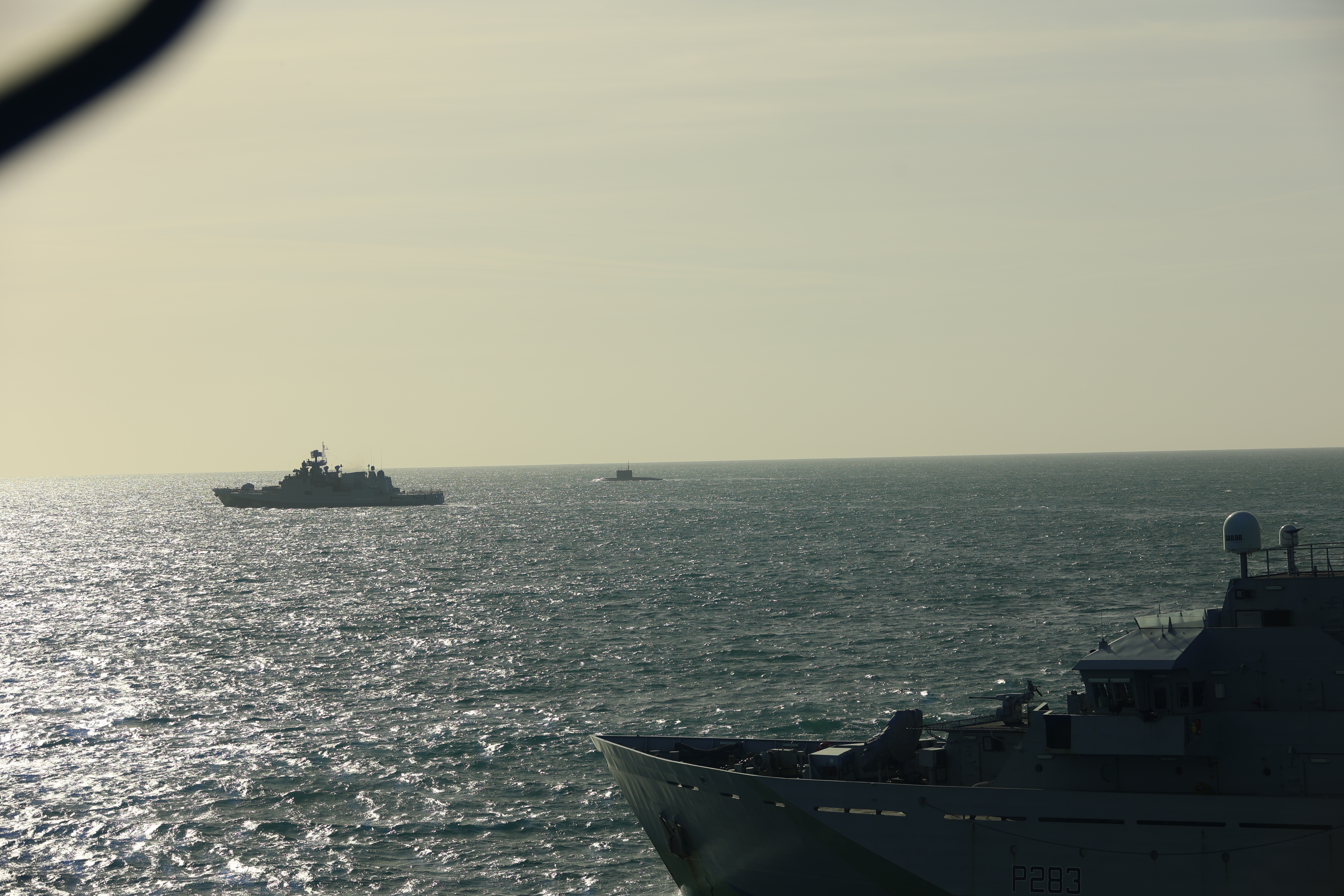
This involved a Russian Akula-class nuclear-powered attack submarine and two specialist submarines from Russia’s ministry of defence deep sea research programme known as Gugi (Main Directorate of Deep-Sea Research), he said.
 Royal Navy
 Royal Navy
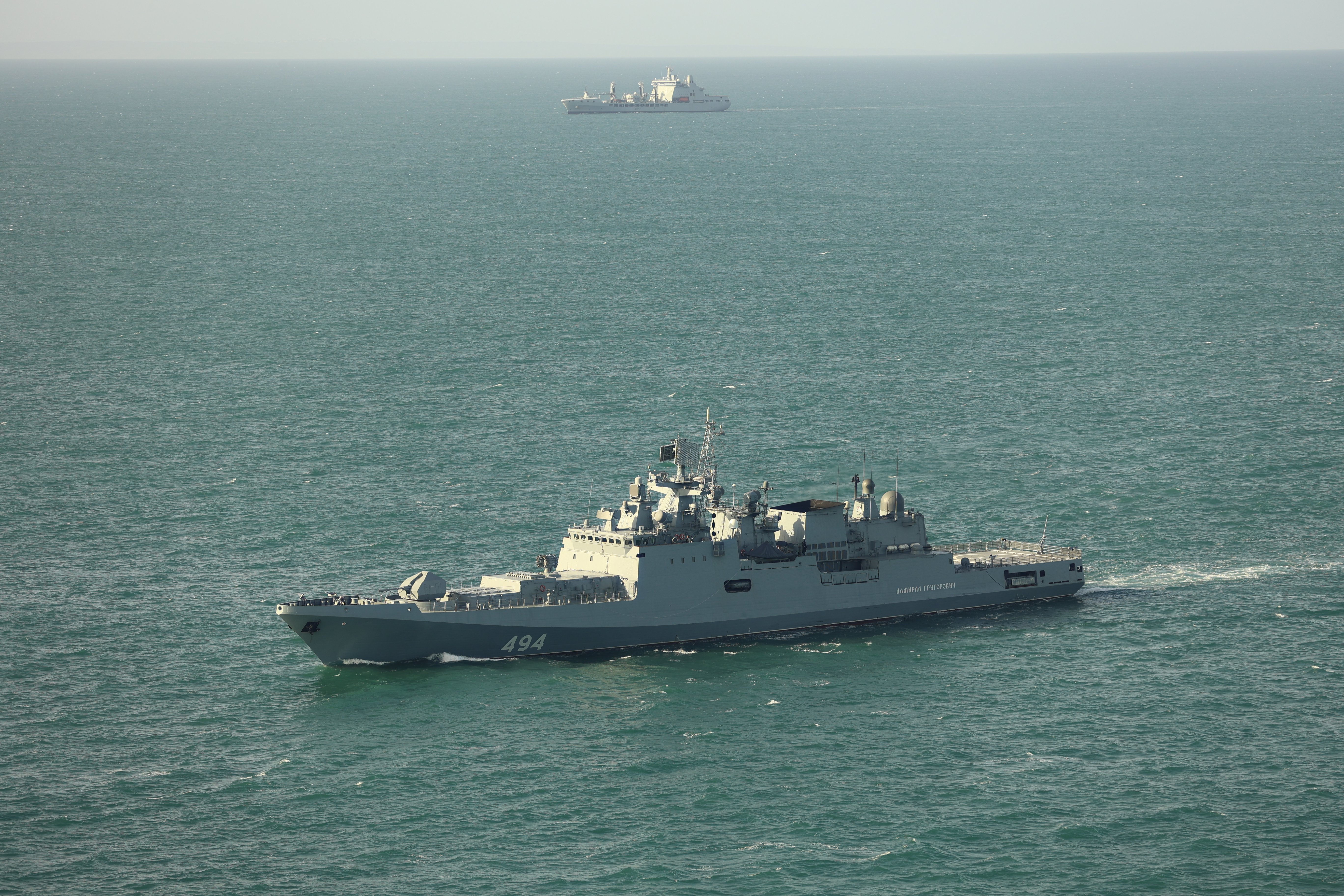
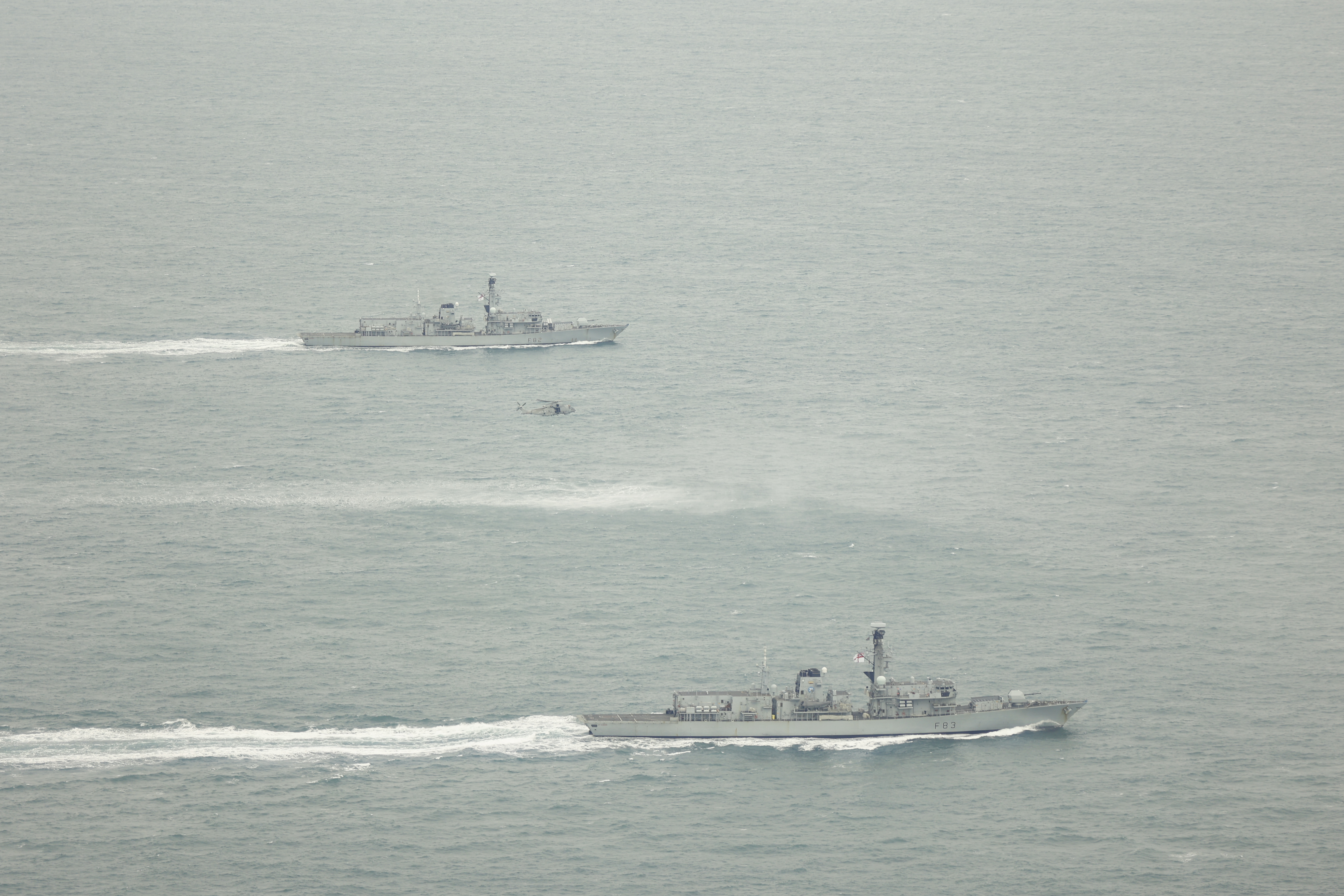
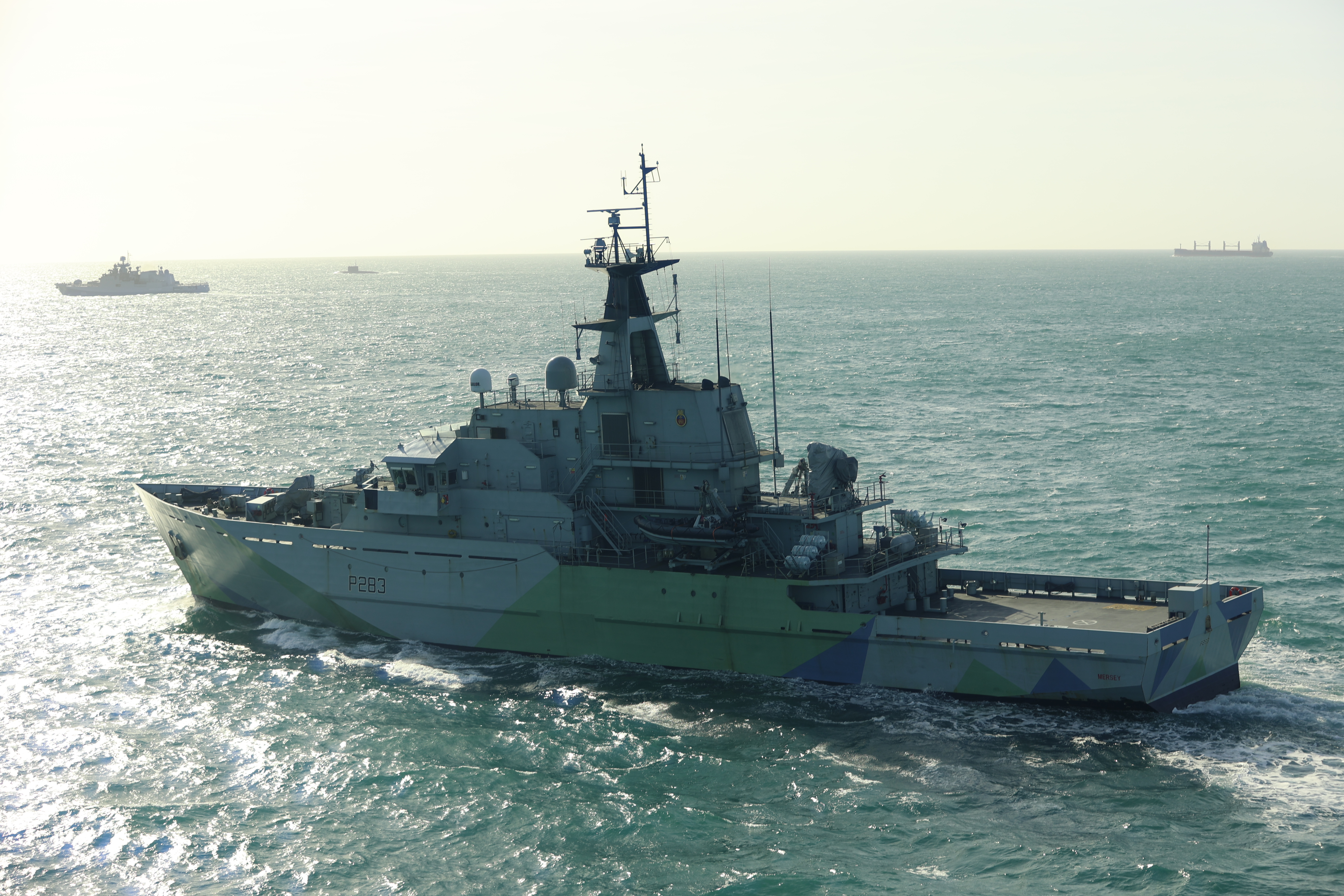
Healey said: “In response to the Russian submarines, I can confirm that I deployed our armed forces to track and to deter any malign activity by these vessels.
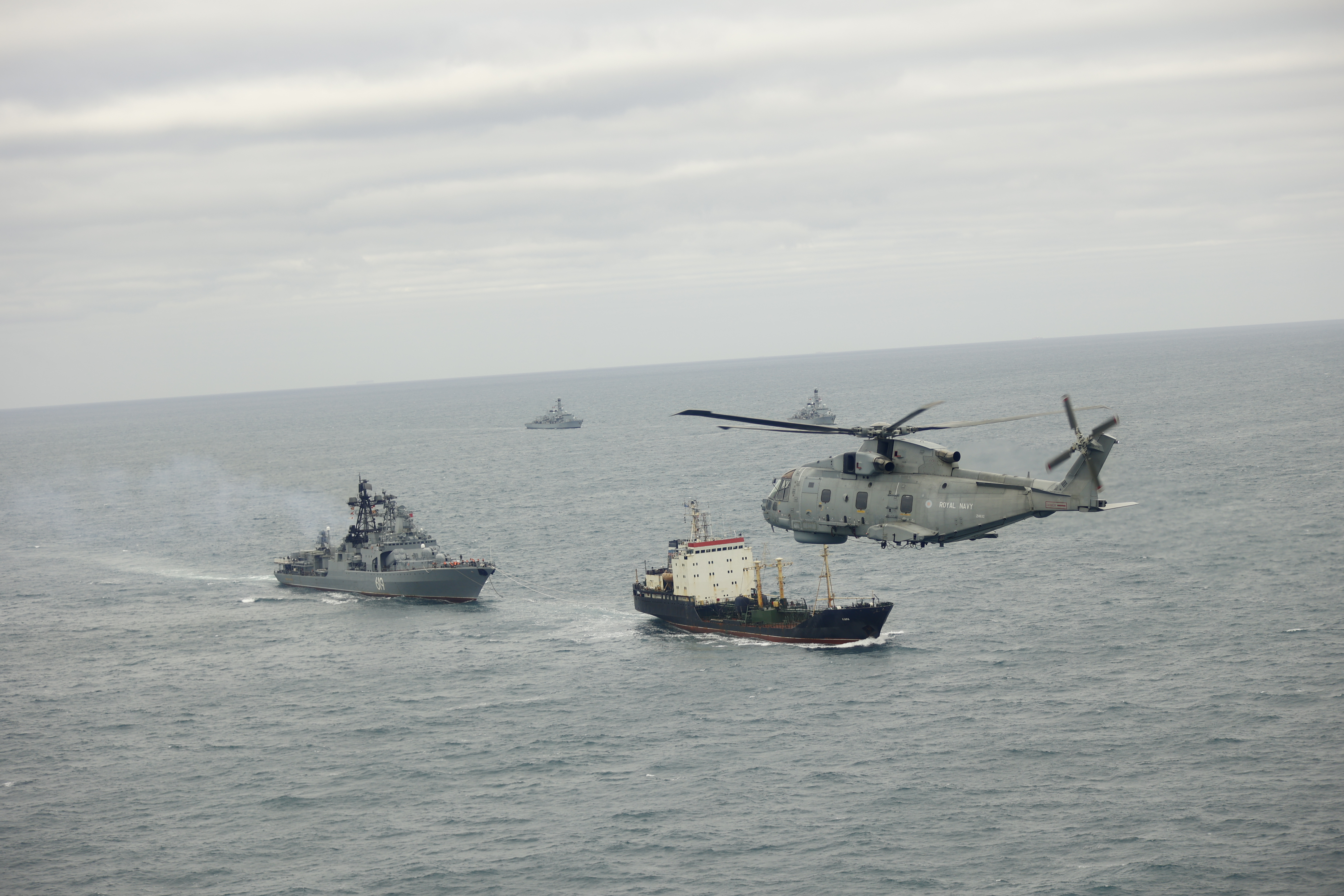
“A Royal Navy warship and Royal Air Force P-8 aircraft alongside allies ensured that the Russian submarines were monitored 24/7.
“The Akula submarine subsequently retreated home, having been closely tracked throughout and we continued to monitor the two Gugi submarines in and around wider UK waters.
“Our armed forces left them in no doubt that they were being monitored, that their movements were not covert, as President Putin planned, and that their attempted secret operation had been exposed.
 Royal Navy
“Those Gugi submarines have now left UK waters and headed back north.”
He said 500 British personnel were involved in the month-long operation that has now concluded.
The operation saw RAF crews fly more than 50 sorties using P-8 Poseidon submarine-hunting aircraft, with support from allied countries including Norway.
Amid criticism from some quarters of the UK’s support for allies and British bases facing Iranian strikes in retaliation for US-Israeli bombardment – with HMS Dragon arriving in the eastern Mediterranean almost three weeks after its deployment was first announced – Mr Healey suggested it would be wrong to divert all UK military assets and personnel to the region given the persistent threat from Moscow.
He said: “When a crisis erupts noisily and dangerously, as it has done in the Middle East, I understand people questioning why all UK military assets and personnel have not been deployed to deal with it, but that is not in Britain’s national interest.
 Royal Navy
“The greatest threats are often unseen and silent, and as demands on defence rise, we must deploy our resources to best effect.”
He added that Mr Putin “would have wanted us, I expect, to be distracted and my purpose today is to demonstrate to him publicly that we have not been – that we have our eye on him, that we recognise he and Russia pose the primary threat to UK security and Nato security.”
The senior minister said the attack submarine acted as “a likely decoy to distract us from the Gugi submarines as they “spent time over critical infrastructure relevant to us and our allies in the North Atlantic”.
 Royal Navy
He continued: “Because we were watching them, we wanted to ensure that we could warn them that their covert operation had been exposed and reduce the risk that they may attempt any action that could damage our pipelines or our cables.
“And I’m confident, we have no evidence that there has been any damage, but with allies, were sure that this is now verifiable.”
The submarines had been within the UK’s exclusive economic zone, which extends up to 200 nautical miles – about 230 miles – offshore, but not within Britain’s territorial waters, within 12 nautical miles (13.8 miles) from the coast, the Defence Secretary said.
 Royal Navy
It was not the first time vessels from the Gugi fleet were “directed by President to conduct hybrid warfare activities” against the UK’s vital subsea infrastructure, Mr Healey said.
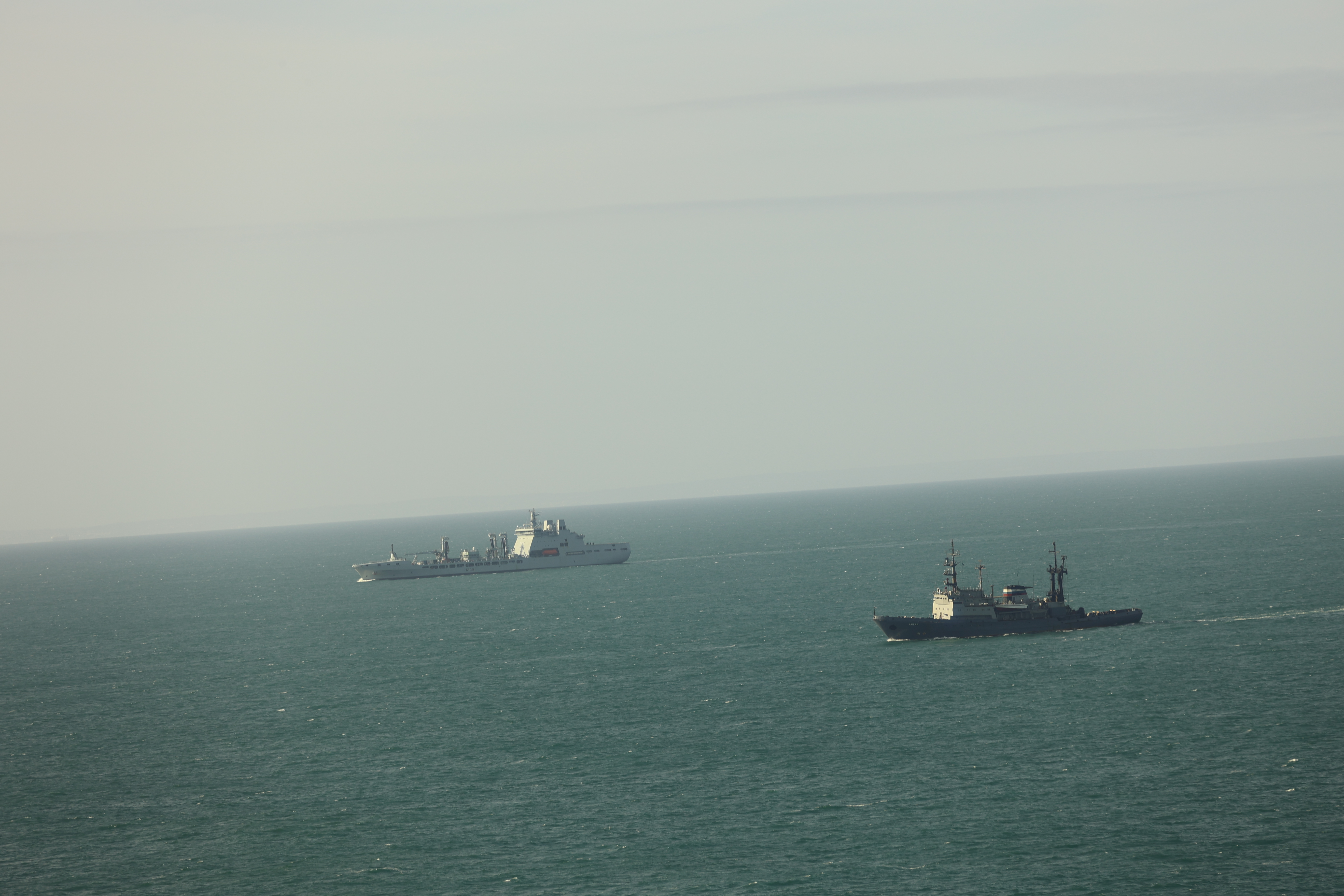
Last November, the Yantar spy ship was caught lurking over cables in waters north of Scotland and was warned off by a Royal Navy nuclear-powered attack submarine.
Defence sources said the Yantar had not returned to UK waters since that incident.
The Ministry of Defence says Gugi has both specialist surface ships and submarines that are used to survey underwater infrastructure during peacetime, but also has the capability to damage or destroy those vital links during a conflict.
The UK and its Nato allies have become increasingly concerned about the risk Moscow poses to underwater cables and pipelines, amid heightened tensions following the invasion of Ukraine.
Attacks on undersea infrastructure could cause major disruption to the financial and communications systems Britons rely on.
Follow STV News on WhatsApp
Scan the QR code on your mobile device for all the latest news from around the country