Parts of Scotland are set to be battered by heavy rain before temperatures plummet later this month.
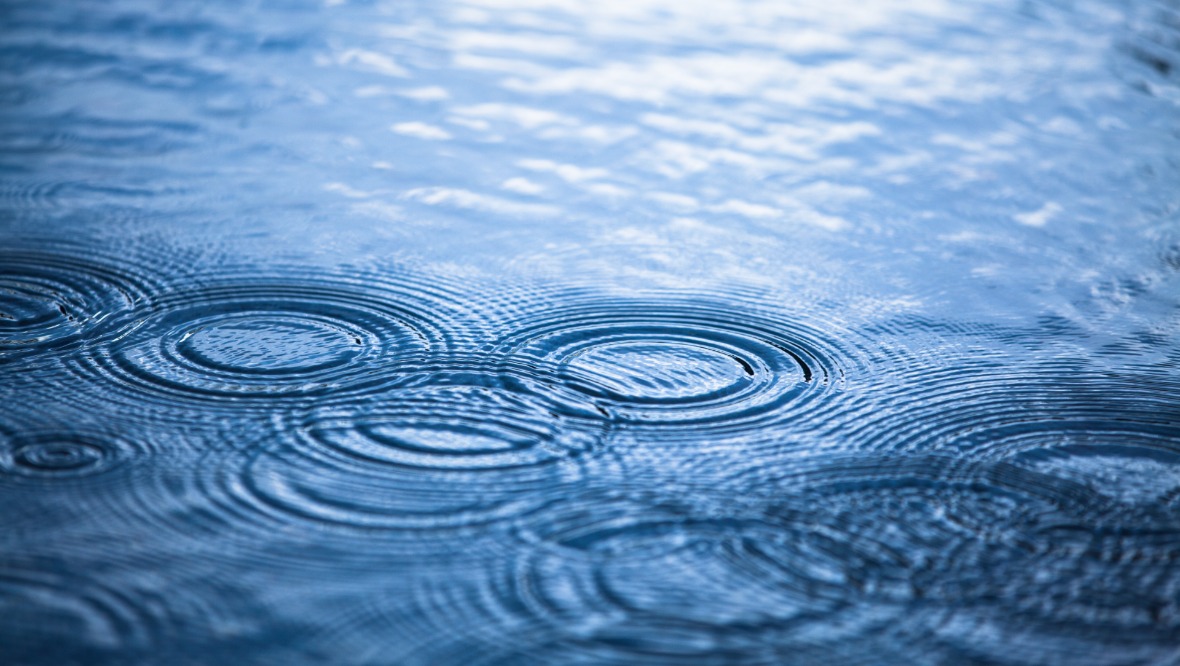
The Met Office has issued a yellow weather alert for rain in Tayside, Fife, Grampian and the Highlands, which will come into effect at 6pm on Wednesday and will run until shortly before midnight on Friday.
Between 30 and 60mm of rainfall is likely to fall inland, with as much as 80-120 mm possible over high ground.
Due to recent rain and snow thawing, some areas may experience flooding, causing delays to public transport and cutting off some rural communities.
Areas impacted by yellow weather warning:
- Angus
- Dundee
- Fife
- Perth and Kinross
- Stirling
- Aberdeen
- Aberdeenshire
- Moray
- Highland
Wintry conditions to return
The significant rainfall could be followed by a plummet in temperature from around Burns Day, bringing a renewed risk of icy conditions and snow that could persist into February.
The cold spell at the start of January arrived from the north, but this time the air looks set to come from the east – which can often be even colder.

Insight Sean Batty STV weather presenter
I know whenever I write stories like this, some people respond with “it’s just winter,” and of course, that’s true.
However, it’s been several years since we’ve experienced such a prolonged period of colder-than-average conditions, and it’s relatively rare to see two notable cold spells within the same month.
The kind of conditions we’ve seen this January are now around half as likely as they would have been in the past.
Long-range forecasting is about identifying trends across many computer models rather than focusing on any single outcome.
Some runs show sub-zero daytime temperatures and lows of around –8C in Glasgow by the end of January, while others point to much milder conditions, with highs near 8C and lows of 6C.
This wide spread is exactly why caution is needed when looking more than a week ahead.
However, when those extremes are stripped out, the overall trend indicates a noticeable drop in temperatures over the coming week.
This is also why claims circulating on social media about specific conditions weeks in advance should be taken with a very large pinch of salt – they usually rely on cherry-picking one model from many possible scenarios.
Another unusual feature is the presence of high-pressure systems over Scandinavia, something that has been far less common in recent winters but was a more familiar pattern during the 1980s.
I’ve just returned from a conference in Andorra, where one of the speakers was Dr Paul Williams from the University of Reading.
He discussed how the jet stream is changing in a warming world, with evidence suggesting it may be slowing and becoming more meandering at lower levels.
This can encourage more “blocking” patterns in the atmosphere – the setups that can bring colder spells in winters and hotter conditions in summers.
It’s important to stress, though, that even when we talk about colder conditions today, they tend not to be as severe as those experienced a few decades ago, because global temperatures overall have risen.
Follow STV News on WhatsApp
Scan the QR code on your mobile device for all the latest news from around the country