

Key Points
-
 Max was diagnosed as a baby with spinal muscular atrophy (SMA) type 1
 - After being told there was no treatment and to ‘make memories’, his family secured access to an early trial drug
- Another family endured months of worsening symptoms and delayed diagnosis before treatment
- Major medical breakthroughs since 2018
- Scotland is set to introduce newborn screening for SMA through the routine heel-prick test
When Max was born nine years ago, his mother, Elaine, had no reason to suspect anything was wrong.
He passed his six-week health check and seemed, by all appearances, like any other newborn.
But Max was actually living with a rare genetic condition that weakens muscles over time – affecting his movement, breathing and swallowing.
Known as Spinal Muscular Atrophy (SMA), it is caused by a faulty gene that damages the motor neurons responsible for controlling muscle movement.
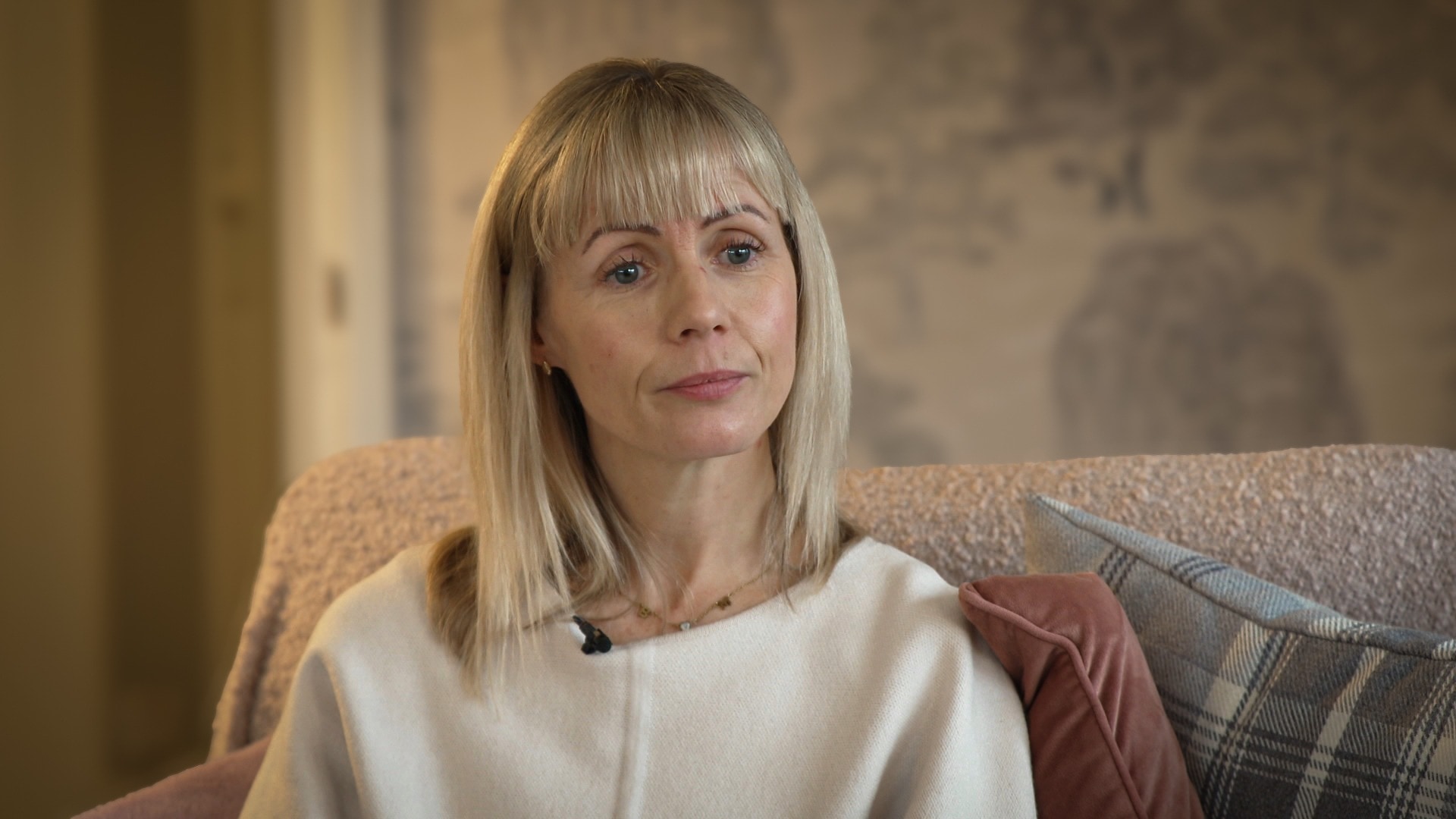
“He seemed like a normal, typical little baby,” Elaine told Scotland Tonight. “We noticed when we put him in the bath, he suddenly came to life.
“His arms moved, his legs moved, he’s splashing around in the bath. When we took him out, he just always seemed a little bit more serene, a little bit quieter, didn’t seem to move as much.”
 STV News
It was a chance encounter at the cinema that first made Elaine uneasy. She met a friend whose son had been born just four days after Max – a smaller baby – and noticed something that stopped her cold.
“His arms were punching, his wee legs were kicking,” explained Elaine. I remember asking, can I hold him? And when I held him, I just knew there was something not right with Max.”
Over the following weeks, Max was seen by a succession of medics before a consultant finally laid him on an examination table and discovered that he didn’t have any reflexes.
That was when Elaine learned Max had SMA type 1, the most severe form of the condition.
“We were told that, unfortunately, there was no treatment for SMA and that Max would be unlikely to meet his second birthday,” said Elaine.
“We were told to take Max home and make memories and enjoy his Christmas because he might not be here for another one.
“I don’t think it really hits you at that time because you’re looking down at your little baby, and they look perfect, they are perfect, there doesn’t look like there’s anything wrong. So how can this be the case? How can this be happening?”
But a new treatment under development provided the family with a glimmer of hope. Max was accepted onto a trial on compassionate grounds and became the first child in Scotland to receive treatment through the Expanded Access Programme.
“Previous to this, there was no treatment option; children died,” explained Elaine.
“All of the muscles in all of the body waste away, the breathing muscles, the swallow, everything is impacted until they just waste away and die.
 STV News
“We had nothing to lose, because we were going to lose Max anyway, and that was the reality. So we had nothing to lose in trying the treatment. And he’s still here today, he is, nine years down the line. It saved his life, 100% it saved his life.”
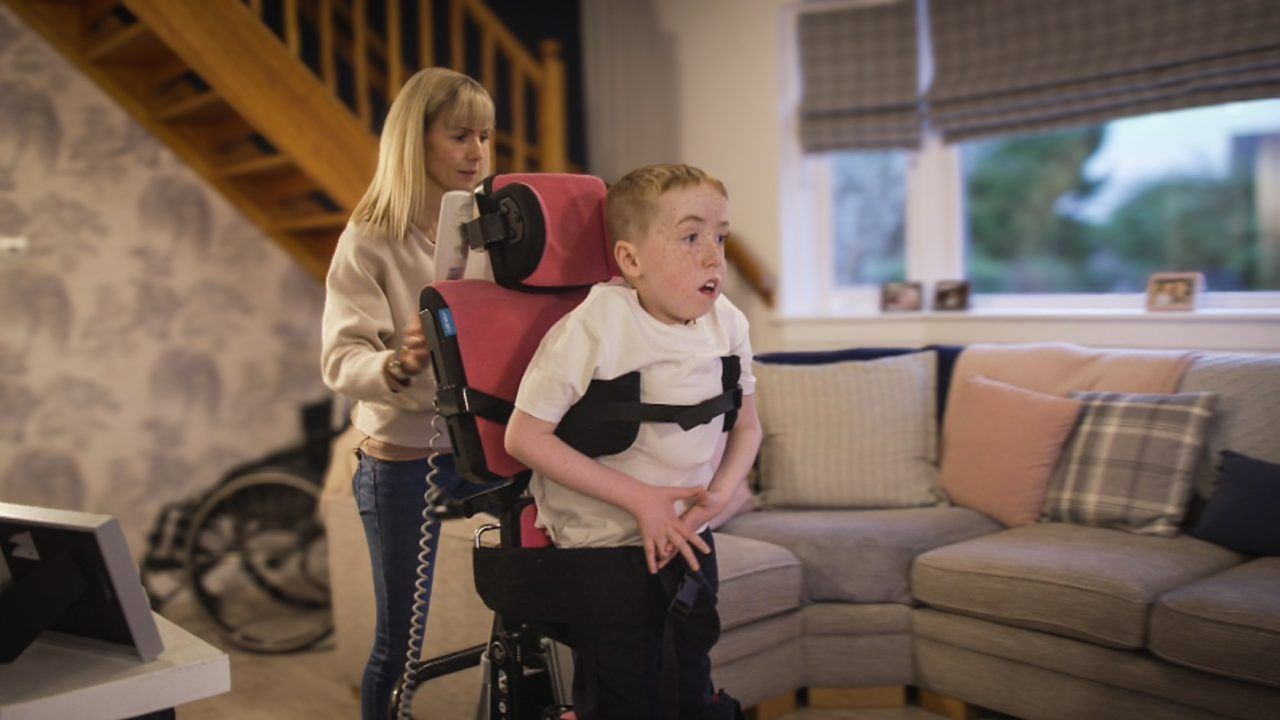
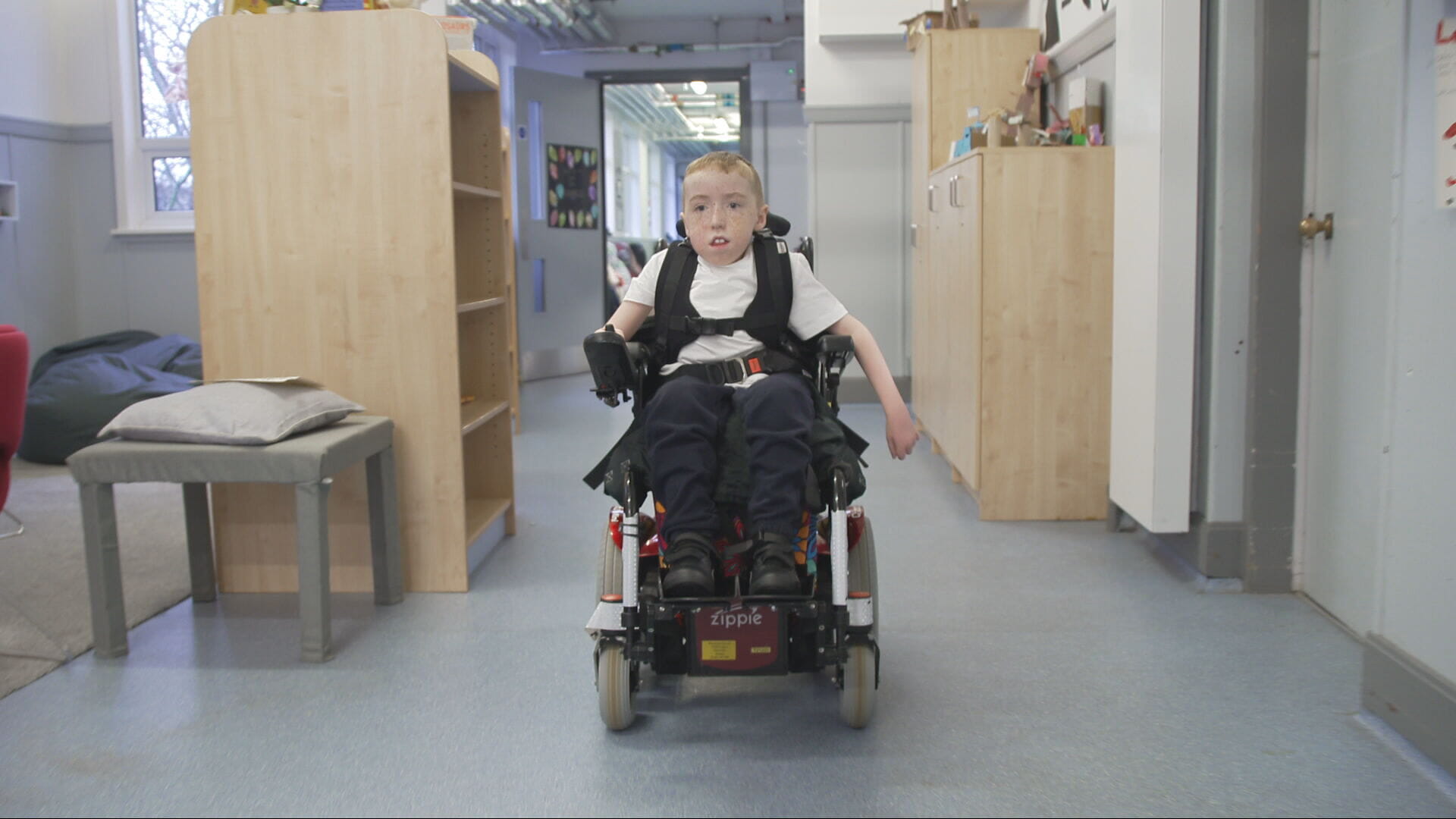
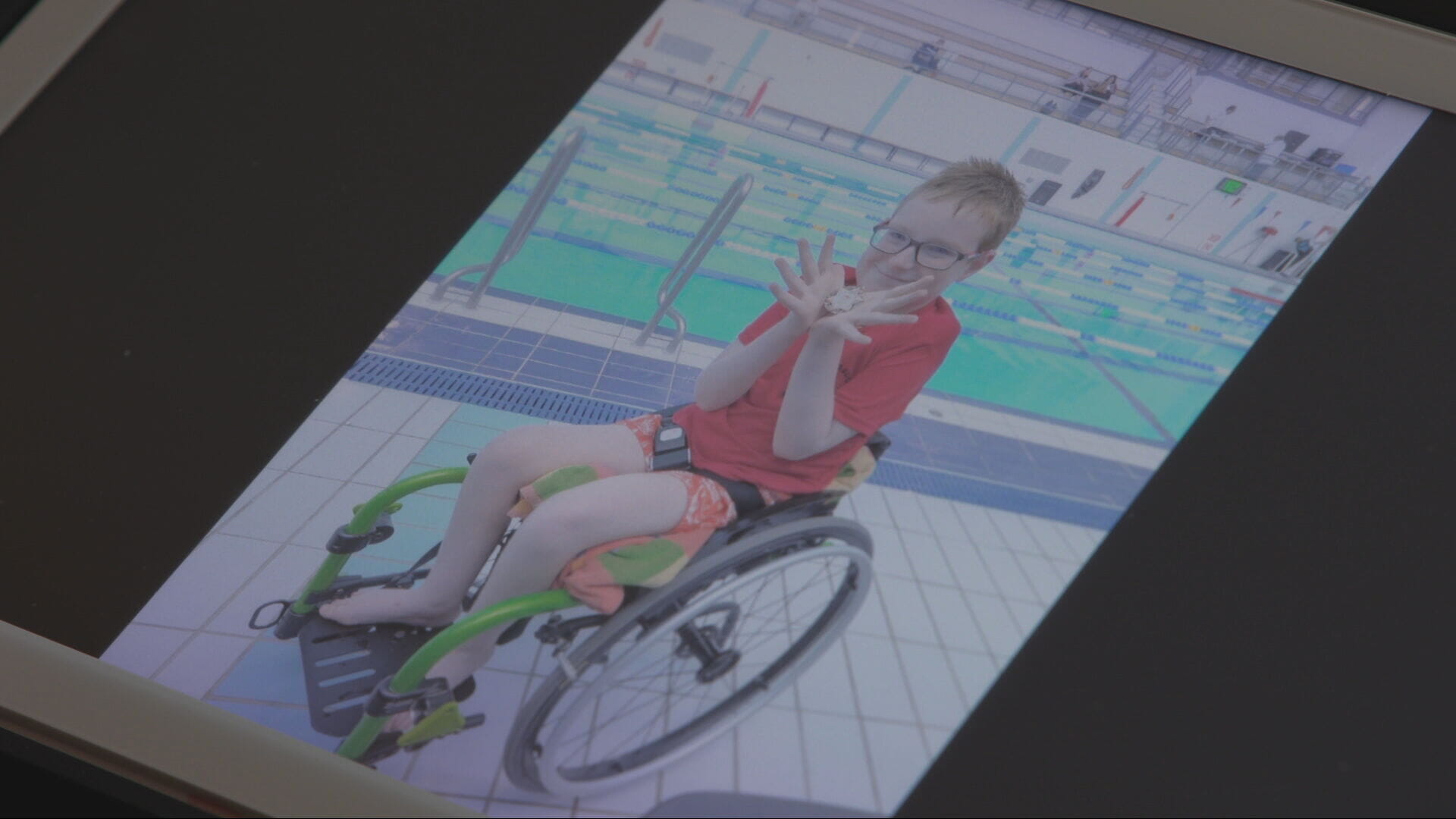
Today, Max is thriving. He loves sport, art and hanging out with his friends. His favourite hobby is powerchair football.
Elaine said: “Max doesn’t just exist. He has a great quality of life.”
Pop star brings awareness of SMA to national audience
SMA has made the headlines in recent months after former Little Mix star Jesy Nelson revealed that her twin babies were diagnosed with the condition.
The 34-year-old gave birth to twins Ocean Jade and Story Monroe Nelson-Foster prematurely in May last year, and Nelson has been posting about their journey on Instagram to raise awareness about SMA ever since.
The singer took to Instagram to reveal that as part of her advocacy, she has become a patron for Spinal Muscular Atrophy UK, which, according to its website, is the UK’s leading charity for the condition.
The singer previously revealed that her twins had been diagnosed with SMA type 1, and said her daughters’ diagnosis would mean they are unlikely to ever be able to walk or regain their neck strength.
As part of the singer’s activism, she launched a petition last week which aims to get screening for SMA added to the newborn blood spot screening test, also known as the heel-prick test, which screens for serious health conditions.
The petition has since received more than 142,000 signatures at the time of writing, meaning the issue will be considered for a debate in the UK Parliament.
From next month, Scotland will be the first country in the UK to trial a screening programme to detect the condition from birth.
‘Every day you see him getting weaker and weaker’
For Claire and her family, the road to diagnosis was slower and more agonising.
Her son Max – also nine, and now the older brother of four-year-old twin sisters – seemed well for the first months of his life. It wasn’t until around six to nine months that small differences began to emerge.
 STV News
“We were at a toddler’s group, and he had been on a little kind of kids’ toddler’s trampoline, and he was loving it,” she told Scotland Tonight.
“So Santa brought him one for Christmas, and on Christmas Day, he couldn’t stand on it at all. So I thought, that’s weird. He’s not able to stand up. He never, ever stood on that trampoline, ever, ever.”
When Claire raised her concerns with doctors, she found herself passed between specialists and orthopaedic teams who pointed to Max’s age rather than his deterioration.
“They were 100% saying, well, he’s only one, or he’s only nine months old, he shouldn’t be walking about,” she said. “And I’m just like, but you’re not understanding – he was physically able to bear weight, and now he is not able to bear weight at all.”
As the months passed without answers, Max continued to decline. The family watched helplessly as he lost abilities he previously had.
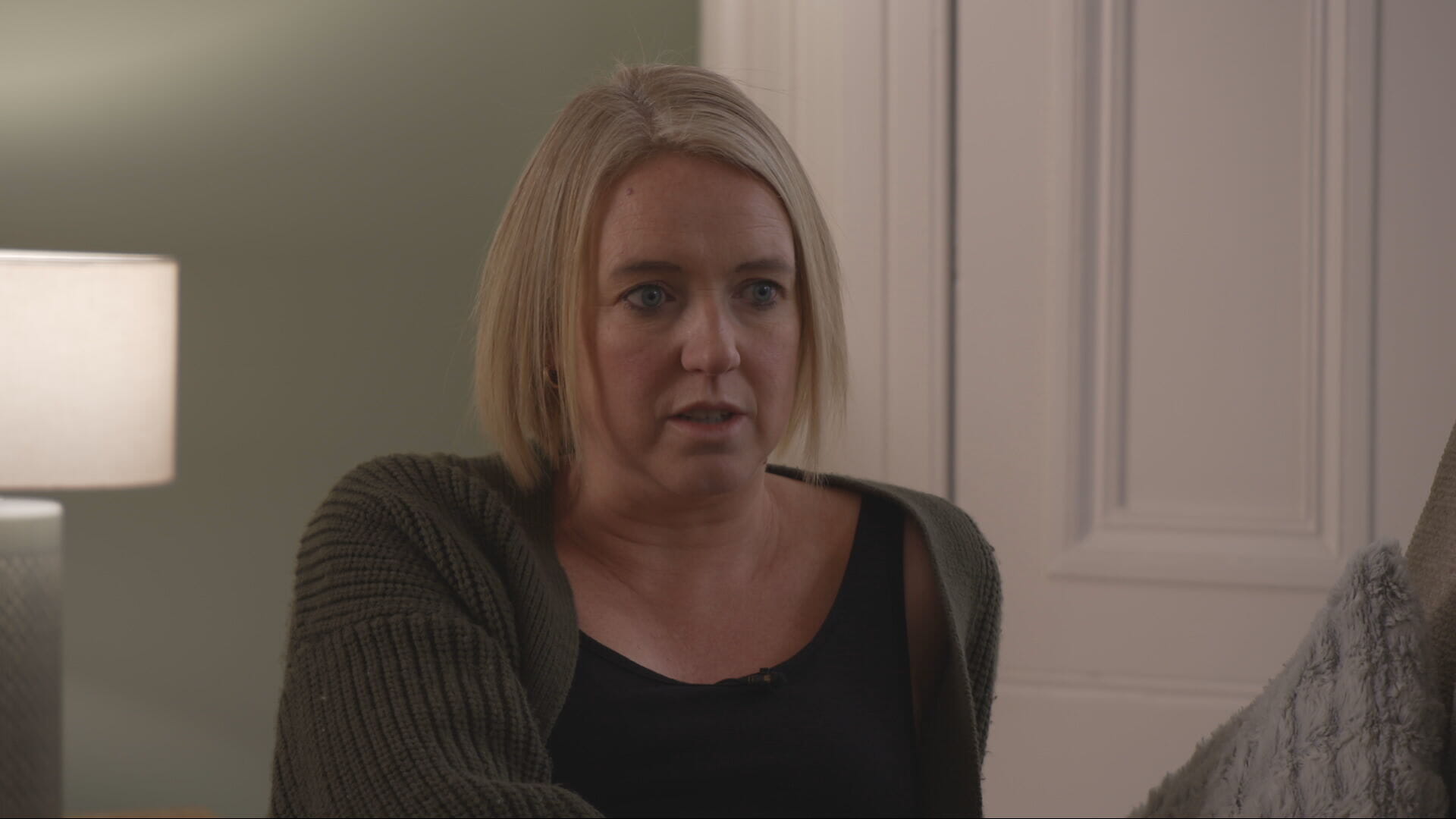
“Every day you see him getting weaker and weaker,” Claire explained. “He used to kind of roll, and then he kind of lost the ability to roll. He lost the ability to raise his arms.
 STV News
“So even now, that’s an ability Max has never ever got back. We’ve seen all of these things deteriorating before anybody could give us any idea of what’s going on.”
Eventually, the family took matters into their own hands. They did their own research, sought a recommendation for a specialist, and Claire’s husband took Max to A&E.
After six hours in the waiting room, a neurologist walked in. Within moments of laying eyes on Max, he told the family he knew exactly what was wrong.
“It was the first time I’d ever heard of SMA,” says Claire. The news was devastating but the consultant offered one crucial caveat.
“This is not the same devastating diagnosis as it was even a year ago.”
“And then to be handed this kind of lifeline,” Claire says. “And as it was billed, it was billed as this kind of miracle drug. And to be fair, it was, it’s changed everything.”
Not only did treatment stop Max’s symptoms from worsening, but it also helped him regain some of his strength and movement. As science has continued to advance, his treatment has evolved too – from hospital procedures to a simple daily oral medication taken every morning.
For Claire, the arrival of newborn screening cannot come soon enough. “How many people are going to stop getting to the stage that we had?
“That will get into the worry that we had, getting to the level of deterioration that we had with Max. So for us, the heel prick test is massive, massive.”
What exactly is SMA?
SMA is rare – affecting around one in every 10,000 babies born worldwide – but it is more common than many realise in terms of carriers.
It is thought that one in every 40 to 50 people carries the faulty gene. If two carriers have a child together, that child has a one-in-four chance of developing the condition.
It is passed down through genetics and, until recently, there was no effective way to detect it, let alone treat it. But since 2018, a series of medical breakthroughs have changed everything.
New treatments – including an oral daily medication called risdeplam and a revolutionary one-time gene therapy – have the power to pause, and in some cases prevent, the damage caused by SMA.
Over time, the muscles waste, affecting a child’s ability to move, breathe and swallow. In its most severe form – type 1 – the condition is devastating. Before new treatments became available, children diagnosed with SMA type 1 were not expected to live beyond the age of two.
‘Gene therapy is a game changer, it’s phenomenal’
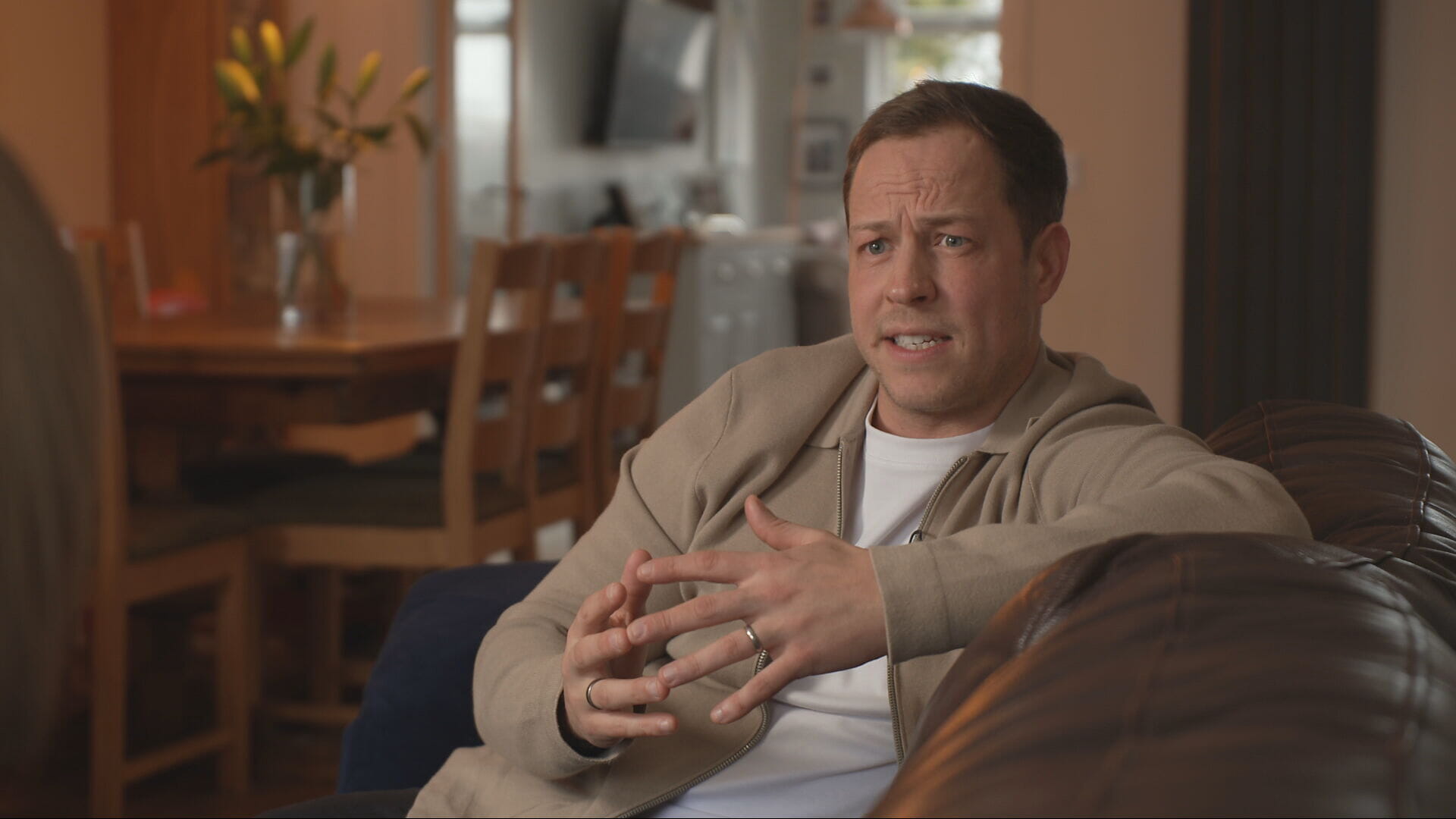
Giles Lomax, the chief executive of SMA UK, also knows what a diagnosis feels like from the inside. His seven-year-old twins were diagnosed with SMA type 2 when they were 15 months old.
“We have never heard of SMA. We didn’t know what it was,” he said. “I think with any diagnosis, it’s always tough. It’s always devastating because what a lot of people do is they’re grieving a future they thought they had.”
 STV News
SMA type 2 is less severe than type 1, though it still significantly affects mobility and, without treatment, leads to progressive muscle weakness.
Today, his twins are flourishing, adored by their big sister and parents. Their treatment has evolved alongside the science – from hospital procedures to a daily oral medication, risdeplam, administered each morning in a syringe.
Beyond oral treatments, families in Scotland can now also access gene therapy – a one-time intervention that, when given before symptoms appear, can prevent any damage or deterioration from occurring at all.
It is this combination of early detection and cutting-edge treatment that makes newborn screening such a transformative prospect.
“It’s a game changer. It’s phenomenal, and it changes the future for somebody,” said Giles. “If babies are treated early and diagnosed early, they can, in fact, in many cases, grow up to follow completely normal development pathways. A life with no complications, no recognised symptoms of SMA, you would not know at all.”
From next month, Scotland will add SMA to the routine heel-prick test – a blood spot screening already given to every newborn – with a near-universal uptake of 99.99%.
“It’s so seamless. It’s no new blood needs to be taken. It’s part of that existing process,” he says. “But the difference it makes is unbelievable. You know, one tiny blood spot with a diagnosis and therapy, and then you follow a completely different journey compared to previous peers who were diagnosed symptomatically.”
For families and charities who have spent years campaigning for this moment, it represents a hard-won victory. “This isn’t theory. This isn’t make-believe.
“This isn’t a wishful, hopeful, wanting shopping list,” said Giles. “This is a solution that can 100% be introduced in Scotland, to make sure that you’re maximising and giving children the best chance to thrive and grow up without a life of complex healthcare conditions.”
Follow STV News on WhatsApp
Scan the QR code on your mobile device for all the latest news from around the country