
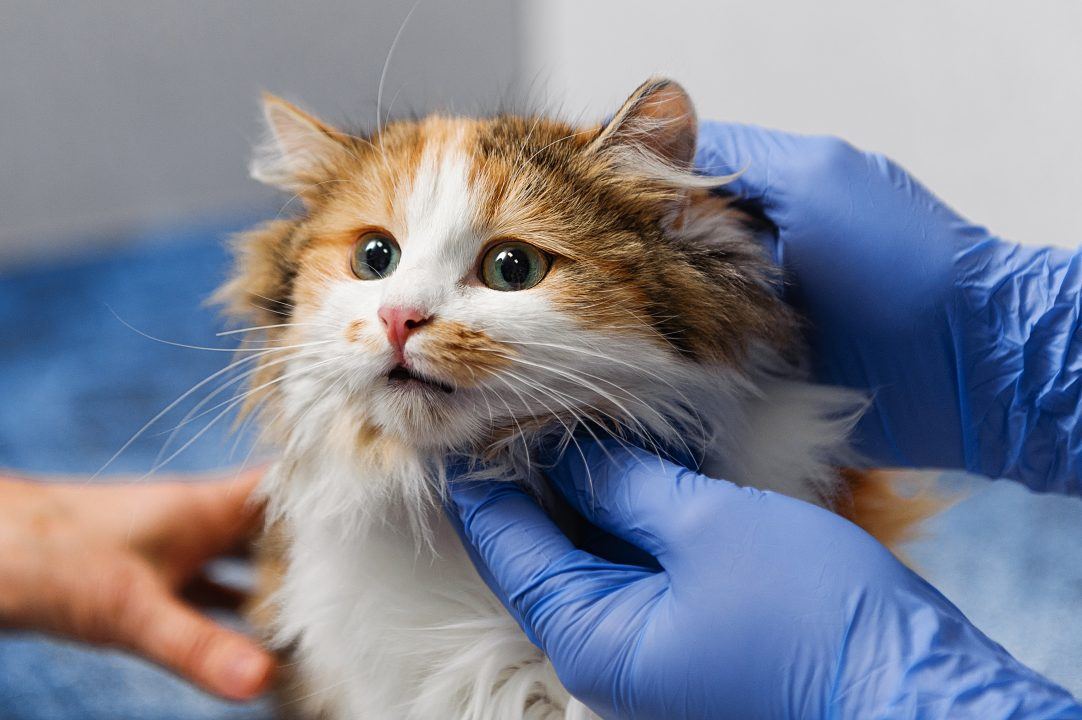
The UK Government has unveiled major reforms to the veterinary sector, the first overhaul in sixty years, but what does it mean for pet owners?
The reforms are intended to help pet owners understand what they are paying for and avoid unexpected costs.
Under the proposals, vets will be required to be transparent about treatment options and pricing to increase competition between practices.
Every vet practice will need an official operating licence – similar to GP surgeries and care homes – and to provide straightforward routes for customers to raise concerns.
The British Veterinary Association has backed the reforms, which would see UK vet businesses regulated for the first time.
The proposals would make the system clearer, fairer and more transparent for owners while also supporting veterinary professionals, the Department for Environment, Food and Rural Affairs (Defra) said.
Vets will be required to publish price lists
Among the benefits for pet owners, vet practices will be required to publish price lists for common treatments and be transparent about options and changes.
Knowing key prices beforehand helps owners to choose the best value, according to Defra.
Every vet practice will need an official operating licence – similar to GP surgeries and care homes – providing greater confidence in care.
Vet businesses must also disclose who owns them so pet owners know if their local practice is part of a larger chain or independent.
Defra said: “This knowledge and price transparency helps owners to decide which practice to use, which increases competition and brings down costs over time.”
The proposals are also seeking to provide a fairer complaints process and more straightforward routes for customers to raise concerns.
‘Vet legislation fit for the 21st century’
British Veterinary Association president Dr Rob Williams said the proposals represent an opportunity to “shape veterinary legislation that’s fit for the 21st century”.
“Vets play a vital role in society, from caring for the nation’s animals and supporting our farmers and food production, through to assisting international trade, disease control and public health,” Dr Williams said.
“If we’re to continue delivering this work effectively, we urgently need reformed veterinary legislation, and those changes will impact how we go about all aspects of our work.”
Defra has said their proposals will provide regulatory oversight of veterinary businesses, not just individual vets, so the responsibility for upholding standards is shared and clearer.
The reforms will also grant legal recognition to veterinary nurses, which Defra said will strengthen professional identity, improve job satisfaction, and boost retention rates.
It will also modernise processes for registration and “fitness to practice”, focusing on current competence rather than past mistakes.
A consultation on the proposals will run for eight weeks.
Follow STV News on WhatsApp
Scan the QR code on your mobile device for all the latest news from around the country