Thousands of people across Scotland with ancestral links to Orkney and Shetland are to be offered genetic testing after researchers identified inherited gene variants linked to an increased risk of cancer.
The programme led by the University of Aberdeen and NHS North of Scotland Genetics Services will offer testing for specific BRCA gene variants, found more commonly in people with ancestry from Westray in Orkney and Whalsay in Shetland.
Around 5,000 tests are expected to be carried out across NHS Grampian, Orkney, Shetland, Highland, Tayside, Lothian and Greater Glasgow and Clyde.
The screening involves a simple saliva test and aims to identify people who may be carrying inherited cancer-risk variants despite having no known family history of the disease.
Researchers say the programme could allow people to access genetic counselling, screening and preventative care before they become unwell.
There are more than 3,000 known variants in the BRCA1 and BRCA2 genes that can increase the risk of developing cancer.
Around one in 1,000 women across the UK carry a BRCA1 variant, which can significantly increase their lifetime risk of breast or ovarian cancer. Men with BRCA2 variants can face an increased risk of breast or prostate cancer.
At present, testing is generally only available to people who know of a direct family connection to a variant or who have a strong family history of breast, ovarian or prostate cancer.
However, researchers behind the Viking Genes programme found that two specific BRCA variants occur more frequently in people with ancestry linked to Westray and Whalsay, even where no family history of cancer is known.
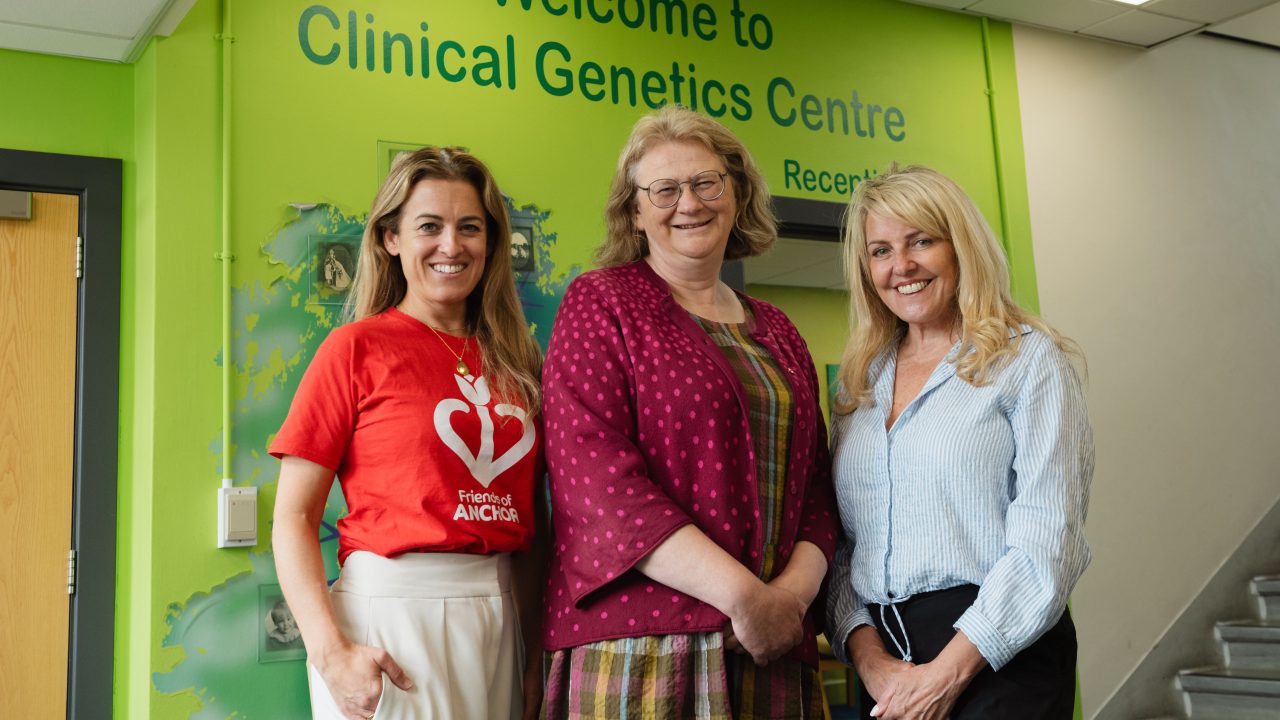
The project is led by Professor Zosia Miedzybrodzka, service clinical director of genetics at NHS Grampian and professor of medical genetics at the University of Aberdeen.
“For many years, our team has seen the impact the inherited BRCA variants can have on families from Orkney and Shetland,” she said.
“We know that these specific variants are more common in people with Westray and Whalsay ancestry and this project gives us an important opportunity to identify people across Scotland who may be at higher risk, before they develop cancer.
“Testing can give people knowledge, choices, and access to support. For those who test positive, it means we can offer genetic counselling, further testing, screening, and referral into local genetics services. Most importantly, it creates opportunities for preventative care which could make a real difference to patients and their families.
“This project has only been possible because of the people of Westray, and the wider Orkney and Shetland communities, who have supported this work and helped us reach this point. Their involvement has been absolutely vital, and I am incredibly grateful to everyone who has played a part in making this possible.”
The project will be funded by a unique partnership of NHS charities across Scotland and Friends of ANCHOR, a cancer and haematology charity based in North-east Scotland.
Friends of ANCHOR is contributing £137,000 towards the programme in the Northern Isles, with NHS Grampian Charity, NHS Orkney Endowment Fund, Shetland Health Board Endowment Fund, NHS Highland Charity, NHS Tayside Charitable Foundation, NHS Lothian Charity, and NHS Greater Glasgow & Clyde Healthcare Charity covering the remainder.
Lisa Duthie, Charity Lead at NHS Grampian Charity, speaking on behalf of the NHS charities, said, “This is an extraordinary example of what charitable donations from patients and families can make possible, and is truly collaborative work which has the potential to make a lasting difference for people across Scotland.
“Thanks to the hard work and determination of Zosia and the genetics team, and the support of communities in Westray, Whalsay, and the wider Northern Isles, this work has reached a point where thousands more people can now be offered testing.”
Sarah-Jane Hogg, Chief Executive of Friends of ANCHOR, said, “The goal of this important work has long been to introduce genetic testing Scotland-wide, and thanks to the pioneering efforts of Zosia and her colleagues, the roll-out is imminent.
“This programme will identify people at increased risk earlier and give them access to support and preventative care that could ultimately save lives.”
Follow STV News on WhatsApp
Scan the QR code on your mobile device for all the latest news from around the country