People in Scotland could have a new, more environmentally friendly alternative to burial and cremation for the first time in more than a century – potentially as early as next year.
Hydrolysis, also known as water cremation, would be introduced under draft regulations laid in the Scottish Parliament in December.
But how does it work?
Alkaline hydrolysis, also called water cremation, uses a controlled chemical process that breaks down the body, leaving behind only sterile liquid and bone fragments.
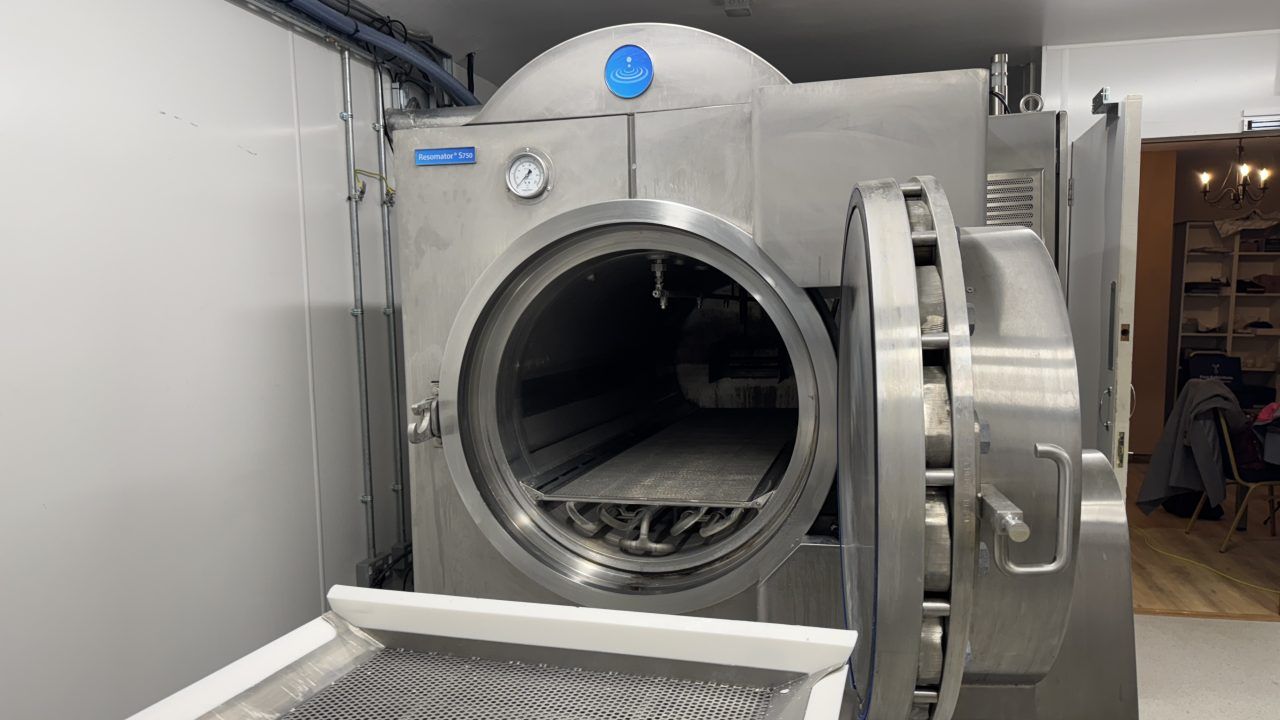
The method involves placing the body into a steel pressure tank filled with 95% water and 5% potassium hydroxide. It is believed to be a more sustainable option than traditional cremation, which uses large amounts of natural gas.
Hydrolysis is already available in countries like the United States, Canada and Ireland.
 STV News
Pure Reflections introduced the method in Dublin two years ago using a Resomator, a machine specifically made for water cremation.
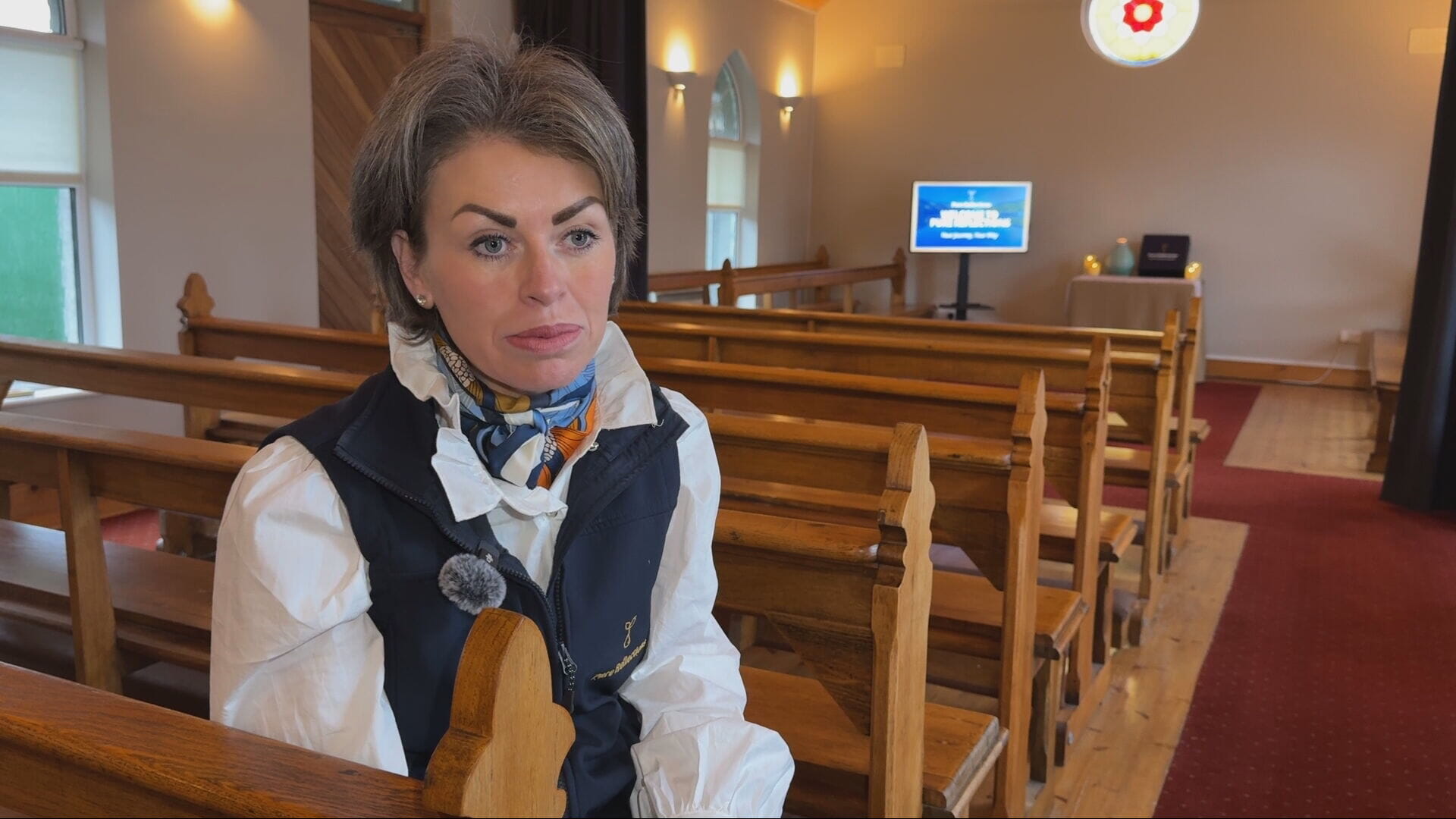
Founder Elizabeth Oakes decided to introduce the service after it began gaining traction in America and is now the only facility in Europe offering it.
She told STV News: “This is a very environmentally friendly and gentle alternative to flame cremation and burial.
“When a body is buried in the ground, what happens is there’s a chemical reaction that happens between the soil bacteria and the body.
“So when we place the body into the resomator machine, it basically speeds up the natural decomposition of the body but instead of taking 50 or 60 years in the ground, it takes three to four hours in our machine.”
Like cremated ashes, the bones left behind are processed into a fine white powder, which can then be placed in an urn and given to the family.
“A lot of people ask about the water post-resomation,” Elizabeth said.
“It’s completely sterile and environmentally safe and can be returned to our ecosystem.”
‘The most gentle way of leaving this earth’
 STV News
In December, The Scottish Government announced that hydrolysis will be introduced under draft regulations laid in the Scottish Parliament.
If approved, it would be the first alternative to traditional burial and cremation offered in Scotland in more than a century.
Ten-year-old Daisy McDonald Byrne became the 18th person in Ireland to use the water cremation service.
She died following a lifelong battle with Rett Syndrome, a rare genetic condition.
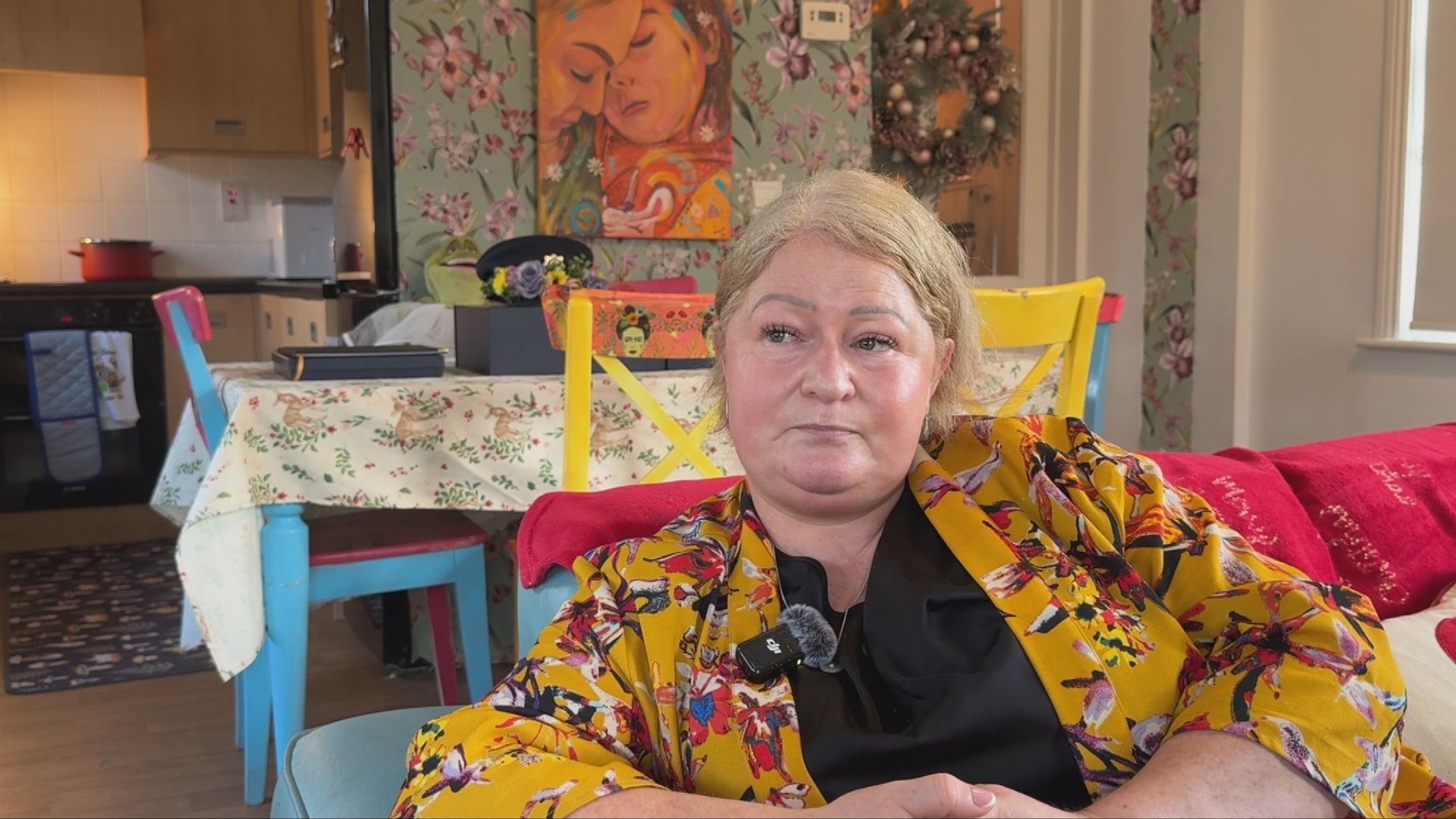
Her mum Lynn said she is grateful the option was there for her daughter.
She said: “Water cremation was something I hadn’t heard of before.
“One of her little pals passed away and they went down this route and that was two days before Daisy died.
“To have been able to give her the most eco friendly and gentle way of physically leaving this earth. It was the most beautiful thing I could have done for her.”
Afterwards, Lynn received Daisy’s remains in an urn, as well as a small container to create keepsake jewellery.
Lynn said: “Daisy’s remains are as pure as she was. They are white and they almost glisten like snow and there’s nothing unsettling or frightening or difficult about seeing that.
“I look at it and I smile because it’s a reminder of how perfect she was.”
Following a public consultation exploring environmentally-friendly alternatives to burial or cremation in Scotland, 84% of people were in support of introducing hydrolysis.
‘We’re running out of burial ground’
 STV News
And Scottish funeral directors expect it to be popular.
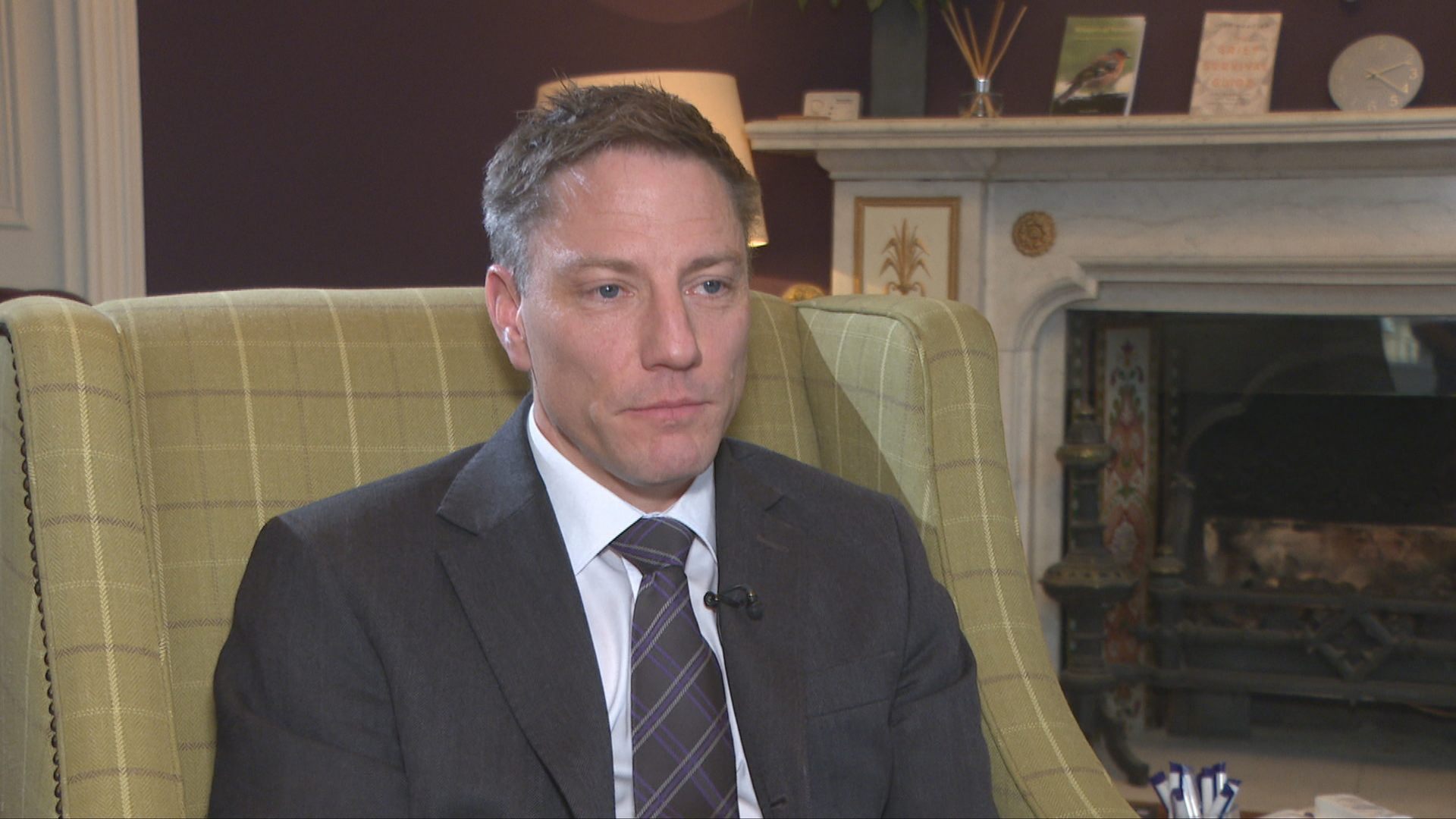
Andrew Purves, chief operating officer of Edinburgh-based William Purves Funeral Directors has been involved in the working group helping the Scottish Government form the legislation on hydrolysis.
He said: “We are running out of burial ground and in terms of cremation, the environmental impact is quite big.
“There are some people that have travelled from Scotland and England over to Ireland where this process can happen and so it shows that people want this.
“I suspect that when it becomes legal in Scotland, and we have a facility, we may see people traveling to Scotland to come to have this happen for them.”
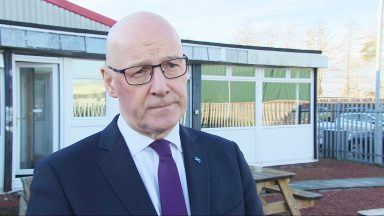
Public health minister Jenni Minto said: “It is to give people the choice. I think using natural products like silk or wool to wrap the bodies in, then putting them through the hydrolysis treatment, is a more environmentally friendly way of dealing with it.”
Follow STV News on WhatsApp
Scan the QR code on your mobile device for all the latest news from around the country